
Written Once, Funny Never: The Worst Sketch Shows of 2026
The worst sketch shows of 2026 fail in a way no other comedy format can, because a sketch show has nowhere to hide. A sitcom can survive a weak episode on the warmth of its characters, but a sketch show is a new joke every three minutes, and every one of those jokes has to work on its own. When the writing is thin, the audience feels it at once: a premise that never becomes a joke, a character dragged back for a fourth appearance nobody asked for, a topical gag that was already stale on the night it aired.
This is a guide to sketch shows only: programmes built entirely from short, written, rehearsed scenes, one after another, with no host, no interviews and no contest. That makes them different from a variety show, covered in our guide to the worst variety shows of 2026, where sketches are only one act in a mixed bill of songs, dance and guest spots, and the failure is usually the running order rather than the writing. Comedy television in general, covered in our guide to the worst comedy TV shows of 2026, gives sketch shows a single entry among seven formats; here the whole show is sketches, so every failure is a writing failure.
Key takeaways
- A sketch show lives or dies on its writing: every sketch is a new joke that has to work on its own, with no characters or story to carry a weak week.
- The most common failure is a premise with no punchline, where the funny idea is set up clearly and then simply repeated until the sketch runs out of time.
- Recurring characters are the second killer: a character who was funny once is brought back until the catchphrase is the whole joke.
- Topical sketches age fastest, so a show built on this week’s news is unwatchable by next month and embarrassing by next year.
- Give a sketch show one episode: if you cannot remember a single sketch the next morning, the show has nothing to offer you.
How the worst sketch shows of 2026 were ranked
Every type below was scored on five measures. Writing comes first: does each sketch have a premise, an escalation and an ending, or does it just repeat its first joke in different words? Originality is second, judged on whether the show finds new targets or recycles the same three ideas in different costumes. Variety within the show is third. Performance is fourth, rewatch value fifth. The scores below are worst scores out of ten, with ten meaning the most punishing watch of the year.

Comparison table: the worst sketch shows of 2026
| Rank | Sketch show type | Main flaw | Warning sign | Worst score |
|---|---|---|---|---|
| 1 | The Premise With No Punchline | Funny idea, no ending | The sketch repeats its setup | 10/10 |
| 2 | The Recurring Character Trap | One character, every week | You know the catchphrase already | 10/10 |
| 3 | The Topical Sketch That Dates | News jokes with a one-week life | You need last week’s headlines | 9/10 |
| 4 | The Cold Open That Never Warms Up | First sketch kills the mood | Silence in the first two minutes | 9/10 |
| 5 | The One-Joke Sketch, Stretched | Three minutes of joke, five of padding | The same line, third time round | 9/10 |
| 6 | The Cast With No Chemistry | Performers stepping on each other | Actors waiting for their turn | 8/10 |
| 7 | The Callback Only the Writers Remember | In-jokes with no payoff for viewers | A reference to episode two, in episode nine | 8/10 |
The worst sketch shows of 2026
1. The Premise With No Punchline: a funny idea that never becomes a joke
The Premise With No Punchline is the worst type of sketch show in 2026 because it mistakes a funny idea for a finished sketch. The setup is often genuinely promising: a meeting where everyone speaks in slogans, a shop that sells only one strange thing. The writers knew how the sketch started and never worked out how it should finish. A good sketch escalates its premise until it breaks; the worst ones treat the premise as the whole joke.
2. The Recurring Character Trap: one character, brought back until the joke dies
Every sketch show dreams of a recurring character who becomes a favourite, and the worst ones find one by accident and then refuse to let it go. The character arrives in week one with a strong voice and a catchphrase that lands, and by week three the show has built its whole episode around that character’s return. Recognition is not laughter, and a show that confuses the two will keep bringing the character back long after the joke has been used up.
3. The Topical Sketch That Dates: jokes with a one-week shelf life
Topical sketches are the sketch show’s fastest route to feeling current and its fastest route to feeling ancient. The worst sketch shows of 2026 build whole episodes around the week’s headlines, and for one night that can work: the audience recognises the story and the reference lands. If you need last Tuesday’s news to understand tonight’s sketch, the show is writing for the calendar, not for comedy.
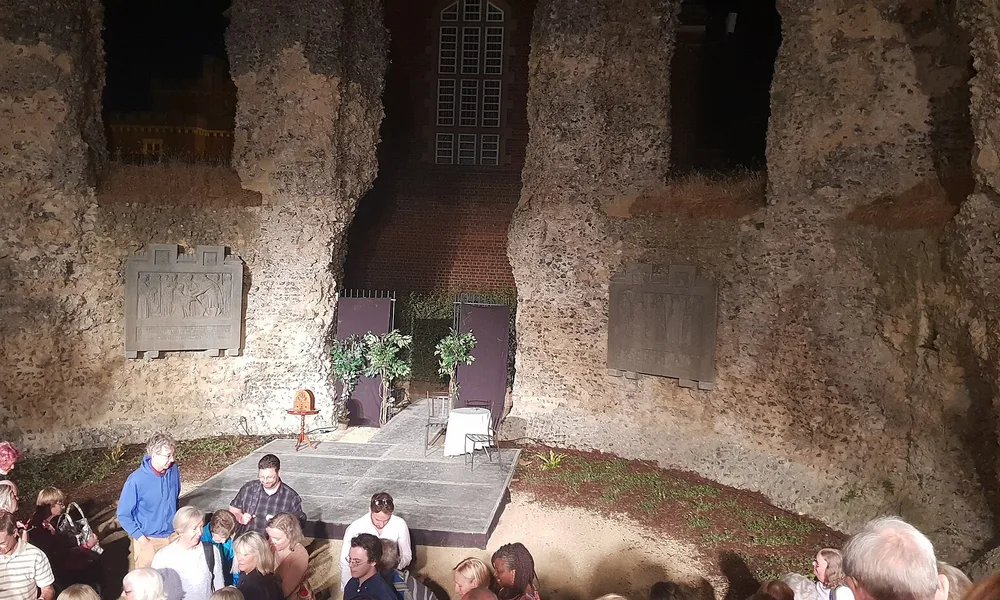
4. The Cold Open That Never Warms Up: the first sketch kills the evening
A sketch show’s cold open is its handshake with the audience, and the worst shows fumble it every week. The first sketch is slow, or obscure, or built on a premise that needs two minutes of explanation before the joke can start, and by the time it ends the audience has already decided the evening will be hard work. Good sketch shows open with their sharpest, simplest idea; the worst ones open with their cleverest idea, the one the writers are proudest of, which is usually the one that needs the most patience. If the first sketch leaves the room quiet, switch off.
5. The One-Joke Sketch, Stretched: three minutes of joke in five minutes of sketch
Some sketches have exactly one joke in them, and the worst sketch shows refuse to accept it. The joke lands in the first minute, the audience laughs, and then the sketch keeps going, repeating the same line with different props, different costumes and different shouting, as though volume and repetition could turn one laugh into five. The stretch is easy to spot: the same punchline arrives a second time and gets a smaller laugh, a third time and gets a groan, and by the fourth the audience is watching the clock instead of the stage. A sketch should be as long as its joke and not a second longer; when a show stretches its thinnest material the furthest, it is telling you how little material it has.
6. The Cast With No Chemistry: performers stepping on each other instead of playing together
Sketch comedy is a team sport, and the worst sketch shows of 2026 field teams that never learned to pass. The performers are individually capable, sometimes individually very funny, but on stage together they wait for their turn, step on each other’s lines, and play to the camera instead of to each other. Compare this with stand-up, covered in our guide to the worst stand-up comedy of 2026, where one person alone on stage is the whole format; a sketch cast that performs like six solo acts has taken the worst of both worlds.
7. The Callback Only the Writers Remember: in-jokes with no payoff for the viewer
Callbacks are one of sketch comedy’s great pleasures when they are earned: a joke from the first sketch that pays off in the last, or a character who returns with a new twist. The worst sketch shows of 2026 abuse the device until it becomes a private joke the audience was never invited to. A callback should work even for a viewer who missed the original, because the return itself is funny; when the joke is only that something happened before, the show is keeping a scrapbook instead of writing comedy.

What to avoid when choosing a sketch show in 2026
The most common mistake is giving a bad sketch show a second episode out of loyalty to the format. Sketch shows do not improve the way dramas do: they have no story arcs that pay off later, and a writers’ room that could not finish a sketch in week one rarely learns how by week six. Avoid the trap by judging the show on its weakest sketch, not its best: every sketch show has one good idea per episode, and the question is what fills the other twenty minutes.
Checklist: picking a sketch show in 2026
- Watch the first sketch of episode one: if it has no clear ending, the writers do not know how to finish their own jokes.
- Count how many sketches you can remember the next morning: fewer than two means the show left nothing behind.
- Check whether the recurring character gets a new situation each week or just repeats the same catchphrase.
- Skip any episode whose jokes all depend on last week’s news; it will be unwatchable by next month.
- Watch for cast chemistry: if the performers never react to each other, the sketches are solo turns in disguise.
- One episode is enough: if nothing made you laugh out loud, move on, because sketch shows do not grow on you.
Frequently asked questions
What is the worst sketch show type of 2026?
The Premise With No Punchline, where a funny idea is set up clearly and then repeated until the sketch runs out of time without ever becoming a joke. It is the failure every other type on this list grows out of, because a sketch without an ending cannot be saved by performance, casting or timing.
How is a sketch show different from a variety show?
A sketch show is built entirely from short written scenes, while a variety show is a mixed bill of sketches, songs, dance and guest spots, where the failure is usually the running order.
How is a sketch show different from a comedy series in general?
A comedy series can lean on its characters and story across a season, while a sketch show must make every three-minute scene work on its own.
Why do sketch shows repeat their characters so often?
Because a familiar character gets easy applause, and a show short on new ideas keeps bringing one back. The return should bring a new situation; when the return is the whole joke, the character has worn out.
Are topical sketch shows always bad?
No. A good topical sketch finds something lasting inside the moment, a human habit that survives the headline. The bad ones are just the headline with a wig on, and they date within weeks.
What should I watch instead of a bad sketch show?
Look for a show where the first sketch has a real ending, the cast reacts to each other, and you can remember two sketches the next morning.
Bottom line
The worst sketch shows of 2026 fail on the page before they fail on the stage: premises with no punchline, characters brought back until the joke dies, topical gags that date in a week, cold opens that never warm up, one joke stretched past breaking point, casts with no chemistry, and callbacks only the writers remember. Judge it fast: one episode, and if you cannot remember a single sketch the next morning, the show has nothing left to offer you.


