The Worst Pins to Give the Brush-Off: The Worst Sports Pins of 2026
The worst sports pins of 2026 are not the plainest ones in the tray or the cheapest ones on the stall. The worst sports pins fail in the ways that matter to a collector: they pretend to be rare when they are not, they fall apart in storage, they cannot be traded for anything, or they arrive with no story at all. This guide ranks the worst types of sports pin for collectors and traders, so you can spot a dud before you hand over money or swap away a good pin for a bad one.
Key takeaways
- A sports pin is judged as a collectible: rarity, condition, provenance and trade value matter more than how it looks on a jacket.
- A numbered pin means nothing unless the edition size is real and the numbering can be checked.
- The pin nobody will trade for is the most expensive pin you will own, because it sits in the album forever.
- Storage kills more pins than wear does: heat, damp and dried-out clutches do the damage while the album sits in a drawer.
- Check the back, the numbering, the enamel and the story before you buy or trade.
How the worst sports pins were chosen
Every type below was scored on five measures. Honest rarity comes first: is the pin genuinely scarce, or is the scarcity invented by the seller? Condition is second, judged on the enamel, the metal and the pin post. Trade value is third, because a pin that nobody will swap for is a dead pin. Provenance is fourth: can you tell where the pin came from, when it was made and what event it marks? Display is fifth, covering whether the pin fits a standard board or album.
Two notes before the list. First, no single maker or seller is named as the worst, because the same bad patterns turn up on many stalls. Second, a pin is judged here as a collectible, not as a badge to wear: a pretty pin can still be a terrible one if nobody will trade for it. Fans who collect other small matchday keepsakes will find the same logic in our guide to the worst sports badges of 2026, where the pin is judged on how it survives a day on a jacket rather than a year in an album.
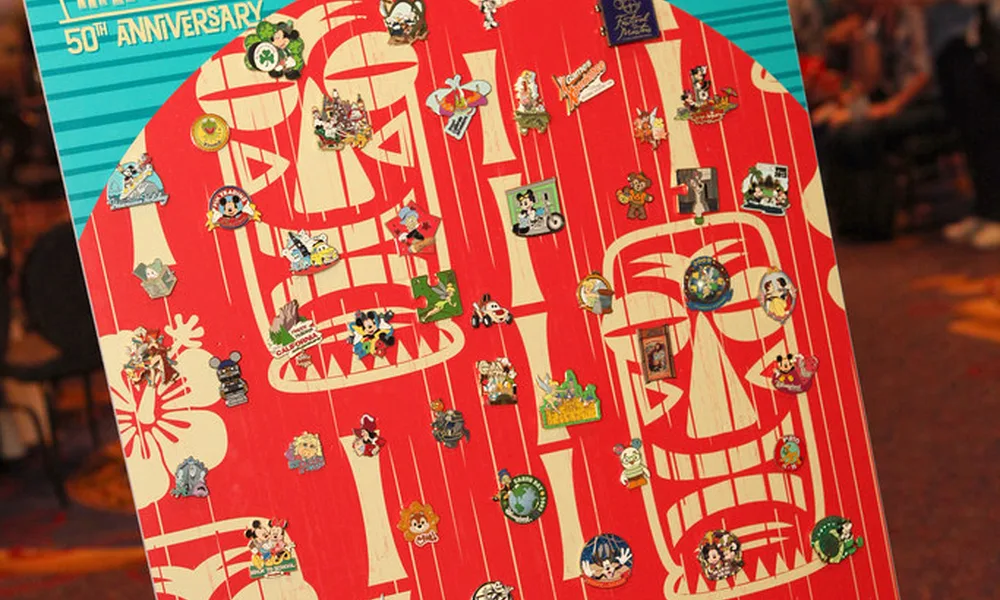
Comparison table: the worst sports pins of 2026
| Rank | Pin type | Main fault | Worst moment |
|---|---|---|---|
| 1 | The fake “limited edition” | Numbering faked, edition size invented | Three “number 12 of 100” pins at one stall |
| 2 | The mass-produced “rare” pin | Thousands minted, scarcity claimed anyway | The same “rare” pin on every stall |
| 3 | The pin nobody will trade for | No demand from any trader | Offered at five boards, refused at all five |
| 4 | The pin that falls off the board | Clutch dries out, pin drops and vanishes | An empty slot where the best pin was |
| 5 | The enamel that cracks in the drawer | Heat and damp craze the enamel in storage | A web of cracks across the design |
| 6 | The pin with no story | No event, no date, no maker, no proof | A pin nobody can place or price |
| 7 | The oversized novelty pin | Too big for boards, albums and trade sheets | One pin eating a whole row of slots |
The worst sports pins of 2026
1. The fake “limited edition”: the worst pin of all
The fake “limited edition” is the worst sports pin of 2026 because it lies about the one thing that gives a collector pin its value. The pin looks right: a clean design, a stamped number on the back, a card that says “limited edition of 100”. Then you see another one at the next stall with the same number. The fake has none of that, only a number stamped on the back and a price that assumes you will not ask questions. If the answers are vague, the pin is worth the price of an ordinary pin, and no more.
2. The mass-produced “rare” pin: rare everywhere you look
The mass-produced “rare” pin is the one you see on every stall, in every online listing, and in every bargain tray, always described as rare. The design is usually a generic one: a ball, a boot, a whistle, a trophy, with no event, no year and no team attached, pressed in the thousands and sold wherever fans gather. Check the back before you buy. A mass-produced pin usually has a plain, unmarked back and a pin post that is thinner than a proper collector pin, because it was made to be cheap, not to last.
3. The pin nobody will trade for: a dead pin
The pin nobody will trade for is the most expensive pin you will ever own, because it never leaves your album. It is not damaged and it is not fake; it is simply unwanted. The design is for a forgotten friendly, a long-defunct competition, or a generic motif that every trader already has three of. You offer it at the trading board and the other collector barely looks at it before moving on, and the same thing happens at the next board, and the next. Collectors who trade other small matchday keepsakes know the same rule, and our guide to the worst sports lanyards of 2026 shows how the same dead-stock problem ruins a lanyard collection too.
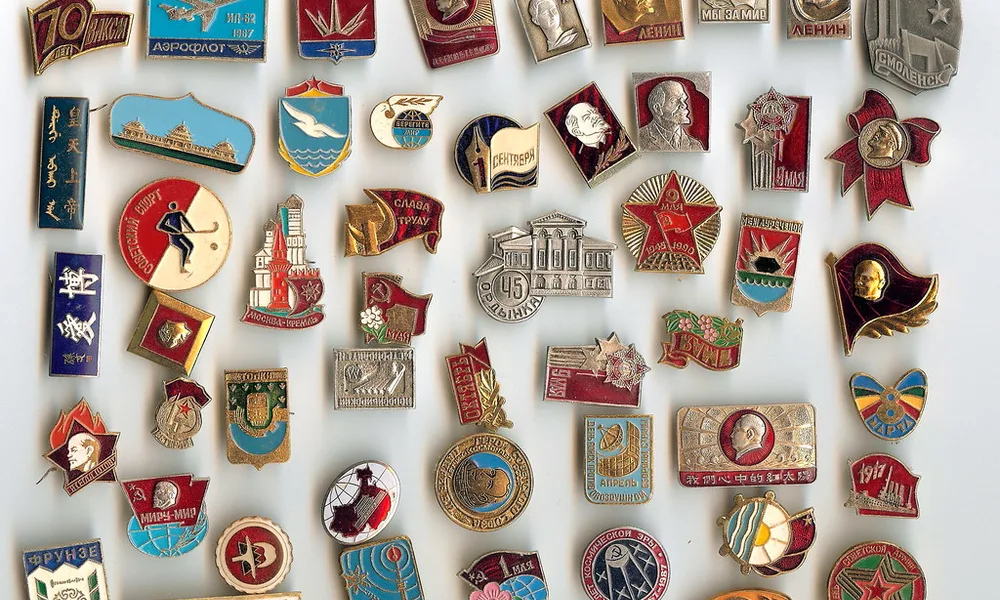
4. The pin that falls off the board: lost in the drawer
The pin that falls off the board does its damage quietly, at home, while nobody is watching. The pin itself is fine, but the clutch is not: a rubber clutch that dries out and hardens, a metal butterfly clutch that loses its spring, or a pin post that is a fraction too thin for the clutch it came with. You hang the board on the wall, the clutch gives way, and the pin drops behind the furniture or into the drawer, where it is found months later, scratched, or not found at all. Check every clutch when you buy a pin, and replace rubber clutches every year or two, before they dry out and let go.
5. The enamel that cracks in the drawer: storage damage
The enamel that cracks in the drawer looks perfect on the day you buy it, and ruined the next time you open the album. The damage is not wear: the pin was never worn, never dropped, never knocked. It sat in a drawer through a hot summer or a damp winter, and the enamel crazed into a web of fine cracks across the design. A cracked pin loses most of its trade value in one stroke, because the damage cannot be repaired and every trader can see it.
6. The pin with no story: a pin nobody can place
The pin with no story is a handsome object with nothing behind it. There is no event on the face, no date on the back, no maker mark, and the seller cannot tell you where it came from or when it was made. It might be twenty years old or twenty days old; it might mark a famous match or nothing at all. A collector pin without provenance is a guessing game, and traders hate guessing games, because they cannot price what they cannot place. If the seller’s whole story is “it’s old”, the pin is worth the price of a new one, and the story is worth nothing.
7. The oversized novelty pin: too big to collect
The oversized novelty pin is the one that eats a whole row of your board and still does not fit the album. It is wide, thick and heavy, made to be noticed rather than collected, and the moment you try to store it, the problems start: it covers three slots on the board, it will not fit in a standard album page, and it bends the trade sheet when you carry it to a swap. Traders pass on it for the same reason: one oversized pin takes the space of six normal ones, and nobody wants to carry a board with a single giant pin on it. A good collector pin is made to the size of the collection it belongs to.
What to avoid when buying or trading sports pins
The most common collector regret is a bad buy made without checking the pin first. Avoid the trap by checking four things before money or pins change hands: the back of the pin, the numbering, the enamel, and the story. The same checks work for other small collectibles too, and our guide to the worst sports souvenirs of 2026 makes the same point about provenance, because the traps are the same everywhere.
Checklist: buying or trading a sports pin
- Check the back first: maker mark, edition number and pin post thickness.
- Ask who made the pin and how many were made, and walk away from vague answers.
- Inspect the enamel for cracks, chips and crazing, especially at the edges.
- Test the clutch, and replace rubber clutches before they dry out.
- Ask who would trade for this pin, and do not buy a pin with no second life in trade.
- Store pins cool, dry and out of direct sun, and never in a loft or a car.
Frequently asked questions
What makes a sports pin valuable to a collector?
Honest rarity, good condition, clear provenance and demand from other collectors. A pin that is genuinely scarce, well made and tied to a real event holds its value; a pin missing two of those four does not.
How do I tell a fake limited edition pin from a real one?
Ask for the maker, the edition size and the published list. A real edition has consistent numbering and a known maker; a fake has a stamped number, a vague story and other copies with the same number.
Why do pins fall off display boards?
Rubber clutches dry out and harden, metal clutches lose their spring, and thin pin posts never gripped properly. Replace rubber clutches every year or two, use locking metal clutches for the pins you care about, and store boards flat.
Can cracked enamel on a pin be repaired?
No, not in a way that restores collector value. The cracks are in the enamel itself, and any repair is visible. Prevention is the only fix: store pins cool, dry and out of direct sun.
Should I buy a pin with no maker mark or date?
Only at the price of an ordinary new pin, and only if you like the design for itself. Without a maker, a date or an event, the pin has no provenance, and traders will not pay a collector price for it.
Are oversized pins worth collecting?
Only if you have the space and like them as ornaments. They do not fit standard boards, albums or trade sheets, and most traders will pass on them.
Bottom line
The worst sports pins of 2026 are the ones that fail as collectibles: the fake limited edition, the mass-produced “rare” pin, the pin nobody will trade for, the pin that falls off the board, the enamel that cracks in the drawer, the pin with no story, and the oversized novelty that fits nowhere. Check the back, the numbering, the enamel and the story before you buy or trade.