Avoid These Surfers in 2026: The Worst Lineup Habits, Ranked by Type
The worst surfers of 2026 are not the slowest paddlers in the water or the ones riding the oldest boards. They are the surfers who turn a shared lineup into their own private stage: the one who sits deepest and takes every set wave, the one who paddles around you to steal the wave you were already riding, and the one who lets go of a board in a crowded takeoff zone. This guide ranks the worst types of surfer by the trouble they cause everyone else, so you can spot them from the beach, give them room, and keep your own session safe.
Key takeaways
- The worst surfers are defined by their habits in a shared lineup, not by their skill level or the board they ride.
- Lineup hogs and wave snakes do the most damage, because they take waves other people were already waiting for.
- A surfer who drops a board or skips a leash in a crowd is a safety problem, not just an annoyance.
- Beginners cause the least trouble when they pick a quiet, forgiving break and stay out of the main takeoff zone.
- Watch a break for ten minutes before paddling out: the worst surfers reveal themselves before you ever share a wave with them.
How the worst surfers of 2026 were chosen
Every type below was scored on five measures. Lineup manners come first: does the surfer wait their turn, respect the pecking order, and leave set waves for the surfer who has waited longest? Safety is second, judged on board control, leash use, and whether the surfer ever puts other people in the path of a loose board. Wave sense is third, because a surfer who cannot read a wave will paddle for everything and catch nothing, blocking the takeoff zone all session. Awareness of others is fourth: the worst surfers surf as if the lineup were empty, even when it is packed. Respect for the break is fifth, covering local rules, the pecking order at a reef or point, and whether the surfer leaves the beach and the car park as they found them.
Two notes before the list. First, no single surfer is named as the worst, because the same bad patterns appear at every break in the world, and what matters is learning to recognise them in any lineup. Second, this is a ranking of habits, not people: a good surfer can have one bad habit, and a beginner can surf politely from their very first session. Surfers who want to compare bad habits on the water with bad habits on flat water will find the same logic in our guide to the worst paddleboards, where the worst types also come down to control, manners and respect for everyone else sharing the water.
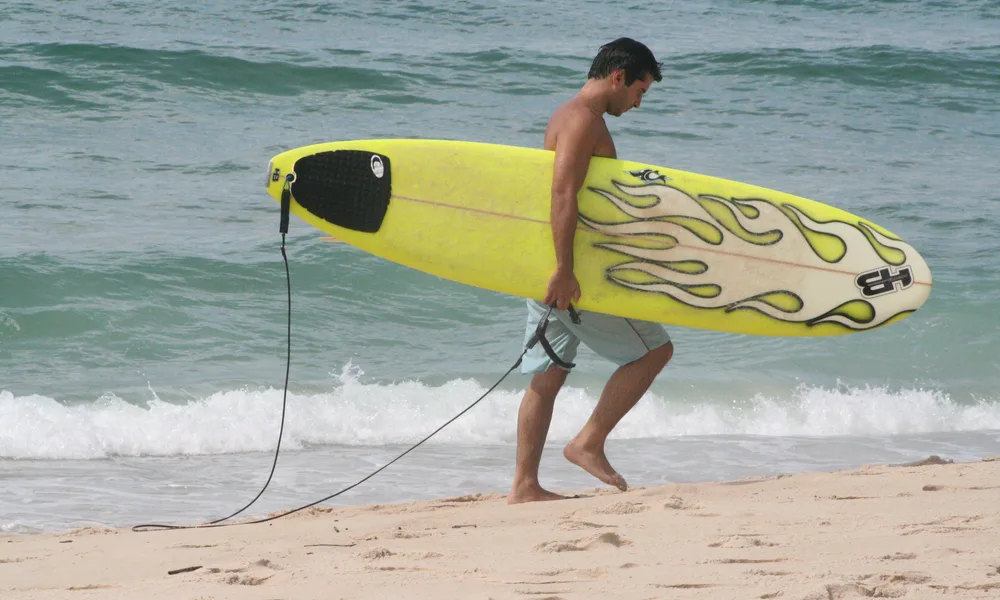
Comparison table: the worst surfers of 2026
| Rank | Surfer type | Worst habit | Who suffers most |
|---|---|---|---|
| 1 | The lineup hog | Sits deepest and takes every set wave | Everyone waiting patiently |
| 2 | The wave snake | Paddles around others to drop in | The surfer already on the wave |
| 3 | The board dropper | Lets go of the board in a crowd | Anyone paddling behind them |
| 4 | The longboard sweeper | Sweeps across the whole wave face | Shortboarders on the shoulder |
| 5 | The beginner at the wrong break | Learns at a fast reef or point break | The whole lineup, and themselves |
| 6 | The big-wave show-off | Charges waves beyond their ability | Rescue crews and nearby surfers |
| 7 | The tow-in thrill-seeker | Brings a jet ski into a paddle lineup | Every paddler in the water |
The worst surfers of 2026
1. The lineup hog: the worst surfer in the water
The lineup hog is the worst surfer of 2026 because the damage is constant and deliberate. This is the surfer who paddles straight to the deepest takeoff spot, sits there all session, and takes wave after wave while a dozen people wait. They know the rotation. They simply do not care about it. At a point break the hog will catch the set waves one after another, leaving the rest of the lineup to fight over the small ones in between. At a beach break they will drift into the peak from the shoulder, again and again, until everyone else gives up and paddles down the beach.
2. The wave snake: paddling around you to steal your wave
The wave snake is the surfer who paddles around the inside of the lineup, positioning themselves closer to the peak than the surfer who has been waiting longest, and then drops in as if the wave were theirs. Snaking is worse than simply dropping in, because it is planned. The snake watches the rotation, waits for the surfer at the front to commit to paddling, and then slips into the gap. By the time the rightful surfer is on their feet, the snake is already riding, and the confrontation happens at speed, in moving water, with hard boards involved.
3. The board dropper: a loose board in a crowd
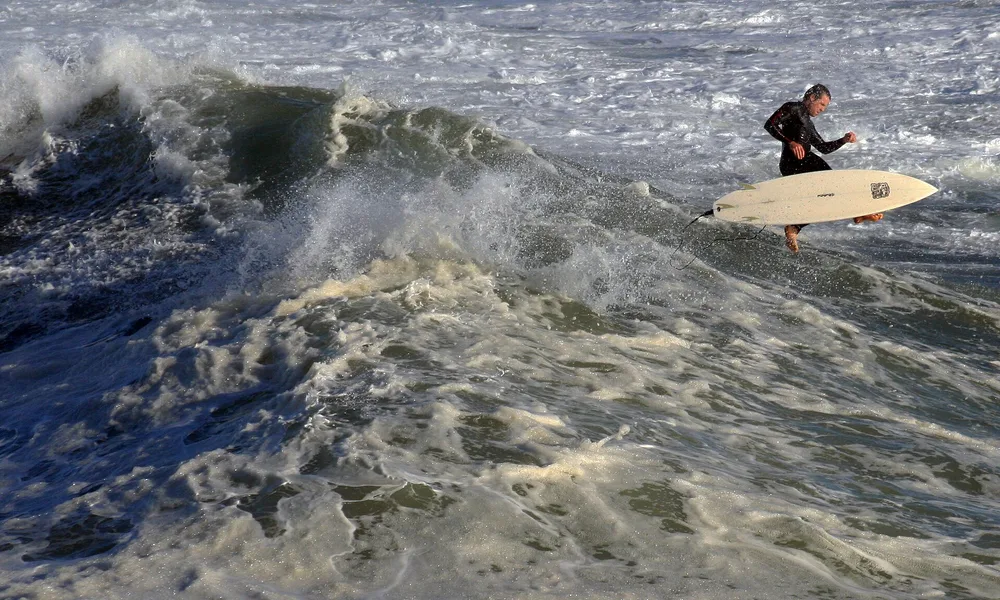
The board dropper is the surfer who lets go of their board whenever a wave gets difficult, trusting the leash to sort it out. In an empty lineup that is a bad habit. In a crowded one it is dangerous. A surfboard pushed by a wave carries real force, and a leash stretched to its limit can snap or slingshot the board back through the takeoff zone. The worst droppers are the ones who ditch the board on purpose, ducking under a wave and letting the board cartwheel towards the surfers paddling out behind them.
4. The longboard sweeper: one board across the whole wave
The longboard sweeper is the surfer who uses a nine-foot board to ride across the entire face of the wave, from the peak to the shoulder and back again, cutting off every shortboarder trying to ride the pocket. Longboards are wonderful boards, and a good longboarder is a pleasure to watch. The sweeper is the opposite: a surfer who treats the length of their board as a right to the whole wave, sweeping wide turns through the section where three other surfers could have ridden.
5. The beginner at the wrong break: learning where they should not be
The beginner at the wrong break is not a bad person, which is exactly why they rank here. This is the learner who turns up at a fast reef break or a busy point on a foam board, or on a hard board they cannot control, and paddles straight into the main takeoff zone. They do not know the rotation, they cannot steer, and they cannot get out of the way. Every other surfer spends the session dodging them instead of surfing, and the beginner spends the session terrified, which is no fun for anyone.
6. The big-wave show-off: charging what they cannot handle
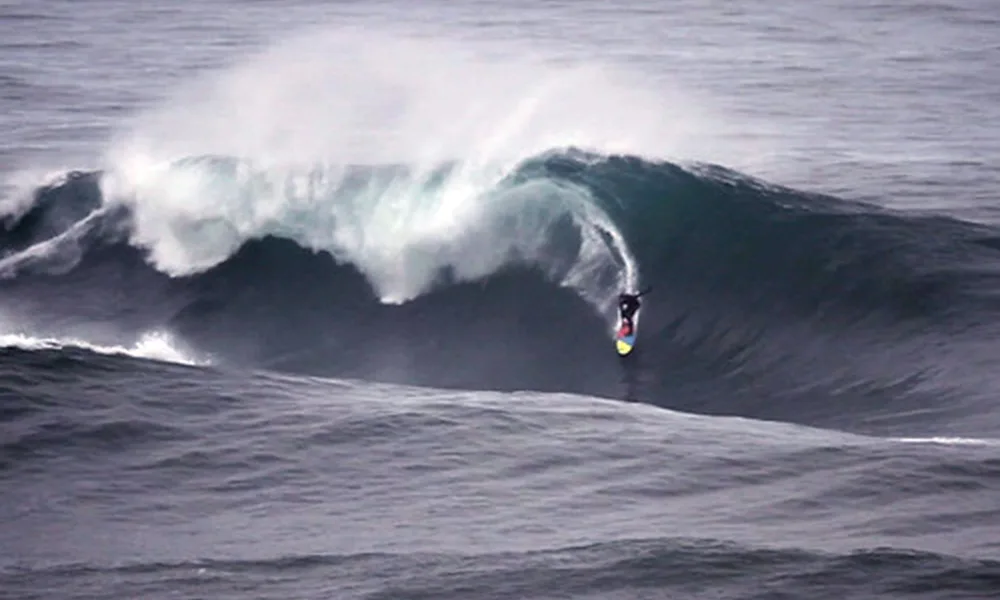
The big-wave show-off is the surfer who paddles out on the biggest day of the year with no experience in heavy water, no safety plan, and no idea how to hold their breath through a two-wave hold-down. They are easy to spot: the newest board, the loudest talk in the car park, and the first person to paddle for a wave that is twice the size of anything they have ridden before. When it goes wrong, and it usually does, the whole lineup stops surfing to watch, and the rescue crew, if there is one, has to risk themselves for someone who chose the risk.
7. The tow-in thrill-seeker: a jet ski in a paddle lineup
The tow-in thrill-seeker brings a jet ski into a lineup full of paddlers, using it to tow into waves that cannot be paddled into, and to shuttle back out again while everyone else paddles. Tow-in surfing has its place, on giant days at outer reefs where paddling is impossible. The thrill-seeker brings it to an ordinary day at an ordinary break, because they want the biggest waves without the wait. The result is noise, exhaust, wash, and a machine the size of a small car moving at speed through a crowd of swimmers.
What to avoid when you share a lineup
The most common mistake in a crowded lineup is not a bad surfer but a bad match: paddling out at the main peak on the best day of the week, on a board you cannot control, without watching the break first. Avoid the trap by checking three things before you paddle out: where the takeoff zone actually is, who has been waiting longest, and whether the break suits your board and your ability. The same checks work on flat water too, and our guide to the worst surfboards for beginners makes the same point about matching the board to the break, because the traps are the same everywhere. And if you want the wider picture, our comparison of the best vs worst surfboards shows how much of surfing comes down to the right board in the right hands, not the loudest surfer in the lineup.
Checklist: avoiding the worst surfers in 2026
- Watch the break for ten minutes from the beach before paddling out, and note who takes every wave.
- Take the quieter peak down the beach when the main peak is crowded with hogs and snakes.
- Never sit directly inside a surfer who drops their board, and keep extra distance when paddling out behind them.
- Learn at a sandy, quiet beach break away from the main takeoff zone, not at a reef or a point.
- Hold the rotation even when others do not, and take your wave when your turn comes.
- Paddle in and report any powered craft in a paddle-only lineup instead of arguing in the water.
Frequently asked questions
Who is the worst type of surfer in 2026?
The lineup hog, because the damage is constant. They sit deepest, take every set wave, and force everyone else to wait or leave, session after session, at every crowded break.
How do I spot a wave snake before they steal my wave?
Watch the lineup from the beach. A snake paddles around the inside of the queue, positioning themselves closer to the peak than the surfer who has waited longest, instead of joining the back of the rotation.
Is dropping your board ever acceptable in a crowd?
No. Hold on to your board through the wave, or duck-dive with it. A loose board in a crowded takeoff zone is a safety hazard, and a snapped leash will not stop it.
Where should a beginner surf to stay out of trouble?
At a quiet beach break with a sandy bottom, away from the main peak. Ask the surfers on the beach where the learners go, and stay there until you can steer and stop reliably.
Are longboarders always a problem at mixed breaks?
No. Good longboarders ride the pocket and respect the rotation. The problem is the sweeper, who rides across the whole face and cuts off every shortboarder trying to ride the same wave.
What should I do if a jet ski enters a paddle lineup?
Paddle in calmly and report it to the lifeguards or the local authority. Most paddle breaks ban powered craft, and arguing with a jet ski driver in the water is never worth it.
Bottom line
The worst surfers of 2026 are the ones who treat a shared lineup as their own: the hog who takes every wave, the snake who steals them, the dropper who endangers everyone behind them, and the show-offs who bring danger and noise to an ordinary day. Watch the break before you paddle out, pick the quieter peak, hold the rotation, and learn in the right place, and the worst surfers will be a story you tell on the beach instead of a session they ruined.