Every year, millions of travellers lose money to the worst travel scams tourists face, and most never see it coming. The scams are rarely dramatic: small, polite, and timed for the moment you are tired, lost, or distracted, which is why even experienced travellers fall for them.
A rigged taxi meter, a fake booking, or a switched restaurant bill can cost hundreds of dollars and hours of stress. The good news is that almost every common travel scam follows a pattern, and once you know it, it is easy to spot.
This guide covers the worst travel scams tourists face, how each one works, what it typically costs, and the simple habits that stop it. None of it requires special equipment, just a few minutes of preparation and a calm head.
Key takeaways
- Most travel scams rely on urgency, friendliness, or confusion.
- Fake taxis, rigged meters, and phantom rentals are among the costliest scams.
- Distraction theft works in teams, so watch your bag when someone is being unusually helpful.
- Book through official channels, and confirm the price before you agree.
- Pay by card where possible, keep booking copies, and report theft to police and your bank at once.
Why Travel Scams Work So Well
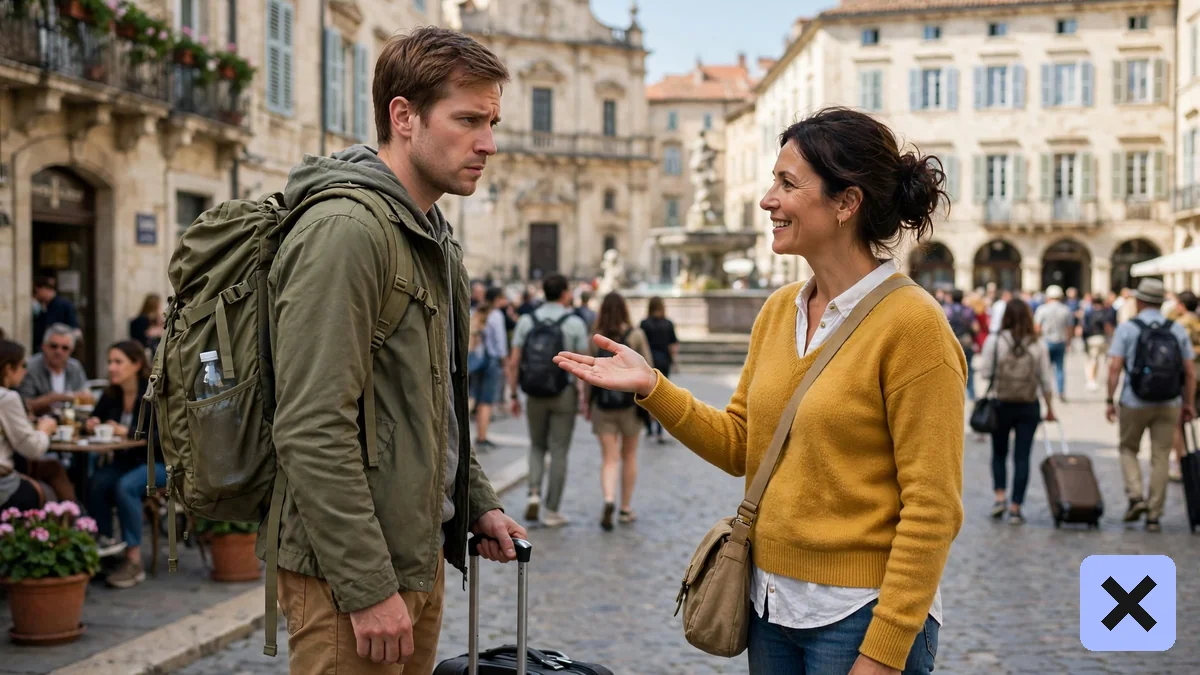
Travel puts you at a disadvantage. You do not know local prices, the normal way things work, or which uniforms are real. You carry more cash than usual, you are often jet-lagged, and you decide quickly in an unfamiliar place. Scammers look for exactly those moments: just off a long flight, outside a station with luggage, or reading a map in a crowd.
The Worst Travel Scams Tourists Face
These are the scams reported most often by travellers. Details change from city to city, but the shape of each trick stays the same.
1. The Fake Taxi and the Rigged Meter
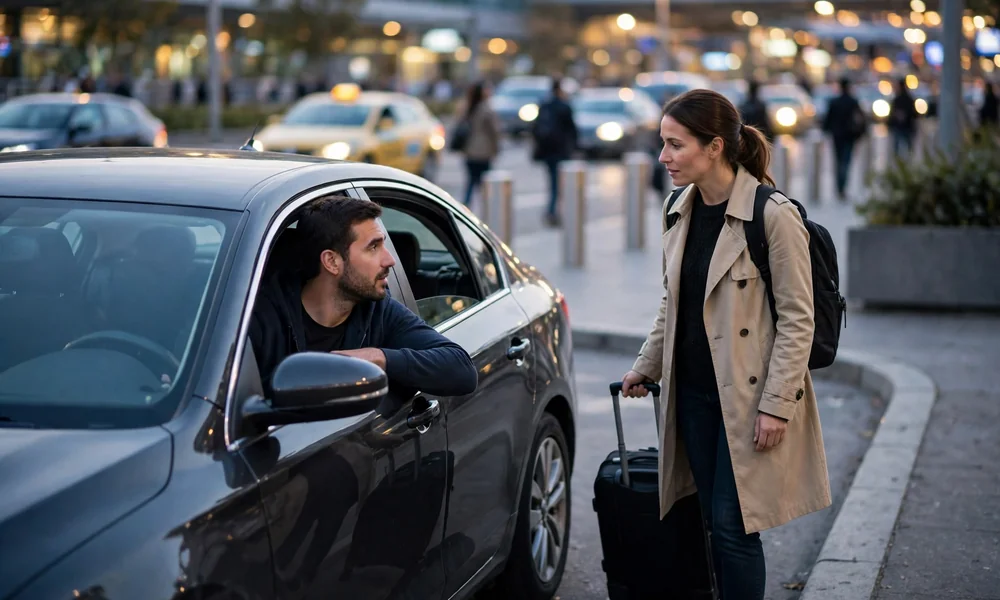
The most common transport scam begins the moment you leave the airport. An unlicensed driver approaches you inside the terminal, offers a cheap fixed price, and leads you to an unmarked car. In the metered version, the driver takes a long route, claims the meter is broken, or switches to a night rate in the middle of the day.
Use the official taxi rank, a licensed ride-hailing app, or a pre-booked transfer. Check the expected fare before you land and confirm the meter is running. If a driver refuses the meter, take the next car.
2. The Distraction Pickpocket Team
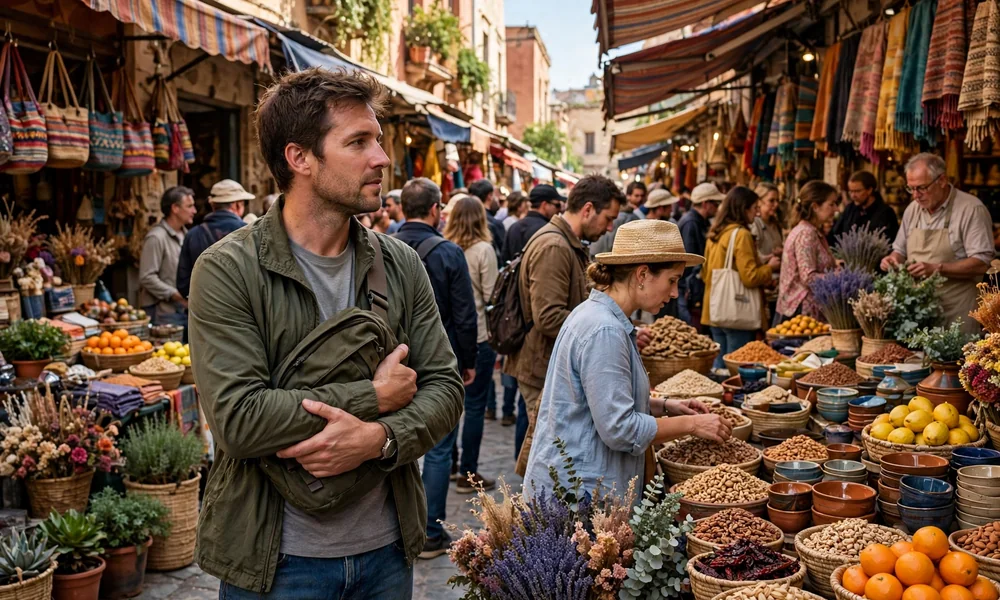
Pickpocketing is rarely a lone thief. It is usually a small team: one person creates a distraction while another takes your wallet, phone, or bag. The distraction can be a spilled drink, a dropped map, a child asking for help, or a stranger who suddenly blocks your path on a crowded escalator. Busy markets, packed metros, and landmark queues are favourite hunting grounds, because crowds hide a set-up as an accident.
Carry your bag in front of you in crowds and keep valuables in a zipped inner pocket. A money belt or a zipped cross-body bag stops most attempts outright.
3. The Fake Hotel, Rental, and Booking Site
Accommodation scams have grown fast because so many trips are booked online. A listing shows a beautiful apartment at half the usual price, the host asks you to pay outside the booking platform to secure it, and the property either does not exist or belongs to someone else. Fake booking sites copy the look of a real hotel website, take your payment, and send a convincing confirmation; travellers only discover the fraud on arrival.
Book through well-known platforms, never pay outside them, and be wary of listings far cheaper than similar properties nearby. Check for reviews from different dates and confirm the booking with the hotel directly. Choosing where to stay is a big decision, so read a careful comparison of hotels and Airbnb for long stays before you commit.
4. The Closed Attraction and the Expensive Detour
This scam starts with a friendly local telling you that the museum, temple, or palace you want to visit is closed today for a holiday or cleaning. The same person then offers to take you to a different attraction or shop instead, usually by tuk-tuk or taxi with an inflated fare. The detour usually ends at a shop that pays the driver commission, and the attraction was open all along.
Check opening hours yourself and walk to the entrance before accepting advice about closures. Genuine staff wear identification and work inside the attraction, not on the pavement outside it.
5. Currency Exchange and Card Skimming
A street money changer offers a rate far better than any bank, then counts the notes quickly, uses sleight of hand, or hands over smaller bills than agreed. A rigged cash machine or card terminal copies your card details, and a waiter who takes your card out of sight can clone it just as easily. Losses are often discovered days later, when the bank statement arrives.
Exchange money only at banks or licensed offices, count your cash before you walk away, and never let your card out of your sight. Use cash machines inside banks and set up transaction alerts so unexpected charges are flagged immediately.
6. Fake Wi-Fi and Charging-Station Traps
Free public Wi-Fi is a gift to scammers. A network with a name that looks like the hotel or airport network can be run by anyone nearby, and once you connect, your unencrypted traffic, logins, and messages can be intercepted. Fake charging stations and public USB ports can also be modified to access data from your phone while it charges. Everything looks normal: the network name is familiar and the signal is strong.
Use your own mobile data for anything sensitive and treat every public network as untrustworthy. A portable charger removes the need for public USB ports, and a virtual private network adds protection.
7. The Switched Menu, the Inflated Bill, and the Mustard Trick
Restaurant scams are quieter than most, but they add up. A menu shows one price and the bill shows another. A dish you never ordered appears on the total, a bottle of house wine is charged at the price of a vintage bottle, or the bill arrives in a different currency with a terrible exchange rate applied. In the mustard trick, someone stains your clothes while an accomplice takes your bag.
Always check menu prices before ordering, ask for an itemised bill, and question anything you did not order. If someone stains your clothes, deal with it yourself rather than accepting help from a stranger.
8. The Fake Police Officer and the On-the-Spot Fine
Perhaps the most frightening scam involves someone posing as a police officer. They claim you have broken a local rule, demand to see your passport, and insist on an immediate cash fine that must be paid on the spot. Real police officers in most countries do not collect fines in cash on the street, and they do not ask to hold your passport as leverage.
Stay calm, ask to see identification, and say you would prefer to settle the matter at the nearest police station. Do not hand over your passport or wallet. If the person insists, walk to a busy public place and call the local emergency number.
| Scam | How it works | Typical cost | How to spot it |
|---|---|---|---|
| Fake taxi / rigged meter | Unlicensed car or inflated fare | $30–$100 extra | No meter, no markings, no taxi rank |
| Distraction pickpocketing | Team creates a distraction | Wallet, phone, or bag | Sudden crowding or a stranger touching you |
| Fake booking or rental | Payment outside the platform | Full deposit lost | Price far below market, no reviews |
| Closed attraction trick | Fake closure, costly detour | $20–$80 in fares and shopping | Advice given on the street, not at the gate |
| Currency and card fraud | Short-changing or skimming | $50–$500 or more | Rates too good to be true, card out of sight |
| Fake Wi-Fi / USB trap | Malicious network or port | Stolen logins and data | Unfamiliar network, open USB charging |
| Inflated bill | Switched prices or extra items | $10–$60 per meal | No prices on the menu, no itemised bill |
| Fake police fine | Threat of arrest, cash fine | $50–$200 | Cash demanded on the street |
How to Protect Yourself Before You Travel
Most travel scams can be stopped before you leave home, and the preparation takes less than an hour. Research your destination first: learn the normal airport taxi fare, meal prices, and the common scams in that city.
Pack with security in mind. A cross-body bag, a money belt, and a lock for your luggage make you a harder target. The worst summer holiday packing mistakes are a useful reminder that what you bring matters as much as where you go. Photograph your passport, insurance, and bookings, store the copies securely, and carry a photocopy while the original stays in your hotel safe. Where you sleep matters too: if your trip includes mountain country, weighing up a cabin versus a hotel for mountain trips can help you pick the option that suits you.
Finally, tell your bank where you are travelling and set up transaction alerts, so fraud is flagged within minutes instead of days.
Travel Safety Checklist
- Check the official airport taxi fare and rank location before you land.
- Book stays and tours through official platforms only.
- Keep your bag zipped and in front of you in crowds.
- Carry a photocopy of your passport and keep the original locked away.
- Use mobile data or a VPN for banking and email.
- Ask for an itemised bill and check every charge.
What to Do If You Have Been Scammed
First, stay calm and get to a safe place. Do not chase the scammer or argue at the roadside: it rarely recovers your money and can put you in danger. Note the time, the place, and any details you remember, such as a taxi number or a shop name.
Report the theft to local police and get a written report for your insurance claim. Freeze compromised cards at once, change passwords for accounts used on a suspicious network, and contact your insurer and embassy if your passport was stolen.
Frequently Asked Questions
What is the most common travel scam in the world?
Fake taxis and rigged meters, because almost every traveller needs airport transport. Distraction pickpocketing in crowded tourist areas is a close second, followed by fake accommodation listings.
Are travel scams dangerous or just expensive?
Most are expensive rather than dangerous, but risk rises if you are led somewhere isolated or pressured by a fake official. If a situation feels unsafe, leave and seek help in a busy public place.
How can I tell if a taxi is legitimate?
Use the official taxi rank or a licensed ride-hailing app. A legitimate taxi has clear markings, a visible licence number, and a working meter.
Should I carry cash or use cards while travelling?
Use cards for most spending, since they leave a trail and can be frozen quickly, but carry a little local cash for markets and tips, split between your wallet and a secure inner pocket.
What should I do if a stranger offers to help me?
Accept directions politely, but be cautious if help turns into an offer of a tour, a shop, or a ride. Genuine help is brief and free; if someone is unusually persistent, thank them and walk away.
Can travel insurance cover money lost to a scam?
Many policies cover stolen belongings and fraudulent card use if you report promptly to police and keep the report and receipts. Cash cover is usually limited, so check your policy terms before you travel.

The Bottom Line
The worst travel scams tourists face all work the same way: they exploit tiredness, confusion, and trust. You do not need to be suspicious of everyone you meet. Just slow down when something feels rushed, confirm prices before you agree, and keep your valuables close in crowds. Do those few things, and the scams that catch so many travellers will pass you by.