The worst hotel room views can ruin a decent stay before you have unpacked. You open the curtains expecting a skyline or a sea, and instead you face a brick wall, a noisy car park, or humming air-conditioning units. The room may be clean and the bed comfortable, but a bad view colours the trip.
Hotels know this, which is why booking-site photographs show the best room in the building, taken from the best angle. The room you actually get is often a different story, especially on the cheapest rate or a low floor. A bad view is rarely grounds for a refund, but it is one of the most common reasons travellers leave a hotel feeling short-changed.
This guide covers the worst hotel room views, why they happen, how to spot them before you book, and what to do about a bad view once you have checked in.
Key takeaways
- The most common bad views: brick walls, car parks, highways, construction sites, and rooftops full of air-conditioning units.
- Low floors, rear-facing rooms, and the cheapest rates have the worst views.
- Booking photos show the best room, not yours: read recent guest reviews and traveller photos before booking.
- Asking politely at check-in for a higher floor or a different side of the building often works, especially if the hotel is not full.
- A bad view is annoying, but a noisy or dark room is worse: judge the whole room before asking for a move.
What Counts as a Bad Hotel Room View
Not every view without a sea or a skyline is bad. A quiet street or a courtyard can be fine. A bad view actively makes the room worse: it blocks the light, kills your privacy, brings noise, or makes you feel boxed in.
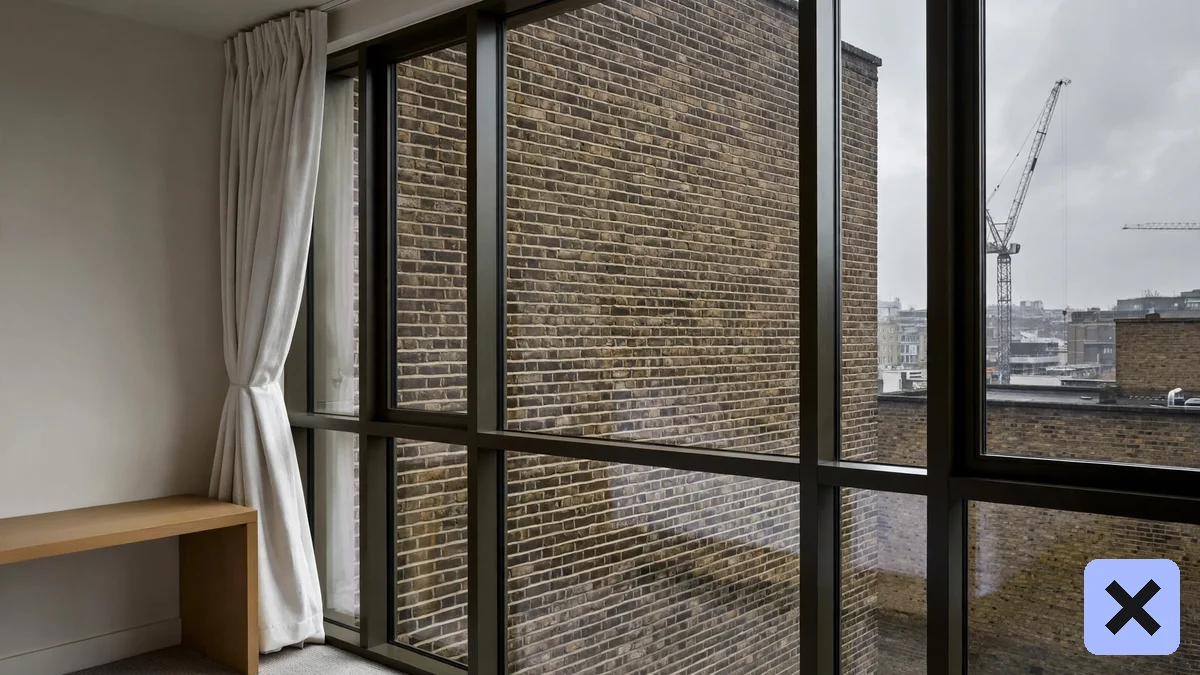
The classic offender is the brick wall: rooms on lower floors can face a blank wall a few metres away, leaving the room dim all day with nothing to look at but weathered brick. Car parks and service yards come next, with cars arriving at all hours and headlights sweeping the ceiling at night. Rooms facing bin stores and kitchen vents add smells. These rooms also get the least light and the most noise, so judge the whole room, not just the glass.
The 10 Worst Hotel Room Views
Some bad views are merely dull; others are genuinely miserable. Here are the ten worst.
1. A Blank Brick Wall
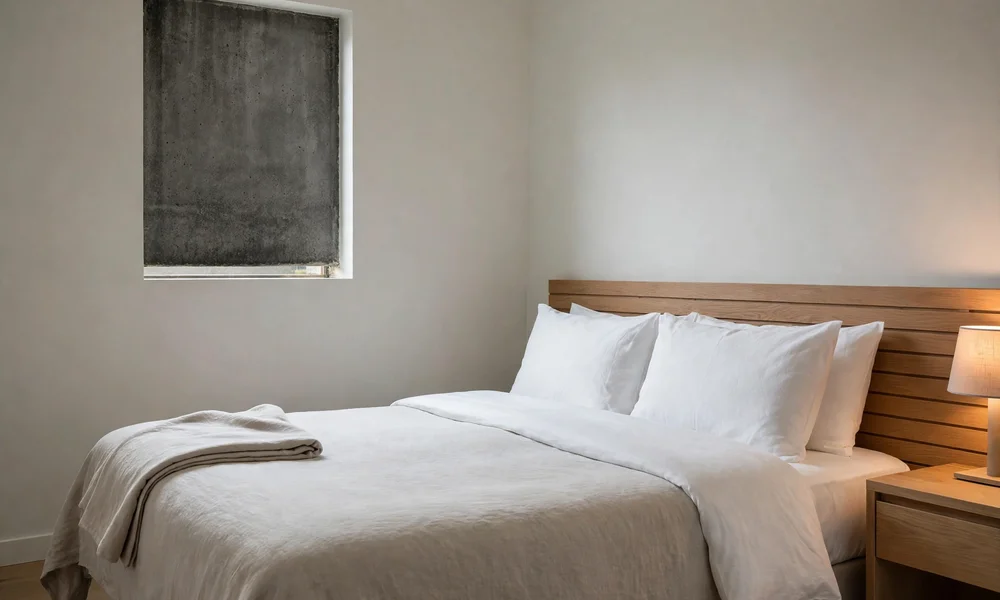
The undisputed champion: a window onto a wall so close you could almost touch it, with no daylight and no sky. Common in older city hotels and converted buildings.
2. A Car Park
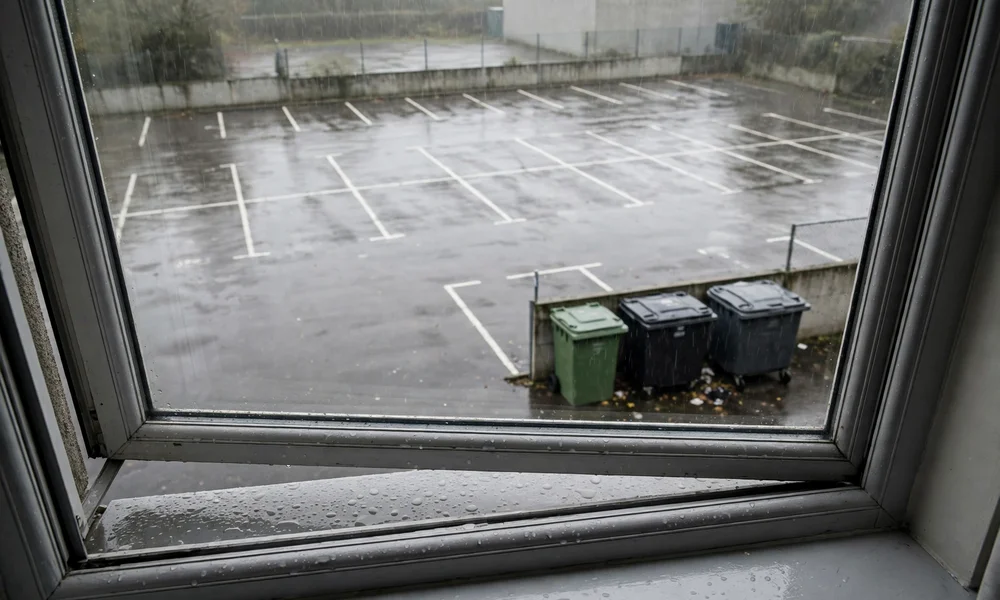
Endless parked cars, headlights sweeping the room at night, engines starting before your alarm. The visual equivalent of hold music: not offensive, just relentlessly dull.
3. A Busy Highway
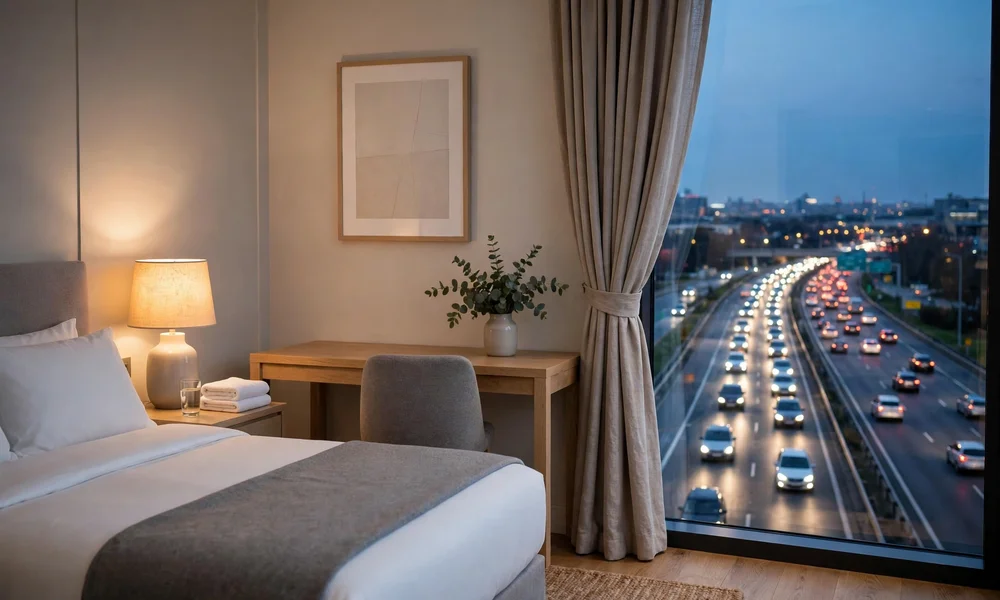
A bad outlook with constant noise. Traffic never stops, sound seeps through even good double glazing, and the view is a river of tarmac and tail lights. Cheap for a reason: the road outside.
4. A Construction Site
Cranes, scaffolding, half-built concrete, and workers in high-visibility jackets, plus early starts, drilling, and dust. Check the work is still active before you book.
5. Rooftop Air-Conditioning Units
Cheaper rooms often face the roof of a lower wing: vents, pipes, and humming metal boxes radiating heat in summer. If your window looks over a flat roof, you have drawn the short straw.
6. Bins and Loading Bays
The service side is not designed to be looked at: bins, delivery trucks, and kitchen staff on breaks, with kitchen smells drifting in when the window is open. Usually at the back, on the lowest floors.
7. Another Hotel Room’s Window
Some hotels face each other across a narrow gap, so your window looks into someone else’s room. Both sides keep curtains closed, neither gets light, and the view is a stranger’s curtains.
8. A Blank Concrete Tower
In dense city centres, a room can face the featureless concrete side of a tower block: no windows, no street life, just grey concrete. The most depressing view of all.
9. Scaffolding and Netting
When a building is being repaired, scaffolding and netting can cover the windows for weeks. Your view becomes a mesh screen and daylight drops by half. Hotels rarely warn guests, so ask before you arrive if recent photos show the building wrapped up.
10. A Neon Sign
A flashing neon sign might sound fun for one night, but by the second night the coloured light pulsing through the curtains is a nuisance. Worst are bars and fast-food outlets, especially if lit until the early hours.
Why Hotels Sell Rooms With Terrible Views
Hotels do not set out to give guests a bad view, but some are inevitable. A hotel has a fixed number of rooms, and not all can face the sea or the skyline. Rooms facing the back or the neighbouring building still have to be sold, so they are priced lower and marketed with photographs of the hotel’s best rooms.
The cheapest room type is usually the one with the worst view, the lowest floor, or the smallest window. The booking site will call it a standard room, and the photographs will show a generic room much like every other. The view is rarely mentioned, which is exactly the point. The setting matters too: a property with open grounds has fewer ways to give you a bad outlook. If you are weighing up trips, our comparison of a cabin vs hotel for mountain trips shows how the setting changes what you get for your money.
The Booking Site Problem
Booking platforms make it worse: they show professional photographs of the best rooms and rarely label which room type gets which view. Guest reviews are the best counterweight, since travellers who got a bad view tend to mention it, and traveller photos are far more honest than the official gallery. Before booking, filter reviews for view, window, noisy, and dark.
How to Avoid the Worst Views
Avoiding a bad view starts before you pay. Read recent reviews, not the overall score: a hotel can have a four-star average and still have a dozen rooms with terrible views. Search reviews for the word view and read what guests say about the rooms they were given. Then look at the room types: if the cheapest room promises a limited view or a courtyard view, or mentions no view at all, that is your warning. Paying a little more for a named view or a higher floor is often the best money you will spend on the trip. A beach hotel is a different calculation, and our guide to a hotel vs resort for a beach holiday explains how a property’s layout affects the view from your room.
Ask Before You Book
If the view matters, message the hotel before booking and ask which rooms face the car park, the road, or the next building. Hotels usually answer honestly, and the reply gives you something in writing if the room you get does not match what was promised. Ask for a high floor away from the road. Finally, beware deals promising a mystery room or a heavily discounted rate with no room choice: these are often how hotels fill their worst rooms, and the worst travel scams tourists face include several booking tricks that leave travellers stuck with rooms they would never have chosen.
What to Do When the View Is Awful
If you open the curtains and find a wall, a car park, or a building site, do not just accept it. Go back to reception and ask politely whether another room is available. Hotels move guests between rooms all the time, and if the hotel is not full, a move is often a five-minute job. Ask at check-in, before you have unpacked, and be specific: a higher floor, a room on the other side, or a room away from the road. Vague complaints get vague answers. If you booked a named view and were given something else, say so directly. If no room is available, ask for a change the next morning, a late checkout, or a small discount.
When the Room Is Also Noisy or Dark
A bad view becomes a genuine problem with noise, darkness, or no privacy. A room facing a wall with no daylight is a poor room, not just a room with a poor view. Push harder for a move: a bad view is a disappointment, but a room you cannot sleep in is a failed booking.
Worst Hotel Room Views Compared
Not all bad views are equal: some are merely boring, while others bring noise, darkness, or smells. This table compares the most common ones.
| View | Daylight | Noise | Privacy | Can it be fixed? |
|---|---|---|---|---|
| Blank brick wall | Very poor | Low | Good | Ask for another floor |
| Car park | Fair | Moderate | Fair | Ask for the other side |
| Busy highway | Fair | Very high | Good | Ask for another side |
| Construction site | Fair | Very high | Poor | Ask to move |
| Rooftop units | Fair | Moderate | Good | Ask for a higher floor |
| Bins and loading bay | Poor | Moderate | Fair | Ask for the front |
| Neon sign | Fair | Low | Good | Ask for another side |
Checklist: Avoiding a Bad View
Use this checklist before you book, and again at check-in.
- Search recent reviews for view, window, noisy, and dark.
- Look at traveller photos, not just the official gallery.
- Check the hotel on a satellite map to see what surrounds it.
- Pay a little more for a named view or a higher floor if the view matters.
- Email the hotel and ask which rooms face the car park or the road.
- At check-in, open the curtains before unpacking and ask for a move if the view is bad.
Frequently Asked Questions
Can I get a refund for a bad view?
Usually not, unless the room was sold with a specific view you did not get. A bad view on a standard room is treated as taste, not a fault. If you paid for a sea view and got a wall, you have a case for a move or refund.
Which floor has the best hotel room views?
Higher floors usually mean better views, more daylight, and less street noise, but the top floor is not always best: sometimes it faces a neighbouring roof, while a mid-level floor has the better outlook.
Are car park views always bad?
Not always. On a high floor, away from the entrance, a car park view can be fine for a short stay. The worst are on the ground or first floor, where headlights are right outside your window.
How can I tell if a room has a bad view before booking?
Read recent reviews, look at traveller photos, and check the hotel on a satellite map. If reviews mention a wall, a car park, or a building site, take it seriously: limited view means a poor outlook.
Should I ask for a room change if the view is bad?
Yes, always ask. Hotels move guests daily, and a polite request at check-in often works if the hotel is not full. Ask for a specific alternative, such as a higher floor or the other side.
Do expensive hotels ever have bad views?
Yes. Price buys a better room on average, but even luxury hotels have rooms facing a wall, a roof, or a service yard. The difference: an expensive hotel is more likely to move you when you ask.
The Bottom Line
The worst hotel room views are a brick wall, a car park, a busy highway, a construction site, and a rooftop full of humming machinery, most common in the cheapest rooms on the lowest floors. A few minutes of research before you book will save you from most of them. And if you open the curtains to a wall, ask for a move before you unpack: it costs nothing, and it often works.