Worst Vampire Movies 2026
The worst vampire movies of 2026 do not fail because vampires are hard to film. They fail because the films forget what makes a vampire frightening: a creature that looks human, wants something it cannot have, and pays a price for living forever. A good vampire film needs only three things: a monster with rules, a human worth caring about, and a reason for immortality to feel like a curse.
This is not a list of individual titles to shame. Vampire cinema is a genre of types, and the same bad types keep returning under new names. Below, the worst kinds of vampire movies are ranked by how badly they fail, from the tired cliché that wastes an evening to the misfire that makes you switch the film off halfway through.
Key takeaways
- The worst vampire movies of 2026 fail on the basics: vampires with no rules, humans nobody cares about, and scares that arrive on a schedule instead of being earned.
- Sparkly romance is not the problem: the problem is a film that treats the vampire as a boyfriend first and a monster never.
- Found-footage vampire films fail most often, because a shaky camera and screaming in the dark hide a script with no second act.
- Comedy-horror vampire films are the riskiest type: when the jokes land, they are delightful, and when they miss, the film is neither funny nor frightening.
- Use the warning signs in this guide before you press play: a trailer that shows every bite, a vampire with no weakness, and a castle like a school hall.
Why vampire films go wrong more often than other horror
Vampire films look easy to make, and that is exactly why so many of them go wrong. The ingredients are cheap: a dark room, fake teeth, a cape, and a fog machine. But the genre is unforgiving about its own rules. A ghost film can hide behind atmosphere, yet a vampire film puts its monster on screen in candlelight, in close-up, talking, for two hours. There is nowhere to hide a weak script, or a vampire that does not convince.
The deeper problem is that the vampire is the most over-explained monster in cinema. Every audience already knows the rules: sunlight, stakes, garlic, mirrors, invitations. A bad vampire film either ignores those rules without replacing them, which makes the monster feel random, or it spends an hour explaining new rules nobody asked for. The best vampire films pick a few rules, keep them, and let the characters live inside them. The worst ones treat the rules as decoration, changing them whenever the plot gets stuck.
The worst types of vampire movies, ranked
These eight types cover almost every bad vampire film you will meet.
1. The sparkly-romance swoon
The sparkly-romance swoon is the oldest bad vampire film of the modern era, and it refuses to die. A teenage girl meets a centuries-old vampire who looks seventeen, and the film spends two hours on longing glances and forbidden love, with a monster who is dangerous only in the way a bad boyfriend is dangerous. The vampire never frightens anyone, never truly hungers, and never pays for immortality. Romance can work in a vampire film, but only when the monster stays a monster. This type removes the teeth first and then wonders why the story has no bite.

2. The found-footage fang mess
Found footage was supposed to make vampire films feel real. In this type, it makes them unwatchable. The camera shakes so hard you cannot tell who is running from what, the sound is mostly breathing and shouting, and the plot is a group of friends filming themselves exploring a house they were told to avoid. The deeper problem is structure: with no narrator and no way to skip the boring parts, the audience sits through long stretches of people walking through corridors. When the vampire finally appears, it is a blur in the corner of the frame.
3. The comedy-horror misfire
A vampire comedy that works is a joy, which is why the misfire hurts. This type tries to be funny and frightening at the same time and achieves neither. The jokes are usually the same three gags: a vampire confused by modern technology, a victim joking while someone is bitten, and a pop-culture reference that was already dated when the film was shot. The horror evaporates because nobody on screen seems scared, and the comedy evaporates because the jokes are shouted rather than earned.
4. The low-budget gothic that cannot afford the dark
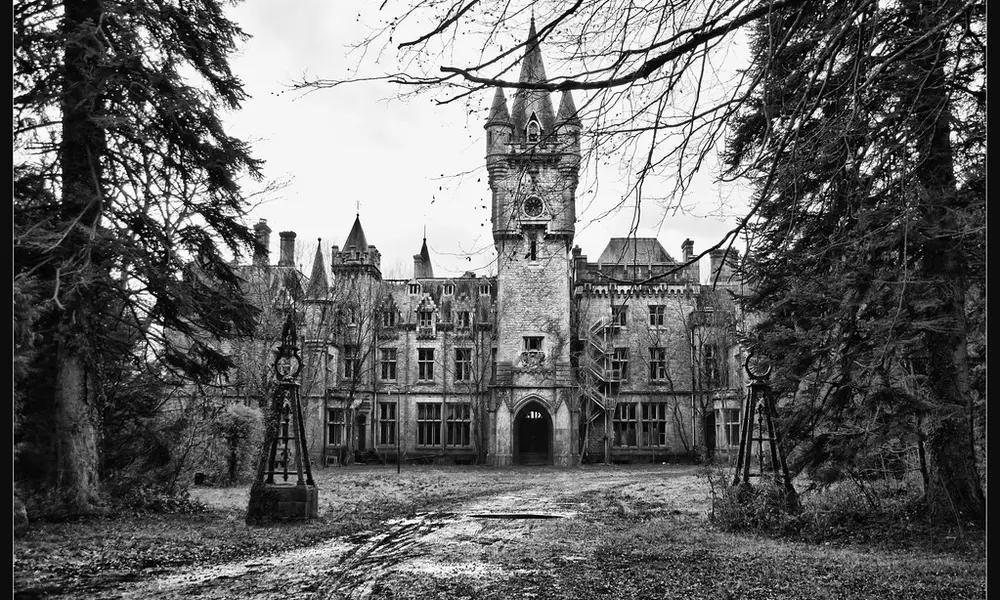
Gothic atmosphere is the vampire film’s greatest weapon, and this type wastes it. The castle is clearly a school hall with curtains, the fog machine gives up halfway through, and the night scenes are shot in daylight with a blue filter. Great vampire films have been made for very little money, so the problem is the ambition gap: the film wants candlelit grandeur and delivers a draughty room with a plastic chandelier. Every scene reminds the audience they are watching a set, and a vampire that cannot convince you of its castle cannot convince you of anything else.
5. The origin-story slog
Every vampire needs a beginning, but nobody needs a two-hour lecture. This type opens in a laboratory, a medieval village, or a corporate boardroom, and spends its first hour explaining the curse in scenes full of people pointing at old books and blood samples. The slog fails because explanation is the enemy of dread. The scariest vampires are the ones whose past is a mystery. When a film explains everything up front, it removes the mystery and replaces it with jargon, and the vampire stops being a monster and becomes a medical condition.
6. The sequel that forgets its own rules
Vampire sequels have one job: keep the rules of the first film. This type fails the first half of that job. Vampires that burned in sunlight now stroll through it, garlic that was deadly is ignored, and a cure that was impossible is discovered in a montage. The audience spends the whole film noticing the contradictions instead of enjoying the story. Once the rules stop mattering, nothing matters, because a monster with no limits is not frightening, it is just a plot device with fangs.
7. The CGI bat-swarm spectacle
This type spends its budget on thousands of digital bats pouring across a night sky, and nothing on the people running from them. The transformation scenes are long, loud, and expensive, and then the audience realises they do not know anyone’s name, anyone’s goal, or why any of this matters. Big vampire spectacle works when the camera stays close to someone you care about, so the scale feels personal. Here the bats become weather: impressive for a minute, then boring. The vampire stops being scary because it stops being specific.

8. The self-serious lore epic
The worst type of all mistakes mythology for story. Ancient councils, bloodline prophecies, rival clans, and centuries of politics fill three hours, and not one scene is about a person you care about. The film is so busy explaining its own world that it forgets to put a story in it. Every character speaks in riddles, every scene ends with a revelation about a war that happened five hundred years ago, and the vampire at the centre is less a monster than a middle manager in a cape. Here there is no fear, no romance, and no fun, only homework.
Worst vampire movie types compared
| Type | Main flaw | Why it fails | Watch as |
|---|---|---|---|
| Sparkly-romance swoon | No monster left | Romance without fear | Skip it |
| Found-footage fang mess | Shaky, structureless | No second act, no payoff | Skip it |
| Comedy-horror misfire | Jokes and scares both miss | Neither funny nor frightening | Curiosity only |
| Low-budget gothic | Cannot afford the dark | The set breaks the spell | Skip it |
| Origin-story slog | Too much explanation | Mystery replaced by jargon | Skip it |
| Rule-forgetting sequel | Contradicts itself | Nothing matters if rules change | Skip it |
| CGI bat-swarm spectacle | Spectacle over story | Bats become weather | Skip it |
| Self-serious lore epic | Mythology instead of story | Homework, not horror | Skip it |
Warning signs of a bad vampire movie
You can often spot a bad vampire film before the credits finish. First, a trailer that shows every bite: if the best moments are in the advertisement, the film has nothing left to surprise you with. Second, a vampire with no weakness at all, because a monster that cannot be hurt cannot be feared. Third, a castle that looks like a school hall, which tells you where the money was not spent.
Other signs are quieter. If the first twenty minutes are mostly people driving, walking, or sitting in a car park, the film is stalling. If a character explains the vampire curse in a long speech while the vampire waits politely outside, the film cares more about its own cleverness than about tension. And if the poster shows a huge digital bat swarm and no human face, the film is telling you where its priorities are. For the wider picture, the worst horror movies of 2026 show the same failure patterns across the whole genre, the worst zombie movies of 2026 rank bad types the same way, and the worst romance movies of 2026 explain what happens when the love story swallows the monster whole.
Bad vampire movie night checklist
- Pick one type from this list, not one film: knowing the type tells you what to expect.
- Watch with friends, because the worst vampire films only work as shared comedy.
- Check the runtime first, because the worst types feel twice as long as they are.
- Agree on a rule before you start: nobody is allowed to take the film seriously.
- Keep a good vampire film ready for afterwards, so the evening ends well.
- Switch off without guilt if the first twenty minutes show three warning signs.
Frequently asked questions
What is the worst type of vampire movie?
The self-serious lore epic is the worst type, because it removes the one thing every other bad type still has: a reason to keep watching. It offers nothing in return for your evening, not even a joke or a scare.
Are any bad vampire movies worth watching?
Yes, a few. The comedy-horror misfire is the most watchable bad type, because a failed joke is still funnier than a failed scare, and the sparkly-romance swoon can work as background viewing with friends.
Why do bad vampire movies keep getting made?
Vampire films are cheap to produce and have a loyal audience, so filmmakers keep taking chances on weak scripts. A vampire film can profit on streaming alone, before word of mouth spreads.
What makes a vampire movie good instead of bad?
A vampire with clear rules, a human the audience cares about, and a reason for immortality to feel like a curse. The best vampire films use the monster as a pressure test for ordinary people.
Are romantic vampires or scary vampires better?
Neither is better on its own. A romantic vampire works when the danger stays real, so the love has something to cost, and a scary vampire works when the film gives it a human weakness.
How can I avoid wasting an evening on a bad vampire movie?
Watch the trailer with the sound off to see whether the images alone are interesting, check whether the first reviews mention characters or only effects. If a vampire film has no early audience buzz, that silence is usually a review in itself.
The bottom line
The worst vampire movies of 2026 show that the oldest monster in cinema is the easiest to get wrong. Keep the rules, keep the danger, and keep one human worth saving, and the fangs take care of themselves. Spend your evening on a film that respects your time.