
Worst VR Games 2026: The Virtual-Reality Types That Waste Your Money and Your Balance
The worst VR games of 2026 are not the ones with the plainest graphics or the smallest worlds. They are the virtual-reality titles that take your money, your living-room floor and your stomach and give almost nothing back: the showcase that makes you queasy in ten minutes, the tech demo sold at full price, the flat-screen port that never learned how to be a VR game at all. This guide ranks the worst types of VR game you can buy in 2026, what goes wrong with each, and what to play instead. VR games here means virtual-reality titles played inside a headset, not the hardware itself and not competitive titles.
Key takeaways
- The worst VR games of 2026 fail on comfort first: if a game makes you seasick in ten minutes, nothing else about it matters.
- A headset novelty is not a game: five minutes of wonder with no levels, no story and no reason to return is a demo, not a purchase.
- Flat-screen ports dumped into VR are the laziest buys of the year, with menus, cameras and controls that were never redesigned.
- Dead multiplayer lobbies turn a social VR game into an empty room, so check the player count before you pay, not after.
- Before you buy, watch unedited headset footage, check the comfort rating and the refund window, and clear your play space first.
How the worst VR games of 2026 were ranked
Every type below was scored on five measures. First, comfort: does an hour of play leave you fine, or reaching for the headset strap and a glass of water? Second, depth against novelty: is there a real game under the headset trick, or only a first impression? Third, value for money: does the price match the hours and the content, or does a ninety-minute experience cost as much as a full game? Fourth, controls and design: were the menus, movement and interactions built for VR, or bolted on from a flat-screen game? Fifth, longevity: is there a reason to put the headset on again next week?
Two notes before the list. First, no single game is named as the worst, because the same broken patterns appear across many releases, and what matters is learning to recognise them before you pay. Second, this ranking covers VR games, meaning virtual-reality titles played inside a headset, not VR headsets themselves: our guide to the worst VR headsets of 2026 ranks the hardware separately, and our ranking of the worst video games of 2026 covers the flat-screen patterns these VR types grow out of. The same logic applies across gaming, and our guide to the worst mobile games of 2026 ranks types and patterns the same way, so you can spot a dud before it costs you an evening.
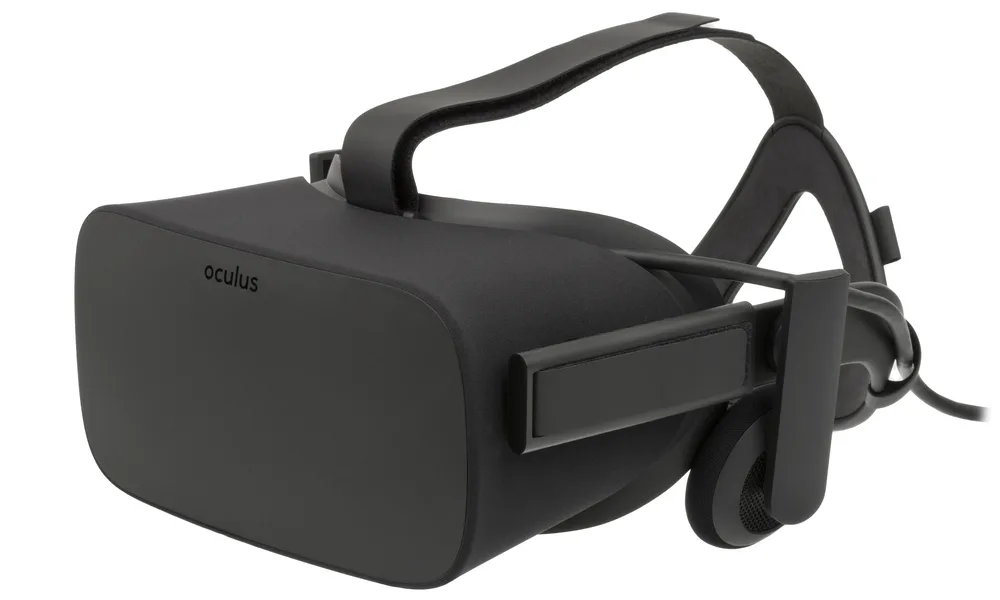
Comparison table: the worst VR games of 2026
| Rank | Game type | Biggest flaw | Who gets hurt most |
|---|---|---|---|
| 1 | Motion-sickness showcases | Nausea within minutes | Anyone prone to motion sickness |
| 2 | Tech-demo shells | Five minutes of wonder, no game | Curious first-time buyers |
| 3 | Blurry flat-screen ports | Controls never rebuilt for VR | Players expecting a real VR version |
| 4 | Dead-lobby multiplayer games | No one left to play with | Social players and late buyers |
| 5 | Wave-shooter clones | Same arena, new skin | Anyone who owns two of them |
| 6 | Cable-and-room-scale chores | Needs a warehouse and a babysitter | Players in ordinary living rooms |
| 7 | Overpriced short experiences | Ninety minutes at full price | Story lovers on a budget |
The worst VR games of 2026
1. Motion-sickness showcases: queasy in ten minutes
The motion-sickness showcase is the worst type of VR game in 2026 because it fails the one test no VR game can skip: it has to be comfortable to wear. The game opens with smooth turning, fast movement and a camera that swoops and rolls, and for the first few minutes it feels thrilling. Then your stomach catches up with your eyes. Your eyes say you are running while your body says you are standing still. The result is a game you cannot finish, however good the idea underneath might be,
2. Tech-demo shells: five minutes of wonder, no game
The tech-demo shell is built around a single trick: pick things up with your hands, throw a ball, or watch something enormous walk past you. For the first five minutes it genuinely is wonderful, and that is the trap. Once the wonder wears off there is nothing underneath: three small rooms, a handful of objects and a checklist that takes less time than the download. The worst treat the novelty as the game, charge full price for it, and leave you with an expensive demonstration you finished in one sitting. If the store page shows the same single moment in every screenshot, that is the whole game.
3. Blurry flat-screen ports: a game that never learned VR
The blurry flat-screen port takes a game designed for a television and a controller and drops it into a headset with the smallest possible changes. The menus float at an awkward distance and are hard to read, the camera swings in ways that suit a thumbstick but not a human neck, and the interactions are still button presses where your hands should be doing the work. A real VR version rebuilds its interface, its movement and its puzzles around your hands and your head. A port just straps a screen to your face and charges you for the privilege,
4. Dead-lobby multiplayer games: an empty room with a headset on
The dead-lobby multiplayer game is a social VR game with no society left in it. At launch it may have been busy, with full lobbies, voice chat and matches starting in seconds. Then the players drifted away, and now the lobby is a waiting room: the same handful of names, matches that never fill, and a queue timer that climbs while you stand alone in a virtual room. Before you buy any VR multiplayer title, check recent player counts and community activity, not the launch trailer. A game that was lively a year ago can be a ghost town today, and no patch brings the crowd back.
5. Wave-shooter clones: the same arena, a new skin
The wave-shooter clone is the most repeated idea in VR: stand in one spot while waves of targets walk towards you, shoot them, and wait for the next wave. The first one you play is fun. The fifth one is the same game with a different coat of paint: the same arena shape, the same enemy behaviour, the same upgrade screen between rounds. The clones differ only in theme, and theme is not gameplay. If you already own one wave shooter, you own them all, and the money is better spent on a VR game that lets you move, explore or solve something.
6. Cable-and-room-scale chores: a game that needs a warehouse
The cable-and-room-scale chore is a VR game that treats your living room as a problem to be solved rather than a place to play. It demands a large empty floor, a cable long enough to trip over, sensors mounted on the walls and a guardian boundary redrawn every session. The game itself may be fine, but the fifteen minutes of setup before each session, the tangled cable during it, and the furniture you had to move for it, all add up to a game you stop starting. A VR game that only works in a cleared hall, with a cable babysat throughout, is asking for a home most players do not have.
7. Overpriced short experiences: ninety minutes at full price
The overpriced short experience is a story-led VR title with real craft in it and almost no length: a beautiful world, a decent voice performance and an ending that arrives before you have settled in. Ninety minutes later the credits roll, and the price you paid works out at more per hour than a cinema ticket for a film you cannot rewatch. The problem is the mismatch: a full-price tag on a single-sitting experience with no replay value, no extra modes and no reason to return. Check the average playtime in recent reviews before you buy, and wait for a sale if the game is shorter than the evening you planned around it.
What to watch out for before you buy a VR game in 2026
The warning signs are consistent enough that you can check for them in ten minutes before spending anything. First, watch unedited headset footage from an ordinary player, not a trailer: trailers hide the comfort problems, the blurry text and the empty lobbies. Second, read recent player reviews and look for the same complaints repeating, especially about nausea, short length and dead multiplayer. Third, check the comfort rating and the movement options before you pay, and know whether teleport and snap turning are available. Fourth, confirm the playtime and the refund window, so a ninety-minute experience does not cost you full price.
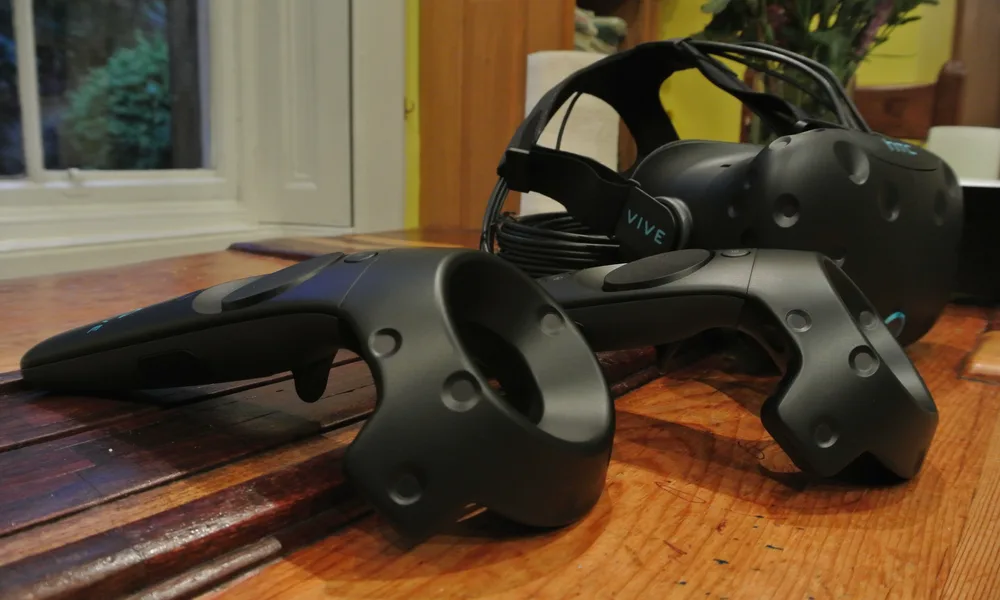
Checklist: avoiding the worst VR games of 2026
- Watch ten minutes of unedited headset footage from an ordinary player before you buy, and look for blurry menus and shaky movement.
- Check the comfort options first: teleport movement, snap turning and a steady horizon should be there, not promised later.
- Read recent player reviews for repeated complaints about nausea, short length or empty lobbies, and trust the pattern.
- Confirm the average playtime and the refund window before you pay, so a short experience costs you an evening, not a fortune.
- Measure your play space and check whether the game works seated or standing still, before you move the furniture.
- Wait a week after launch for big releases: patches, honest reviews and often a first discount all arrive quickly.
Frequently asked questions
What is the worst type of VR game in 2026?
The motion-sickness showcase, because it fails the one test every VR game must pass: it has to be comfortable to wear. A game that makes you queasy in ten minutes is unplayable, however good the idea underneath it might be.
Are VR games worse than flat-screen games?
Not as a rule. The best VR games do things no flat-screen game can, and the worst ones fail in ways that are specific to VR: comfort, short tech demos and lazy ports.
How can I tell if a VR game will make me sick before I buy it?
Watch unedited headset footage and check the movement options: teleport movement, snap turning and a steady horizon are good signs. Read recent reviews for nausea complaints, start with short sessions, and know the refund window before you pay.
Is a short VR game always a bad buy?
No, if the price is honest. A ninety-minute experience at a small price can be wonderful. The bad buy is a short experience at full price with no replay value,
Should I buy a VR multiplayer game at launch?
Only if you accept the risk. VR multiplayer needs a crowd, and a game that is busy at launch can be empty within months. Check recent player counts and community activity, and remember that a dead lobby cannot be patched back to life.
What should I play instead of the worst VR games of 2026?
Look for VR games that respect your comfort and your time: complete experiences with teleport options, worlds built for your hands rather than ported from a television,
Bottom line
The worst VR games of 2026 share a single flaw: they treat the headset as the experience and forget the game underneath it. The motion-sickness showcase forgets comfort, the tech-demo shell forgets depth, the lazy port forgets redesign, and the dead lobby forgets that multiplayer needs players. Buy the opposite instead: a VR game that is comfortable to wear, built for your hands, honest about its length, and complete when you buy it.


