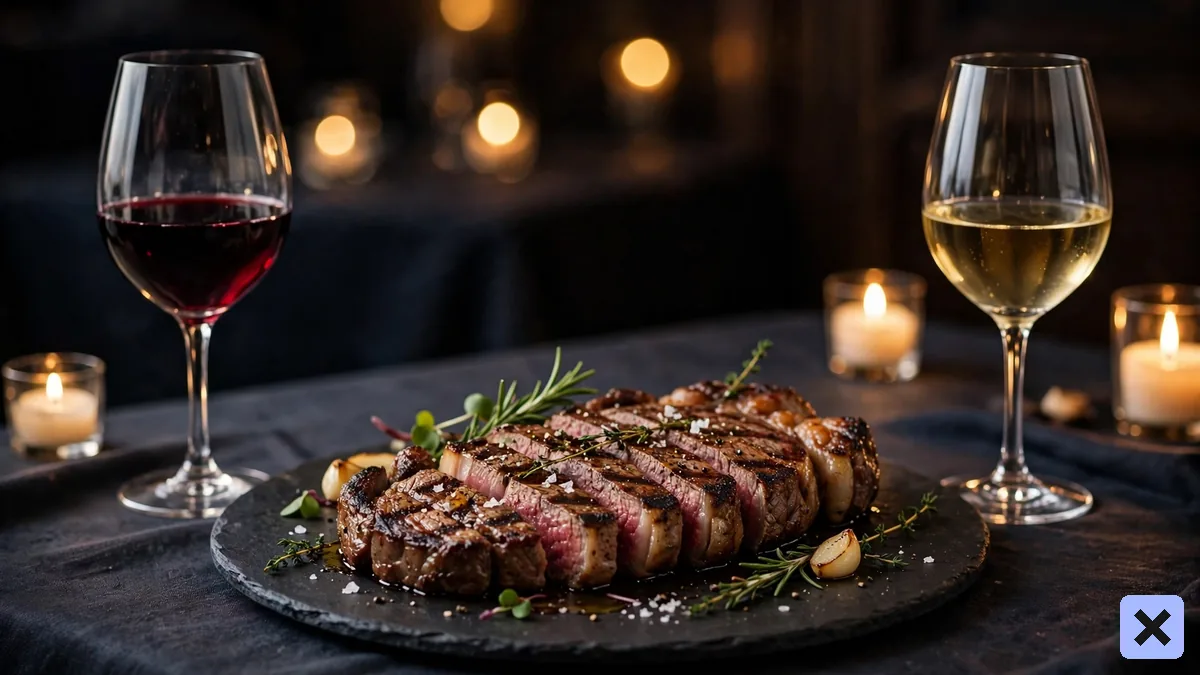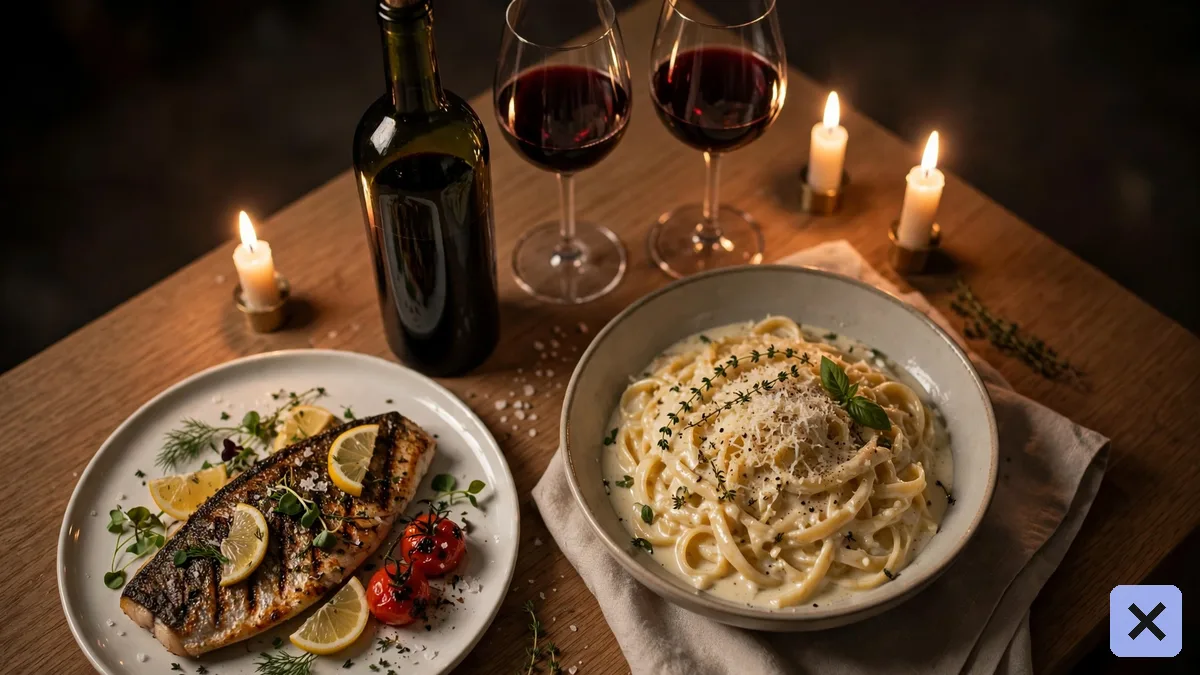
A great bottle of wine can taste thin, bitter, or strangely flat at the dinner table, and the bottle is rarely to blame. The worst wine pairing mistakes at dinner happen before the first sip, when a wine that would shine on its own meets food that fights it. Tannin clashes with delicate fish, sweetness turns spicy dishes harsh, and a heavy red steamrolls a light salad.
Wine pairing is not about memorising rules or buying the most expensive bottle. It is about balance: matching weight with weight, acidity with richness, and sweetness with heat.
This guide covers the eight worst wine pairing mistakes at dinner, why each goes wrong, and what to pour instead. None of the fixes require a sommelier. They need a little attention to the food on the plate, the weight of the wine, and the order in which things are served.
Key takeaways
- Match weight with weight: light food needs light wine, rich food can handle a fuller bottle.
- Acidity in wine cuts through fat and richness, which is why crisp whites suit creamy dishes.
- Big tannic reds turn metallic and bitter with delicate fish and spicy food.
- Sweetness in food makes dry wine taste sour, while sweetness in wine tames chilli heat.
- Serve lighter wines before heavier ones, and taste wine with the food, not just on its own.
Why a Good Bottle Can Taste Bad at Dinner
Wine tasted alone is only half the story. Food changes how wine tastes: salt softens bitterness, fat softens tannin, acidity in food makes wine seem softer, and sweetness in food makes wine seem sharper and more sour. A wine that tastes balanced in the glass can therefore taste completely different with food.
The second factor is weight. A delicate piece of steamed fish and a full-bodied red built for roast beef are not equals, and the heavier partner always wins. Pairing works when neither side shouts over the other, whether the meal is a quiet supper at home or a full evening out where getting good value from a fine dining menu depends on choices that flatter the food rather than fight it.
The wine matters more than the label price
Price is a poor guide to pairing. A modest bottle with bright acidity will often beat a famous, expensive red that is too tannic, too oaky, or too heavy for the dish. What matters is structure: tannin, acidity, sweetness, and alcohol, and how they meet the salt, fat, spice, and sweetness on the plate.
Experienced drinkers think in terms of style rather than status. A light, unoaked white, a chillable red, or a dry sparkling wine can be the right answer far more often than the grandest bottle on the shelf.
Food changes the wine, not just the other way round
Most pairing advice focuses on choosing a wine for a dish, but the dish is doing half the work. A squeeze of lemon over fish brightens a white wine, a rich cream sauce softens a harsh red, and chilli heat makes alcohol feel hotter and tannin more bitter, which is why a big red with a fiery curry is a classic mismatch.
Taste the wine with the food before deciding the pairing has failed. Take a bite, then a sip. If the wine tastes better after the bite, the pairing is working. If it tastes worse, a different style will usually fix it faster than a more expensive bottle of the same style.
The 8 Worst Wine Pairing Mistakes at Dinner
The mistakes below ruin the most dinners. Each is easy to make, easy to spot, and easy to fix with a swap.
1. Pairing a big tannic red with delicate fish
A full-bodied Cabernet Sauvignon or Barolo with lightly grilled sea bass is the most common serious mismatch at the table. Tannin, the drying quality in red wine, reacts badly with the delicate oils in fish, leaving a metallic taste that makes both the fish and the wine seem worse than they are.
Match delicacy with delicacy. A crisp white such as Muscadet, Albariño, or an unoaked Chardonnay lets the fish speak. If the table insists on red, a light, low-tannin option served slightly chilled, such as a Pinot Noir or a Gamay, is far safer.
2. Serving dry wine with a sweet dish
Sweetness in food makes dry wine taste sour, thin, and bitter. A bone-dry white with a honey-glazed ham can taste like lemon juice, and a dry red with chocolate dessert tastes stripped of fruit, because the sugar on the plate raises the palate’s sweetness threshold.
The wine should be at least as sweet as the food. A slightly off-dry Riesling with a sweet-spiced dish, or a proper dessert wine with pudding, keeps the balance. If the dish is only faintly sweet, a fruity, low-tannin red or a white with a touch of residual sugar will usually do the job.
3. Pouring a heavy red with spicy food
Chilli heat and high alcohol amplify each other. A bold, high-alcohol red with a spicy curry makes the heat feel hotter, the tannin feel more bitter, and the fruit disappear. The wine does not cool the dish down; it pours fuel on it.
Off-dry whites are the classic answer because a little sweetness and lower alcohol calm the heat while acidity keeps the palate fresh. A German Riesling or a Gewürztraminer works far better. If red is non-negotiable, choose something light, fruity, and low in alcohol, served cool.
4. Choosing oaky wine for light, fresh dishes
Heavy oak can be wonderful with grilled meat, but it smothers salads, sushi, steamed vegetables, and simply prepared seafood. Vanilla, toast, and spice notes from new oak sit on top of delicate flavours like a thick blanket, and the dish underneath becomes hard to taste at all.
Unoaked or lightly oaked wines are the answer for fresh food. A stainless-steel-fermented white keeps its fruit and acidity clean. Save the oaky bottles for dishes with enough richness, char, or sauce to stand up to them.
5. Ignoring acidity in rich, creamy dishes
Creamy pasta, buttery sauces, and rich cheese dishes need acidity to cut through them. A soft, low-acid wine with a rich dish makes the whole meal feel heavy and flat, because nothing refreshes the palate between bites.
High-acid wines are built for this job. A crisp white, a dry sparkling wine, or a bright, acidic red such as a Barbera or a Chianti can slice through richness and reset the palate.
6. Serving red wine too warm and white wine too cold
Temperature is a pairing mistake hiding in plain sight. Red wine served warm tastes alcoholic and soupy, with its fruit flattened and its tannin exaggerated. White wine served ice-cold tastes of almost nothing, because cold numbs aroma and flavour.
The fix costs nothing. Chill light reds for twenty minutes before serving, and let whites warm up for ten minutes after leaving the fridge. Light reds show best at about 14 to 16 degrees, fuller reds at 16 to 18, and whites at 8 to 12.
7. Letting one wine carry a whole multi-course menu
One bottle for every course is convenient, but it is rarely the best pairing for any of them. A wine that suits the starter will often be wrong for the main, and a wine that suits the main will overwhelm dessert. This is how a good dinner ends up with a wine that is merely acceptable everywhere and excellent nowhere, and it is also how a menu collapses under its own weight when too many dishes compete for attention, a problem familiar to anyone who has studied how a menu overload can sink an otherwise good restaurant meal.
Two or three wines across a meal, even in modest pours, usually beat one grand bottle. Start light and bright, move to something fuller for the main course, and finish with something sweet if dessert calls for it.
8. Forgetting that sauce matters more than the main ingredient
People pair wine to the protein on the plate and forget the sauce, which is often the dominant flavour. Chicken in a creamy mushroom sauce needs a different wine from the same chicken in a spicy tomato sauce. Pairing to the meat alone misses the flavour that actually meets the wine first.
Pair to the strongest flavour on the plate, which is usually the sauce, the seasoning, or the cooking method. A rich sauce calls for acidity, a spicy sauce for a touch of sweetness and lower alcohol, and a smoky preparation can handle more tannin and oak.
A Simple Pairing Table That Actually Works
When in doubt, use the table below as a starting point. A guide you can remember at the table beats a perfect one left at home.
| Dish | Safe choice | Why it works |
|---|---|---|
| Grilled white fish, lemon | Crisp dry white | Acidity matches the citrus and lifts the fish |
| Creamy pasta | High-acid white or sparkling | Acidity cuts the richness |
| Roast chicken | Oaked Chardonnay or Pinot Noir | Weight matches, fruit suits the meat |
| Grilled steak | Full-bodied red | Tannin softens against fat and protein |
| Spicy curry or noodles | Off-dry Riesling | Sweetness calms heat, acidity refreshes |
| Soft cheese board | Light red or dry white | Neither overwhelms the cheese |
| Chocolate dessert | Sweet red or dessert wine | Wine stays sweeter than the dish |
Before You Pour: A Quick Checklist
Run through this list before the first bottle is opened.
- Check the weight: is the wine as light or as full as the dish in front of it?
- Check the sauce: pair to the strongest flavour on the plate, not just the protein.
- Check the temperature: chill light reds briefly and let whites warm up for ten minutes.
- Check the sweetness: make sure the wine is at least as sweet as the food it meets.
- Check the spice: keep alcohol low and sweetness gentle when chilli heat is on the menu.
- Check the order: pour lighter wines first and save the heaviest bottle for the main course.
A tidy kitchen makes it easier to taste, decant, and serve without rushing, and why the worst kitchen gadgets that eat counter space are worth removing before a dinner party as much as a bad bottle is worth leaving in the cellar. Space to work, glasses at the right temperature, and a plan for the order of pouring all make the wine taste better without spending a penny more.
Frequently Asked Questions
What is the single worst wine pairing mistake at dinner?
Pairing a big, tannic red with delicate fish is usually the worst, because tannin and fish oils create a metallic taste that ruins both.
Can I serve red wine with fish?
Yes, if the red is light and low in tannin. Pinot Noir, Gamay, and other light reds work well with oily fish such as salmon or tuna. Heavy, tannic reds are the ones to avoid.
What wine goes with spicy food?
Off-dry aromatic whites such as Riesling or Gewürztraminer are the safest choice. Their sweetness calms chilli heat and their lower alcohol avoids amplifying the burn.
Should the wine be sweeter than dessert?
Yes. If the dessert is sweeter than the wine, the wine will taste sour and thin. Choose a dessert wine or a sweet red.
Does expensive wine pair better with food?
Not necessarily. Structure matters more than price: acidity, tannin, sweetness, and weight decide whether a pairing works.
How many wines should I serve at a dinner party?
Two or three wines is usually ideal: a light white or sparkling wine to start, a fuller wine for the main course, and something sweet if dessert needs it.
The Bottom Line
The worst wine pairing mistakes at dinner all come from the same place: letting the wine and the food fight instead of work together. Match weight with weight, let acidity cut richness, keep tannin away from delicate fish and fiery spice, and make the wine at least as sweet as the dish.