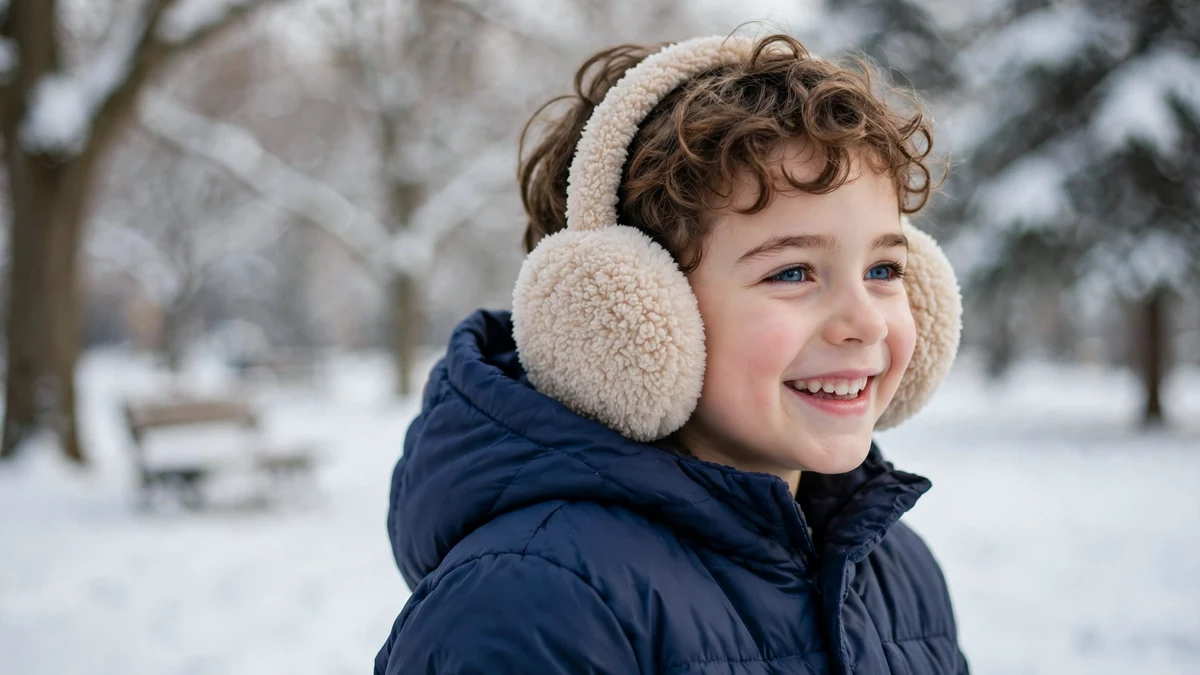
A good pair of ski goggles changes the whole mountain. When the lens is right, the snow reads clearly, the bumps show up early, and your eyes stay comfortable from the first lift to the last run. When it is wrong, everything flattens out, the light hurts, and the goggles fog the moment you start working hard. The difference is rarely the price tag alone. It is the lens, the fit, and the way the goggle moves air across the inside of the glass.
This guide looks at the best ski goggles for 2026 the way a skier actually uses them: in flat light, in bright sun, in falling snow, and on long days when the weather changes three times before lunch. We focused on vision first, then comfort, then durability, and we gave extra credit to goggles that stay clear, sit well with a helmet, and are easy to adjust with gloves on. The picks below cover different conditions and budgets, so you can match the goggle to the skiing you do most.
Key Takeaways
- The lens matters more than the frame: choose the tint and visible light transmission for the light you ski in most.
- A goggle that fits your face and your helmet will fog less than a fancier lens in a poor-fitting frame.
- Low-light lenses, usually amber, rose, or yellow, make bumps and ice far easier to read on cloudy days.
- Dark or mirrored lenses protect your eyes on bright, sunny days and at high altitude, where glare is strongest.
- Interchangeable lenses are worth the money if you ski in mixed weather, while a single good all-round lens suits most weekend skiers.
How We Judged
We judged every goggle on the things that decide a day on snow. Clarity came first: could we read the terrain, spot ice, and judge depth in flat light as well as sunshine? Next came fog resistance, because a goggle that clouds over is useless no matter how sharp its lens looks in the shop. We also tested fit with several helmets, the seal around the nose and cheeks, strap adjustment with gloves, and how the foam felt after hours of wear. Durability mattered too, from scratch resistance to how well the lens survived being wiped, dropped, and stuffed into a pocket. Finally, we weighed value honestly: a budget goggle that does the basics well can beat an expensive one that only shines in one narrow condition.
Best Overall
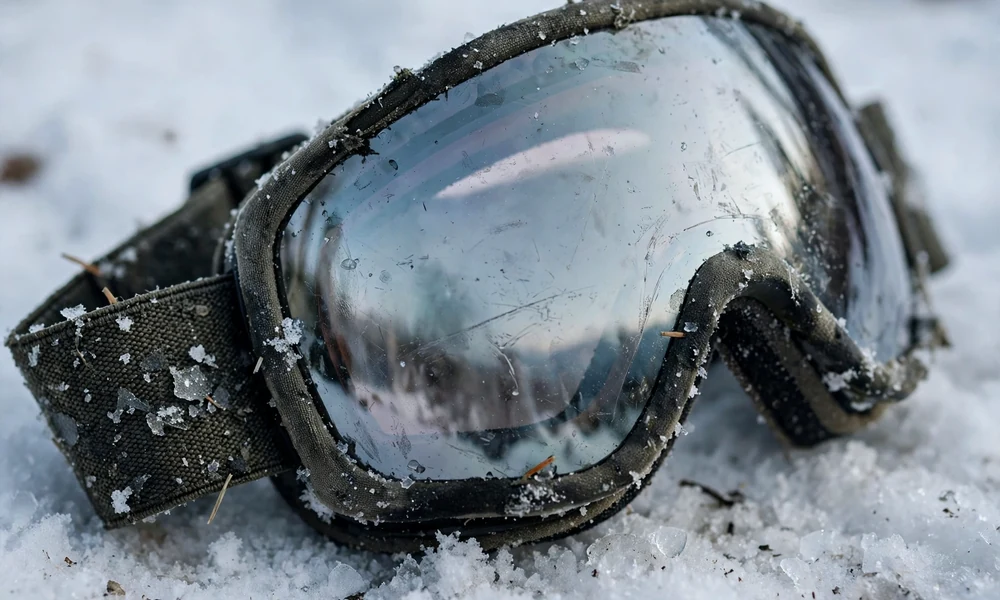
Our best overall pick is the goggle that does the most things well without asking you to think about it. The lens gives a wide, clear view with honest contrast, so moguls, ruts, and patches of ice show up in time to react. In bright sun the mirror coating cuts glare without making the world look dim or strange, and on overcast mornings the tint still lets enough light through to read the snow. The frame sits close to the face without pressing on the nose, the triple-layer foam seals out wind, and the vents keep air moving so fog rarely gets a foothold. Changing the lens takes seconds, the strap grips a helmet well, and the whole package feels built to last more than one season. It is not the cheapest goggle here, but it is the one we would hand to a friend who skis in all conditions and wants one pair that simply works. For planning where to use them, our guide to the best ski resorts in 2026 covers mountains where varied light is part of the day.
Best for Low Light
Flat light is where most goggles fail and where this pick earns its place. Its amber-rose lens lets in more light than a dark sun lens, which sounds simple, but the effect on the mountain is dramatic: bumps gain shadows again, the edge of a groomed run becomes visible, and icy patches stop blending into the snow around them. The contrast boost is strong without turning everything pink or washing out the view, and the lens stays comfortable when the clouds thin and the sun breaks through for a run or two. The frame is a little wider than average, which helps peripheral vision in poor visibility, and the vents are placed to keep warm breath moving out rather than up onto the lens. If you ski mostly in the morning, in the trees, or in regions where overcast days are normal, this is the lens to build your setup around.
Best for Bright Sun
On a bluebird day at altitude, the sun bounces off the snow from every direction, and a lens that is merely dark is not enough. Our bright-sun pick uses a dark, mirrored lens with a low visible light transmission, so glare drops sharply while colours stay natural and the view stays sharp. The mirror coating reflects the harshest light before it reaches your eyes, and the lens is large enough to cover your full field of view without letting stray light leak in from the sides. The frame vents are tuned for warm, sunny days, when sweat and heat are the main fog risks, and the foam stays comfortable as temperatures rise in the afternoon. This is the goggle for spring skiing, glacier days, and high, open bowls where sunglasses would never be enough.
Best With Interchangeable Lenses
Some skiers face sun, cloud, and snowfall in a single morning, and for them a goggle that swaps lenses quickly is the smartest buy. Our pick uses a magnetic lens system that clicks into place with a satisfying snap, even with gloves on, and releases with a firm pull from the side. The magnets are strong enough that the lens never shifts during a fall, and the frame includes small locking tabs for extra security on hard landings. It comes with two lenses: a darker one for sun and a lighter amber one for cloud, which together cover almost every day you will meet. The spare lens fits in the soft case in a jacket pocket, and swapping takes less time than riding the lift. If you travel to different mountains or ski a long season, this flexibility is worth every penny.
Best Budget
The best budget goggle proves that you do not need to spend a fortune to see well and stay comfortable. Its single lens is a sensible all-round tint that handles mixed light better than most cheap lenses, with a contrast boost that helps on cloudy days without going too dark in sun. The frame is simple but well made, the foam seals firmly, and the strap adjusts easily over a helmet or a beanie. Anti-fog coating does a solid job on most days, though it needs a little more care than the premium picks: keep the inside dry, avoid wiping it with a glove, and let it air out at lunch. For a first pair, a second pair for guests, or a backup that lives in the car, this goggle is genuinely good value and far better than the cheapest options on the shelf.
What to Look for When Choosing
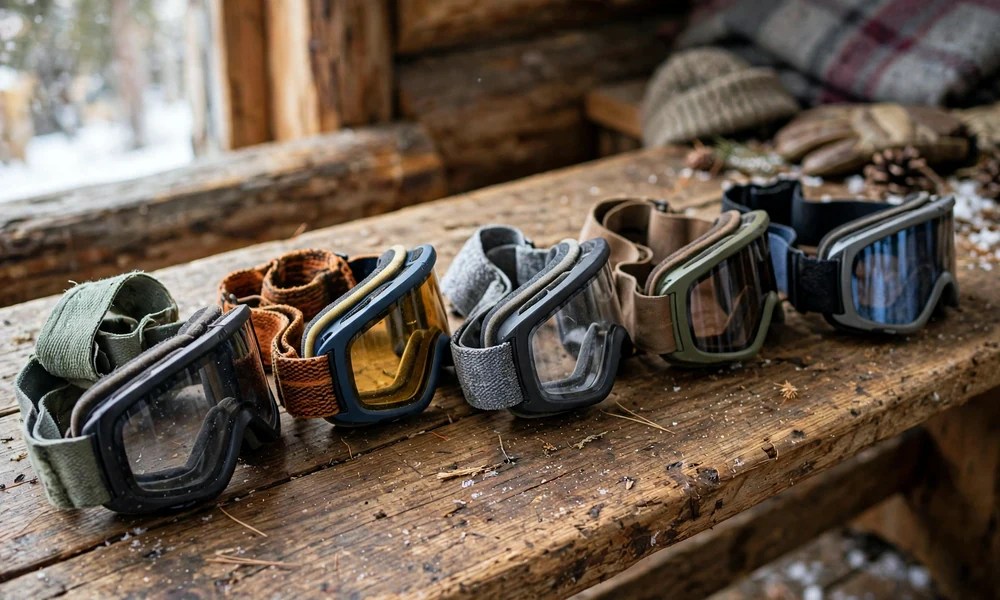
Choosing ski goggles gets easier once you know the six things that matter most. The rest is personal taste, and it is fine to pick the frame and colour you like once these basics are right. Work through them in order, and you will end up with a goggle that fits your face, your helmet, and the light you ski in.
Lens Tint
Lens tint decides how the snow looks. Amber, rose, and yellow tints boost contrast and suit low light. Grey and brown tints keep colours natural and suit bright days. Clear lenses are for night skiing and the darkest storms. Pick the tint for your most common day, not the rare perfect one.
VLT
Visible light transmission, or VLT, is the percentage of light the lens lets through. A low VLT, around ten to twenty percent, suits bright sun. A mid-range VLT, around twenty to forty percent, suits mixed light. A high VLT, above fifty percent, suits cloud and storms. The number is printed on the lens or the box, and it is the fastest way to compare two lenses honestly.
Fit
Fit is personal, so try goggles on with your helmet if you can. The frame should seal gently against your face with no gaps at the nose or temples, and the foam should touch evenly all the way around. A gap lets cold air in and fog form fast. If you stay in a mountain town for a ski trip, our guide to the best hotels in Snowbird for families in 2026 is a useful place to start planning the stay around your days on snow.
Ventilation
Good ventilation is the quiet hero of a clear lens. Vents at the top and bottom of the frame let moist air escape before it condenses on the inside. Look for vents that are not easily blocked by a helmet brim or a beanie, and avoid covering them with a neck gaiter pulled too high.
Anti-Fog
Every good goggle has an anti-fog coating on the inner lens, and that coating is delicate. Never wipe the inside when it is wet, never use a paper towel, and never touch it with bare fingers. Blot gently with the soft bag the goggles came in, and let them dry fully overnight.
Helmet Compatibility
A goggle and a helmet should work as one unit. The top of the frame should meet the front of the helmet with no gap, known as the gaper gap, which lets cold air and snow in. Try them together, adjust the strap, and check the seal from the side. Most brands design their goggles to match their own helmets best, but many combinations work well across brands.

Care and Mistakes to Avoid
Most goggle problems come from small habits, not bad products. The biggest mistake is wiping the inner lens, which scratches the anti-fog coating and makes fogging worse every time. Another is storing damp goggles in a sealed bag, where moisture stays trapped and the foam takes days to dry. Never leave goggles on a hot dashboard, and never put them lens-down on a table. Carry them in their soft case, keep the spare lens in its own sleeve, and rinse salt or grit off gently with clean water before drying. On the mountain, lift the goggles onto your helmet only briefly: warm, moist air from your face fogs a cold lens fast, and the fog can freeze in place. If you like filming your runs, compare camera options in our best versus worst drones in 2026 before you fly anything near a busy slope, and always follow the resort rules.
The right ski goggles will not make you a better skier, but they will let you see the mountain as it really is, and that is a fine place to start. Choose the lens for your light, check the fit with your helmet, and look after the coating. Do that, and the goggles will quietly do their job while you enjoy the snow.