
What makes great orange juice in 2026 is not a mystery, but it is easy to miss on a crowded supermarket shelf. The best orange juice tastes like an orange you have just peeled: bright, a little sharp, sweet without being sugary, and clean on the finish. The worst tastes like orange-flavoured sugar water, and the difference between the two is written on the label, if you know where to look.
Orange juice is the most drunk juice in the world, and the most argued about. Fresh-squeezed or carton, pulp or no pulp, not-from-concentrate or from concentrate, the choices multiply every year, and every bottle claims to be the real thing. This guide cuts through the claims: what pulp actually does, why fresh-squeezed tastes different, how much vitamin C is really in the glass, which cartons are worth the money, and what to serve with orange juice at breakfast.
Key Takeaways
- Buy 100 percent orange juice: the ingredients list should say orange juice, and nothing else except perhaps a little vitamin C.
- Fresh-squeezed tastes brightest, but a good not-from-concentrate carton is close, and far better value.
- Pulp is a matter of taste, not quality: lots of pulp, some pulp and no pulp can all be great juice.
- A small glass of 150 millilitres gives you a full day’s vitamin C, without the sugar load of a pint glass.
- Orange juice belongs with breakfast, not on its own: food slows the sugar down and protects your teeth.
What Orange Juice Actually Is
Orange juice is the liquid squeezed from oranges, with the pulp and most of the fibre removed. That is the whole definition, and it is also the standard every carton should be judged against. A good orange juice is oranges, squeezed, pasteurised for safety, and bottled. Nothing is added and nothing is needed, because oranges are naturally sweet, naturally acidic, and naturally full of vitamin C.
The confusion starts with the cartons that are not quite orange juice. A juice drink might be mostly water and sugar with a splash of orange juice for flavour, and it is often sold in the same aisle, in a similar carton, for a lower price. The ingredients list tells you which one you are holding: if the first ingredient is water or sugar, you are not holding pure orange juice. Our guide to why fresh juice deserves a spot in your fridge sets out the same label rules for the whole juice shelf.
Fresh-Squeezed vs Carton: The Honest Comparison
Fresh-squeezed orange juice is the benchmark, and it earns the title. Squeeze an orange into a glass and you get a juice that is bright, sharp and alive, with a freshness that no carton can quite match. It is also the most expensive way to drink orange juice, it takes time, and it goes off within a day or two. For a weekend brunch, it is worth every minute; for a Tuesday morning before work, it is a luxury most of us skip.
A good carton is the practical answer, and the gap is smaller than the price suggests. Not-from-concentrate cartons are squeezed, pasteurised and bottled, and the best of them taste remarkably close to fresh, especially when served ice cold. From-concentrate cartons are pressed, concentrated, shipped and reconstituted, which dulls the flavour a little, but they are still 100 percent juice, they cost far less, and they are available all year.
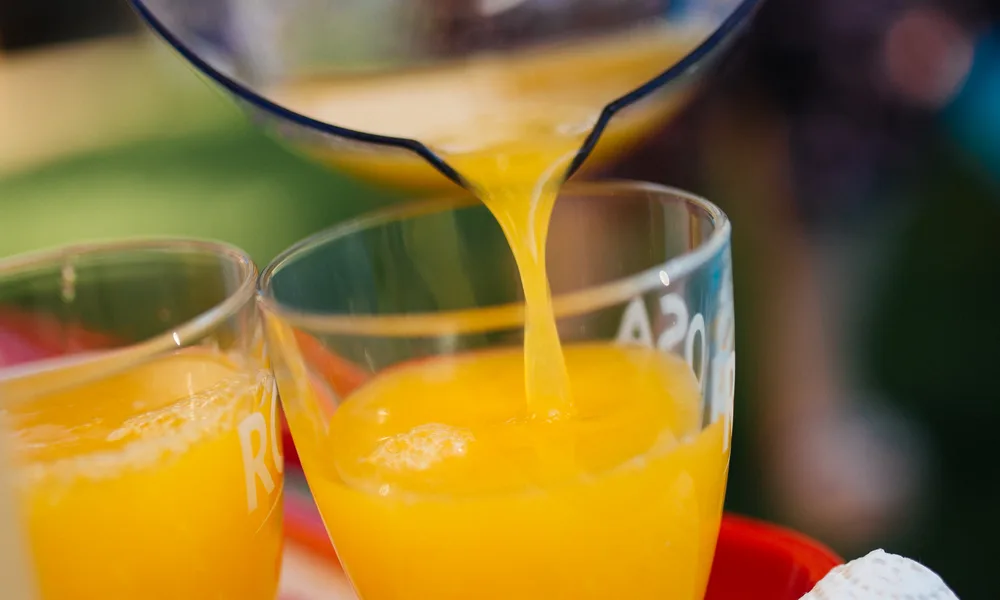
The Best Orange Juices of 2026 at a Glance
| Orange Juice | Type | Pulp | Concentrate | Best For |
|---|---|---|---|---|
| Tropicana Pure Premium | Carton | Some pulp | Not from concentrate | Overall excellence |
| Simply Orange | Carton | Pulp free | Not from concentrate | Smoothest taste |
| Minute Maid Original | Carton | Some pulp | From concentrate | Everyday value |
| Florida’s Natural | Carton | Lots of pulp | Not from concentrate | Pulp lovers |
| Innocent Orange Juice | Bottle | Some pulp | Not from concentrate | Best for breakfast |
Best Orange Juice Overall: Tropicana Pure Premium
Tropicana Pure Premium is the carton to buy if you only buy one. It is not from concentrate, it has some pulp, and it tastes the closest of any supermarket carton to a glass of fresh-squeezed juice: bright, sweet with a sharp edge, and clean on the finish. The flavour is consistent from carton to carton, which is harder than it sounds when oranges change with the season, and it pours a rich, deep orange that looks as good as it tastes.
Best Smooth Orange Juice: Simply Orange
Simply Orange is the carton for people who want their orange juice completely smooth. It is pulp free, not from concentrate, and it pours clear and golden, with a bright, clean flavour and a gentle sweetness that never turns syrupy. There is nothing to chew, nothing to strain through your teeth, and nothing settling at the bottom of the glass. It is the best choice for children who dislike pulp, for anyone who drinks their juice quickly on the way out of the door, and for cooking, because it blends invisibly into marinades, dressings and baking.
Best for Pulp Lovers: Florida’s Natural
Florida’s Natural is the carton for people who think orange juice should have something to chew on. It is not from concentrate, it is packed with pulp, and it tastes fuller and more textured than the smooth cartons, with a rich orange flavour and a satisfying body. It is the closest thing in a carton to juice you squeezed yourself, pulp and all. Shake it well before pouring, because the pulp settles, and pour it into a wide glass so the pulp can spread out.
Best Value: Minute Maid Original
Minute Maid Original is the best value on this list because it does the simple job well for the least money. It is 100 percent juice, from concentrate, with some pulp, and it tastes like honest orange juice: sweet, bright and clean. It comes in large cartons and in small lunchbox sizes, which makes it the easiest carton to buy in bulk for a family. The flavour is a little flatter than the not-from-concentrate cartons, but for everyday drinking, for breakfast and for cooking, it is hard to beat on price.
Best for Breakfast: Innocent Orange Juice
Innocent orange juice is the bottle to put on the breakfast table. It is not from concentrate, it has some pulp, and it is pressed from oranges that taste as though they were chosen for flavour rather than for shipping. The bottle is the right size for a family breakfast, and the juice is bright enough to wake you up without being so sharp that it needs sugar. Serve it in small glasses with a proper breakfast, and it turns an ordinary morning into something worth sitting down for.
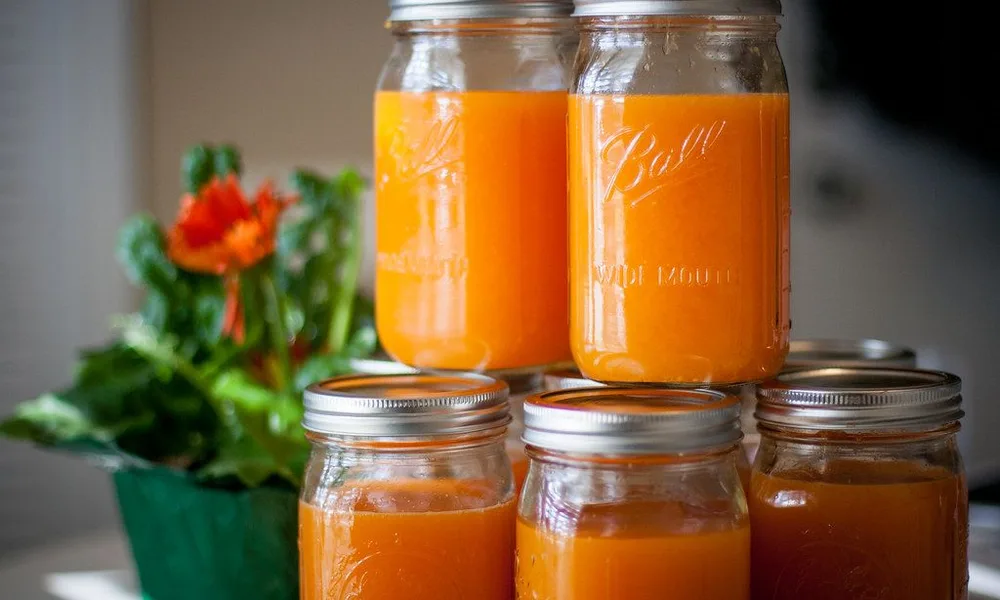
Pulp Levels: Lots, Some or None
Pulp is the soft, juicy flesh of the orange that ends up in the juice, and the level is a matter of taste, not quality. Lots of pulp gives the juice body and texture, and a little extra fibre. Some pulp is the middle ground, and no pulp is completely smooth, clean and easy to drink quickly, which suits children, cooking and anyone who dislikes bits in their drink.
Vitamin C and What Else Is in the Glass
Orange juice is famous for vitamin C, and the fame is deserved. A small glass of 150 millilitres gives you roughly a full day’s vitamin C, along with potassium, folate and plant compounds called flavonoids. It is one of the easiest ways to get a meaningful dose of vitamin C into a day, and it tastes far better than a tablet.
But vitamin C is not the whole story, and it is not a reason to drink litres of the stuff. Orange juice is also concentrated fruit sugar, with almost no fibre, and a large glass contains about 20 grams of natural sugar. The practical answer is the small glass: all of the vitamin C, a fraction of the sugar. Our guide to the best vitamin C of 2026 covers the supplement side in full, and the same rule applies there: food first.
Orange Juice at Breakfast: What to Serve With It
Orange juice belongs with breakfast, and it belongs with food. The classic pairing is the right one: eggs, toast, fruit and yoghurt all slow the sugar down, and the protein and fibre in the meal keep you full long after the juice is gone. A glass of orange juice on an empty stomach hits fast, spikes your blood sugar, and leaves you hungry an hour later. The same glass with a proper breakfast is a pleasure rather than a problem.
The acid in orange juice is worth thinking about too. It softens tooth enamel for a short while after drinking, so do not brush your teeth straight after your morning glass. Drink the juice with the meal, rinse with water afterwards, and wait half an hour before brushing.
Storing Orange Juice Properly
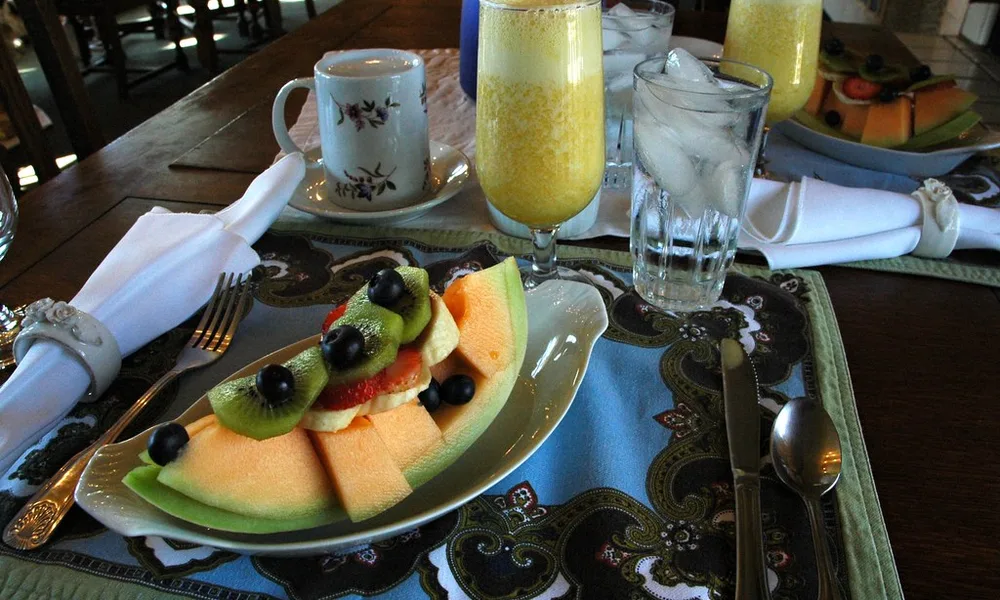
Opened orange juice goes off faster than most people expect, because it is a perfect home for yeasts once air gets in. Keep every opened carton in the fridge, with the cap on tight, and drink it within five to seven days for pasteurised juice, and within one to two days for fresh-squeezed juice. Shake the carton before pouring, because the pulp settles, and if the juice smells sour, tastes fizzy, or the carton is swollen, throw it away.
Buying Checklist
- Check the label says 100 percent orange juice, with orange juice as the only ingredient except perhaps vitamin C.
- Choose your pulp level first: lots, some or none, and buy to match your household, not the shelf.
- Pick not-from-concentrate when the juice is the star, from concentrate for everyday value.
- Buy the size you will finish within a week of opening, and check the use-by date.
- Serve it ice cold, in a small glass, with food rather than on its own.
- Taste before you stock up: sweetness and sharpness vary more between brands than the labels suggest.
Frequently Asked Questions
Is orange juice healthy?
Orange juice is nutritious in small amounts: it provides vitamin C, potassium, folate and plant compounds from real oranges. But it is also concentrated fruit sugar with almost no fibre, so a small glass of 150 millilitres is a sensible serving.
What is the difference between fresh-squeezed and carton orange juice?
Fresh-squeezed juice is squeezed and drunk straight away, so it tastes brighter and sharper. Carton juice is pasteurised for safety and shelf life, which dulls the flavour slightly, but a good not-from-concentrate carton comes close.
Is orange juice from concentrate as good as not-from-concentrate?
It is still 100 percent juice with no added sugar, and a perfectly good everyday choice. Not-from-concentrate tastes brighter, but from-concentrate juice is cheaper and keeps longer.
Which pulp level is best?
There is no best level: lots of pulp gives body and texture, some pulp is the middle ground, and no pulp is smooth and easy to drink. Choose the level your household prefers.
How long does opened orange juice last?
Pasteurised orange juice lasts five to seven days in the fridge once opened, and fresh-squeezed juice lasts one to two days. Keep it sealed and refrigerated.
Should I drink orange juice on an empty stomach?
It is better with food. A meal slows the sugar down, protects your teeth, and keeps you full, while juice on its own spikes your blood sugar and leaves you hungry.
Bottom Line
What makes great orange juice is simple: 100 percent oranges, a pulp level you actually enjoy, and a carton that tastes bright rather than sugary. Tropicana Pure Premium is the best all-round carton in 2026, Simply Orange is the smoothest, and Florida’s Natural is the one for pulp lovers. Pour a small glass, serve it ice cold with a proper breakfast, and finish the carton within the week. That is all great orange juice asks of you, and our guide to the best vs worst breakfasts of 2026 covers what else deserves a place next to the glass.


