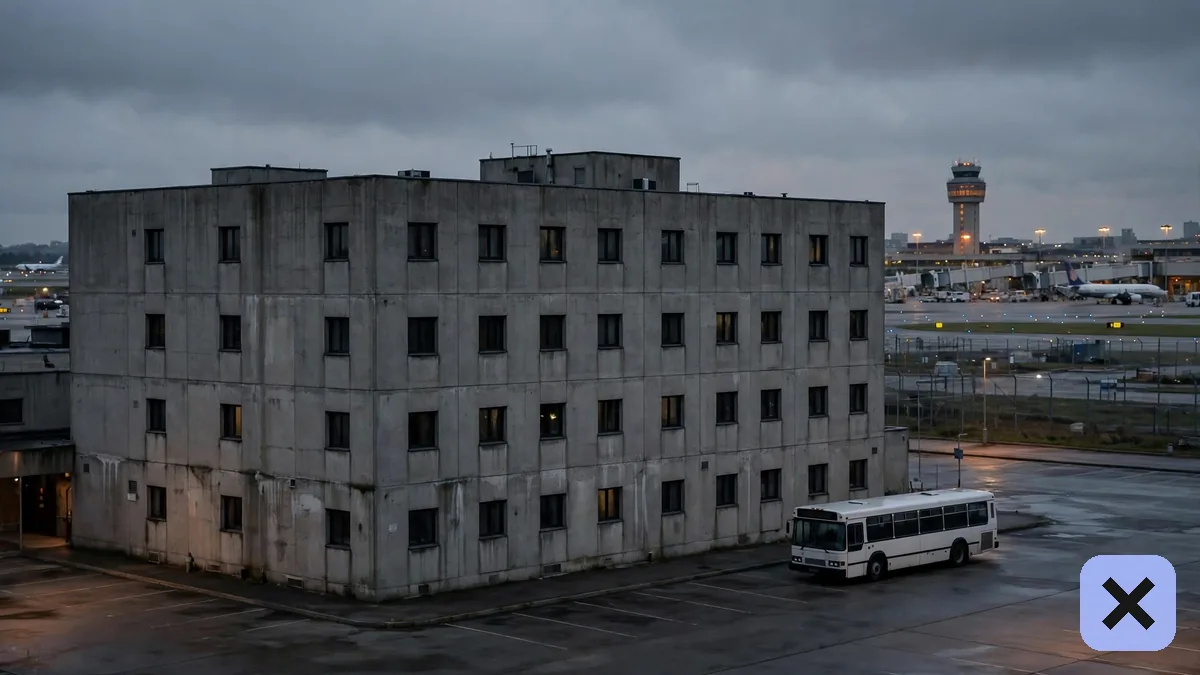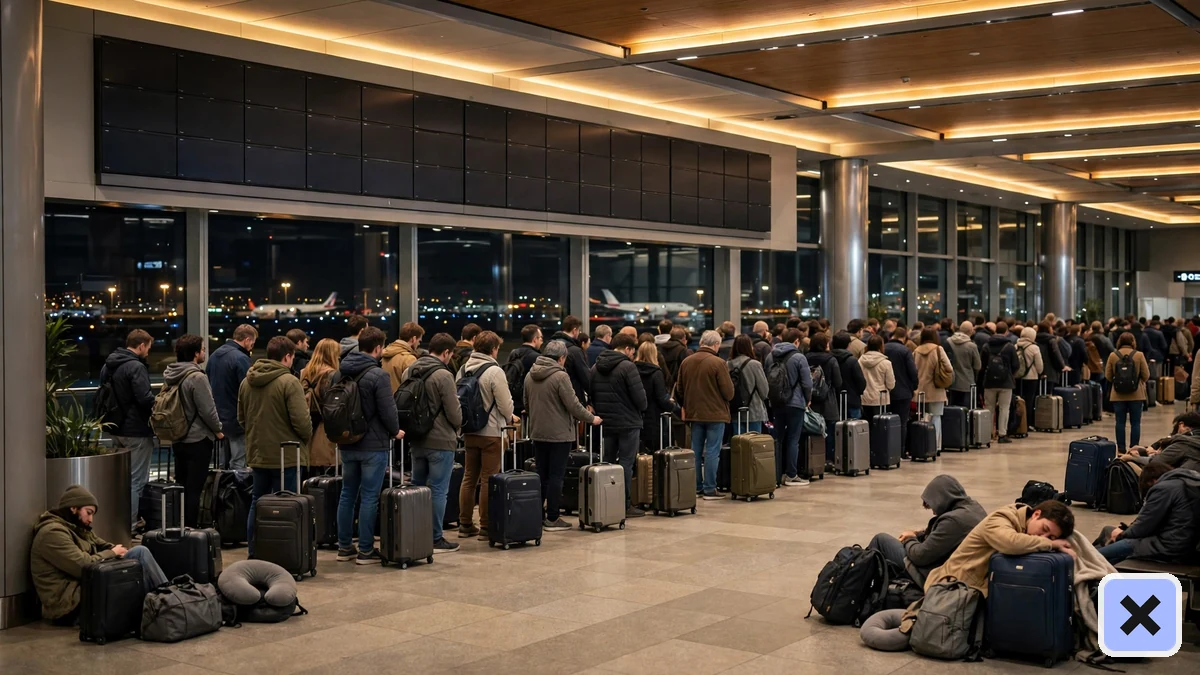
Ask any frequent flyer about their worst airport experiences and you will get the same look first: a tired half-smile, a shake of the head, and then a story that starts with a queue. Airports are supposed to be the smooth gateway to a holiday or a business trip. Yet for millions of travellers every year, the airport itself becomes the story, and rarely a good one. Delayed flights, lost bags and endless lines have turned the departure hall into one of the most complained-about places in travel.
The problem is not one single failure. It is the way small frustrations pile up until a trip feels ruined before it has even begun. A check-in queue that crawls for two hours is annoying on its own. Add a cancelled connection and a suitcase that never arrives, and a traveller ends up sleeping on a terminal floor.
This guide gathers the worst airport experiences travellers keep warning about, explains why they happen, and shows how to avoid them. They are patterns, repeated at busy hubs around the world.
Key takeaways
- Long queues at check-in, security and passport control are the most common complaint, and they get far worse at peak hours.
- Lost, delayed and damaged luggage ruins more trips than almost any other airport problem, so pack essentials in hand luggage.
- Missed connections are often caused by tight airline schedules, not slow passengers, so always leave a generous buffer between flights.
- Poor seating, closed food outlets and no clear information turn a short delay into a miserable overnight stay.
- Most airport disasters are avoidable with early arrival, online check-in, travel insurance and a backup plan.
Why Airports Go Wrong So Often
Airports are complicated machines. Thousands of people, hundreds of flights and dozens of separate companies all have to work together in the same building, and any one of them can cause a delay. Airlines handle check-in, operators handle security and gates, ground handlers move the bags, and border agencies handle passports. When one link slows down, the whole terminal feels it within minutes.
Demand makes everything worse. Passenger numbers have grown far faster than most terminals were designed for, so many airports run close to their limits every day. There is also a gap between what travellers expect and what airports deliver: calm lounges in the photos, a crowded hall and a departure board full of red delays in reality. That gap between travel hype and travel reality is where most of the anger comes from. People do not mind waiting when they understand why. They mind waiting for hours with no information and no one to ask.
The Worst Airport Experiences Travellers Keep Warning About
Some airport problems are minor irritations. The ones below are different: experiences travellers describe as trip-ruining, warn friends about and remember for years. Each one is common, preventable in part, and carries a clear lesson.
The Queue That Never Moves
The single most reported airport misery is the queue that does not move. Check-in lines that snake through the terminal, security lines that stretch out of the hall and passport control lines that take two hours top almost every passenger survey. Travellers describe watching their departure time creep closer while the line barely shifts.
Queues get worse for predictable reasons: early morning and late evening banks of flights, school holiday weekends and the first flights after a storm all create surges that staffing cannot match. The best defence is boring but effective: check in online, arrive early, and travel with hand luggage only when you can.
Lost, Delayed and Damaged Luggage
Few moments match the sinking feeling of standing at an empty baggage carousel while everyone else walks away with their suitcase. A bag can be sent to the wrong city, left behind when a flight is full, or damaged so badly that the contents are ruined. Travellers report waiting days for a bag to catch up and starting a holiday with nothing but the clothes they travelled in.
Smart packing is the only real protection. Keep medication, chargers, a change of clothes and anything irreplaceable in your hand luggage, and photograph your bag before you travel. If your bag does not appear, report it before you leave the airport and get a written reference number. That number is what turns a shrug into a traceable claim.
Missed Connections and Overnight Strands
A missed connection is where a bad day becomes a ruined trip. A first flight delayed by an hour can mean watching your onward plane push back as you run down the concourse. Travellers describe being rebooked a day later, missing weddings and cruises, and spending the night in a terminal because the airline had no hotel rooms left.
The hard truth is that many connections are set too tight by the airlines themselves. A forty-five minute connection at a huge hub leaves no room for a late arrival, a long walk between terminals or a second security check. Give yourself a buffer: two hours between flights at a large airport is a sensible minimum. If you do get stranded overnight, ask the airline about hotel and meal vouchers before you accept a rebooking. Nobody wants to discover that their only option is a hotel that looks good in photos but fails at the basics when they are already exhausted.
Security Screening Nightmares
Security is necessary, and most travellers accept that. What they do not accept is the way it is sometimes run: rude or inconsistent staff, rules that change from one lane to the next, and trays of belongings scattered across a belt. Travellers tell stories of laptops damaged in the rush and liquids confiscated under rules nobody explained.
The inconsistency is the worst part. One airport allows shoes on, the next demands them off. Preparation takes most of the sting out: wear slip-on shoes, keep liquids in one clear bag, and have your laptop ready before you reach the belt.
Nowhere to Sit, Sleep or Eat
A short delay is an inconvenience. A long delay in a terminal with no seats, no food and no information is a miserable experience that travellers never forget. People describe sitting on cold floors, queuing for the only open cafe, and watching departure boards that say delayed with no new time.
Some terminals are simply not built for delays. Seating is designed for people waiting an hour, not eight, and power sockets are scarce, so phones die just when travellers need them most to rebook. Carry a small survival kit: a power bank, a refillable water bottle, snacks and a light layer. Many lounges sell day passes, and during a long delay a shower and a proper chair are worth every penny.
Hidden Fees and Last-Minute Surprises
Nothing sours a trip like a surprise charge at the airport. Oversized bag fees, seat selection charges and inflated prices inside the terminal all feature in travellers’ worst stories. People describe arriving with a bag that fit fine on the last flight and being told it is too big.
Low-cost tickets are the usual trigger. The headline fare looks cheap, but the rules attached to it are strict, and the airport is where those rules are enforced. Read the baggage rules for your exact ticket before you leave home, measure and weigh your bags, and pay for extras online where it is cheaper.
What the Worst Airports Have in Common
Bad airport experiences are not random. The same weaknesses show up at struggling airports again and again, and spotting them in advance can save a trip. A terminal that is overcrowded at normal times will be unbearable when anything goes wrong, and an airport with no spare staff has no way to recover from a delay.
| Warning sign | What it means for you | How to handle it |
|---|---|---|
| Very short connection times | One small delay means a missed flight | Choose longer layovers, even if the trip is slower |
| One security area for the whole terminal | Queues grow fast at peak times | Arrive early or buy fast-track access |
| Few seats and no quiet areas | Delays mean sitting on the floor | Carry a power bank and check lounge day passes |
| Limited food outlets | Long queues and early closing times | Eat before the airport and pack snacks |
| Poor flight information | Confusion during delays and gate changes | Use the airline app for live updates |
| Remote location with few hotels | Nowhere to go if stranded overnight | Know the nearest hotel before you travel |
Check these warning signs before you book, not after you arrive. A quick look at recent traveller reviews will tell you whether an airport is known for queues, lost bags or poor facilities.
How to Protect Your Trip From Airport Chaos
No traveller can control the weather, the airline or the airport. What you can control is how ready you are when things go wrong. The travellers who cope best with airport chaos are prepared: they arrive early, pack smart, and know what to do when the departure board turns red. Use the checklist below before every trip.
Your Airport Survival Checklist
- Check in online as soon as it opens and save your boarding pass.
- Arrive at least two hours early for short flights and three hours early for long flights.
- Pack medication, chargers, a change of clothes and valuables in your hand luggage.
- Photograph your checked bag and keep the baggage receipt somewhere safe.
- Carry a power bank, snacks, water bottle and a warm layer for long waits.
- Download the airline app and turn on notifications for gate changes and delays.
The last item matters more than it sounds. During a delay, information is the most valuable thing in the terminal. Travellers who get updates on their phone can rebook and make decisions while everyone else is still staring at the board.
Frequently Asked Questions
What is the most common worst airport experience?
Long queues are the most common complaint by a wide margin. Check-in, security and passport control lines that last over an hour are reported at busy airports around the world, and they are worse during holiday seasons.
How early should I arrive to avoid airport problems?
Arrive two hours before a domestic flight and three hours before an international flight. Add an extra hour if you are travelling during a holiday period or checking in luggage.
What should I do if my luggage is lost?
Report it at the airline baggage desk before you leave the airport and get a written reference number. Keep your baggage receipt and boarding pass, and file a claim with the airline and your travel insurance as soon as possible.
Can I get compensation for a missed connection?
It depends on your ticket and the reason for the delay. If both flights are on one booking and the airline caused the delay, it should rebook you and may owe you meals, a hotel or compensation. Keep every receipt.
Are airport lounges worth it during a delay?
Yes, during a long delay a lounge is often worth the price of a day pass. You get a proper seat, food, drinks, Wi-Fi, power sockets and often showers, which turns a miserable wait into a comfortable one.
How can I make a bad airport experience less likely?
Choose flights with generous connection times, travel with hand luggage when possible, check in online, arrive early and buy travel insurance that covers delays and lost bags.
The Bottom Line
The worst airport experiences travellers keep warning about are not freak accidents. They are the same few failures repeated at airport after airport: endless queues, lost luggage, missed connections, harsh security and surprise fees.
The good news is that most of it is avoidable. Arrive early, pack essentials in hand luggage, leave a generous gap between flights and know your backup plan before you need it. If you want a trip that actually lives up to the pictures, start with mountain escapes that deliver on the promise rather than ones that only look good online.