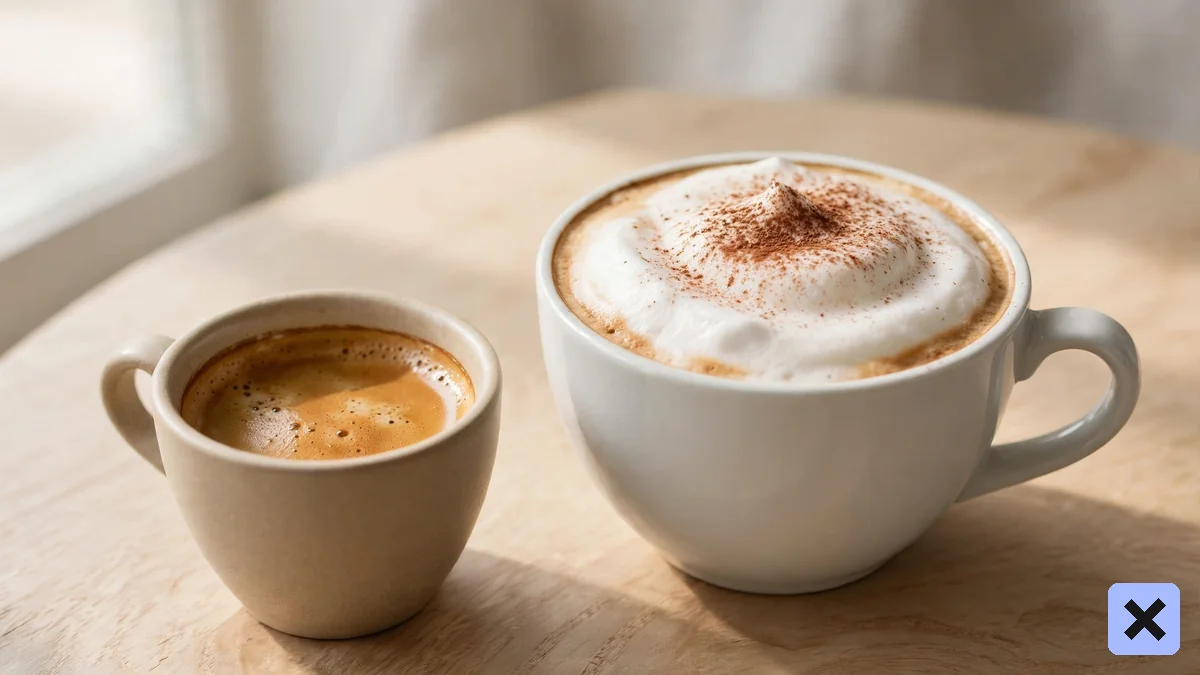
Espresso vs cappuccino: which coffee has more flavour? The honest answer is that it depends on what you mean by flavour, because these two drinks start from the same place and end up in completely different territory. Both are built on a shot of espresso, yet one is a small, intense jolt of pure coffee and the other is a soft, milky cup where the coffee plays a supporting role.
If you love bold, concentrated taste, espresso will win every time. If you prefer a rounder, sweeter and more forgiving cup, the cappuccino takes the crown. Neither drink is objectively better, but they reward very different palates.
This guide breaks down exactly how each drink is made, what creates its flavour, and where each one shines. By the end, you will know which cup suits your taste and how to make both properly at home.
Key takeaways
- Espresso has more flavour per sip because nothing dilutes the coffee.
- Cappuccino tastes sweeter and softer because steamed milk smooths the bitterness.
- Both drinks use the same espresso base; the difference is milk, volume and texture.
- The quality of the beans, the grind and the extraction matter more than the drink you choose.
- Try espresso when you want intensity and cappuccino when you want comfort.

What Espresso Really Is
Espresso is coffee made by forcing hot water through finely ground beans under pressure, usually around nine bars, for about 25 to 30 seconds. The result is a small serving, roughly 30 millilitres for a single shot, with a thick, syrupy body and a layer of golden foam on top called crema.
Because so little water is used, espresso is the most concentrated way to drink coffee. Every flavour in the bean is squeezed into a tiny cup, which is why a good espresso tastes vivid and layered, while a bad one tastes sour or flat. There is nowhere for poor beans or sloppy technique to hide.
The Crema Tells the Story
Crema is the reddish-brown foam that forms when pressurised water emulsifies the oils in the coffee. A thick, even crema with fine tiger striping usually signals fresh beans and a good extraction, while thin or pale crema often means stale coffee or a grind that is too coarse. Crema alone does not guarantee great flavour, but it is a useful first clue.
Espresso is also the foundation of almost every cafe drink, from lattes to flat whites. When you compare espresso compared with filter coffee, the difference is immediately clear: filter coffee is lighter and more delicate, while espresso is dense, intense and far more concentrated in every sip.
What a Cappuccino Really Is
A cappuccino is a single or double shot of espresso topped with steamed milk and a thick cap of milk foam, traditionally in roughly equal thirds: one third espresso, one third steamed milk and one third foam. A standard cappuccino is about 150 to 180 millilitres, several times the volume of a straight espresso.
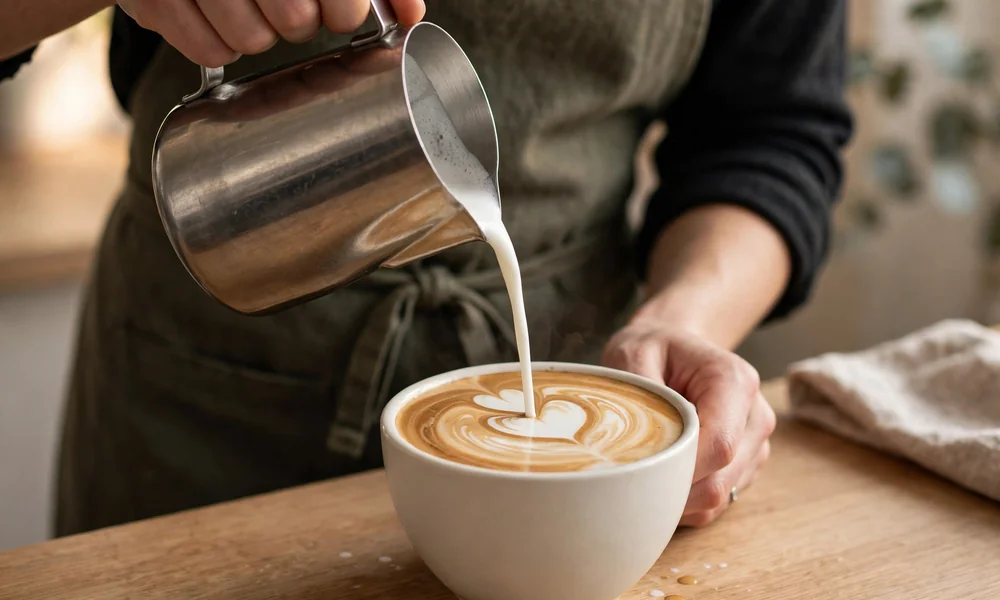
The milk is the star here as much as the coffee. Properly steamed milk is heated to around 60 to 65 degrees and stretched with air to create a smooth, glossy microfoam that feels like wet paint. The foam is poured over the espresso, and the finished drink is often dusted with cocoa.
The result is a drink that feels warm, creamy and gentle. The milk softens the sharp edges of the espresso, adds natural sweetness from its lactose, and turns a quick jolt into a slow, comforting cup most people find far easier to enjoy.
Espresso vs Cappuccino: Flavour Head to Head
Put the two cups side by side and the contrast is striking: the espresso is dark, intense and complex, while the cappuccino is pale, soft and mellow. The table below sums up the key differences.
| Feature | Espresso | Cappuccino |
|---|---|---|
| Serving size | 30 ml (single shot) | 150 to 180 ml |
| Coffee flavour | Intense and concentrated | Mild and rounded |
| Sweetness | Depends on the bean | Naturally sweeter from milk |
| Texture | Syrupy and dense | Light, airy and creamy |
| Bitterness | More noticeable | Softened by milk |
| Caffeine per cup | About 63 mg | About 63 to 126 mg |
| Best for | Tasting the bean | A gentle, comforting cup |
The most important row is the second one. Espresso delivers the full character of the bean with nothing in the way, so you taste the roast, the origin and the extraction itself. A cappuccino still contains the same espresso, but the milk spreads those flavours across a much larger volume, so each sip is gentler and less distinct.
That is why coffee lovers often say espresso has more flavour, while casual drinkers say cappuccino tastes better. Both are right, because they are measuring different things: intensity on one side and pleasure on the other.
Why Espresso Tastes Stronger
Strength in coffee comes from the ratio of coffee to water, and espresso has the most extreme ratio of any brewing method. Around 18 grams of ground coffee produce just 36 grams of liquid for a double shot, so the dissolved flavours are packed into a tiny volume.
Pressure plays a part too. Forcing water through the grounds extracts oils and compounds that slower methods leave behind, giving espresso its heavy body and lingering finish. Those oils carry much of the aroma, which is why a fresh espresso smells so powerful the moment it is poured.
Temperature and freshness matter as well. Espresso is served immediately after brewing, so the volatile aromas are at their peak. Wait a few minutes and the crema fades and the flavour flattens noticeably.
Why Cappuccino Tastes Sweeter and Softer
Milk changes coffee in two ways. First, it dilutes the espresso, spreading the same amount of coffee flavour through far more liquid. Second, steaming milk breaks down its lactose into simpler sugars, which makes it taste sweeter than cold milk, even though nothing has been added.
The foam adds another layer. Airy microfoam feels soft on the tongue and carries the first flavours you taste, which is why the opening sips are often the sweetest, before the espresso comes through more strongly.
None of this means a cappuccino is a weak drink. A well-made one still has a clear coffee backbone, and a skilled barista balances the milk so the espresso is softened, never hidden. If your cappuccino tastes like warm milk, the shot was too small or the milk was overheated.
The Role of Milk in Flavour
Milk is not a neutral ingredient. Whole milk gives the richest flavour and the smoothest foam, because its fat carries flavour and steadies the bubbles. Skimmed milk makes a lighter, drier foam that fades quickly, while oat milk adds gentle sweetness.
Temperature is the other critical factor. Milk steamed past about 70 degrees starts to taste cooked and loses its sweetness, which is why overheated cappuccinos taste flat and dull. The sweet spot is 60 to 65 degrees, hot enough to warm but cool enough to keep the milk tasting fresh.
Beans, Roast and Grind
The beans matter more than the drink. A bright, fruity Ethiopian bean makes a lively espresso with notes of berries and citrus, while a chocolatey Brazilian bean makes a smooth, nutty cappuccino. The same bean can taste completely different in the two drinks, so try a few origins to find your favourite.
Roast level matters too. Medium roasts usually strike the best balance, keeping enough acidity for interest while developing the sugars that make espresso taste sweet. Very dark roasts can taste bold as espresso but turn bitter in a cappuccino, where milk cannot hide the burnt notes.
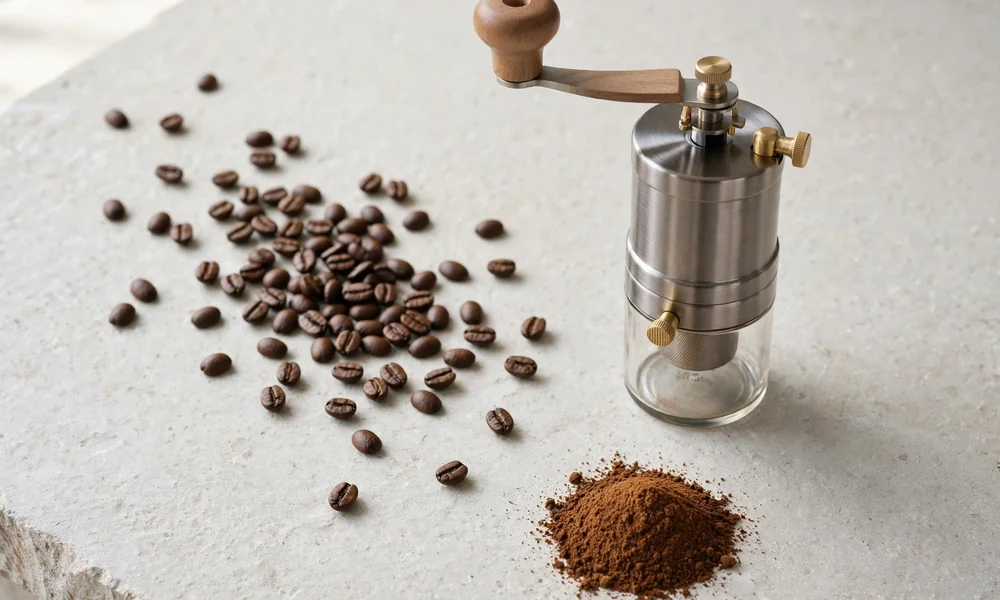
Grind is where most home brewers go wrong. Espresso needs a fine, even grind, almost like table salt, and a tiny change in grind size can turn a sweet shot sour or bitter. That is why the best coffee grinders for home use a burr mechanism rather than blades, producing the consistent particles that good extraction depends on.
How to Brew Each One at Home
You do not need a cafe to enjoy either drink, but you do need the right basics. A decent espresso machine, fresh beans and a good grinder will take you further than any fancy accessory, and the best espresso machines for home now include models that steam milk well enough for a proper cappuccino.
Your Brewing Checklist
- Buy whole beans roasted within the last three weeks and grind just before brewing.
- Dose 18 grams of coffee for a double shot and aim for about 36 grams of liquid in 25 to 30 seconds.
- Warm your cup first so the espresso stays hot while you drink it.
- For a cappuccino, steam cold whole milk to 60 to 65 degrees and aim for glossy microfoam, not stiff bubbles.
- Pour the milk slowly into the espresso, starting high and finishing close to the surface.
- Taste the espresso on its own first, then as a cappuccino, and notice how the milk changes the flavour.
Common Mistakes to Avoid
The most common mistake is using stale beans. Coffee loses its aroma quickly after roasting, and stale beans make a flat espresso and a dull cappuccino no matter how good your machine is. The second is overheating the milk, which kills its sweetness and dries the foam. The third is skipping the scale: guessing your dose makes consistency almost impossible.
Which Coffee Has More Flavour? The Honest Answer
If flavour means intensity, concentration and complexity, espresso wins clearly. Nothing else delivers so much taste in so little liquid, and a great espresso is one of the most vivid experiences in coffee.
If flavour means enjoyment, balance and the pleasure of the whole cup, cappuccino has a strong claim. The milk adds sweetness, softens bitterness and creates a texture that espresso cannot match. Many people who find espresso too harsh love the same coffee as a cappuccino.
The fairest verdict is that espresso has more flavour and cappuccino has the more forgiving flavour. Choose espresso when you want to taste the bean itself, and choose cappuccino when you want a warm, gentle cup that you can linger over. Better still, try both with the same beans and decide for yourself.
Frequently Asked Questions
Does espresso or cappuccino have more caffeine?
A single shot of espresso has about 63 milligrams of caffeine, and a cappuccino made with a double shot has about 126 milligrams. Per millilitre espresso is far stronger, but a cappuccino often has more overall because it uses a double shot.
Is a cappuccino just espresso with milk?
Almost, but the milk is steamed and foamed in a specific way, and the proportions matter. A cappuccino uses roughly equal parts espresso, steamed milk and foam, which gives it a lighter texture than a latte or flat white.
Which drink is better for beginners?
A cappuccino is the friendlier starting point, because the milk softens the intensity of the espresso. Once you enjoy cappuccinos, try a straight espresso to test the undiluted flavour.
Can you make a cappuccino without an espresso machine?
You can make a close version with a stovetop moka pot for the coffee and a French press or handheld frother for the milk. It will lack true crema, but can still taste very good.
Why does my cappuccino taste like warm milk?
The likely cause is too much milk for the espresso, or milk that was overheated. Try a double shot, use less milk, and stop steaming at 60 to 65 degrees.
Does the type of milk change the flavour?
Yes, noticeably. Whole milk gives the richest taste and the best foam, skimmed milk is lighter and drier, and oat milk adds sweetness. Experiment to find your favourite.
The Bottom Line
Espresso has more flavour in every sip, but cappuccino turns that flavour into a softer, sweeter and more comforting cup. Neither is the wrong choice. Order the espresso when you want intensity, order the cappuccino when you want comfort, and let your own taste settle the debate.