Choosing between espresso vs filter coffee daily is less about which coffee is better in some absolute sense and more about which one fits the way you actually live, work, and wake up. Both start with the same beans and hot water, yet they feel completely different in the cup and in the morning routine around them.
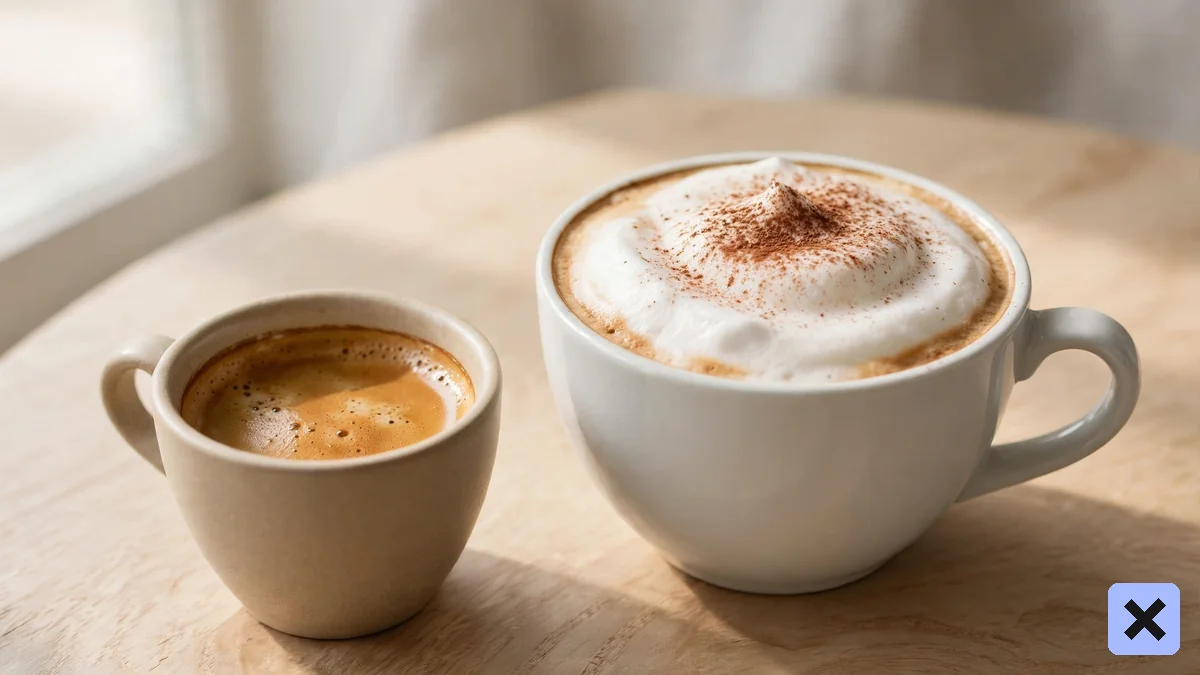
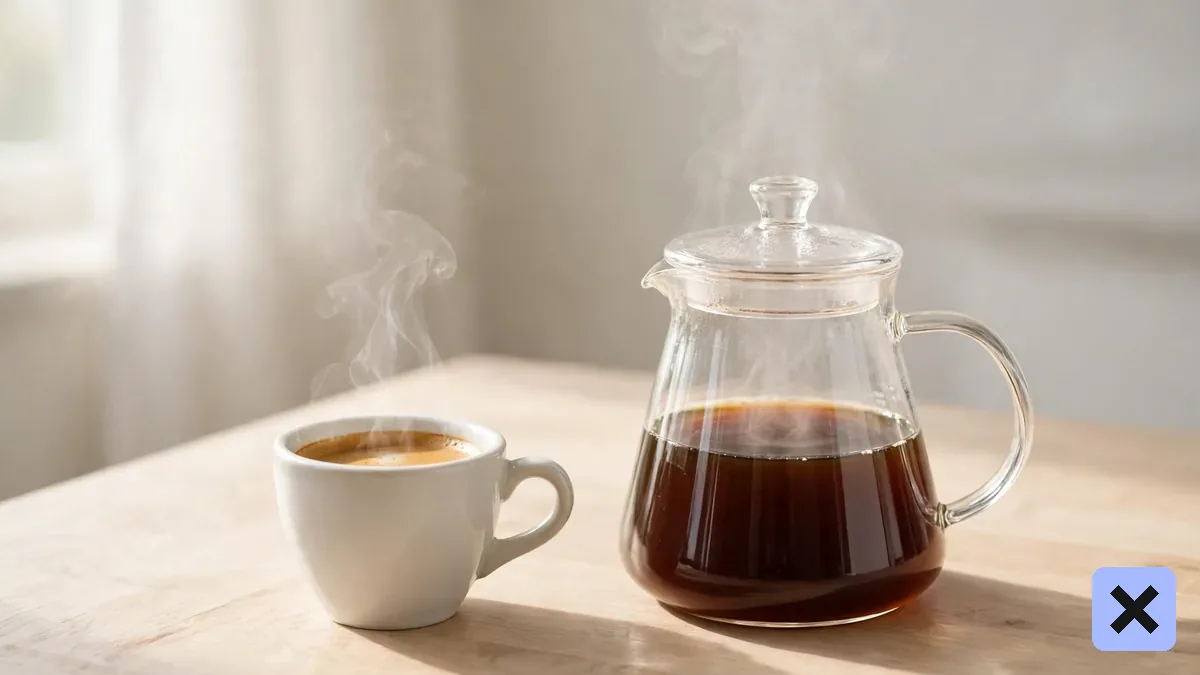
Espresso is small, intense, and fast. A single or double shot arrives in under a minute, topped with golden crema, and delivers a concentrated hit of flavour that can be drunk straight or stretched into a flat white, a latte, or a long black. Filter coffee is slower, gentler, and more generous. It fills a mug, invites a second cup, and rewards a quiet ten minutes at the table.
This guide compares the two side by side for everyday drinking. It looks at flavour, caffeine, cost, time, equipment, and daily habits, so you can pick the brew that suits your mornings.
Key takeaways
- Espresso is concentrated and intense, while filter coffee is lighter, smoother, and easier to drink in larger amounts.
- A standard filter mug usually contains more total caffeine than a single espresso shot, even though espresso tastes stronger.
- Espresso needs a good machine and a finer grind, while filter coffee needs simpler, cheaper equipment and less practice.
- Filter coffee suits slow mornings and long work sessions; espresso suits quick starts, small cups, and milk-based drinks.
- The best daily choice is the one you will enjoy making every day, not the one that sounds most impressive.

What Espresso Really Is
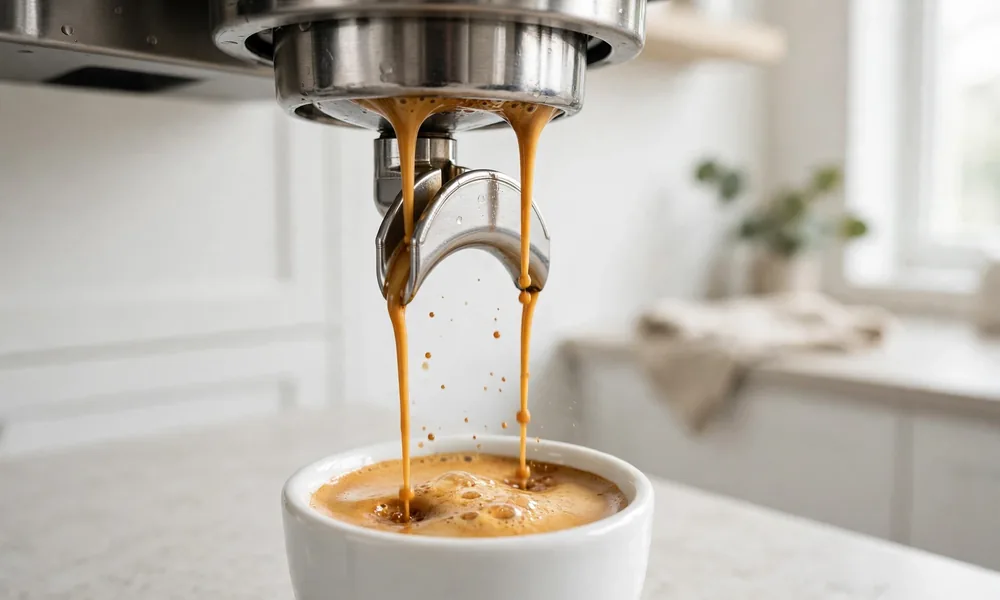
Espresso is coffee made by forcing hot water through finely ground coffee under high pressure, usually around nine bars, for about twenty-five to thirty seconds. That pressure is what sets it apart, extracting oils quickly and creating crema, the reddish-gold foam on top of a well-pulled shot.
The result is a small drink, typically thirty to sixty millilitres, with a thick body and a bold, layered flavour. You may taste dark chocolate, toasted nuts, red fruit, or caramel, depending on the beans and the roast, but the flavours arrive close together and with real intensity.
Because the shot is so small, espresso is also a base. Add hot water and you have an Americano or long black; add steamed milk and you have a flat white, latte, or cappuccino. That flexibility is one reason espresso machines are so popular at home, and it is worth reading a guide to the best espresso machines for home before you buy, because the machine, the grinder, and the beans matter just as much as the recipe.
Who Espresso Suits Best
Espresso suits people who like strong flavour in a small cup and enjoy a short ritual. If you drink coffee mainly for a quick lift before work, or you love milk-based drinks and want café-style results at home, espresso is a natural fit. It suits less well anyone who wants a large, gentle mug to sip for an hour, and it demands more care: the grind, the dose, and the freshness of the beans all show up in the cup.
What Filter Coffee Really Is
Filter coffee, also called drip coffee, is made by letting hot water pass slowly through medium-ground coffee in a paper or metal filter, pulled down by gravity rather than pushed by pressure. The brew takes several minutes, with far longer contact between water and grounds than in an espresso shot.
That slow extraction produces a clean, clear cup with a lighter body and a more open flavour. You can taste floral notes, citrus, stone fruit, or gentle sweetness that might be buried under the intensity of espresso. It is usually served in a full mug, around two hundred and forty millilitres, and stays pleasant as it cools, which makes it ideal for slow sipping.
Filter brewing is also forgiving and affordable. A pour-over dripper, a Chemex, or a simple drip machine costs far less than an espresso machine, uses less electricity, and is easier to clean. If you are comparing equipment, a round-up of the best coffee makers for home will show how many good filter options exist at modest prices.
Who Filter Coffee Suits Best
Filter coffee suits people who drink more than one cup, who work at a desk for hours, or who like to make a pot for the household. It is the better choice for a slow breakfast or a shared pot on a weekend. It is less ideal if you only want a tiny, intense hit, or if you love thick, syrupy texture and rich crema.
Espresso vs Filter Coffee: Head to Head
The table below sums up the main differences at a glance. The right choice depends on which rows matter most to you.
| Feature | Espresso | Filter Coffee |
|---|---|---|
| Serving size | 30–60 ml per shot | 180–350 ml per mug |
| Flavour | Intense, bold, syrupy | Clean, light, nuanced |
| Body and texture | Thick, with crema | Light and smooth |
| Caffeine per serving | About 60–75 mg per shot | About 95–165 mg per mug |
| Brew time | 25–30 seconds per shot | 3–6 minutes per pot or mug |
| Equipment cost | Higher, machine and grinder | Lower, dripper or drip machine |
| Skill needed | More practice and precision | Simple and forgiving |
| Best for | Quick lift, milk drinks | Slow sipping, shared pots |
Espresso wins on intensity and speed per shot, while filter wins on volume, simplicity, and cost. Neither wins on every row, which is why so many coffee lovers keep both methods and choose according to the day.
Taste, Strength, and Caffeine
Taste is where the two drinks differ most clearly. Espresso tastes stronger because it is more concentrated, with more dissolved coffee per millilitre. Filter coffee tastes lighter because it is more dilute, but that does not mean it is weaker in flavour. A well-brewed filter cup can show delicate notes that espresso compresses, and many light-roast beans taste better as filter coffee.
Strength is often confused with caffeine, and the two are not the same. A single espresso shot contains roughly sixty to seventy-five milligrams of caffeine, while a standard mug of filter coffee contains roughly ninety-five to one hundred and sixty-five milligrams. In other words, the drink that tastes milder can deliver more caffeine overall, simply because you drink more of it.
That matters for daily drinking. One double espresso gives about one hundred and twenty to one hundred and fifty milligrams of caffeine, while two large mugs of filter coffee can give two hundred to three hundred milligrams without you noticing, because each cup feels gentle. It is worth knowing which pattern fits your sleep and your sensitivity to caffeine.
How Roast and Beans Change the Result
Dark roasts tend to suit espresso, because their bold, chocolatey flavours hold up under pressure and blend well with milk. Light and medium roasts tend to shine as filter coffee, because the slower brew lets their brighter, fruitier notes come through. Freshness matters for both: beans taste best within a few weeks of roasting, and grinding just before brewing makes a clear difference.
Cost, Time, and Daily Effort
Cost is a real difference for daily drinking. A decent home espresso machine, plus a grinder capable of a fine, even grind, can cost several hundred pounds or dollars, and a good machine needs regular cleaning, descaling, and occasional part replacements. That cost takes a long time to pay back if you only drink one shot a day.
Filter equipment is far cheaper to start and to run. A pour-over dripper costs very little, a good drip machine costs much less than an espresso machine, and paper filters are inexpensive. Cleaning is usually a quick rinse. Over a year of daily drinking, filter coffee is almost always the cheaper habit at home.
Time tells a different story. An espresso shot brews in under a minute once the machine is warm, although warming up, grinding, and cleaning add several minutes. Filter coffee takes three to six minutes, but most of that time is hands-off, and you can make several cups at once. For two or more people, filter is usually faster overall; for a single quick drink, espresso can feel faster. Filter brewing is calm and repeatable: weigh the coffee, pour the water, wait, and drink.

Health, Sleep, and Daily Habits
Black coffee, in either form, is low in calories, with no sugar and no fat. The differences come from what you add and how much you drink: milk-based espresso drinks can add calories, while filter coffee is more often drunk black. Caffeine timing matters more than the method. A morning cup can sharpen focus, while a late-afternoon cup can disturb sleep. For a broader look at morning drinks, see this guide to coffee vs tea for morning energy.
Which One Should You Drink Every Day?
There is no single best answer, because the best daily coffee is the one that fits your taste, your time, and your kitchen. Some people drink espresso on weekdays, when mornings are short, and filter coffee at weekends, when mornings are slow. Others pick one method and enjoy it every day. Both approaches work.
Think about your mornings honestly. If you wake up early and like a warm mug beside you while you plan the day, filter coffee will probably make you happier. If you wake up late, want a fast lift, and love a flat white on the way out, espresso will probably serve you better. If you have a small budget or little patience for cleaning, start with filter coffee and a good grinder. If you have room for a machine and drink milk-based coffee most days, espresso is worth the investment.
Your Daily Coffee Checklist
- Choose the method that fits your morning time, not the one that sounds most impressive.
- Buy fresh beans and grind just before brewing whenever you can.
- Use clean, filtered water and the right grind size for your method.
- Keep your serving size in mind, because a large filter mug holds more caffeine than a single shot.
- Clean your equipment regularly so old oils never spoil a fresh brew.
- Stop drinking coffee at least eight hours before bed if your sleep feels light.
Frequently Asked Questions
Is espresso stronger than filter coffee?
Espresso tastes stronger and is more concentrated per millilitre, but a standard mug of filter coffee usually contains more total caffeine than a single espresso shot, because the serving is much larger.
Which is healthier, espresso or filter coffee?
Both are healthy when drunk black and in moderation. Filter coffee may have a slight edge because paper filters trap some oils, but the difference is small compared with what you add.
Can I drink espresso every day?
Yes, most healthy adults can drink espresso daily. One or two shots in the morning is a normal habit, but cut back if you notice restlessness or poor sleep.
Is filter coffee cheaper than espresso?
Yes, filter coffee is almost always cheaper at home. The equipment costs less, it is simpler to maintain, and it uses inexpensive filters, while a good espresso machine and grinder are a much larger upfront investment.
Which tastes better, espresso or filter coffee?
That depends on your taste and the beans. Espresso is bold, thick, and intense, while filter coffee is clean, light, and nuanced, so try the same beans both ways.
Can I make both with the same beans?
Yes, you can use the same beans for both methods, but you need a different grind size. Espresso needs a fine grind, while filter coffee needs a medium grind, and using the wrong grind will make either drink taste bitter or weak.
The Bottom Line
Espresso vs filter coffee daily comes down to a simple choice: a small, intense shot for a fast start, or a large, gentle mug for a slow morning. Espresso wins on concentration, milk drinks, and speed per cup, while filter coffee wins on flavour clarity, simplicity, cost, and easy sipping. Pick the one that fits your mornings, buy fresh beans, and brew it well.