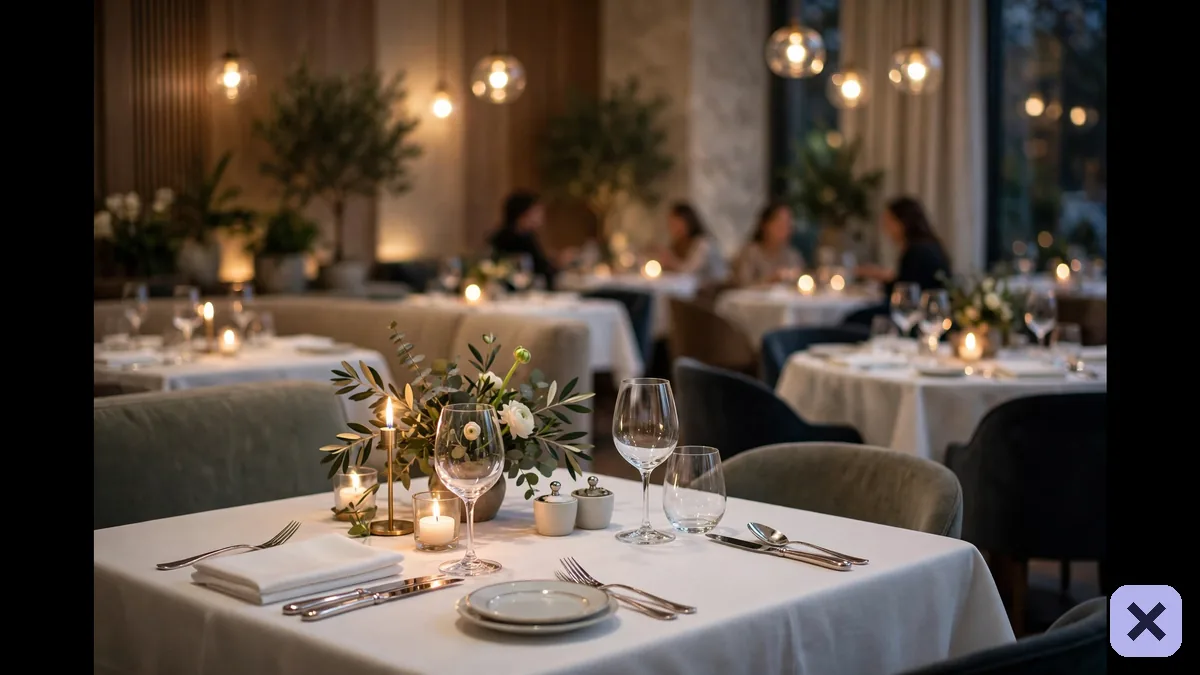
Fine dining is not a test, but it can certainly feel like one. The room is quiet, the table is dressed, and every small choice seems to carry more weight than it would in an ordinary restaurant. The worst fine dining mistakes guests make are rarely dramatic. They are small, avoidable slips: arriving late, ordering without reading the room, or paying for a tasting menu and then fighting it course by course.
The good news is that almost every one of these mistakes is easy to avoid. Fine dining rewards curiosity, patience, and respect far more than knowledge of wine vintages or the correct fork. You do not need to know every rule of etiquette. You need to arrive on time, communicate clearly, trust the kitchen, and treat the evening as an experience rather than a transaction.
This guide covers the most common fine dining mistakes, from booking to paying the bill. It explains why each one matters, how it affects the food and the people around you, and what to do instead. Avoid them and the evening will be better.
Key takeaways
- Arrive on time and dressed for the room, because a late arrival disrupts the kitchen and your own first course.
- Read the menu before you order, and do not ask the kitchen to rebuild a dish designed as a whole.
- Treat a tasting menu as a commitment: if you do not want the full experience, choose à la carte.
- Be polite and honest with staff about allergies and problems, and raise issues early, not at the bill.
- Slow down, put the phone away, and let the meal set the pace instead of rushing through it.
Arriving Unprepared
The meal begins long before the first course, with the booking, the journey, and the way you walk through the door. Guests who treat those steps as unimportant often spend the first twenty minutes catching up and apologising, while the kitchen waits.
Arriving Late
Lateness is the most common and most damaging fine dining mistake. A kitchen works to a precise rhythm, especially with a tasting menu. Courses are timed, sauces are finished at the last moment, and tables are turned on a schedule. Arrive twenty minutes late and the kitchen must either rush your early courses or delay the table after you.
Ordering Mistakes
Ordering is where many guests undo their own evening. They order too much, too little, or the wrong thing, then spend the meal regretting it. Menus are designed with balance in mind: rich dishes follow light ones, and flavours build across the meal. Working with that design makes the food taste better.
Overordering to Impress
Ordering the most expensive dish, the largest tasting menu, and the grandest bottle does not impress anyone except, briefly, the bill. It often leaves guests overfull by the third course, unable to enjoy the dishes they most wanted to try. Fine dining is about quality and sequence, not quantity.
Order for appetite and interest, not for status. A three-course meal may suit you better than a ten-course tasting menu. If you want the tasting menu, eat lightly during the day and clear your evening. The kitchen would rather serve a meal you finish with pleasure than a feast you abandon halfway through.
Rebuilding a Dish
Asking for a dish without its sauce, with a different protein, and with the garnish removed is not ordering; it is redesigning. A dish is composed with each element there for a reason, and removing one part often unbalances the rest. Small changes for allergies or dietary needs are reasonable and should be mentioned in advance. Wholesale redesigns are not.
If a dish does not appeal to you, choose a different one. Staff can guide you toward a dish that fits without dismantling another. When you need a change, ask politely, explain the reason briefly, and accept the kitchen’s answer gracefully. A request made at booking is far more likely to be accommodated than a long list of demands at the table.
Ignoring the Menu
Some guests order without reading the menu at all, then ask the waiter to explain every dish, or order a dish they have not understood and complain when it arrives as described. This wastes time and leads to disappointment that thirty seconds of reading could have avoided.
Read the menu before the waiter arrives. Note the dishes that interest you and check for ingredients you dislike or cannot eat. If a term confuses you, ask one clear question. An overloaded menu can ruin even a good restaurant, and the best response is to slow down, focus on two or three dishes, and let the staff help you choose.
Table Manners and Behaviour
Etiquette is less about memorising rules and more about making the people around you comfortable. The guests who enjoy themselves most are usually relaxed, considerate, and aware of the room. The mistakes here are the ones other diners notice first, and the easiest to fix.
Using the Phone at the Table
A phone glowing through every course is the modern equivalent of reading a newspaper at dinner. It tells your companions that something elsewhere is more interesting than they are, and tells the staff you are not really present. A quick photograph of a beautiful dish is fine in most restaurants. Scrolling, texting, or taking calls through the meal is not.
Put the phone away, on silent, in a pocket or bag. If you expect an urgent call, tell your companions in advance and step outside to take it. Take one or two photographs quickly, then return to the meal. The food and the conversation will both be better, and the evening will feel like an occasion.
Treating Staff Poorly
No mistake damages an evening faster than rudeness to staff. Snapping fingers, shouting across the room, or complaining loudly to impress a table all show a guest who has forgotten that the people serving them are professionals doing skilled work. Staff remember rude guests, and other diners notice them too.
Speak to staff as you would to any professional: politely, clearly, and with thanks. Make eye contact, and say please and thank you without making a performance of it. If something is wrong, raise it calmly and early, so the team has a chance to fix it. A guest who is kind and clear gets better service than one who demands it.
Wine, Service, and the Bill
The second half of a meal brings its own traps. Wine lists can be intimidating, service can be misunderstood, and the bill can produce an awkward silence that undoes a lovely evening. A little preparation and honesty make all three far easier.
Ordering Wine to Show Off
The wine list is not a competition. Ordering the most expensive bottle, or one you cannot pronounce and do not enjoy, impresses nobody and often pairs badly with the food. The sommelier is there to help, not to judge, and would rather recommend a modest bottle that suits your dishes than sell a trophy wine that fights them.
Give the sommelier a budget and a few clues: the dishes you ordered, whether you prefer red or white, and whether you like light or full-bodied wines. Ask for a recommendation by the glass if you want different wines with different courses. If you do not drink alcohol, say so early; good restaurants offer thoughtful non-alcoholic pairings.
Not Speaking Up About Problems
Many guests suffer in silence through a cold dish or a wrong order, then complain afterwards in a review or at the bill. This helps nobody. The kitchen cannot fix a problem it does not know about, and a quiet word early in the meal is far more effective than a complaint after the plates are cleared.
Mishandling the Bill and Tip
The bill is not the moment to renegotiate the meal. Guests who argue over every line, refuse to pay for a dish they ate in full, or leave no tip after excellent service create an uncomfortable ending. If a genuine error appears on the bill, raise it calmly and specifically. If a service charge is already included, check before adding a further tip. The same care that avoids common hotel booking mistakes on a trip will keep a dinner booking smooth from reservation to payment.
What a Great Fine Dining Evening Looks Like
A great fine dining evening is not about perfection. It is about attention: arriving ready, ordering thoughtfully, treating people well, and giving the meal the time it deserves. The guests who enjoy it most are curious, open, and relaxed enough to let the kitchen lead, and who know how to spot the best fine dining value on the menu before they order.
| Mistake | What happens | What to do instead |
|---|---|---|
| Arriving late | Courses are rushed and the next table waits | Arrive ten minutes early and call if delayed |
| Overordering | You are too full to enjoy the best dishes | Order for appetite, not for status |
| Rebuilding a dish | The balance of flavours is lost | Choose a different dish or ask early |
| Phone at the table | Conversation and attention suffer | Put the phone away on silent |
| Staying silent about problems | The kitchen cannot fix what it does not know | Raise issues politely and early |
Remember one idea above all: fine dining works best when guests and staff work together. The kitchen brings skill, ingredients, and imagination. You bring appetite, curiosity, and good manners. Together, those make an evening worth remembering.
Fine Dining Checklist
- Book in advance, note allergies and dietary needs, and confirm the reservation time.
- Read the menu and prices online, and decide between the tasting menu and à la carte.
- Arrive ten minutes early, dressed for the room, with your phone on silent and out of sight.
- Order for appetite and interest, ask the sommelier for help, and accept the kitchen’s guidance.
- Raise any problem politely and early, while the kitchen can still fix it.
- Slow down, enjoy the pauses, agree on the bill in advance, and thank the staff before you leave.
Frequently Asked Questions
What is the biggest fine dining mistake guests make?
Arriving late, because it disrupts the kitchen’s timing, delays other tables, and forces your own courses to be rushed.
Is it rude to take photos of food in a fine dining restaurant?
One or two quick photographs are acceptable in most restaurants, but filming every course, using a flash, or standing up to photograph the table is disruptive. Keep it brief, silent, and discreet, then put the phone away.
Should I tell the restaurant about allergies in advance?
Yes. Tell the restaurant when you book and remind your waiter when you order. Advance notice gives the kitchen time to prepare a safe alternative, while a last-minute announcement limits what can be done.
What should I wear to a fine dining restaurant?
Dress smartly and comfortably: a clean shirt or blouse, smart trousers or a dress, and closed shoes. Check the website for a dress code, and dress slightly smarter if unsure. Avoid shorts, flip-flops, and gym clothes.
Is it okay to ask the sommelier for a cheaper wine?
Yes, and good sommeliers welcome it. Give a budget, describe what you like, and ask for a recommendation that pairs well with your food. A well-chosen modest bottle beats an expensive bottle chosen at random.
How long should a fine dining meal take?
A three-course meal usually takes about two hours, while a tasting menu can take three hours or more. Plan your evening around that timing, and tell the restaurant if you have a deadline.
The bottom line: The worst fine dining mistakes are not about knowing obscure rules. They are about arriving late, ordering without thought, ignoring the people serving you, and rushing a meal designed to be savoured. Arrive on time, read the menu, trust the kitchen, treat staff with respect, and give the evening the time it deserves.