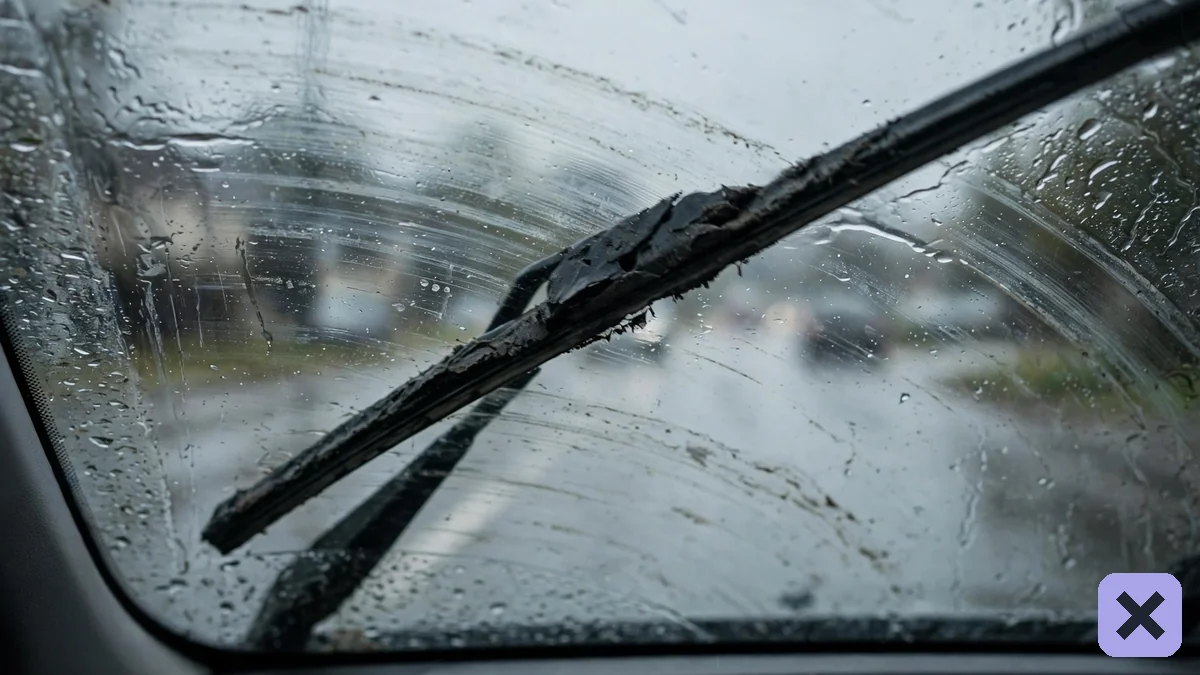
The worst windscreen wipers are the ones you only notice when it is too late. Rain starts falling on a busy road, you flick the stalk, and instead of a clear view you get a smeared arc of water, a juddering blade and a road that looks as if it is being seen through frosted glass.
Bad wipers do not just annoy you. They slow your reactions, hide hazards in heavy rain and turn night driving into guesswork, because every oncoming headlight scatters through the film of water they leave behind. They can scratch the glass, damage the wiper arms and even fail altogether in the middle of a storm,.
This guide looks at the worst windscreen wipers on the market, the warning signs that yours have joined their ranks, and how to choose a set that actually clears the glass. It covers cheap blades, universal-fit blades, premium blades that overpromise, and the mistakes that ruin decent wipers.
Key takeaways
- The worst windscreen wipers streak, chatter and skip instead of clearing the glass in one smooth pass.
- Cheap blades often use hard rubber that cracks within months and can scratch the windscreen.
- Universal-fit blades frequently leave unwiped patches at the edges of the glass.
- Most wipers need replacing every six to twelve months.
- Correct size, clean glass and a clean blade matter more than brand names or fancy coatings.
Why Bad Wipers Are Worse Than You Think
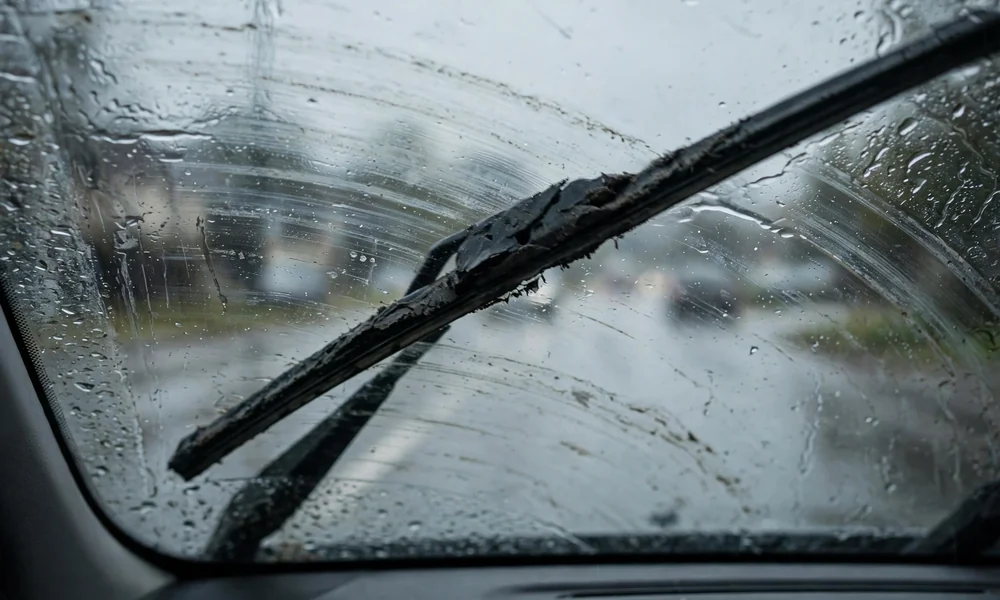
Your windscreen wipers are your only defence against rain, spray, snow, insects and road grime, and they work harder than almost any other part of the car. A blade sweeps the glass thousands of times in a wet month, dragging rubber across dust, salt, oil and grit. Good rubber presses evenly and clears the water in one clean sheet; bad rubber leaves it where it is.
The safety cost is easy to underestimate. Poor visibility makes drivers slower to spot hazards, worse at judging distances and more likely to brake late. A smeared windscreen at night is worse still, because headlights from other cars bloom and scatter across the film of water, hiding a pedestrian, a cyclist or a stopped car until you are almost on top of them. A blade that has lost its rubber exposes the metal frame, which gouges the glass, and a new windscreen costs many times what decent wipers cost.
The Worst Windscreen Wipers You Can Buy
Not all bad wipers are cheap, and not all cheap wipers are bad. The worst ones share a pattern: they look fine in the packaging, feel acceptable for the first few weeks, and then fall apart exactly when the weather turns.
The Cheapest Blades on the Shelf
The bargain-bin blades sold at petrol stations and discount stores are often the worst windscreen wipers of all. They use hard, low-grade rubber that cannot follow the curve of the glass, so they leave unwiped bands at the top and bottom of their sweep. Cold weather stiffens it; hot weather dries and cracks it. Saving a few pounds here is a false economy.
Wipers That Chatter, Skip and Smear
Chattering is the sound of a blade dragging rather than gliding, and it is one of the clearest signs of a bad wiper. It happens when the rubber has hardened, the blade angle is wrong, or the arm is not pressing the blade evenly against the glass. Skipping is closely related: the blade jumps across the glass instead of sweeping smoothly, leaving bands of water behind with every pass. Smearing is the third: the blade moves water around instead of removing it, leaving a greasy haze.
Universal Fit Blades That Fit Nothing
Universal-fit blades promise to fit every car, and that promise is the problem. Windscreens vary enormously in curvature, size and wiper arm design, and a blade designed to fit everything usually fits nothing properly. Usually the blade is too short, leaving a wide unwiped margin, or too long, so the tip lifts off at the end of each sweep. The adaptors are another weak point: pick the wrong plastic clip, or let one work loose, and the blade can detach from the arm entirely.
Old-School Framed Blades in the Wrong Climate
Traditional framed wipers, with their metal skeleton and multiple pressure points, are not inherently bad. The problem is that the cheapest framed blades use exposed metal joints that corrode, seize and rust, especially in wet or salty climates. Once a joint seizes, the blade cannot flex, pressure becomes uneven, and the glass is only wiped in patches. In winter, snow and ice pack into the frame and freeze the joints solid, so the blade no longer matches the curve of the glass. Beam blades have no exposed frame, so they handle snow far better.
Fancy Coated Blades That Promise Too Much
Some of the most disappointing wipers are the expensive ones. Blades coated in graphite, silicone or water-repellent treatments promise silent wiping, a beading windscreen and a blade that lasts twice as long. A silicone blade that has lost its coating can smear worse than plain rubber, and a worn-off water-repellent treatment leaves a patchy haze. Coatings are a bonus, not a substitute for good rubber, and a plain beam blade from a reputable maker will outperform a gimmicky coated blade almost every time.
How to Tell Your Wipers Are Finished
Wipers rarely fail overnight. Learning to read them is the difference between a five-minute driveway replacement and a white-knuckle drive home in a storm. The table below covers the most common symptoms, what causes them and what to do about them.
| Symptom | Likely cause | What to do |
|---|---|---|
| Streaks in one or two lines | Cracked or torn rubber edge | Replace the blade straight away |
| Chattering or juddering | Hardened rubber or bent arm | Clean the blade, then replace it if it continues |
| Skipping across the glass | Stiff rubber or wrong blade angle | Replace the blade and check the arm |
| Unwiped patches at the edges | Wrong size or worn frame joints | Fit the correct size for your car |
| Squeaking on a wet screen | Dry, aged rubber or dirty glass | Clean glass and blade, replace if it persists |
| Blade lifts at speed | Weak frame or wrong aerodynamic design | Fit a beam blade made for your car |
A simple test takes thirty seconds: lift each blade and run a finger along the rubber edge. Smooth and flexible is good; rough, cracked or brittle means it is finished.
What Actually Makes a Good Wiper
Good wipers come down to three things: rubber that stays flexible, a design that presses evenly across the whole blade, and the correct size for your car. Get them right and almost any reputable blade will do; get one wrong and even an expensive blade will disappoint.
Beam Blades vs Conventional Blades
Beam blades, also called flat blades, use a single spring-steel spine instead of a metal frame, and they press evenly along their whole length. They handle curved windscreens better, have no joints to seize or freeze, and stay pressed to the glass at speed. Conventional framed blades are cheaper and still work well on flatter windscreens, especially on older cars designed for them. The choice matters less than the quality: a good framed blade beats a bad beam blade every time.
Size Matters More Than Brand
The single most common wiper mistake is fitting the wrong size. A blade that is too short leaves part of the glass unwiped, and a blade that is too long can collide with the other blade, overhang the glass or hit the trim at the edge of the windscreen. Many cars use different lengths each side, so check both, and the rear wiper too. Your handbook lists the correct sizes: the right size from a mid-range brand beats the wrong size from a premium one.
The Buying Checklist
Use this checklist every time you buy wipers.
- Check your handbook for the exact blade lengths, front and rear.
- Choose a blade made for your car, not a universal-fit blade with a bag of adaptors.
- Inspect the rubber before you buy: smooth, flexible and free of cracks.
- Prefer a beam blade for curved windscreens and winter driving.
- Replace both front blades together so they wear evenly.
- Clean the windscreen and new blades before the first drive.
Mistakes That Kill Wipers Early
Even the best wipers will not last if they are treated badly, and a surprising number of bad wipers started life as good ones. The most common killer is running the wipers on a dry windscreen. Without water to lubricate the sweep, the rubber drags across dry glass and wears down far faster than it should, and it can pick up grit that scores both the blade and the glass.
Ice is another killer. Using the wipers to clear a frozen windscreen can tear the rubber from the blade, and forcing a blade that is frozen to the glass can damage the wiper motor as well. Clear ice with a scraper and de-icer. Summer sun also dries out rubber, so parking in the shade adds months to their life. Dirt is the quiet killer too: traffic film, tree sap and bird droppings make the blades work much harder, and the grit in that film acts like sandpaper on the rubber. Wash the screen regularly, wipe the blades every few weeks, and use proper screenwash.
Finally, do not ignore the rest of the car. A weak arm spring, worn linkage or tired motor will make even a new blade perform badly. The same logic applies to the rest of your car care: just as car accessories that waste money are easy to buy and hard to justify, wiper upgrades are only worth it when the basics are right. A gritty sponge or a dirty wash mitt can also leave fine scratches that no wiper can fix, which is why it matters to avoid car washes that damage paint and glass. Before you spend money on another bottle, check out the car detailing products that disappoint and leave a hazy film on the glass.
Frequently Asked Questions
How often should windscreen wipers be replaced?
Most wipers need replacing every six to twelve months, depending on climate and use. Heat, cold and heavy rain all shorten their life, so replace them at the first sign of streaking, chattering or skipping.
Can bad wipers scratch the windscreen?
Yes. A blade with torn or missing rubber exposes the metal frame, which can gouge a permanent arc into the glass within a few wipes.
Are expensive wipers worth the money?
Sometimes. A well-made beam blade from a reputable brand is usually worth paying a little more for, because it wipes more evenly and lasts longer.
Should I replace both wipers at the same time?
Yes. Both blades face the same weather and wear at roughly the same rate, so replacing them together keeps the pressure even and the view consistent.
Why do my new wipers still streak?
New wipers can streak if the windscreen is dirty, if there is a film of wax or traffic grime on the glass, or if the wrong size was fitted. Clean the glass with a proper glass cleaner, wipe the new blades with a damp cloth, and check the fitment.
Can I fit wipers myself?
Yes, in most cases it takes less than ten minutes and no tools. Lift the arm away from the glass, release the old blade from its clip, slide the new one on until it clicks, and lower the arm gently back onto the screen.
The Bottom Line
The worst windscreen wipers are the ones that look like a bargain and turn into a hazard: cheap rubber that cracks, universal blades that fit nothing, framed blades frozen solid in winter, and premium blades whose coatings fail within weeks. Check the size for your car, choose a reputable beam blade, inspect the rubber, replace both blades every six to twelve months, and keep glass and blades clean. Good wipers cost little, take minutes to fit, and give you a clear view of the road ahead.