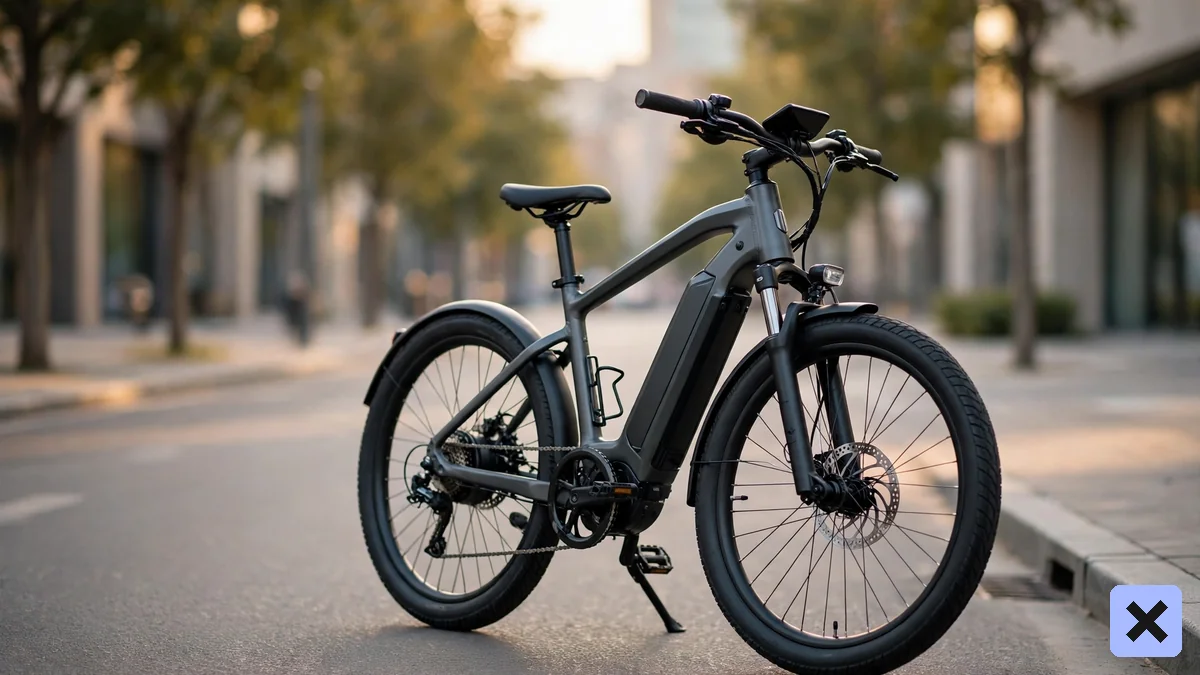
The best electric bikes 2026 offer something hard to find just a few years ago: real range, smooth power and everyday reliability at prices that make sense for ordinary riders. Whether you want to replace short car trips, arrive at work without needing a shower, or explore trails that once felt out of reach, there is an electric bike built for the job. The market has matured, and the gap between a good electric bike and a disappointing one has never been clearer.
Choosing well matters because an electric bike is a bigger commitment than a regular bicycle. The motor, battery, frame and brakes all work together, and a weak link shows up on every ride. A strong motor with a small battery brings range anxiety, while a big battery with cheap brakes feels unsafe at speed. The best electric bikes get the whole package right.
Below, we compare the leading types of electric bikes for 2026, explain what the motor and battery numbers mean, and give you a simple checklist to use before you spend anything.
Key takeaways
- Match the bike to your riding: commuters need reliability, trail riders need suspension and torque, families need cargo capacity.
- Look for 50 miles of realistic range if you ride daily, and treat manufacturer claims with healthy scepticism.
- Mid-drive motors climb better and feel more natural, while hub motors are simpler and usually cheaper.
- Hydraulic disc brakes are worth paying for on any electric bike that travels above 20 miles per hour.
- Test ride before you buy whenever possible, and check the motor and battery warranty in writing.

How We Picked the Best Electric Bikes
We judged every electric bike on five factors: ride quality, range, build quality, safety and value. Ride quality covers how natural the assistance feels, how the bike handles at speed, and how comfortable it is over a full hour. A good electric bike should feel like a better normal bike, not a small motorcycle with pedals attached as an afterthought.
Range was judged against real-world conditions rather than brochure figures, which use a light rider, flat ground and low assistance. We looked for dependable range with a normal rider, normal hills and medium assistance, and favoured hydraulic disc brakes, quality tyres and solid frames.
The Best Electric Bikes of 2026
The strongest electric bikes of 2026 fall into clear groups, and the best choice depends on where and how you ride. A commuter bike perfect for flat city streets would be the wrong tool for steep trails, and a heavy cargo bike makes little sense for someone who carries a bike up apartment stairs. Start with the group that matches your life.
Best Overall Commuter Electric Bike
The best all-round commuter pairs a smooth mid-drive motor with a battery large enough for a week of short trips between charges. It should have integrated lights, mudguards and a rear rack, the details that turn a fair-weather toy into a daily transport tool. Upright geometry keeps you comfortable and visible in traffic, while a torque sensor delivers assistance that rises and falls with your pedalling. Expect 50 to 70 miles of realistic range and hydraulic disc brakes.
Best Value Electric Bike
The best value electric bike proves you do not need to spend a fortune to get a dependable ride. Hub-motor models lead this group, offering simple, quiet assistance and lower servicing costs. The trade-off is less climbing power and a slightly less natural feel, but on flat routes the difference is small. Look for a battery of at least 500 watt-hours and a frame warranty of at least two years.
Best Folding Electric Bike
Folding electric bikes solve the storage problem that stops many people from cycling. The best folders fold in under a minute, fit in a car boot or under a desk, and still ride like a proper bike. Small wheels make them nimble in traffic, so a low centre of gravity and a stiff hinge matter more than raw power. A good folder offers 30 to 45 miles of range and a package one person can lift.
Best Cargo Electric Bike
Cargo electric bikes are the most practical car replacements in this guide. A long-tail or front-box design can carry children, shopping or work equipment that would never fit on a normal bike, and the motor makes heavy loads feel light. The best cargo bikes use a powerful mid-drive motor with at least 85 newton-metres of torque, a low step-through frame, and strong brakes, because stopping distance grows with every kilogram added.
Best Electric Mountain Bike
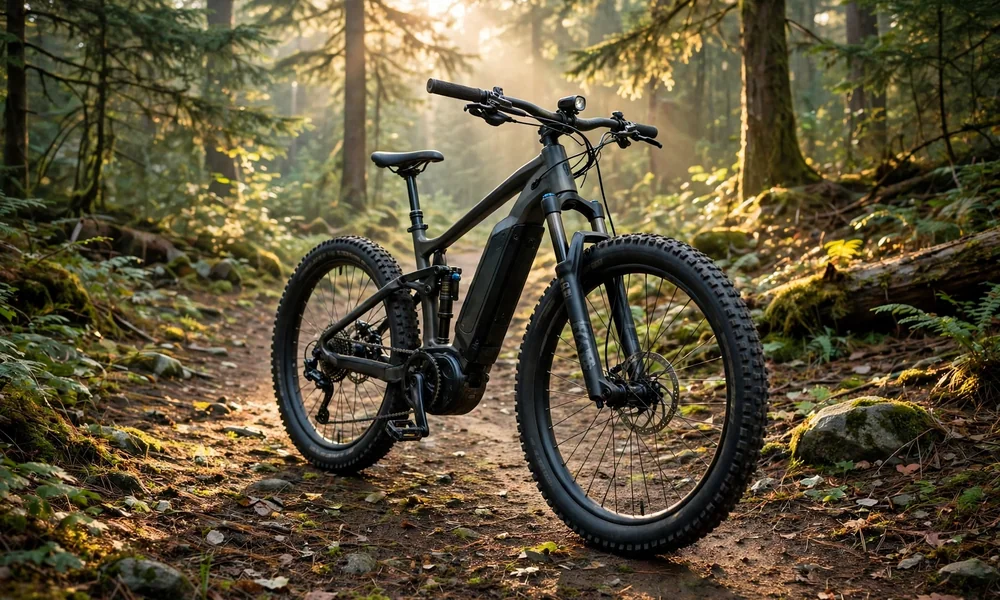
Electric mountain bikes open up trails that would exhaust most riders on a conventional bike. Full suspension, wide tyres and a high-torque mid-drive motor are the essentials, plus a battery that survives a long day of climbing. The best models balance weight and power carefully, and a dropper post and quality suspension separate the leaders from the rest.
Comparison Table
| Type | Best For | Typical Range | Motor Type | Key Strength |
|---|---|---|---|---|
| Commuter | Daily city riding | 50 to 70 miles | Mid-drive | Comfort and reliability |
| Value | Budget buyers | 40 to 60 miles | Hub motor | Low cost, simple upkeep |
| Folding | Small spaces, mixed travel | 30 to 45 miles | Hub motor | Compact storage |
| Cargo | Families and heavy loads | 40 to 60 miles | Mid-drive | Carrying capacity |
| Mountain | Trails and climbs | 35 to 55 miles | Mid-drive | Torque and suspension |
Motor, Battery and Range: What Actually Matters
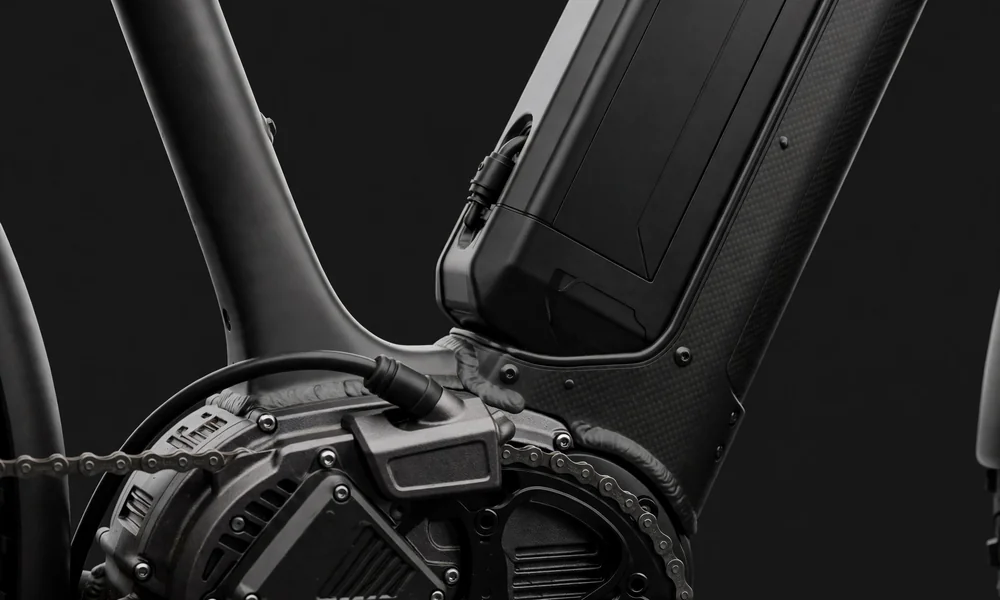
The motor is the heart of any electric bike, and the two main types feel very different. Mid-drive motors sit at the pedals and drive through the gears, giving excellent climbing power and a natural feel. Hub motors sit in the wheel, which makes them simpler, quieter and cheaper, but less effective on steep hills. Neither is universally better; the right choice depends on your terrain and budget.
Battery size, measured in watt-hours, is the simplest guide to range. A 500 watt-hour battery is a sensible minimum for regular riding, while 625 to 750 watt-hours suits longer commutes and hilly routes. Cold weather, headwinds, heavy loads and high assistance all cut range, sometimes by a third. If you are weighing electric power more broadly, it is worth reading about the worst electric cars for long road trips, where the same range anxiety and charging lessons apply.
Understanding Torque and Power
Torque, measured in newton-metres, tells you how strongly the motor pushes you up a hill. City riding is comfortable with 50 to 65 newton-metres, while cargo and mountain bikes benefit from 85 or more. Power ratings can mislead, so torque and real ride reports matter more than headline wattage.
How to Read Range Claims
Manufacturers test range under ideal conditions, so cut their headline figure by 25 to 30 percent. If a bike claims 80 miles, plan on 55 to 60 in normal use. Removable batteries let you charge indoors, while integrated batteries mean taking the whole bike to a power point.
Comfort, Fit and Everyday Practicality
Comfort decides whether your electric bike becomes a daily habit or gathers dust in the garage. Frame size matters as much as motor power: a bike that is too large or too small will cause sore knees, numb hands and a stiff back within weeks. Follow the brand sizing chart for your height, and consider a step-through frame if you ride in normal clothes, because it makes getting on and off far easier.
Practical details deserve the same attention as headline specifications. Integrated lights mean you never forget them, mudguards keep you dry, and a sturdy rear rack turns the bike into a shopping tool. Wider tyres absorb bumps and grip better in the wet. For households where a bike cannot cover every journey, the best family SUVs 2026 offer a useful comparison for trips that still need a car, from school runs to long weekends away.
Brakes and Safety
Electric bikes are heavier and faster than ordinary bicycles, so brakes carry more responsibility. Hydraulic disc brakes offer stronger, more consistent stopping power than mechanical discs or rim brakes, especially in the wet, and need less hand strength. Check for a motor cut-off that stops assistance when you brake, and tyres rated for electric bike speeds.
Security and Storage
An electric bike is an attractive target for thieves, so budget for a high-quality lock and plan where it will live overnight. Removing the battery and display when parked deters theft and protects the most expensive parts. If you store the bike indoors, a folding model or one with a removable front wheel makes life much easier.
How to Choose the Right Electric Bike for You
Start by writing down your riding pattern: how far you travel, how hilly your route is, and what you need to carry. A five-mile flat commute needs a very different bike from a twenty-mile hilly ride with two children on the back. Once you know your pattern, the choice narrows quickly. Riders coming from powered two-wheelers should also note the worst motorcycles for beginners to buy, because the handling and braking of an electric bike are closer to a bicycle than to a motorbike.
Set your budget with accessories included. A lock, helmet, lights and mudguards add a meaningful amount, and buying them with the bike is usually cheaper than adding them later. Finally, check local servicing: a bike from a brand with a dealer nearby is far easier to live with than a bargain import.
Buyer Checklist
- Test ride at least two bikes on your actual route.
- Confirm realistic range covers your longest ride.
- Check the motor and battery warranty in writing.
- Make sure the frame size fits your height.
- Insist on hydraulic disc brakes for any bike used above 20 miles per hour.
- Confirm a local dealer can maintain the motor and battery.
Frequently Asked Questions
How far can an electric bike go on one charge?
Most modern electric bikes travel 40 to 70 miles on one charge in normal riding, depending on battery size, rider weight, hills and assistance level. Smaller batteries and high assistance reduce range, while gentle riding on flat ground extends it.
Do I need a licence to ride an electric bike?
In most places, a standard pedal-assist bike with a motor up to 250 watts and assistance that stops at 15.5 miles per hour needs no licence or insurance, and can be ridden wherever bicycles are allowed. More powerful bikes may be classed as mopeds.
How long does an electric bike battery last?
A quality lithium battery typically lasts 500 to 1,000 full charge cycles, or three to five years of regular use. Storing it indoors, avoiding full discharges and keeping it away from extreme heat all extend its life.
Can electric bikes handle rain?
Yes, reputable electric bikes are built to handle rain, with sealed motors, batteries and connectors. Avoid pressure washers and deep standing water, and dry the bike after wet rides to protect the chain and brakes. Cheap unsealed kits are far more vulnerable.
Are electric bikes hard to maintain?
Maintenance is similar to a normal bike: keep the chain clean and lubricated, check tyre pressure weekly and inspect brakes regularly. The motor and battery are sealed units that rarely need attention, but when they do they need a specialist.
Is an electric bike worth the money?
For regular riders, an electric bike usually pays for itself by replacing car trips, parking and fuel, and by making cycling practical in all weathers and on hilly routes. Value is highest for daily commuters, and lowest for occasional riders who could manage with a conventional bike.
The Bottom Line
The best electric bikes 2026 reward buyers who match the bike to their riding instead of chasing the biggest motor or longest headline range. A comfortable commuter with dependable range and strong brakes serves most riders better than a powerful bike built for terrain they never visit. Pick your type, check the warranty, test ride, and choose the bike you will actually ride every day.


