The worst motorcycles for beginners to buy are not always the fastest bikes in the showroom. Some are heavy, some are tall, and some are simply built for a rider with years of experience. All of them make the first year of riding harder and more stressful than it needs to be. A beginner needs a bike that forgives small mistakes.
That is why so many new riders regret their first purchase. The bike looked right in the showroom and the deal felt too good to pass up. Then reality arrived: a dropped bike in a car park, a stalled engine on a hill, and an insurance quote that cost almost as much as the bike.
This guide looks at the bikes that cause the most trouble for new riders and shows what to look for instead, so you can choose a first motorcycle you will enjoy riding.
Key takeaways
- Power is the biggest trap: a litre-class superbike delivers far more acceleration than a new rider can use safely.
- Weight matters more than horsepower at low speed, where most beginner drops happen.
- Seat height decides whether you can put both feet down confidently at every stop.
- Cheap, unknown-brand bikes often cost more in the long run through poor parts supply and low resale value.
- The best first bike is light, predictable, and easy to service — and easy to sell on.
Why Beginners Buy the Wrong Bike
Most bad first purchases start with the same three pressures: looks, price, and pride. A new rider falls for a bike that looks like the one in the films. Nobody mentions that the bike was designed for someone who already knows how to brake hard and read a road surface at speed.
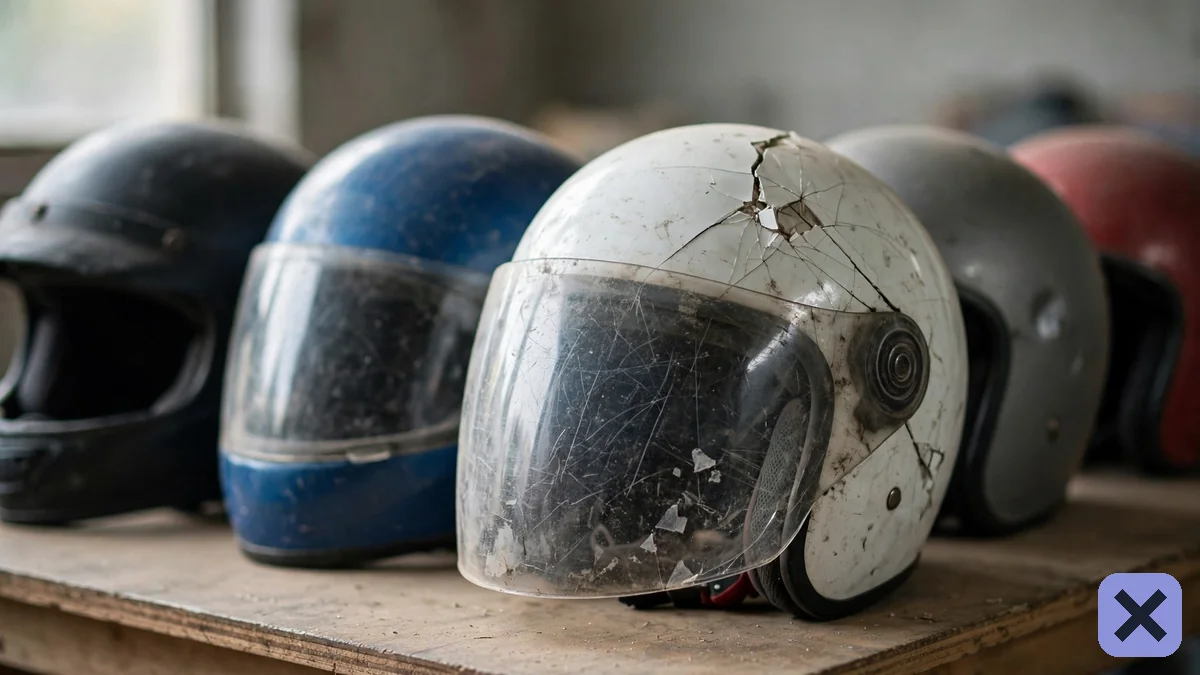
Price creates a second trap. A large, powerful used bike can cost less than a small new one. But a cheap litre bike is cheap for a reason: tyres, insurance, and repairs all cost more, and one low-speed drop can crack fairings that cost hundreds to replace.
Pride is the quietest trap of all. Nobody wants to admit they need a small bike. Yet the riders who learn fastest are almost always the ones who started small. They ride more often, because the bike is easy to take out and does not scare them.
The Worst Types of Motorcycle for a Beginner
Not every bad beginner bike is a superbike. Some of the worst choices look sensible on paper and only reveal their problems after a few weeks of riding.
Litre-Class Superbikes
A litre-class superbike is the most obvious bad first bike, and it remains the most common one. These machines produce well over 150 horsepower and respond to the smallest throttle input with a surge of speed, leaving a beginner no margin for error. The riding position adds to the problem, with weight on the wrists and a limited view ahead, and insurance quotes for a new rider are often so high they exceed the value of the bike itself.
Heavy Cruisers
Heavy cruisers look relaxed and forgiving, which is exactly why beginners buy them. The seat is low, the engine sounds calm, and the bike feels stable on a straight road. The trouble starts the moment the road stops being straight: a cruiser weighing well over 300 kilograms is a serious handful at walking pace, on a slope, or on a loose surface. If it leans past the point of no return, most new riders cannot hold it up, and a tip-over can bend handlebars, snap levers, and dent a tank.
Tall Adventure Bikes
Tall adventure bikes are built for long distances and rough roads, and they are popular for good reasons — but not as a first bike. Their seat heights often exceed 850 millimetres, so many new riders can only touch the ground with the balls of their feet. Every stop becomes a balancing act, and every hill start adds stress a new rider does not need. The height also raises the centre of gravity, so the bike feels top-heavy at low speed.
Track-Focused Middleweights
A track-focused middleweight seems like a reasonable compromise: less power than a litre bike, but still sharp and exciting. The problem is the way that power arrives. These bikes are tuned for high revs, with light steering, firm suspension, and brakes that bite hard. They reward precise, confident inputs and punish hesitant ones. Comfort is another issue: the aggressive riding position and stiff suspension make longer rides tiring, and tired riders make mistakes.
Cheap Unknown-Brand Bikes
The cheapest bike in the advert can be the most expensive one to own. Unknown-brand motorcycles often look like a bargain, but the savings come from somewhere — weaker brakes, cheaper suspension, poor-quality tyres, or an engine that was never properly developed. Parts are the longer-term problem: a brake lever or an electrical part may take weeks to arrive, or may not be available at all. The same car-buying mistakes that trap new buyers apply here — falling for the lowest price without checking what support and resale value actually come with it.
Heavily Modified Bikes
A heavily modified used bike is a gamble that beginners almost always lose. Aftermarket exhausts, lowered suspension, and remapped engines all change the way a bike handles, and rarely for the better. The result is often a bike that is harder to ride, less reliable, and impossible to insure at a fair price. The deeper problem is that a beginner cannot judge the quality of the work: a tidy-looking modification can hide poor wiring or a bodged suspension setup. A standard, unmodified bike is predictable, insurable, and easy to check.
How the Worst Beginner Bikes Compare
The table below sums up the main problems with each type. No single factor makes a bike a bad first choice on its own — it is the combination of power, weight, height, and cost.
| Bike type | Main problem | Typical weight | Why it hurts a beginner |
|---|---|---|---|
| Litre superbike | Extreme power | 200 kg | No margin for throttle or braking errors |
| Heavy cruiser | Weight at low speed | 300 kg or more | Hard to hold up, costly to drop |
| Tall adventure bike | Seat height | 230 kg | Cannot plant both feet at stops |
| Track middleweight | Sharp responses | 190 kg | Punishes hesitant or panicked inputs |
| Cheap unknown brand | Quality and parts | 150 kg | Weak brakes, poor support, low resale |
| Heavily modified bike | Unknown history | Varies | Unpredictable handling, hard to insure |
What Makes a Bike Beginner-Unfriendly
Power, weight, and seat height are the three numbers that matter most, but the way an engine delivers its power matters just as much. A bike with a smooth torque curve is forgiving: twist the throttle a little too much and the bike speeds up gently. A bike with a sudden rush of power high in the rev range is not forgiving at all.
Brakes and suspension tell a similar story. Strong, progressive brakes are a gift to a new rider, while brakes that bite suddenly make every stop feel uncertain. Then there is the running cost: insurance, tyres, servicing, and clothing add up fast, and a big bike makes every one of them more expensive. Anyone choosing kit should also read about motorcycle gear that fails when it matters, because the cheapest protection is often the most expensive mistake a rider can make.
Buying Used: Where Beginners Lose Money
Most first bikes are bought used, and the used market is where the worst choices hide. A bike that has been dropped or poorly maintained can look clean after a wash and a polish. The signs are small: mismatched bolts, scuffed bar ends, a dry or rusty chain, tyres with uneven wear, or a service history with long gaps.
The safest approach is to check the bike in daylight, take a knowledgeable friend or a mechanic, and ask for the service history. A pre-purchase inspection costs little compared with the price of a bike, and it catches worn brakes, tired suspension, and accident damage. The worst used cars to buy without a check follow the same pattern as the worst used bikes: a shiny exterior, a confident seller, and expensive problems hiding underneath.
Before You Buy: A Beginner Checklist
Use this checklist on every bike you consider, and do not buy a bike that fails more than one item.
- Can you put both feet flat on the ground, or nearly flat, in your normal riding boots?
- Can you push the bike backwards out of a parking space and hold it upright on a slight slope?
- Does the power arrive smoothly, without a sudden surge as the revs rise?
- Is the insurance quote affordable for a full year?
- Are parts, tyres, and servicing available locally at sensible prices?
- Would the bike sell easily in a year or two, without a large loss?
What to Buy Instead
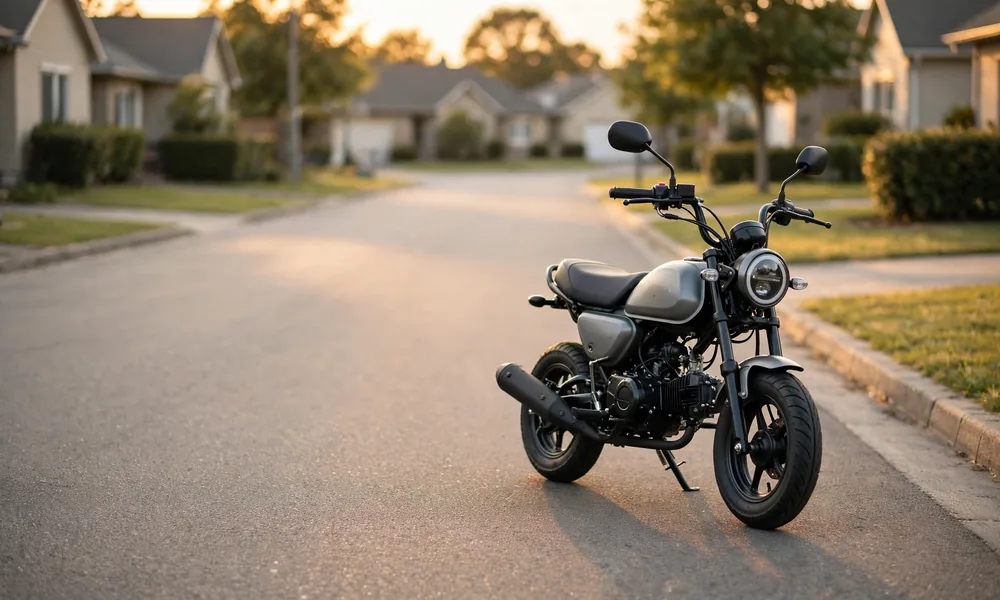
The best first motorcycles share a simple formula: light weight, modest power, a low or adjustable seat, and a strong dealer network. A small naked bike, a light standard, or a modest dual-sport in the 125cc to 400cc range covers almost every beginner well, and is cheap enough to insure and service properly.
They are also far more fun than their specifications suggest. A light bike ridden confidently through corners teaches more in a month than a powerful bike ridden nervously in a straight line. Training matters as much as the machine: a proper course teaches slow-speed control, emergency braking, and hazard awareness. A bike that feels easy after a day of training is a bike worth buying.
Frequently Asked Questions
Is a 600cc sports bike a good first motorcycle?
For most beginners, no. A 600cc sports bike is lighter than a litre bike but still produces far more power than a new rider needs, with sharp handling and an aggressive riding position.
How much power should a beginner bike have?
Most instructors point to the 20 to 45 horsepower range as a good starting point. That is enough for town riding and country roads, without the sudden acceleration that catches new riders out.
Is a heavier bike safer because it feels more stable?
It feels more stable on a straight road at speed, but that is the only place the weight helps. At low speed, in car parks and at junctions, weight is the enemy. Most beginner drops happen below walking pace, and a heavy bike is harder to catch and more expensive to repair.
Should I buy new or used for my first bike?
Used is usually the smarter choice, because a first bike is likely to be dropped at least once and will probably be sold within two years. A well-maintained used bike from an established maker, checked by a mechanic, gives the best value.
Does engine size matter more than weight?
Weight usually matters more for a beginner. A light bike with a modest engine is easy to control, easy to park, and easy to recover from a mistake. Judge a bike by how it feels at walking pace, not by the number on the fairing.
How long should I keep my first bike?
Most riders keep a first bike for one to two years, or around 5,000 to 10,000 miles of regular riding. That is long enough to build real skill and find out what kind of riding you enjoy, and short enough that the bike still holds its value.
The Bottom Line
The worst motorcycles for beginners to buy are the ones that demand experience a new rider does not have yet — the superbike with too much power, the cruiser with too much weight, the adventure bike with too much height, the track bike with too little forgiveness, the cheap unknown brand with too little support, and the modified bike with too many unknowns. None of them are bad motorcycles. They are simply bad first motorcycles. Start with something light and predictable, ride it often, and the bigger bikes will still be there when you are ready.