
Choosing between brunch vs dinner date night is easy to overthink. Both meals can lead to a great date, and both can fall flat for the wrong couple at the wrong time. The food matters less than most people think. What matters is the mood, the timing, the budget, and the pressure you want on the table.
A brunch date feels light and open. You meet in daylight, talk without the weight of a formal evening, and either of you can leave after an hour without it feeling like a rejection. A dinner date feels deliberate: you dress up, sit down in the evening, and the whole night is built around the two of you. Neither is better in every case. The right choice depends on who you are dating and what stage you are at.
This guide compares the two meals, from cost and timing to romance and first impressions. By the end, you will know which one fits your date, your budget, and your plans, with a simple checklist to make the choice in under a minute.
Key takeaways
- Brunch is lower pressure, best for first dates, daytime schedules, and couples who want an easy exit.
- Dinner is more romantic and works best for anniversaries, serious conversations, and evenings you want to feel special.
- Brunch usually costs less, while dinner costs more once drinks, courses, and a longer evening are added up.
- The best meal matches your date’s schedule, your budget, and the message you want to send.
- Either meal can fail if the restaurant is wrong, so pick the place as carefully as the time.
The Case for Brunch
Brunch has become one of the most popular date meals, and it is easy to see why. It sits between breakfast and lunch, so it feels casual without feeling careless. You can order pancakes or eggs, share a pastry, and talk for an hour without anyone expecting the date to stretch into the night.
Daylight helps too. A sunny cafe feels safe and relaxed, especially on a first date. Both people arrive fresh, the room is bright, and the mood is cheerful in a way evening restaurants sometimes lack. If the conversation goes well, you can stretch the date into a walk or a second coffee. If it does not, the date ends naturally, with no three courses of awkward silence to sit through.
Why Mornings Work for First Dates
First dates carry enough nerves without adding evening expectations. Brunch keeps the stakes low: no question about whether the night continues afterwards, no pressure around drinks, and no sense that one person owes the other a long evening. That freedom makes people more relaxed, and relaxed people make better conversation.
Brunch also tells you something useful. Someone who shows up on a Saturday morning is usually genuinely interested, because they gave up a lazy weekend morning to be there. You learn quickly whether you enjoy each other’s company in daylight, without dim lighting and wine doing the work.
The Relaxed Pace of Brunch
Brunch restaurants rarely rush you out the way a busy dinner service does. The pace is gentler and ordering is simple: you pick a dish, you eat, you talk. There is no long menu to study, no wine list to navigate, and no bill that makes anyone wince.
Brunch has its own traps, though. Weekend spots can be crowded and noisy, and a long wait for a table can sour the mood before you sit down. Pick a place that takes bookings or go slightly off peak. It is also worth knowing which fads to skip, because some of the worst brunch trends can turn a simple meal into an overpriced spectacle. Keep it simple: good coffee, a calm room, and let the conversation do the work.
The Case for Dinner
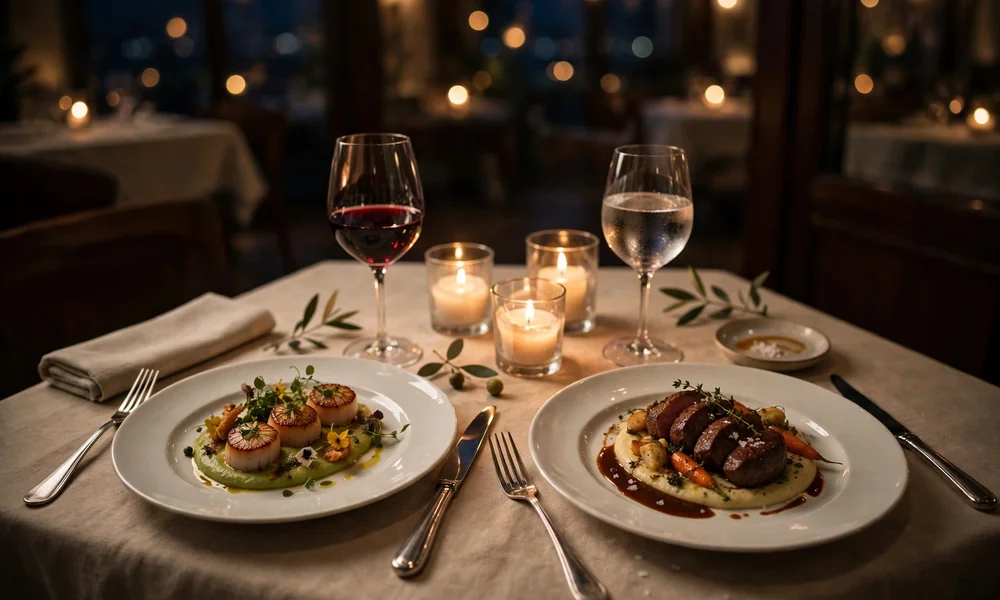
Dinner is the classic date night for a reason. The evening setting does half the work: soft lighting, a quieter room, and a slower pace all signal that this time is set aside for the two of you. When you want a date to feel like an occasion, dinner is the natural choice.
Dinner also gives you more time. Brunch often lasts an hour, but dinner can stretch across two or three hours: a starter, a main course, dessert, and conversation that goes deeper. That longer window is what you want once you already know you like each other.
Romance After Dark
There is a reason so many proposals, anniversaries, and important conversations happen over dinner. The evening feels private in a way a busy morning cafe does not: lower lights, wider tables, the world outside further away. That privacy makes it easier to be honest and say things that matter.
Dinner also lets you dress up, and that effort is part of the message. Showing up well dressed tells your date you took the evening seriously. It is a small gesture, but on a date it counts for a lot.
When Dinner Raises the Stakes
The same formality that makes dinner romantic can make it heavy. A first dinner date can feel like a job interview with candles, especially in an expensive or very quiet restaurant. The bill becomes a moment in itself, and the question of what happens afterwards hangs over the meal.
That is why dinner works best from the second or third date onwards, when the stakes feel exciting, not stressful. If you do choose dinner for a first date, keep it simple: a relaxed bistro beats a stiff fine dining room, and a place where you can hear each other matters more than one that impresses strangers. Many of the worst first dates at restaurants go wrong not because of the food, but because the setting put too much pressure on two people who had just met.
Brunch vs Dinner: Head to Head
This table compares the two meals across the factors that matter most on a date.
| Factor | Brunch | Dinner |
|---|---|---|
| Romance | Light and cheerful | Warm and intimate |
| Pressure | Low, easy to end | Higher, feels formal |
| Typical cost | Lower, no alcohol needed | Higher, drinks add up |
| Best for first dates | Excellent | Good with the right venue |
| Best for anniversaries | Weak | Excellent |
| Conversation time | About one hour | Two to three hours |
| Dress code | Smart casual | Dress up |
| Flexibility after | Whole day ahead | Evening only |

Cost, Time and Pressure Compared
Cost is one of the clearest differences. Brunch for two with coffee and a main dish each usually comes in well below dinner with drinks. Wine or cocktails alone can double the bill, and a starter and dessert widen the gap further. If you date often or watch your spending, brunch lets you go out more without the same strain.
Time works differently too. Brunch leaves the rest of the day open: meet at eleven, finish by one, and still have a full afternoon. Dinner takes the whole evening, so it needs to be the main event. That is fine when the date is the plan, but a lot to give up for someone you have just met.
Pressure is the factor people underestimate. Dinner carries unspoken questions about the bill, the dress code, and what happens next. Brunch carries almost none of that. If you want the date to feel like fun rather than a test, brunch is the safer bet; if you want it to feel like an occasion, dinner earns its pressure.
What the Setting Says About You
The meal you choose sends a message before you order anything. Brunch says you are relaxed, thoughtful, and happy to keep things easy. Dinner says you are serious about the evening and willing to invest time and money in it. Both messages are good, but they fit different moments.
Think about what your date would enjoy, not just what you prefer. Some people love mornings and feel their best before noon; others come alive in the evening and would find a morning date a chore. The best choice lets your date be at their best, when you see who they really are.
Venue choice matters as much as timing. A noisy brunch spot with a forty-minute queue sends a different message from a calm cafe with good light, just as a candlelit dining room differs from a loud chain restaurant. Pick the place with the same care you pick the meal.
Your Date Night Checklist
Run through this checklist before you book. If you can tick most of these boxes, your choice is the right one.
- Check your date’s schedule and energy: morning or evening person, free day or free night.
- Match the meal to the stage: brunch for a first or second date, dinner for a third date or a special occasion.
- Set a budget before you choose the restaurant, and include drinks in the dinner estimate.
- Book a table in advance so neither of you waits in a queue or gets turned away.
- Pick a venue where you can hear each other talk without shouting over music or crowds.
- Have a simple plan for after the meal: a walk, a drink, or a clean goodbye.
Common Mistakes to Avoid
The most common mistake is choosing the meal to impress rather than to connect. An expensive dinner you cannot afford, or a trendy brunch spot chosen for photos rather than food, puts the venue ahead of the person across the table. Your date will notice, and it rarely helps.
Another mistake is ignoring the practical details. Dinner at eight on a Friday means traffic, crowds, and a rushed kitchen; brunch at noon on a Sunday means the busiest hour of the week. Small timing choices change the whole experience, so plan around the rush.
Finally, watch the table manners and the phone. Checking your phone during dinner, ordering the most expensive dish to test your date, or treating the staff poorly will undo any good the setting did. Some of the fine dining mistakes guests make happen at brunch too. Be kind, be present, and keep the focus on the person in front of you.
Frequently Asked Questions
Is brunch or dinner better for a first date?
Brunch is usually better for a first date: low pressure, cheaper, and easy to end gracefully. Dinner works too if the venue is relaxed and you already know each other a little, but brunch is the safer first move.
Is dinner more romantic than brunch?
Yes, in most cases. Evening lighting, a slower pace, and the sense of occasion make dinner feel more romantic. Brunch can be romantic in its own way, but it rarely matches the intimacy of a good dinner.
How much should a date night meal cost?
There is no fixed number, but brunch for two is usually far cheaper than dinner for two, mainly because of drinks. Set a budget you are comfortable with, pick a place inside it, and do not order beyond it to impress.
What should I wear to a brunch date?
Smart casual works for brunch dates: clean, comfortable clothes that show you made an effort without dressing up. Save the formal outfit for dinner, where it fits the setting better.
Can brunch work for an anniversary?
It can, especially if mornings are special to you as a couple, but most people prefer dinner for an anniversary. Dinner marks the occasion more clearly and gives you longer to celebrate.
What if my date prefers the other meal?
Ask them. A quick “brunch or dinner, which do you prefer?” shows thoughtfulness and avoids guessing wrong. The best date night is the one both people actually want.
The Bottom Line
Brunch wins when you want something light, affordable, and low pressure, especially early on. Dinner wins when you want romance, a longer evening, and a sense of occasion. The right choice fits your date, stage, and budget. Pick the meal that lets you both relax, book a good table, and let conversation do the rest.


