The top earbud cleaners in 2026 are small, cheap, and easy to overlook, until the day your earbuds sound muffled and one side goes quiet. Most of the time the problem is not a broken earbud. It is wax, dust, and skin oil packed into the tiny mesh over the speaker, or grime in the charging case that stops the earbuds seating properly. A good earbud cleaner clears that build-up in a minute or two, without pushing it deeper and without damaging the mesh, the silicone tips, or the charging contacts. A bad one scratches the mesh or leaves fibres behind. This guide compares the main kinds of earbud cleaners and helps you pick the right kit for your earbuds and your routine.
Key Takeaways
- Most muffled sound is wax on the speaker mesh, not a broken earbud, and a proper cleaner fixes it in minutes.
- A cleaning pen with a soft brush and a metal pick is the best all-round tool for most people.
- Never push wax deeper into the mesh. Brush outward, and use the pick only on the surface.
- Keep liquid away from the speaker mesh. Wipe the case and the outside of the buds only.
- Clean your earbuds once a week if you use them daily, and clean the case at the same time.
Earbud Cleaners Compared
| Type | Best for | Wax removal | Risk level | Price range |
|---|---|---|---|---|
| Cleaning pen | Everyday mesh and case cleaning | Good | Low | Low |
| Multi-tool kit | Deep cleans and shared earbuds | Excellent | Low | Low to mid |
| Soft brush only | Light dust and daily upkeep | Fair | Very low | Low |
| Cleaning spray and cloth | Cases and outer shells | Poor | Low | Low |
| Putty and gel cleaners | Loose dust in case crevices | Fair | Medium | Low |
| UV sanitising case | Germs on shared earbuds | None | Low | High |
The Main Types of Earbud Cleaner
Earbud cleaners come in a few shapes, and each one is good at a different job. The trick is matching the tool to the dirt you actually have.
Cleaning pens
A cleaning pen is a pocket-sized tool, usually with a soft brush on one end and a small metal pick or loop on the other. The brush sweeps dust and loose wax off the mesh, and the pick lifts out the wax that has hardened around the edge of the mesh. It is the best all-round earbud cleaner for most people, because it does the two jobs that matter most, it fits in a pocket, and it costs very little. The brush should be soft, with fine bristles that bend rather than poke. A stiff brush can push wax through the mesh or scratch the coating. The pick should have a rounded tip, not a sharp point, and you should use it with a light touch, scraping across the surface rather than digging in. A good pen also has a flocked sponge tip for wiping the charging contacts in the case, which is where many charging problems start. The best earbuds all share the same weak point, a fine mesh that clogs easily.
Multi-tool kits
A multi-tool kit is a small case holding several tools at once: a brush, a pick, a flocked sponge, tweezers, and sometimes a small bottle of cleaning spray and a microfibre cloth. Kits are the right choice if you share earbuds with family, own more than one pair, or have let the cleaning slide for months and the wax has hardened. The extra tools let you work in stages. Brush first, then pick, then wipe the case, then polish the shells. The risk with a kit is using the wrong tool for the job. Tweezers are for pulling a loose silicone tip off for washing, not for picking at the mesh. Spray is for the case and the outer shell, never for the mesh.
Soft brushes
A soft brush on its own is the gentlest earbud cleaner there is, and it is enough if you clean often. A quick brush once a week stops wax building up in the first place, which means you never need the pick at all. The best brushes for earbuds are small, with short, dense bristles and a handle you can hold like a pen. A toothbrush is too stiff and too wide, and it will push wax deeper. Keep the brush dry, keep it in a pouch so it stays clean itself, and replace it when the bristles start to bend permanently. A brush that sheds bristles is worse than no brush, because a stray bristle in the mesh is harder to remove than the wax was.
Sprays, cloths, and putty
Cleaning sprays and cloths are for the outside of the earbuds and the inside of the case, not for the mesh. Spray a little onto the cloth, never onto the earbud, and wipe the shells, the case, and the charging contacts. A damp cloth removes skin oil and sweat marks that a brush cannot shift. Putty and gel cleaners are a different idea. You press the soft putty into the crevices of the charging case, and it lifts out dust and crumbs when you pull it away. It works well on a case, but it should never go near the speaker mesh. Putty leaves a thin residue, and on a mesh that residue blocks sound just as surely as wax does.
UV sanitising cases
A UV sanitising case is a small box that shines ultraviolet light over your earbuds for a few minutes, killing bacteria on the surface. It does not remove wax or dirt, so it is not a cleaner in the usual sense, but it is worth knowing about if you share earbuds or use them at the gym. The light reaches the surfaces it can see, so it works best on earbuds that are already clean. Run the brush and the pick first, then the UV case. The cost is the drawback. A UV case costs far more than a pen or a kit, and it needs charging itself. For most people it is a luxury, not a necessity.
How to Clean Earbuds Safely
Start by taking the silicone tips off, if your earbuds have them. Wash the tips in warm water with a drop of mild soap, rinse them, and let them dry fully. While they dry, hold the earbud with the mesh facing down, so anything you dislodge falls out instead of falling in. Brush the mesh gently, from the centre outward, and tap the earbud lightly against your palm to shake loose wax free. If wax remains around the edge, use the pick with a light, sideways motion. Never push the pick into the mesh. Next, clean the charging case. Brush out the wells, wipe the metal charging contacts with a dry cotton swab, and check that the lid hinge is free of dust. A case that will not close usually has a crumb in the hinge. Finish by wiping the outer shells with a slightly damp cloth, and let everything dry before you reassemble it.
What to Avoid
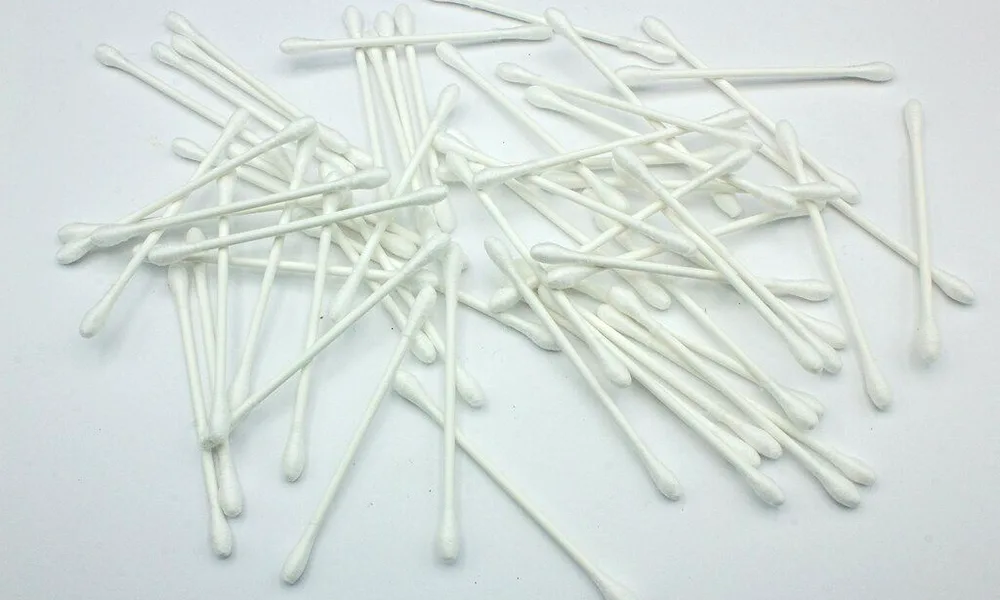
Water is the first thing to avoid. Most earbuds resist sweat and rain, but they are not built to be rinsed, and water pushed into the mesh can damage the driver behind it. The same goes for alcohol wipes and sprays used directly on the mesh. A little alcohol on a cloth is fine for the shells and the case, but the mesh should stay dry. Sharp objects are the second thing to avoid. A needle, a pin, or a SIM ejector tool will puncture the mesh in a single slip, and a punctured mesh lets wax and dust straight into the driver. Cotton buds are the third thing to avoid on the mesh itself. A cotton bud is too wide to reach the mesh properly, and it leaves fibres behind that clog it worse than the wax did. Use a cotton bud only on the case and the outer shells.
Matching the Cleaner to Your Earbuds
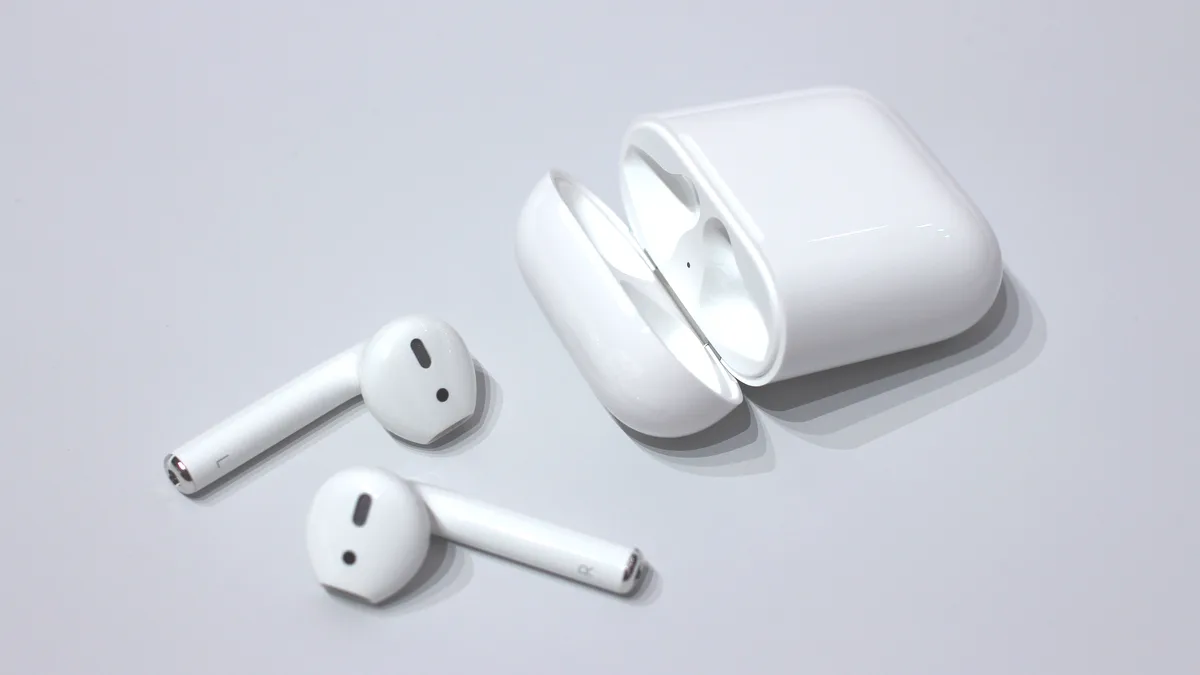
True wireless earbuds with silicone tips are the easiest to clean, because you can remove the tips and wash them separately, and the mesh is usually flat and easy to reach. Hard plastic earbuds without tips, such as the classic AirPods shape, are harder, because the mesh sits in a small recess and the brush has to reach into it. A pen with a narrow brush head is the best tool for those. Sports earbuds with ear hooks need extra attention around the hook joint, where sweat collects. If your earbuds have a charging case, the case needs cleaning as often as the buds themselves, because a dirty case re-dirties clean earbuds every time you put them away. The best earbud cases are the ones with smooth wells and no deep crevices, but even those need a weekly brush. For wired earphones, the same rules apply to the buds, and the cable needs a wipe with a damp cloth. The best earphones for running have a cable you can clean easily.
How Often Should You Clean Them?
If you wear earbuds every day, clean them once a week. It takes five minutes, and it stops wax hardening into the mesh, which is when cleaning gets difficult. If you wear them at the gym, clean them after every workout, because sweat carries salt and oil into the mesh and the case. If you share earbuds, clean them before and after each use. If you only wear them occasionally, clean them once a month. The case deserves the same schedule. A weekly brush of the case wells and a wipe of the contacts keeps charging reliable.

Before You Buy Checklist
- Choose a pen or kit with a soft brush and a rounded pick, not a sharp point.
- Check the brush is small enough to reach your earbud mesh.
- Make sure the kit includes something for the case, not just the buds.
- Avoid any cleaner that needs liquid on the speaker mesh.
- Pick a kit with a case or pouch, so the tools stay clean themselves.
- Replace brushes when the bristles bend or shed.
Frequently Asked Questions
Why do my earbuds sound muffled?
Almost always wax on the speaker mesh. Brush the mesh gently from the centre outward, tap the bud against your palm, and the sound usually comes back at once.
Can I use a cotton bud to clean my earbuds?
Only on the case and the outer shells. A cotton bud is too wide for the mesh, and it leaves fibres behind. Use a small soft brush and a rounded pick on the mesh instead.
Is it safe to use alcohol on earbuds?
A little alcohol on a cloth is safe for the shells and the case, but keep it away from the speaker mesh. Let everything dry fully before you put the earbuds back.
How do I clean the charging case?
Brush out the wells, wipe the metal contacts with a dry swab, and clear the lid hinge with the pick.
Can a cleaner fix one quiet earbud?
Often, yes. One quiet side is usually wax blocking one mesh, and cleaning it restores the volume. If both sides are quiet, check the volume balance on your phone first.
How often should I replace my cleaning tools?
Replace a brush when the bristles bend permanently or start to shed, usually after a few months of weekly use.
The Bottom Line
Buy a cleaning pen with a soft brush and a rounded pick, use it once a week, and keep liquid away from the mesh. That simple routine keeps your earbuds sounding clear and charging reliably. A kit is worth it if you own more than one pair or share earbuds, and a UV case is a luxury for shared buds.