
The best earbuds 2026 offer something for every listener, which is what makes choosing a pair so confusing. Shops are full of true wireless buds, wired earphones, open-ear designs, and neckband styles. Most people need only the pair that fits their ears and suits how they listen.
Earbuds have become the most personal technology we own. They wake us with a podcast, carry us through a commute, and sit in on work calls. A good pair disappears into your day, while a bad pair slips out or runs flat mid-journey.
This guide covers the whole earbud landscape: true wireless, wired, open-ear, and neckband designs, judged on sound, comfort, noise control, battery, calls, and value.
Key Takeaways
- Fit decides everything: a secure seal improves bass, comfort, and noise control more than any feature.
- Choose the type first: true wireless for convenience, wired for sound, open-ear for awareness, neckband for battery life.
- Look for at least seven hours per charge, and twenty-four hours or more with the case.
- Strong noise cancelling is worth paying for if you commute or fly, but wasted if you mostly listen at home.
- Try every ear tip size in the box, and wear a new pair for twenty minutes before deciding whether it fits.
The Best Earbuds 2026 at a Glance
The table below summarises our six picks. Use it to narrow the field, then read the notes to find your match.
| Pick | Type | Best For | Battery | Noise Control | Price Band |
|---|---|---|---|---|---|
| Everyday Flagship | True wireless | Best all-rounder | 8 + 24 hours | Excellent | Premium |
| Value Star | True wireless | Everyday value | 7 + 30 hours | Good | Mid-range |
| Sound First | Wired | Music lovers | No charging | Passive seal | Mid-range |
| Travel Champion | True wireless | Flights and commuting | 7 + 28 hours | Excellent | Premium |
| Sport Pick | True wireless | Workouts and running | 9 + 27 hours | Good | Mid-range |
| Open-Ear Pick | Open-ear | Awareness outdoors | 10 hours | None | Mid-range |
Choosing the Right Type of Earbuds
Each type solves a different problem, and picking the wrong one is the most common buying mistake.
True Wireless Earbuds
True wireless earbuds are the default choice in 2026, and for most people they are the right one. Two buds sit in a small charging case, with no wire at all. Most good pairs offer seven or eight hours per charge, and a full day with the case. If you want one pair for music, calls, commuting, and the gym, start here. For a deeper look, read our guide to the best wireless earbuds.
Wired Earbuds
Wired earbuds have not disappeared, and for music lovers they remain the smartest buy. A cable means no battery to charge, no Bluetooth pairing to troubleshoot, and no dropouts at the worst moment. Sound per pound is better, because none of the price goes to batteries and wireless chips. The downside is the cable, which tangles, and many phones now lack a headphone socket.
Open-Ear Earbuds
Open-ear earbuds sit outside the ear canal rather than sealing inside it, leaving you aware of your surroundings. They suit runners, cyclists, and anyone walking busy streets, because you can hear traffic and announcements without removing anything. They are also the most comfortable option for people who dislike the plugged-in feeling of sealed buds. The compromise is sound: with no seal, bass is lighter.
Neckband Earbuds
Neckband earbuds connect the two buds with a light band around your neck. They are the least fashionable type and one of the most practical. Battery life is usually the longest of any earbud style, often twelve hours or more. They are almost impossible to lose, and a favourite for long workdays and travel. The band can bounce during running, but for call-heavy days the neckband remains hard to beat.
Our Top Picks in Detail
The six picks below cover most listeners, judged on sound, comfort, noise control, battery, calls, and value.
The Best All-Rounder
The everyday flagship does everything well. Sound is balanced and detailed across every genre. Noise cancelling handles trains and offices with ease, and transparency mode lets the outside world back in when you need it. Comfort is the real strength: soft tips in several sizes and a light body that sits securely. Its only weakness is price, because a true all-rounder sits at the premium end of the market.
The Best Value Pair
The value star proves you do not need premium money for a genuinely good pair. It offers balanced sound, respectable noise cancelling, long battery life, and a comfortable fit at roughly half the flagship price. For everyday listening, most people could not tell it apart from a pair costing twice as much. Noise cancelling is good rather than great, but that is a fair compromise at this price.
The Best Pair for Music Lovers
The sound-first pick is a wired pair, and that choice is deliberate. Larger drivers and careful tuning produce a wide, detailed soundstage, with instruments clearly separated and vocals placed naturally. Acoustic recordings sound open and realistic, while electronic tracks keep their energy without turning muddy. Pair it with a good music service: our comparison of Spotify vs Apple Music explains which service gets the most from a sound-first pair.

The Best Pair for Travel
The travel champion is built for long journeys. Its noise cancelling is the strongest in this guide, cutting engine drone so films and music stay clear at modest volume. Battery life stretches further with the case, so a pair can survive a long-haul flight and the days around it. It uses soft, shallow tips that sit gently in the ear, and multipoint pairing keeps it connected to a phone and a laptop at once.
The Best Pair for Workouts
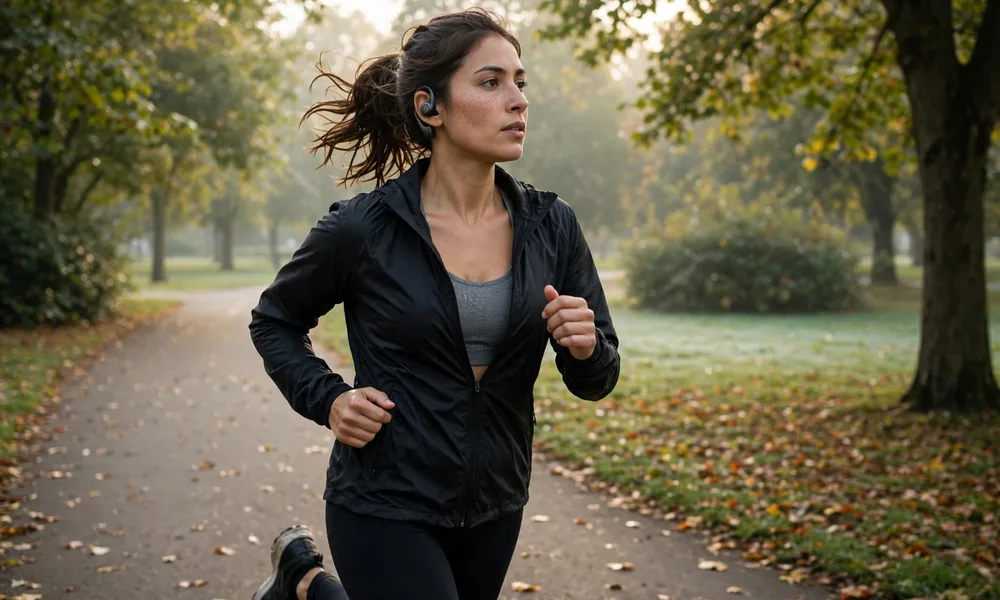
The sport pick is designed for movement. A secure wing or hook design keeps the earbuds in place through sprints and long runs, and a strong sweat resistance rating shrugs off rain and workouts. The controls are physical buttons, so they work reliably with sweaty hands, unlike touch controls that misfire when wet. Sound is energetic, with punchy bass for workout playlists.
The Best Open-Ear Pair
The open-ear pick earns its place by doing one thing brilliantly: letting you listen while staying aware. The buds rest lightly on the ear, so you hear your music and the world around you at the same time. It is the most comfortable pair in this guide for all-day wear. Battery life is excellent, with ten hours from the buds alone. The compromise is bass, which is lighter than sealed buds.
Sound Quality: What Actually Matters
Sound is the hardest feature to judge from a specification sheet. Driver size and codec names tell you far less than a twenty-minute listen, because tuning matters more than any single number. A well-tuned pair on a standard connection beats a poorly tuned pair on an advanced codec every time. Balanced sound suits every kind of music. Podcast listeners should prioritise clear voices over bass, while music lovers should look for detail. Fit shapes sound too: a poor seal lets bass escape and makes even a good pair sound thin.
Fit, Comfort, and Ear Tips
Fit is the part of buying earbuds that most people rush, and it causes most returns. Every ear is shaped differently, and a pair that fits one person perfectly can feel loose or painful for another. Try all the ear tip sizes in the box, and wear the earbuds for at least twenty minutes before deciding. A good fit feels secure without pressure.

Foam tips are worth trying if silicone tips never feel right: foam expands to fill the ear canal, improving comfort and bass, though it wears out faster. If a pair hurts within the first half hour, return it and try a different shape.
Noise Cancelling, Transparency, and Calls
Active noise cancelling is one of the most useful features for commuters and frequent flyers. The best systems reduce engine, train, and air-conditioning rumble to a quiet murmur, letting you listen at lower, safer volumes. Transparency mode lets the outside world in so you can hear announcements without removing the earbuds. For calls, look for several microphones and wind reduction, and test them on a real call. Anyone who spends long hours on calls may prefer over-ear headphones: our guide to the best noise cancelling headphones covers the strongest options for call-heavy days.
Battery Life and Charging
Battery numbers on the box can mislead, since manufacturers usually quote life with noise cancelling off and volume moderate. In real use, expect less. Look for at least seven hours with noise cancelling on, and twenty-four hours or more with the case. Fast charging is worth having: ten minutes in the case should add at least an hour of listening. Wireless charging is a convenience, not a necessity. For wired and neckband pairs, battery anxiety disappears entirely.
How Much Should You Spend?
Under the budget tier, sound and build quality drop sharply, and poor fit is common, so the cheapest pairs are usually false economy. The mid-range is where value lives: balanced sound, decent noise cancelling, long battery life, and comfortable fit. Premium pairs add stronger noise cancelling, better microphones, and finer sound, but the gains are smaller than the price jump suggests. If you listen for an hour a day at home, buy the value star; if you commute or fly weekly, pay for the travel champion.
Checklist: Before You Buy
- Decide your type first: true wireless, wired, open-ear, or neckband, based on how and where you listen.
- Try every ear tip size and wear the pair for twenty minutes before judging fit or sound.
- Check real battery life with noise cancelling on, not the headline figure.
- Test noise cancelling and transparency mode in a noisy place, not just in a quiet shop.
- Make a real phone call on the pair to test microphone clarity and wind handling.
- Confirm the returns policy, so a poor fit on day three is a swap, not a loss.
Frequently Asked Questions
Are expensive earbuds worth it?
For most people, the mid-range is the sweet spot. Premium pairs offer stronger noise cancelling and finer sound, but the value star covers everyday listening at roughly half the price. Pay more only if you commute, fly, or take calls all day.
Do wired earbuds sound better than wireless?
At the same price, yes, wired earbuds usually sound better, because none of the cost goes to batteries and wireless chips. The best wireless pairs have closed the gap for everyday listening, but a good wired pair still wins on detail.
How long should earbuds last?
A good pair should last two to three years of daily use, though battery capacity fades gradually. True wireless batteries wear out faster than wired pairs, which have no battery at all. Keep the case charged and store the buds in it.
Can I wear earbuds while running?
Yes, if you choose a sport pair with a secure wing or hook design and a strong sweat resistance rating. If you run on roads, consider open-ear buds so you can hear traffic.
Is noise cancelling safe for your hearing?
Noise cancelling itself is safe, and it can help your hearing by letting you listen at lower volumes in noisy places. Keep the volume moderate and take breaks during long sessions.
What is the best earbud type for work calls?
True wireless pairs with several microphones and multipoint pairing work best for most people, because they switch smoothly between a phone and a laptop. Neckband pairs are a strong second choice for all-day calls, thanks to longer battery.
The Bottom Line
The best earbuds 2026 are not the most expensive pair. They are the pair that fits your ears, suits how you listen, and disappears into your day. Choose the type first, try every tip size, and buy the value star for everyday use. Spend more only for travel, serious music listening, or workouts that demand a secure fit.


