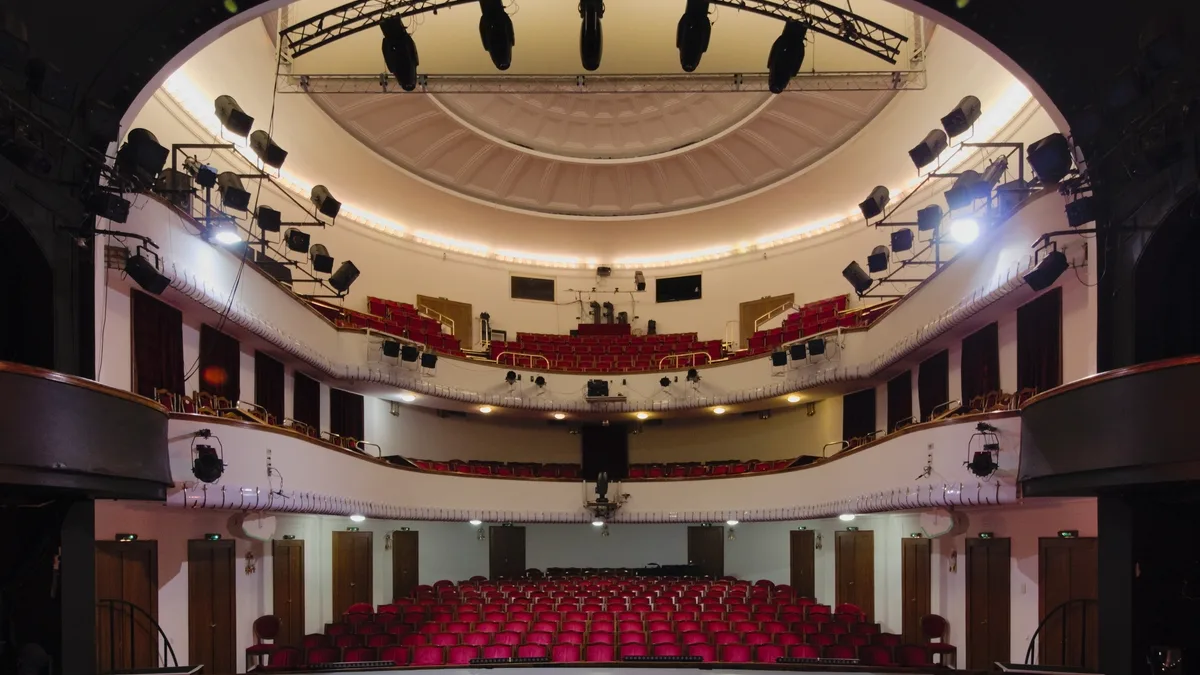
Dodge the Worst Theatres of 2026
Dodge the worst theatres of 2026 before you book, because a bad theatre can spoil a good night out before the curtain even rises. The worst theatres are not the small ones with modest stages and honest seats. The worst theatres fail in a much more basic way: they sell you a seat you cannot see from, sound you cannot hear properly, and an evening eaten by queues. This guide ranks the worst types of theatre, so you can spot a bad one before you pay for the ticket.
Key takeaways
- A theatre is about the seat: if you cannot see the whole stage from your seat, the ticket was too dear at any price.
- Cramped legroom ruins a long show: check the row spacing before you book.
- Muddy sound is the clearest sign a theatre has stopped caring.
- Interval queues that eat the whole break are a venue problem: count the bars and toilets first.
- Check recent visitor photos of the view from your seat before you book.
How the worst theatres were chosen
Every type below was scored on five measures. Sightlines come first: can you see the whole stage from the seat you paid for, or does a pillar, a balcony front or a tall head in front of you steal part of it? Comfort is second, judged on legroom, seat width and whether your knees survive a three-hour evening. Sound is third, because a theatre that swallows the words has failed at its one job. Flow is fourth, judged on the queues for the doors, the bars and the toilets, and whether the interval feels like a break or a second queue. Value is fifth: does the ticket price match the seat you actually get?
Two notes before the list. First, no individual theatre is named here, because the problem is the pattern, not the place: the same seven types turn up in every city and every country. Second, this is about the theatre as a venue, not the show on its stage. A fine performance in a bad room is still a bad evening, and a weak show in a good room is a different problem. The same honest check applies to the whole night out, and our guide to the worst stand-up comedy shows how a bad room can flatten even a good act. The sound matters just as much when music is the point, and our guide to the worst sports orchestras makes the same point about rooms that swallow the sound.

Comparison table: the worst theatres of 2026
| Rank | Theatre type | Main flaw | What to do instead |
|---|---|---|---|
| 1 | The Pillar Seat | Part of the stage is hidden | Check the view from your exact seat |
| 2 | The Knee-Crusher | No legroom for a long show | Pick aisle seats with space to stretch |
| 3 | The Echo Chamber | Words lost in muddy sound | Choose seats under the main speakers |
| 4 | The Balcony Perch | Steep, distant, vertigo-inducing | Pay for the stalls or skip the show |
| 5 | The Interval Queue | Break eaten by bars and toilets | Arrive early and use the quieter bar |
| 6 | The Freezing Hall | Cold draughts through the whole show | Bring a layer and pick a central seat |
| 7 | The Fee Machine | Booking fees double the ticket | Compare the final total, not the headline |
The worst theatres of 2026
1. The Pillar Seat: part of the stage is hidden
The Pillar Seat is the worst theatre of all, because it breaks the one promise a theatre makes. You pay to see the show, and what you get is most of it. A pillar, a balcony support or a lighting rig stands between your seat and part of the stage, and every time the action moves to that corner, you are watching a wall. The booking page may call the seat restricted view, in small print, at the bottom of the page, after you have already chosen your date. Or it may not mention it at all, and you discover the pillar when the lights go down. The worst version charges a near-full price for a partial view and hides the warning until you have paid. Check the view from your exact seat before you pay, and walk away from any theatre that will not show you what you will actually see.
2. The Knee-Crusher: no legroom for a long show
The Knee-Crusher squeezes too many rows into too little room. Your knees press against the seat in front of you from the moment you sit down, and by the interval you are standing in the aisle just to unfold. A three-hour evening becomes an exercise in endurance, and the second half is spent thinking about your legs rather than the stage. The worst version treats legroom as a luxury. If you are tall, pick an aisle seat or the back row, and be suspicious of any booking page that never mentions legroom at all.
3. The Echo Chamber: words lost in muddy sound
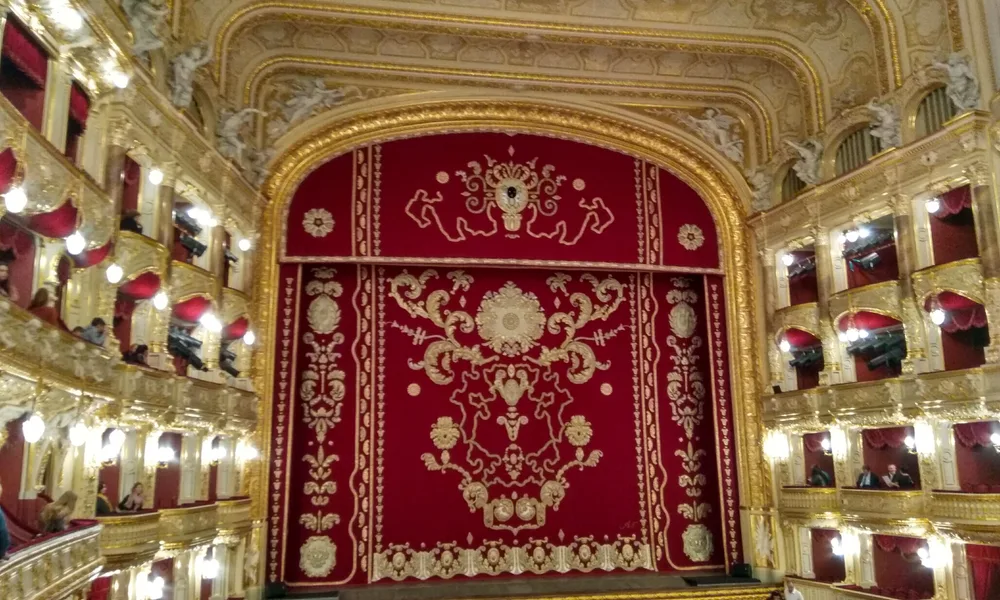
The Echo Chamber is a beautiful room that swallows the words. The actors speak, the sound rises into a high ceiling or bounces off bare walls, and by the time it reaches your seat it is a blur. You catch every third line, you guess the rest from the gestures, and you leave the theatre unsure of what the story actually was. The worst version knows about the dead spots and keeps selling them. If recent visitors mention that they could not hear, or the theatre’s own photographs never show anyone in the back rows, trust the warning and choose another night.
4. The Balcony Perch: steep, distant, vertigo-inducing
The Balcony Perch is the cheapest seat in the house for a reason, and the reason is the view. You climb a steep staircase, you shuffle along a narrow row, and you sit so high and so far back that the stage looks like a lit postage stamp. The rake is so steep that the person in front blocks the floor of the stage, and the rail in front of you cuts the bottom of the set in half. If you dislike heights, the evening is worse still: the drop to the stalls below is right there in front of your knees. The worst version sells vertigo and calls it a view. Pay for the stalls when the show matters, or wait for a night when the good seats are within reach.
5. The Interval Queue: break eaten by bars and toilets
The Interval Queue turns the break into a second performance, and you are in it. Twenty minutes is not long when the bar queue stretches down the corridor, the toilets have a queue of their own, and the stairs are clogged with people going both ways at once. You spend the interval standing in line and reach the front just as the bell rings. The worst version has one bar for a thousand seats and toilets on a different floor from the auditorium. Arrive early, use the bar on the quieter level, and treat a theatre whose interval is famous for its queues as a warning about the whole evening.
6. The Freezing Hall: cold draughts through the whole show
The Freezing Hall is cold in a way that no coat quite fixes. A draught runs down the aisle, the air conditioning blasts from above, and the stone walls hold the winter chill long after the audience has warmed the room. You sit with your coat on and your attention on the cold rather than the stage. The worst version leaves you shivering through three hours. Bring a layer, pick a central seat away from the doors, and if visitors keep mentioning the cold, believe them over the brochure.
7. The Fee Machine: booking fees double the ticket
The Fee Machine is not a seat problem but a price problem, and it ruins the evening before it begins. The ticket looks fair until the checkout adds a booking fee, a transaction fee, a restoration levy and a postage charge for tickets you print yourself. By the time you pay, the total is a third higher than the price that brought you to the booking page, and the cheap seats are not cheap any more. The worst version stacks small charges until the headline price is a fiction, revealing each one only at the last step. Compare the final total, not the headline, and book directly from the theatre when you can.
What to avoid when booking a theatre
The most common theatre regret is not a bad show but a wrong seat: a pillar in the way, knees against the row in front, or a balcony so steep the stage is a postage stamp. Avoid the trap by checking three things before you pay: the view from your exact seat, the legroom in your row, and the final total with every fee included. The same checks work for a night out of any kind, and our guide to the worst nightclubs makes the same point about queues and prices, because the traps are the same everywhere.
Checklist: booking a theatre
- Check the view from your exact seat in recent visitor photos, not just the booking page’s seating plan.
- Avoid any seat sold as restricted view unless the discount is real and you know exactly what is hidden.
- Pick an aisle seat or the back row if you are tall, and ask about legroom before you pay.
- Compare the final total with every fee included, not the headline ticket price.
- Arrive early, use the quieter bar and the toilets on the less crowded level, and give yourself time for the interval.
- Bring a layer for a cold hall, and pick a central seat away from the doors and the draughts.
Frequently asked questions
What makes a theatre one of the worst in 2026?
A theatre earns the label when the venue fails at the basics: blocked views, no legroom, muddy sound, intervals eaten by queues, freezing rooms, or fees that double the ticket.
Are old theatres always worse than new ones?
No. An old theatre with a good rake, clear sightlines and warm heating can be a better evening than a new hall with steep balconies and echoing walls. The problem is a venue that sells bad seats at good prices.
How can I check the view from my seat before booking?
Look for recent visitor photos taken from your row and seat, and search for reviews that name the seat. If every photo is taken from the front rows, treat that as a warning.
Is a restricted-view seat ever worth buying?
Yes, when the discount is real and you know exactly what is hidden. A pillar that blocks one corner is fair at half price, but a bad deal at near-full price.
When is the best time to arrive at a theatre?
At least thirty minutes before the curtain, and forty-five if it is a popular night. Early arrival means a short bar queue and time to find your seat without climbing over a full row.
What should I do if my seat is bad on the night?
Tell an usher before the show starts, not after the interval: empty seats can often be swapped while the house is still settling. Afterwards, say so in a review that names the seat.
Bottom line
Dodge the worst theatres of 2026 by checking the seat before the show: pillar seats, knee-crushers, echo chambers, steep balconies, interval queues, freezing halls and fee machines all give themselves away in advance. Check the view from your exact seat, compare the final total with every fee, and arrive early, and the theatre will give you the evening you paid for instead of taking it away.