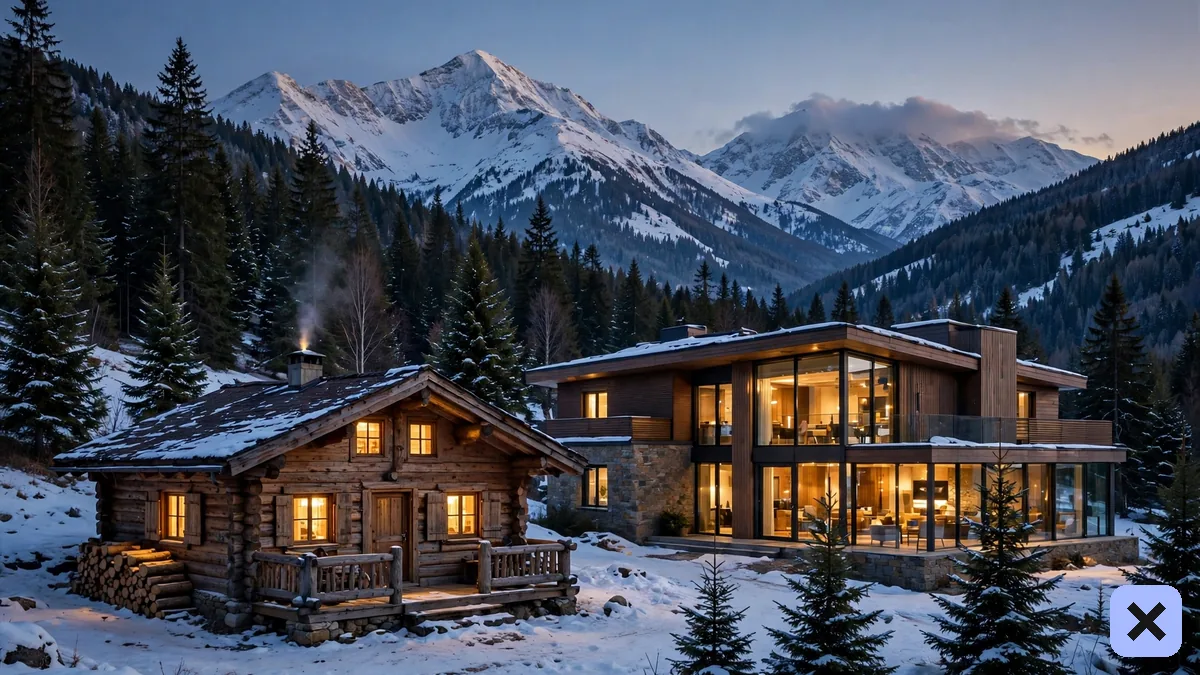
Choosing a cabin vs hotel for mountain trips shapes the whole holiday. The peaks and trails stay the same, but where you sleep changes how much of that mountain life you enjoy. A cabin gives you a quiet, private home with room to spread out, while a hotel gives you services and a room that is ready on arrival.
Neither option suits every traveller. A couple seeking a quiet weekend values different things from a family of six, and hikers who leave before sunrise care less about a restaurant than a family that wants breakfast served.
This guide compares the two stays on cost, space, privacy, comfort, location and food, so you can book with confidence.
Key takeaways
- Cabins usually win on space, privacy and value for larger groups, especially for stays of three nights or more.
- Hotels usually win on service, flexibility and short stays, with daily cleaning, meals and help on hand.
- Total cost depends on cleaning fees, food and transport, not just the nightly rate.
- Location matters more than luxury, because a short walk to the trail saves time every day.
- The best choice depends on your group size, travel style and how much cooking you want to do.
What a Mountain Cabin Really Offers
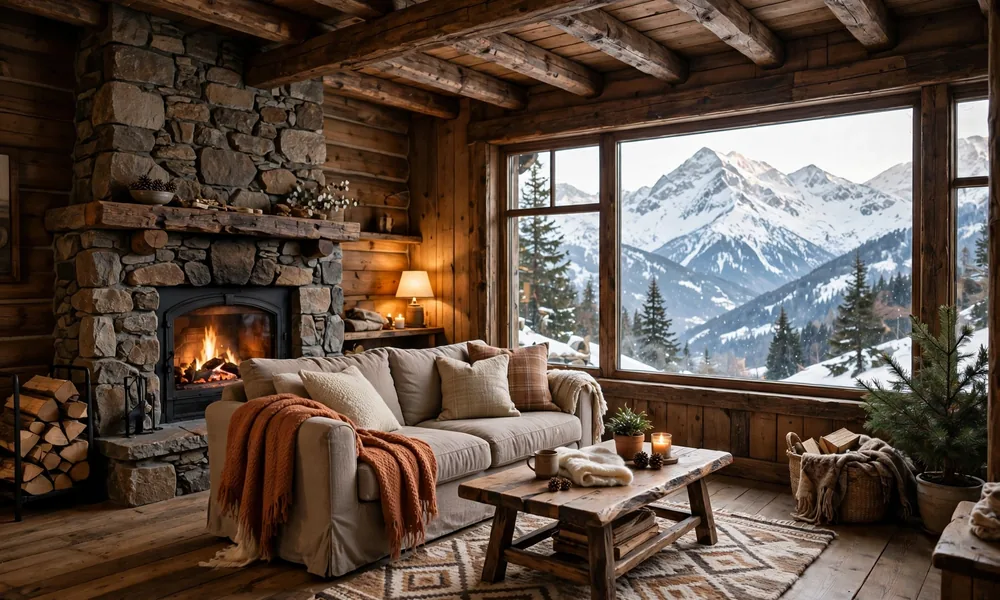
A mountain cabin is a whole home in the hills, usually built from wood and stone, with a living room, a kitchen and bedrooms. Many cabins sit apart from other buildings, so you hear wind in the trees rather than voices in a corridor. That space is the main reason people choose a cabin.
The kitchen is the heart of most cabin stays. You can cook breakfast before an early walk, pack sandwiches for the trail and return to a hot meal without waiting for a table. For families, this saves real money and makes life easier for fussy eaters and anyone with a special diet.
There are trade-offs. Most cabins have no daily cleaning and no reception, so you shop, wash up and take out the rubbish yourself. You may need a car to reach shops and trailheads, and a snowy drive to a remote cabin can be a challenge in winter.
Choosing the Right Cabin
Match the cabin to your group. A couple does not need four bedrooms, and a large family should not squeeze into a one-bedroom cabin to save money. Look for enough beds, enough bathrooms, good heating, hot water and a well-equipped kitchen. Read recent reviews about cleanliness and noise, and choose a responsive host with clear rules.
What a Mountain Hotel Really Offers
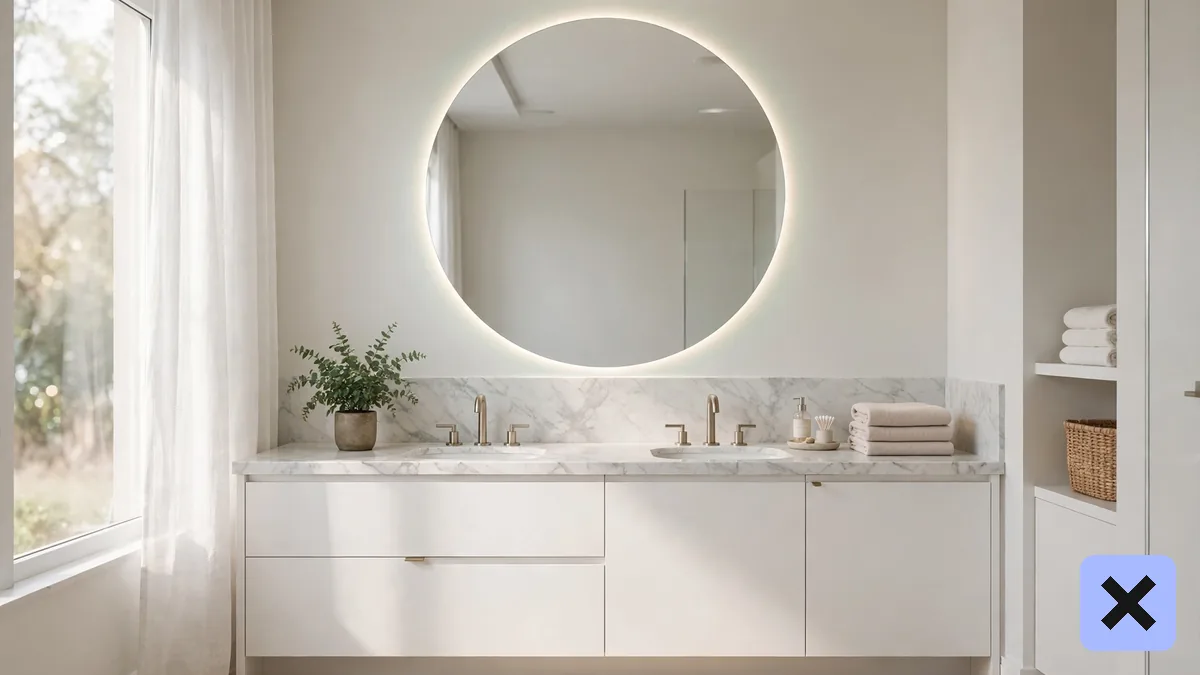
A mountain hotel gives you a private room, daily cleaning and staff who can help with directions and bookings. You arrive and walk into a clean, warm room with fresh towels and a made bed. That ease is the main reason many travellers choose a hotel, especially for a short break.
Hotels also offer shared facilities a cabin cannot match. A restaurant, a bar, a spa or a sauna can turn a cold evening into a relaxing one, and a hearty breakfast sets you up for a long day. Many hotels offer packed lunches, gear storage and shuttles to the lifts or trailheads.
The main limits are space and noise. A standard room is smaller than a cabin, with little room for drying gear or sitting together as a group. Families often need two rooms, which raises the cost, and thin walls can disturb light sleepers.

Choosing the Right Hotel
Look for a hotel that understands outdoor travellers: early breakfasts, packed lunches, secure gear storage, a drying room and flexible check-in. A hotel near the trails or village centre saves time and taxi fares. Check what is included in the rate, because breakfast, parking, Wi-Fi and spa access are sometimes extra.
Cost: Cabin vs Hotel for Mountain Trips
The nightly rate alone does not tell the full story. A cabin may look dear for two people but become excellent value for six, while a hotel room may look cheap until you add breakfast, dinner, parking and a second room. Compare the total cost per person per night, including food, fees and transport.
Cabins charge per property, not per person, so the cost falls as your group grows. A cabin at 240 per night costs 120 each for a couple, 60 each for four people and 40 each for six, before cleaning fees. Hotels charge per room, so a family of four may need two rooms and the cost per person stays high.
Cleaning fees change the result. A 120 fee adds 40 per night to a three-night stay but only 17 per night to a seven-night stay, which is why cabins suit longer trips. Hotels include cleaning, so a one-night or two-night stay is often cheaper in a hotel. Always add the fee and any service charge to the total first.
Food is the other big cost. Cooking in a cabin can cut your food bill by half, because a supermarket shop costs far less than eating out three times a day. A hotel breakfast may be included, but lunch and dinner in a resort can be costly. Transport can tip the balance back: a remote cabin may need a car, while a central hotel lets you walk everywhere.
| Factor | Cabin | Hotel |
|---|---|---|
| Best for | Groups, families, longer stays | Couples, solo travellers, short stays |
| Nightly cost | Per property, cheaper per person in a group | Per room, often dearer per person |
| Food | Self-catering, lower cost | Restaurant and breakfast, higher cost |
| Cleaning | Extra fee, no daily service | Included, daily housekeeping |
| Space | Whole home, kitchen and living room | One room, limited storage |
| Privacy | High, often detached | Lower, shared corridors and facilities |
| Services | Few, host by phone | Reception, meals, spa and shuttles |
The cheapest option depends on who is travelling and for how long. A couple on a two-night break will often spend less in a hotel, while a family of six on a week-long trip will usually spend far less in a cabin. Work out your own total using real prices for your dates.
Comfort, Space and Privacy
Comfort in the mountains is about warmth, quiet sleep and dry gear as much as soft beds. A good cabin gives you control over the heating and a living room for the evening. A good hotel gives you a warm room, fresh linen every day and staff who will help if something goes wrong.
Privacy is where cabins usually win. A detached cabin means no shared walls and no corridor noise. Hotels are improving, with better soundproofing in newer buildings, but a busy hotel at peak season is still a shared space.
Location and Access to Trails
Location can matter more than the type of stay, because a short walk to the trail saves time and energy every day. A cabin near a trailhead lets you start walking from the door, while a hotel in the village centre puts you close to shops, restaurants and buses. Choose a base that fits your plans, not just the prettiest listing.
Central hotels suit travellers without a car, because you can walk to dinner, catch a bus to the trailhead and return without driving after a long day. Before you book either option, check the distance to the nearest shop, restaurant and trail, and whether the route is safe to walk in the dark.
Good footwear makes any mountain base work better, and the right gear can turn a long walk into a comfortable day. The best hiking boots for mountain trails give you grip on rocky paths, support on steep climbs and dry feet in wet grass. Pack well, check the weather and start early.

Which Is Best for Different Travellers
Couples do well in either option. A cabin gives a couple privacy, a kitchen and a romantic setting, while a hotel gives ease, with breakfast served, no cleaning and a spa or restaurant for the evening. For a short romantic break, a hotel is often simpler; for a longer, slower break, a cabin feels more special.
Families with young children usually find a cabin easier. Children have room to play, you can cook meals at the right time, and you can put them to bed while adults stay up in another room. A cabin also lets you wash clothes, store snacks and keep a routine, which helps younger children settle.
Solo travellers and short-stay visitors often prefer a hotel. A solo traveller does not need a whole house, and a hotel room is safer, simpler and often cheaper for one or two nights. Hikers and skiers should choose a stay that supports their activity, with a drying room, an early breakfast and a location near the trails.
If your trip blends mountain walks with other outdoor stays, it helps to think about how you camp and travel as well as where you sleep. A clear look at tent vs RV camping shows how space, comfort and cost change when you move from a fixed roof to a mobile base, and the same trade-offs apply to cabins and hotels.
Your Mountain Stay Checklist
- Count beds and bathrooms, and make sure the stay fits your whole group at once.
- Add cleaning fees, food, parking and transport to the nightly rate before comparing.
- Check the distance to trails, shops and restaurants, and how you will get there.
- Ask about heating, hot water, Wi-Fi and drying space for wet gear.
- Read recent reviews for noise, cleanliness and the accuracy of the photos.
- Confirm check-in times, winter road access and the cancellation policy in writing.
Frequently Asked Questions
Is a cabin or a hotel cheaper for a mountain trip?
It depends on your group and the length of your stay. A cabin is usually cheaper per person for groups of four or more and stays of four nights or longer, because you pay per property and cook your own meals. A hotel is usually cheaper for couples and solo travellers on short stays.
Are cabins safe in the mountains in winter?
Most cabins are safe in winter when well built, well heated and reached by a maintained road. Check the heating, insulation and winter access before you book, and ask the host about snow, parking and four-wheel drive.
Do mountain hotels allow early breakfasts for hikers?
Many mountain hotels offer early breakfasts and packed lunches for walkers and skiers, especially in peak season. Ask at booking, because times vary and some smaller hotels need advance notice.
Can I stay in a cabin without a car?
It is possible, but often harder than staying in a central hotel. Some cabins are close to a village or bus stop, but many are remote and need a car for shopping and transport. Check distances and ask the host about taxis and walking routes.
Which is better for families with children?
A cabin is usually better for families with young children, because it gives you space, a kitchen and separate rooms for sleeping and relaxing. A hotel can work well for older children and teenagers, who enjoy the facilities and freedom to come and go.
What should I pack for a mountain cabin stay?
Pack warm layers, waterproofs, sturdy footwear and food for your first night, because shops may close early in mountain villages. Check what the cabin provides before you travel. Avoid the common camping mistakes beginners make, such as underestimating the weather or leaving route planning until the morning.
The Bottom Line
A cabin is the best choice when you want space, privacy and value for a group or a longer mountain trip, with a kitchen and a living room that make the stay part of the holiday. A hotel is the best choice when you want service, ease and flexibility for a short stay, with meals, cleaning and local help included. Compare the full cost, check the location and choose the stay that fits your group, your plans and the way you like to travel.