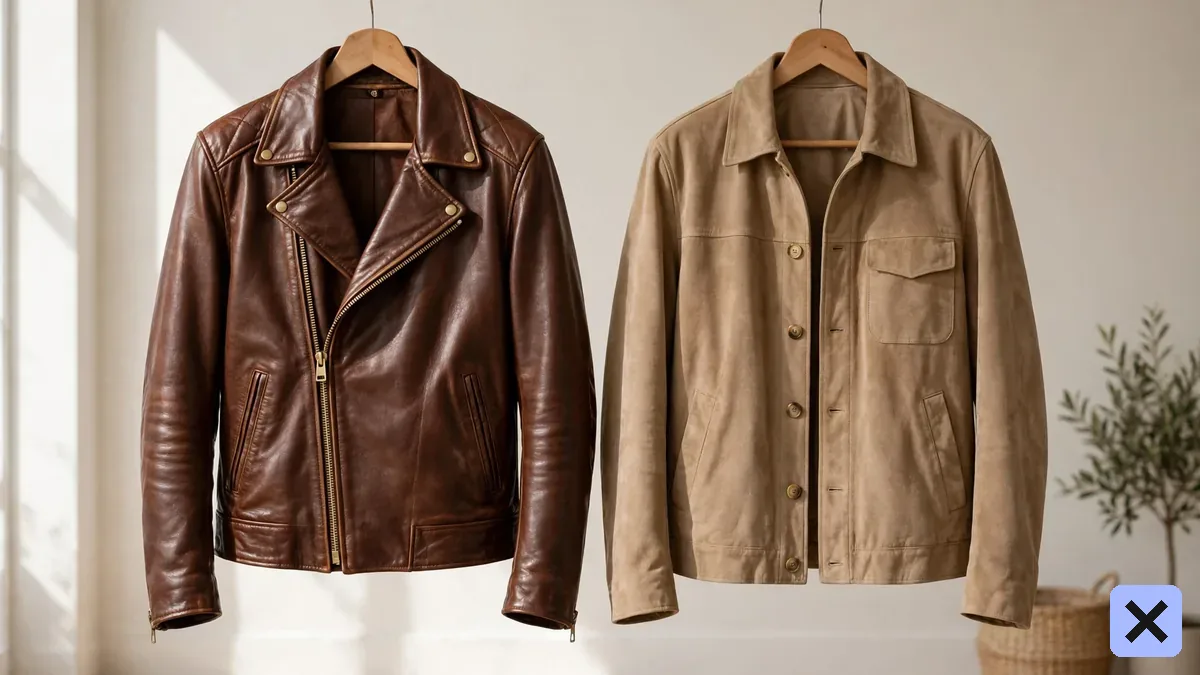
Summer holiday packing mistakes are the fastest way to turn a relaxing trip into a week of discomfort, extra charges and wasted time. The worst summer holiday packing mistakes are rarely dramatic. They are small decisions made in a rush — an extra pair of jeans, a forgotten bottle of sunscreen, a suitcase that will not close — that add up until the holiday feels harder than the working week you left behind.
Heat changes everything about packing. Clothes that feel fine at home become heavy and sticky in 32-degree sunshine, and a bag that seemed reasonable in the hallway becomes a burden on a cobbled street or a long walk to the hotel. Summer also brings sunburn, dehydration and sudden downpours, and a bag packed for only one kind of weather leaves you unprepared for the rest.
This guide looks at the worst summer holiday packing mistakes, explains why each one causes so much trouble, and shows exactly what to pack instead. Every mistake comes with a practical fix for your next trip, whether you are heading to a beach resort, a city break or a countryside escape.
Key takeaways
- Pack for the trip you have actually booked, not for every holiday you might one day take.
- Light, breathable fabrics and one versatile pair of walking shoes matter more than a large wardrobe.
- Sun protection, water and a small first-aid kit belong in your hand luggage, not at the bottom of a checked bag.
- Weigh your suitcase at home and check your airline’s size and weight limits before you leave.
- Keep passports, medication, chargers and one change of clothes with you at all times.
Why Summer Packing Goes Wrong
Most packing mistakes start with optimism. Travellers imagine long dinners, beach days, mountain walks and smart evenings out, and they pack an outfit for each imagined version of the holiday. The result is a suitcase full of clothes that are never worn, while the useful items — a light rain jacket, a second swimsuit, comfortable sandals — are left behind.
Summer makes this worse because the weather feels predictable. People assume every day will be hot and sunny, so they pack only shorts and T-shirts. Then a cool evening or a rainy afternoon arrives, and they have nothing suitable to wear. Pack for range, not for a single forecast. If an item does not match at least two outfits, leave it at home.
1. Packing for Every Possible Scenario
The single worst summer holiday packing mistake is packing for every possible scenario. Three formal outfits, four pairs of shoes, a jacket for a cold snap, a dress for a party that may never happen — each item feels sensible on its own, but together they fill the case and leave no room for the things you actually need. Heavy bags are harder to lift into overhead lockers, harder to carry up hotel stairs and more likely to attract excess-weight charges.
Pack around a small colour palette so every top works with every bottom: three bottoms, five or six tops, one light layer and one smarter outfit covers a week. A linen shirt works at the beach, at lunch and in the evening. Using best travel packing cubes keeps a smaller bag organised, because each cube holds one category and stops the case turning into a jumble by day two.
2. Choosing Heavy Fabrics That Trap the Heat
Denim jeans, thick cotton hoodies and heavy knitwear have no place in a summer suitcase, yet they appear in bag after bag. In hot weather they trap sweat, dry slowly after washing and take up far more space than lighter alternatives. A pair of jeans can weigh as much as three pairs of linen trousers and is far less comfortable at 30 degrees.
Choose linen, lightweight cotton, seersucker and technical fabrics made for warm weather: they let air move, dry quickly and pack smaller. If a garment feels heavy in your hand, it will feel heavier in the heat.
3. Forgetting Sun Protection Until It Is Too Late
Sunburn is one of the most avoidable holiday miseries, and it usually starts with a packing mistake. Sunscreen left at home, a hat forgotten on the hallway table, sunglasses buried at the bottom of a checked bag — each small omission leaves skin unprotected on the very first day, when it is most vulnerable after months out of strong sun.
Sun protection belongs in your hand luggage and your day bag, not in the case that arrives hours after you do. Use a broad-spectrum sunscreen of at least SPF 30, reapplied every two hours and after swimming, plus a wide-brimmed hat and sunglasses with proper UV protection. Do not rely on buying sunscreen at your destination, where resort shops often charge several times the home price.

4. Packing the Wrong Shoes
Shoes are the heaviest and bulkiest items in most suitcases, and they are also the items most likely to be chosen badly. Brand-new shoes that have never been worn, high heels for cobbled streets, heavy boots for a beach holiday — all of them cause blisters, sore feet and wasted space. The worst mistake is packing shoes you have not tested: a new pair may look perfect in the shop and feel agonising after two hours of walking.
Break in any new shoes at home for at least a week before the trip, and if they still hurt, leave them behind. Three pairs are enough: comfortable walking sandals or trainers, light evening shoes, and flip-flops for the beach and pool. Wear the heaviest pair on the journey.
5. Ignoring Airline Weight and Size Limits
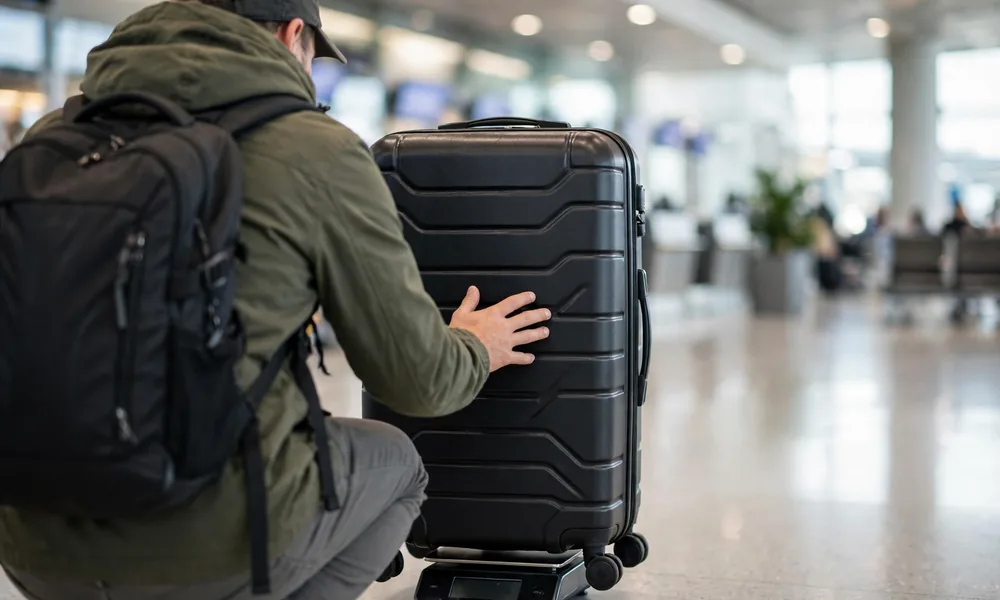
Nothing sours the start of a holiday like an overweight bag at check-in. The fee for a few extra kilos can be more than the cost of the flight itself on a budget airline, and the scramble to move clothes into a handbag in front of a queue is stressful and embarrassing. Airlines differ widely: one carrier may include a 23-kilo checked bag, while another charges for anything beyond a small cabin bag.
Check the limits for every flight on your booking, including return and connecting flights. Weigh your bag at home and leave a kilo spare for souvenirs: packing cubes help, but they cannot fix a bag that is simply too heavy.
6. Leaving Documents and Essentials in Checked Luggage
Checked luggage sometimes goes missing, gets delayed or arrives a day late. Travellers who put everything important in the hold are then stuck in a foreign country with no passport copy, no medication, no charger and no change of clothes. It is a rare event, but when it happens it ruins the first day of a holiday.
Keep the essentials with you: passports, travel documents, medication, phone chargers, a change of clothes and basic toiletries belong in your cabin bag. Medication should always travel in hand luggage, in its original packaging, with a copy of the prescription if you need it. Take photos of your passport, bookings and travel insurance and store them on your phone and in your email. The same care applies on the journey itself: the worst train travel mistakes often involve documents and bags left out of reach, and a little planning avoids them entirely.
7. Packing No Day Bag for Outings
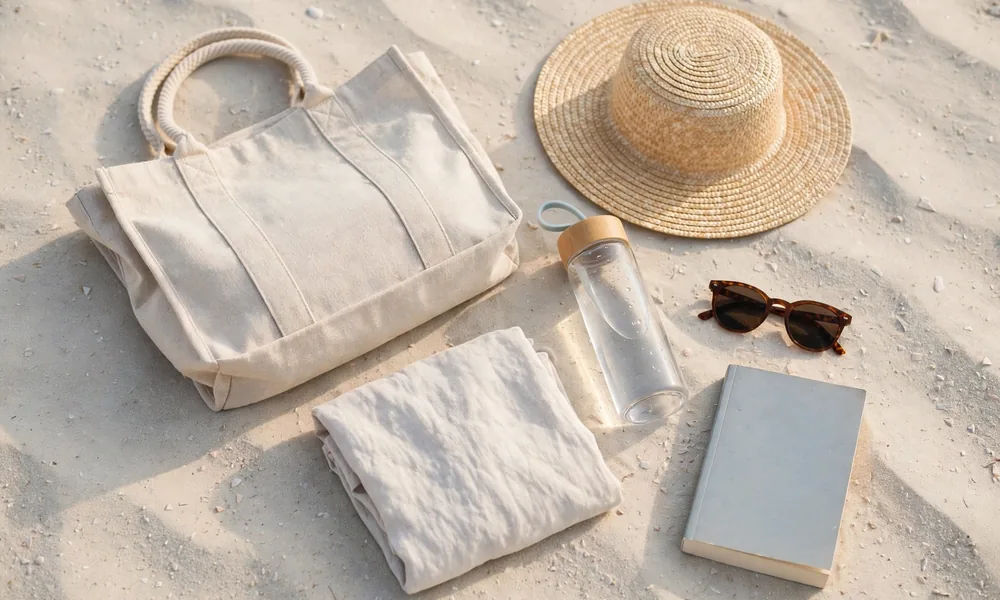
A large suitcase is useless once you leave the hotel. Travellers who pack no day bag end up carrying sunscreen, water, a book and a camera in their hands, or stuffing everything into a plastic carrier bag. It is uncomfortable, insecure and a quick way to lose something valuable.
A light, foldable day bag takes up almost no space and transforms a day out: choose one with a zip, a water-bottle pocket and a comfortable cross-body strap. Pack it the night before each outing, with water, sunscreen, a hat, a snack and any tickets you need.
8. Leaving Packing Until the Last Night
Packing at midnight the night before departure guarantees mistakes. In a rush, people forget chargers, pack the wrong clothes and leave no time to buy the item they suddenly realise they need. The stress of a late-night pack also makes for a poor night’s sleep before an early flight.
Start packing three days before you travel. Lay out clothes, check the weather forecast for your destination and make a list of anything missing. Pack the case the day before departure, then do a final check on the morning of travel: documents, medication, chargers, keys and phone. A written packing list takes ten minutes to write and saves hours of worry.
The Worst Mistakes at a Glance
Most packing problems fall into a few clear patterns. The table below summarises the worst summer holiday packing mistakes, what they cost you, and the simple fix for each one.
| Mistake | What it costs you | What to do instead |
|---|---|---|
| Overpacking for every scenario | Excess baggage fees and a heavy, unmanageable bag | Pack a small capsule wardrobe around one colour palette |
| Heavy fabrics | Overheating, discomfort and slow-drying clothes | Choose linen, light cotton and quick-dry fabrics |
| No sun protection packed | Sunburn on day one and expensive resort-shop prices | Pack SPF 30 or higher, a hat and sunglasses in hand luggage |
| Essentials in checked luggage | A ruined first day if the bag is delayed | Keep documents, medication and a change of clothes with you |
Your Summer Packing Checklist
Use this checklist before you close the case.
- Passport, tickets, travel insurance details and a phone photo of each document
- Medication in hand luggage, plus a change of clothes and basic toiletries
- Sunscreen SPF 30 or higher, a wide-brimmed hat and UV-protection sunglasses
- Three pairs of broken-in shoes: walking shoes, evening shoes and beach shoes
- Light, breathable layers in one colour palette, plus a light rain jacket
- A foldable day bag, a reusable water bottle and a phone charger with the right adapter
Frequently Asked Questions
How many outfits should I pack for a week in summer?
Five or six tops, three bottoms, one light layer and one smarter outfit are enough for a week. Choose pieces that mix and match, and plan one wash halfway through a longer trip.
What is the best fabric for hot weather?
Linen is the best choice for very hot weather because it breathes well and dries quickly. Lightweight cotton, seersucker and technical quick-dry fabrics are also good. Avoid heavy denim, thick cotton and synthetic fabrics that trap heat.
How much sunscreen should I pack for a summer holiday?
Pack around 200 millilitres per person per week, applying about 30 millilitres per full-body application. Reapply every two hours and after swimming.
Should I pack a rain jacket for a summer holiday?
Yes. A light, packable rain jacket takes up almost no space and protects you from sudden summer showers and cool evenings. It is far more useful than an extra outfit you may never wear.
What should always go in hand luggage?
Passports, medication, chargers, a change of clothes, basic toiletries, sunscreen and anything valuable. If your checked bag is delayed, you can still enjoy your first day.
How do I avoid excess baggage fees?
Check your airline’s weight and size limits, weigh your bag at home and leave a kilo spare. Wear your heaviest shoes and jacket on the journey. Planning a beach trip? Our guide to the best beach destinations in Europe can help you match your packing list to the resort you have chosen.
The Bottom Line
The worst summer holiday packing mistakes all come from the same habit: packing too much of the wrong thing and too little of what matters. A lighter bag, breathable clothes, sun protection in your hand luggage and a simple checklist will do more for your holiday than any extra outfit. Pack for the trip you have booked, and spend your first day enjoying the sunshine instead of unpacking a suitcase you can barely lift.