Avocado oil deserves a spot in your kitchen in 2026 because it does something almost no other cooking oil can: it handles serious heat and still tastes like something. Pressed from the green flesh of ripe avocados, it has one of the highest smoke points of any plant oil, a mild buttery flavour, and a fat profile rich in monounsaturated fat. It fries, roasts, sears and dresses salads with equal ease, and it does all of that without the coconut aroma that divides cooks or the peppery bite of a bold olive oil.
Yet avocado oil is also one of the most confusing oils on the shelf. Some bottles are bright green and fragrant, others are pale and neutral, and a surprising number of cheap bottles are not what they claim to be. Studies have found that many supermarket avocado oils are diluted with cheaper oils. This guide explains how to spot a genuine bottle and how to use it well.
Key Takeaways
- Avocado oil has a very high smoke point, around 250 degrees Celsius for refined oil, making it one of the best oils for searing and roasting.
- Choose extra virgin, cold-pressed avocado oil for flavour, and refined avocado oil for high-heat cooking.
- Real avocado oil should taste buttery and mild with a faint grassy note, and look green-gold in the bottle.
- Buy from a reputable brand, check for a harvest date, and be wary of very cheap bottles.
- Store it in a cool, dark cupboard; an opened bottle stays fresh for about six months.
What Makes an Avocado Oil Great
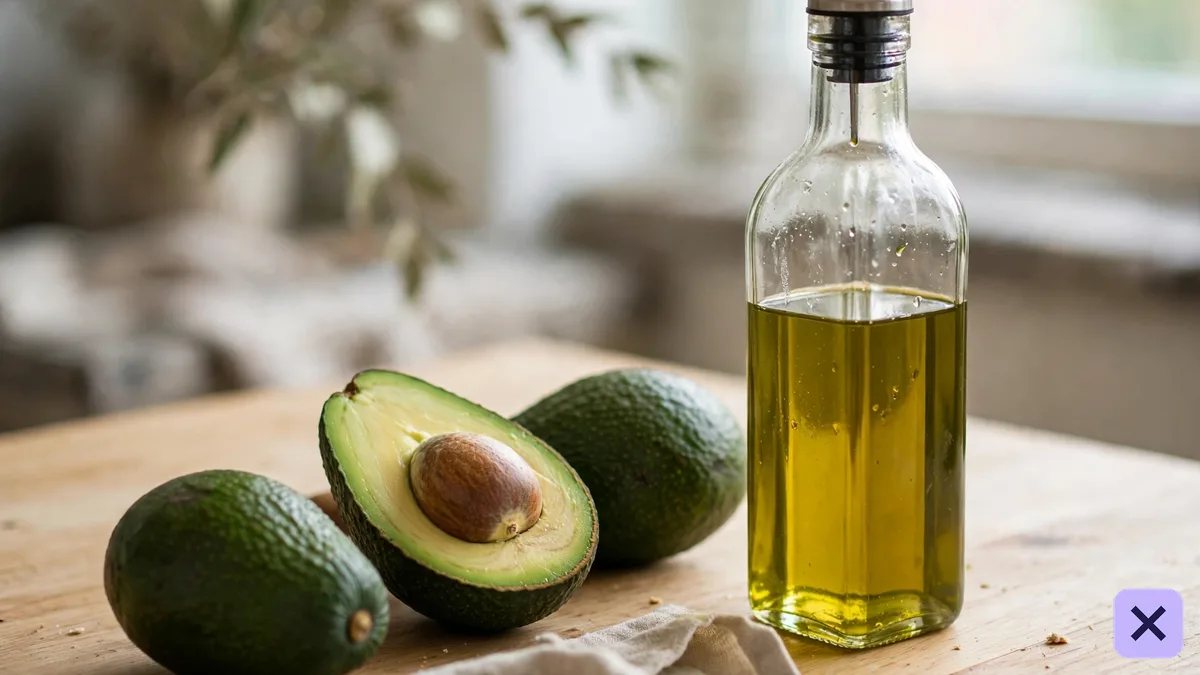
Great avocado oil starts with ripe, healthy fruit. The best oils are cold-pressed from the flesh of ripe Hass avocados, the variety with the dark, pebbly skin, within hours of the fruit being opened. The oil that comes out is a deep green-gold colour, with a buttery, almost nutty flavour and a faint grassy freshness. That colour comes from chlorophyll and carotenoids in the fruit, and it is a good sign: a pale yellow avocado oil has usually been heavily refined or diluted.
The second mark of quality is honesty on the label. Genuine avocado oil is expensive to make, because it takes a lot of fruit to produce a small bottle, so a very cheap bottle should raise questions. Food scientists have repeatedly found bottles labelled pure avocado oil that contain mostly soybean or sunflower oil. Buy from brands that publish test results and state a harvest date.

Extra Virgin, Refined and Blends
Extra virgin avocado oil is pressed from fresh avocado flesh without heat or chemicals. It keeps its green colour, its buttery flavour and its nutrients, and it is the best choice for dressings, drizzling and gentle cooking. Refined avocado oil is filtered and deodorised, which strips out the colour and flavour but raises the smoke point to around 250 degrees Celsius, the highest of any common cooking oil. It is the better tool for searing, stir-frying and roasting at high heat.
Blends are where buyers get caught out. Some bottles mix avocado oil with cheaper oils and still lead with avocado on the label. A blend is not automatically bad, but it should say so clearly on the front. If the ingredient list names anything other than avocado oil, choose another bottle.
Best Avocado Oil Types Compared
There is no single best avocado oil for every kitchen, because the right bottle depends on how you cook. A fragrant extra virgin oil is wonderful drizzled over a salad, but its flavour would be lost in a screaming-hot wok. A refined oil is superb for searing, but it brings nothing to a dressing. Many cooks keep both.
| Oil Type | Flavour | Smoke Point | Best For | Typical Price |
|---|---|---|---|---|
| Extra virgin, cold-pressed | Buttery, grassy, mild | Around 200°C | Salads, drizzling, dipping | $15–$28 per 500ml |
| Refined avocado oil | Neutral, almost no flavour | Around 250°C | Searing, frying, roasting | $12–$22 per 500ml |
| Organic extra virgin | Buttery, fresh, green | Around 200°C | Cooking and dressings | $18–$32 per 500ml |
| Avocado oil blend | Mild, neutral | Around 220°C | Everyday cooking on a budget | $8–$14 per 500ml |
| Unrefined, expeller-pressed | Rich, buttery | Around 200°C | Roasting, baking, marinades | $14–$25 per 500ml |
| Avocado oil spray | Neutral | Around 250°C | Coating pans, air fryers | $6–$10 per can |
Price is a useful signal but not a verdict. A fifteen-dollar bottle from a brand that publishes its testing will beat a thirty-dollar bottle with no harvest date. Taste the oil when you open it: smooth and buttery is good, while sharp, stale or rancid means it is past its best.
How to Choose the Best Avocado Oil in 2026
Start with the ingredient list, which should say one thing: avocado oil, or 100 percent avocado oil. Next, look for the words cold-pressed and extra virgin on a bottle you want for flavour, and refined on a bottle you want for high-heat cooking. A harvest or pressed-on date within the last year is a good sign, and a brand that publishes lab results or a purity certification is worth paying a little more for.
Look at the bottle too. Avocado oil hates light, so a dark green or amber glass bottle keeps it fresher far longer than a clear plastic bottle on a bright shelf. Buy a size you will finish within about six months of opening: a 500ml bottle suits most households.
It also helps to know how avocado oil fits alongside the other oils in your kitchen. It is the best choice when you need real heat without a strong flavour, and our guide to the best olive oil of 2026 covers the oil to reach for when flavour matters more than heat. The two complement each other well: olive oil for salads and finishing, avocado oil for searing and roasting.
Cooking With Avocado Oil: Smoke Point and Everyday Use
Refined avocado oil has a smoke point of around 250 degrees Celsius, which is higher than olive oil, coconut oil and most seed oils. That makes it the best plant oil for searing a steak, stir-frying at full heat, or roasting vegetables until they are crisp at the edges. Extra virgin avocado oil smokes at around 200 degrees, which still covers most everyday cooking, from sautéing to baking, while keeping its buttery flavour.
For roasting, toss vegetables in avocado oil before they go into a hot oven; it crisps potatoes and carrots without adding a competing flavour. For searing, heat the pan first, add a thin film of refined avocado oil, and lay the meat or fish in without moving it until a crust forms. For dressings, whisk extra virgin avocado oil with lemon juice and mustard for a creamy vinaigrette. And for a coconut-scented change of pace in curries, our guide to the best coconut oil of 2026 explains how to choose a fresh jar.

Avocado Oil in Dressings and Dips
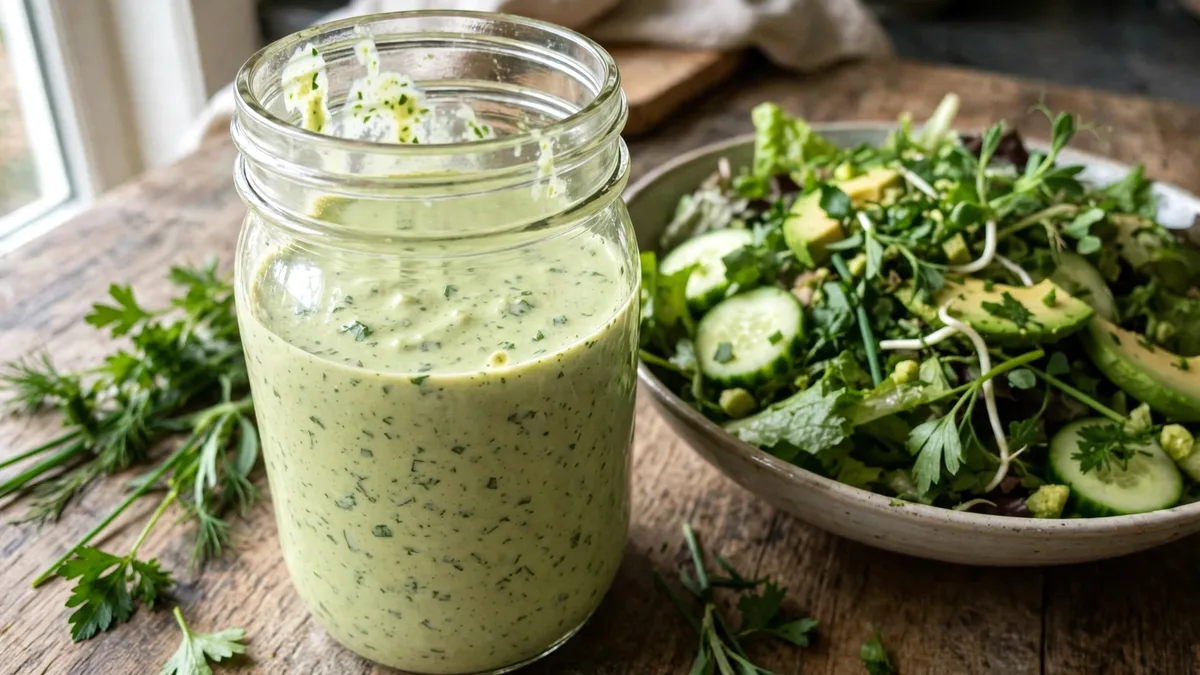
Extra virgin avocado oil shines where it is not heated at all. Its buttery flavour makes a wonderful base for mayonnaise and for dips like a green goddess dressing. Try it drizzled over grilled fish, a tomato salad, or a bowl of soup just before serving. A tablespoon is enough to dress a salad for two.
Avocado Oil for Skin and Hair
Many households keep a bottle of extra virgin avocado oil in the bathroom as well as the kitchen. It is rich in oleic acid and vitamin E, and it works as a simple moisturiser for dry skin, a hair treatment for dry ends, and a gentle makeup remover. A few drops warmed between the palms smooth flyaway hair.
It is not a substitute for sunscreen, and it is not suitable for everyone: people with very oily or acne-prone skin may find it too heavy for the face, and anyone with an avocado allergy should avoid it entirely. As with the kitchen bottle, freshness matters: a rancid oil belongs in the bin, not on your skin, so smell it before you use it.
Storing Avocado Oil So It Stays Fresh
Avocado oil has three enemies, like every fat: light, heat and air. The best storage is a cool, dark cupboard away from the stove, with the cap screwed on tightly between uses. A temperature between 15 and 20 degrees is ideal. Do not store it in a decorative clear bottle on the worktop next to the cooker, however pretty it looks, and do not leave it in a sunny window.
Unopened, avocado oil keeps for twelve to eighteen months from pressing. Once opened, it stays at its best for about six months if stored well. Trust your nose: if the oil smells stale or sharp, it is time for a fresh bottle. Flaxseed is another pantry staple that rewards the same care, and our guide to the best flaxseed of 2026 explains how to buy and store it well.

Common Mistakes When Buying Avocado Oil
The first mistake is buying the cheapest bottle on the shelf: genuine avocado oil is expensive to make, and a bargain bottle is often diluted. The second is using extra virgin oil for very high-heat searing, where it smokes and loses its flavour. The third is trusting the front label without reading the back: a bottle that says avocado oil in big letters and lists sunflower oil in small ones is a blend. The fourth is storing the bottle next to the stove or in sunlight. And the fifth is buying a huge bottle and using it slowly for a year.
Avocado Oil Buying Checklist
- Choose extra virgin, cold-pressed oil for flavour, and refined oil for high-heat cooking.
- Check the ingredient list says only avocado oil, and look for a harvest or pressing date.
- Pick a dark glass bottle, and avoid clear plastic bottles and sunlit shelves.
- Taste the oil when you open it: smooth and buttery, never sharp, stale or chemical.
- Buy a size you will finish within about six months of opening.
- Store it in a cool, dark cupboard away from the stove, with the cap tightly closed.
Frequently Asked Questions
Is avocado oil better than olive oil?
It depends on the job. Avocado oil is better for high-heat cooking, with a smoke point around 250 degrees for refined oil, while olive oil is better for flavour in salads and finishing. Most kitchens benefit from keeping both.
Is avocado oil healthy?
Avocado oil is rich in monounsaturated fat, mainly oleic acid, the same fat that makes olive oil prized. It is a good choice as part of a balanced diet, used alongside other oils.
Can you fry with avocado oil?
Yes. Refined avocado oil is one of the best oils for frying, with a smoke point around 250 degrees Celsius. Extra virgin avocado oil is better kept to gentle cooking, since it smokes at around 200 degrees.
How can you tell if avocado oil is real?
Real avocado oil tastes buttery and mild with a faint grassy note, and looks green-gold in the bottle. Check that the ingredient list says only avocado oil, look for a harvest date, and buy from a brand that publishes purity test results.
How long does avocado oil last once opened?
An opened bottle stays at its best for about six months in a cool, dark cupboard. Unopened, it keeps for twelve to eighteen months from pressing.
Should avocado oil be refrigerated?
Usually not. A cool, dark cupboard between 15 and 20 degrees is better. The fridge can make the oil cloudy and thick, which is harmless but inconvenient.
The Bottom Line
Avocado oil deserves a spot in your kitchen in 2026 because it is the rare oil that handles serious heat and still tastes good. Buy a genuine extra virgin, cold-pressed bottle for dressings and drizzling, keep a refined bottle alongside it for searing and roasting, store both in a cool, dark cupboard, and use them within six months of opening. With avocado oil, purity is the flavour.