
The best hiking backpacks of 2026 can carry a heavy load for miles without digging into your shoulders. They keep your gear dry in a sudden downpour and still feel comfortable when the trail turns steep. The worst look almost identical on the shelf, yet they sag under weight, rub your hips raw, and fall apart at the seams halfway through a trip.
This comparison puts the best hiking backpacks of 2026 head to head against the worst. We judge them the way you would actually use them: how the weight sits on your hips, how the straps feel after six hours, how the fabric holds up to rock and rain, and what the pack costs. A good pack disappears on your back, so you notice the trail instead of the load.
Key Takeaways
- The best hiking backpacks of 2026 put most of the weight on your hips, so look for a padded hip belt and a frame that matches your torso.
- Fit matters more than brand: measure your torso, try the pack loaded, and walk around the shop before you commit.
- A 20 to 30 litre pack suits day hikes, 50 to 65 litres covers most multi-day trips, and 70 litres and up is for winter loads.
- Ultralight packs save weight but demand lighter gear and careful packing, so they suit experienced hikers best.
- The worst packs sag under load, soak through in rain, and fail at the zips and seams where cheap construction shows first.
How a Hiking Backpack Actually Works
A hiking backpack is a frame, a set of straps, and a bag working together to move weight from your shoulders to your hips. The frame gives the pack its shape and stops the load from collapsing against your back. The hip belt does the real work: on a well-fitted pack it carries roughly seventy to eighty percent of the weight, while the shoulder straps mainly keep the pack from tipping backwards.
Capacity, weight, and weather resistance decide most purchases, and they pull in different directions. A bigger pack tempts you to carry more, which makes every climb harder. Thick nylon shrugs off rock and thorn but adds weight, while thin ultralight fabric saves grams and tears more easily. A rain cover helps, yet the best packs also use water-resistant coatings and sealed seams.
The Best Hiking Backpacks of 2026
The best hiking backpacks of 2026 share one quality that no spec sheet captures: they feel like part of your body once fitted properly. The load sits close to your spine, the hip belt hugs without pinching, and the pack moves with you instead of swaying on uneven ground. They are rarely the lightest or the cheapest, but they are the ones hikers reach for again and again.

Best for comfort and heavy loads: packs that carry weight properly
If you hike with a tent, food for several days, and water for dry stretches, comfort under a heavy load is everything. The best heavy-load packs earn their weight with a real frame and a wide, padded hip belt. The frame spreads the load across your back, and the hip belt, shaped to sit on the bones of your pelvis, takes the strain off your neck and shoulders.
Best for ultralight and fast hiking: light packs that still hold together
Ultralight packs are the best choice for hikers who have already trimmed their gear and want to move fast. The best of them prove that light does not have to mean flimsy, using strong, thin fabrics and a simple frame, often just a foam pad or a single stay. A good ultralight pack in the forty to fifty litre range can weigh under a kilo, which saves your knees over a long day.
Best for day hikes and short trips: small packs that do the basics brilliantly
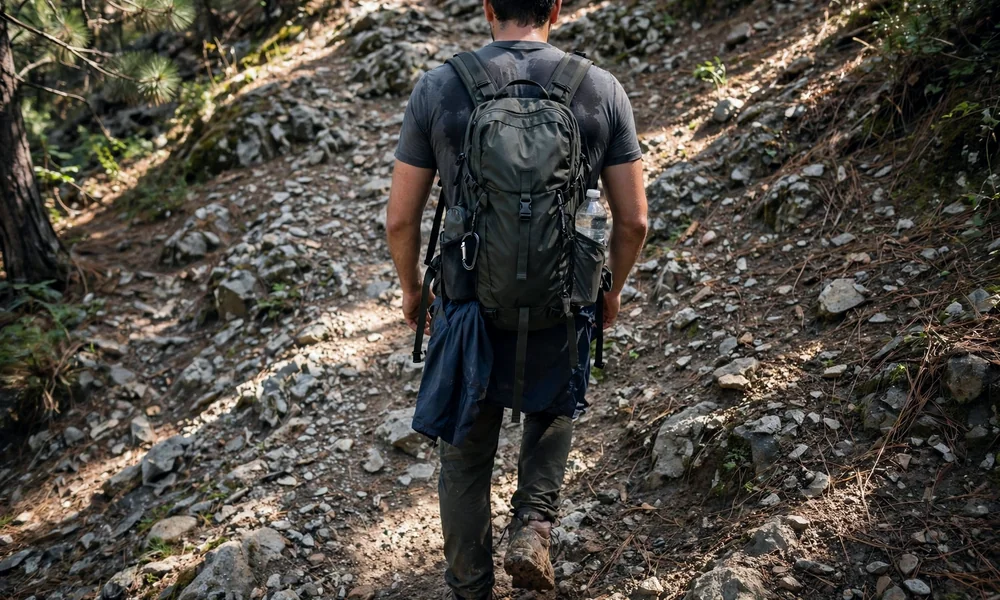
For a day on the trail, the best packs are the simple ones: twenty to thirty litres, a comfortable back panel, and just enough organisation to keep water, food, and a waterproof layer within easy reach. The best day packs use the same suspension ideas as their bigger brothers, scaled down, so the weight still sits on your hips. A hydration sleeve matters too, because a pack that takes a water bladder keeps you drinking regularly.
Day packs are also where value is easiest to find, because a simple design leaves fewer places for a maker to cut corners. A well-made day pack from a mid-range brand often outlasts a flashy, expensive one. The best day packs also work beyond the trail, carrying a laptop and lunch on a weekday and a towel and book on a beach day.
The Worst Hiking Backpacks of 2026
The worst hiking backpacks of 2026 fail in ways that are easy to miss in the shop and impossible to ignore on the trail. They look the part, with plenty of straps and pockets and a rugged colour, but the frame is flimsy or missing, the hip belt is a thin strip of webbing, and the fabric tears on the first sharp rock. They are usually the cheapest packs on the shelf, and the price is the first warning.
Worst for comfort: packs that hang from your shoulders and rub you raw
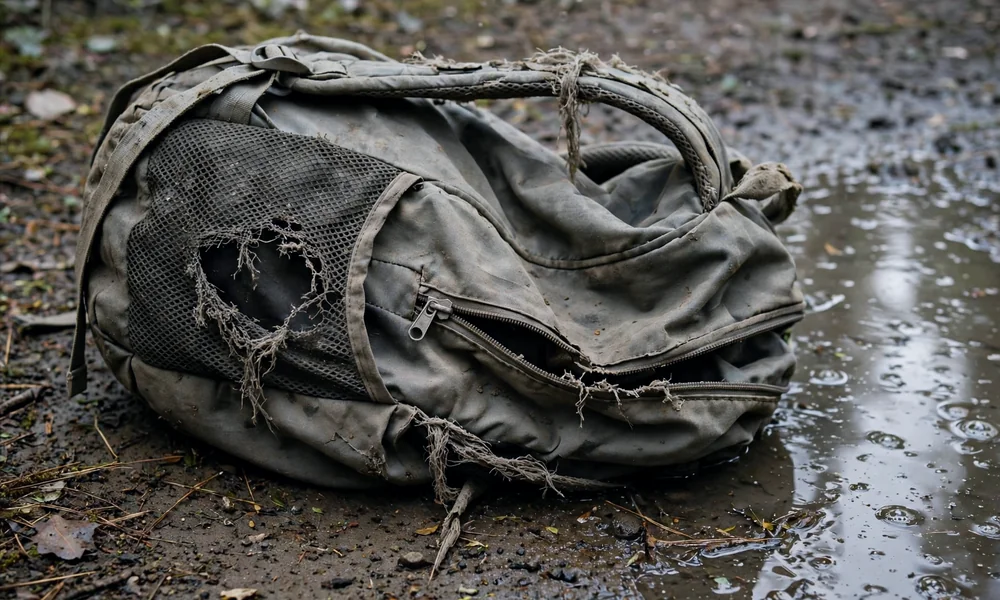
The worst packs for comfort have no real frame and a hip belt that is little more than decoration. Without a frame, the load collapses against your back and pulls backwards, so your shoulders take the full weight and your neck aches within the hour. The shoulder straps are thin and unpadded, so they dig in and leave red marks, and the back panel is a flat sheet of foam that traps sweat.
Worst for durability: thin fabric, weak zips, and seams that split
Durability is where cheap packs give themselves away fastest. The fabric is thin and shiny, with no reinforcement on the base or the front where the pack meets rock and ground. The zips are small, stiff, and unbranded, and they snag on the fabric every time you open them. The seams are single-stitched with thin thread, and the stitching around the shoulder straps and hip belt is sparse and uneven.
Worst for value: expensive packs that charge for the label, not the load
Not every bad pack is cheap. Some of the worst value in 2026 comes from fashionable packs that charge a premium for a famous label while cutting corners on the parts that matter. These packs look superb in photos, but the frame is basic, the hip belt is thin, and the pockets are placed for looks rather than for use on the trail. You pay for the brand and get a pack that carries worse than a mid-range model costing half as much.
Best vs Worst at a Glance
Fit and carry
The best packs fit your torso, put the weight on your hips, and stay stable on uneven ground. The worst hang from your shoulders, sway with every step, and leave you sore by lunchtime. The difference is the frame and the hip belt: the best have both, properly shaped and adjustable, while the worst have a flat back panel and a belt that is there for show.
Durability and weather
The best packs use thick, reinforced fabric, strong zips, and sealed seams, and they keep your gear dry in real rain. The worst use thin fabric that tears on rock, zips that snag and burst, and seams that split under load. A rain cover helps, but it is no substitute for a coated fabric and a well-made pack.
Who Each Side Is For
The best hiking backpacks are for anyone who hikes regularly, carries a real load, or walks far enough that comfort stops being a luxury. They suit weekend walkers who want one pack for everything, multi-day hikers who need a pack they can trust in bad weather, and anyone with a bad back or sore knees who needs the weight carried properly. They also suit beginners, because a good pack forgives the odd packing mistake.
The worst hiking backpacks are for nobody who actually hikes, though they can work as a cheap bag for light loads over short distances, such as a day at a festival. They are a false economy for anyone who walks further than that, because the money saved is spent on sore shoulders, ruined gear, and a replacement pack bought far sooner than planned. If your budget is tight, buy a simpler pack from a reputable maker, or a good second-hand pack.
What to Check Before You Buy
Start with fit, because it matters more than any feature list. Measure your torso length, from the bump at the base of your neck to the top of your hip bones, and compare it with the pack’s size range. Then try the pack loaded with a realistic weight and walk around for at least ten minutes. The hip belt should sit on your hip bones and take most of the weight without pinching. Your footwear matters just as much as your pack on a long day, and our guide to the best hiking shoes for men covers how to match shoes to the terrain you actually walk.
Next, check the details that show whether a pack was built to last. Pull the zips open and closed a few times: they should run smoothly without snagging. Look at the stitching where the shoulder straps meet the pack body, and check that the base is reinforced. Think about the weather you hike in too, and read our guide to the best rain jackets for hiking before you buy. Finally, if you fly with your gear, our guide to the best travel backpacks covers packs that work as cabin luggage as well as on the path.
Frequently Asked Questions
What size hiking backpack do I need?
For a day hike, 20 to 30 litres is usually enough for water, food, a waterproof layer, and a first aid kit. For a weekend trip with a tent and cooking gear, 50 to 65 litres covers most hikers. For winter trips, 70 litres and up gives you room for bulky insulation and extra food. The best test is to lay out your gear and pack it, because the right size holds your kit without forcing you to strap things outside.
How should a hiking backpack fit?
A hiking backpack should fit your torso length first, then your hips. The hip belt should sit on your hip bones and carry most of the weight, and the shoulder straps should rest flat without digging in. When you tighten everything, the pack should feel stable and close to your back, with no swaying when you lean from side to side. If it moves around or pulls you backwards, the fit is wrong, whatever the size label says.
The Verdict
The best hiking backpacks of 2026 win this comparison by a wide margin. The reason is simple: they were designed around the body that carries them, while the worst were designed around a price. A good pack fits properly, carries its weight on your hips, keeps your gear dry, and lasts for years of hard use. A bad pack does the opposite, and it does it from the first climb.
If you buy one pack this year, buy the best one you can afford, and buy it for the trips you actually take rather than the ones you imagine. Measure your torso, try the pack loaded, check the zips and the seams, and choose the pack that disappears on your back. The trail will thank you for it, and so will your shoulders, your knees, and every mile you walk after the first.


