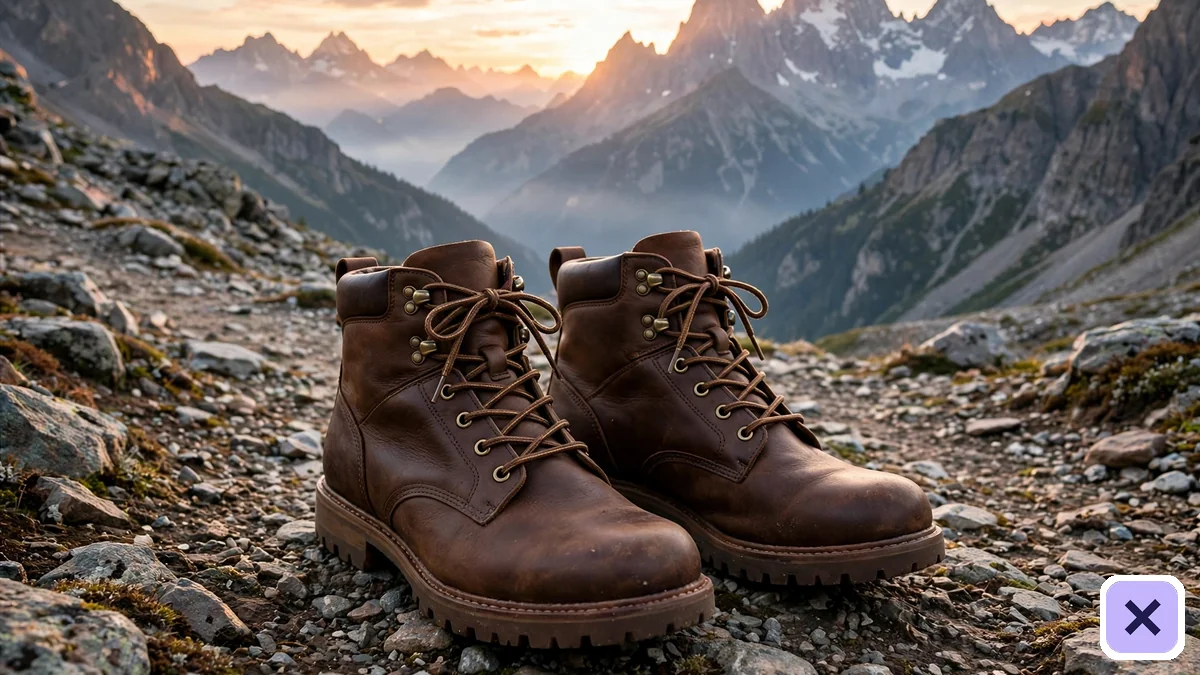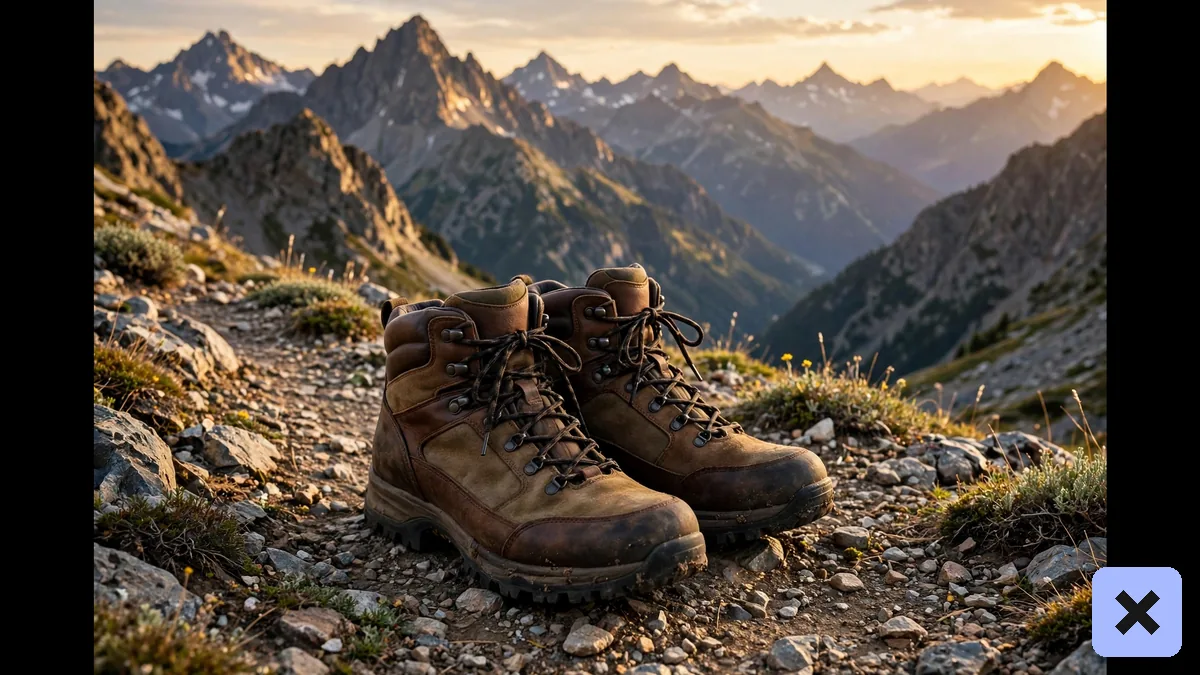
The best hiking shoes for men in 2026 are lighter, grippier and more comfortable than anything that came before them. Modern trail shoes borrow foam from road running, lugs from approach climbing and waterproof membranes that actually breathe, so one pair can carry you from a flat lakeside path to a steep, scree-covered ridge without beating up your feet.
That progress also makes choosing harder. Shelves are crowded with trail runners, low-cut hikers and hybrid designs that all claim to do everything, and the wrong choice shows up fast: hot spots on the first climb, sore knees on the descent, or wet socks after the first stream crossing.
This guide cuts through the noise. We compared the leading men’s hiking shoes of 2026 on fit, grip, waterproofing, weight, durability and value, testing them on muddy forest trails, loose rocky climbs, wet river crossings and long days with a loaded pack.
Key takeaways
- Fit matters more than brand: a well-fitting mid-range shoe beats a premium pair that pinches your toes on descents.
- Look for deep, widely spaced lugs and a sticky rubber compound if you hike wet rock, mud or loose scree.
- Waterproof membranes keep feet dry in rain and stream crossings but run warmer; non-waterproof shoes dry faster and breathe better in summer.
- Trail runners suit fast, light day hikes, while sturdier low-cut hikers handle rough ground and heavier loads.
- Break new hiking shoes in over two or three short walks before committing to a long day on the trail.
How We Chose the Best Hiking Shoes for Men in 2026
Every shoe here was judged on the same five criteria, because those are what decide whether a hike feels great or miserable. Fit comes first: a shoe that rubs your heel or squeezes your forefoot will ruin a day no matter how good its technology is.
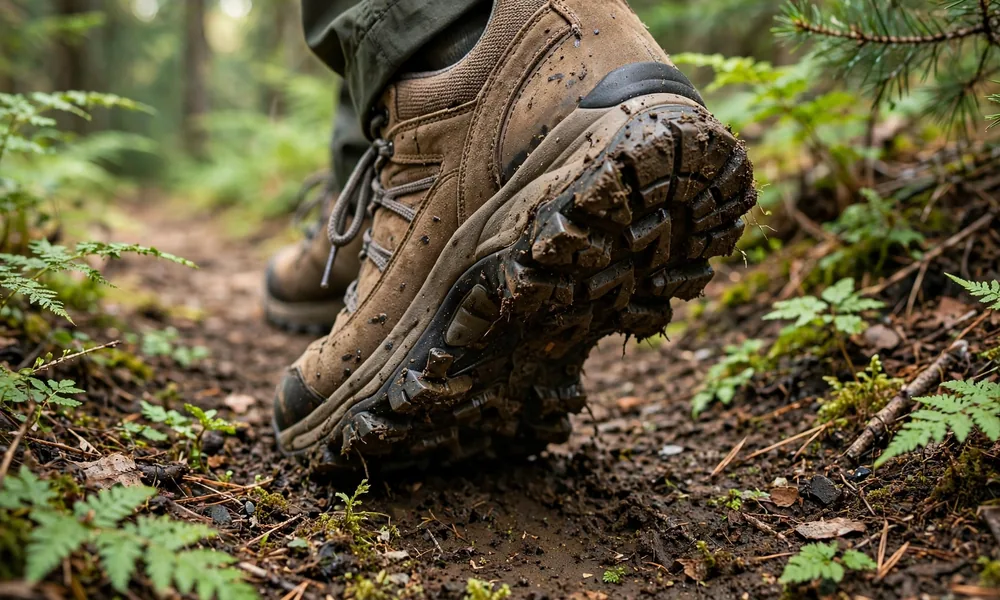
Grip was tested on the surfaces that cause slips — wet roots, polished rock, muddy slopes and loose gravel. A good outsole uses a soft, sticky rubber compound and lugs deep enough to bite into soft ground, with spacing wide enough to shed mud instead of packing it in.
We also weighed waterproofing, weight and durability. A waterproof membrane is worth its weight on wet trails, but it adds warmth and slows drying, so breathable shoes still win for hot, dry summer hiking. Every extra 100 grams on your feet feels like far more by mile ten. Our guide to the best hiking shoes for women follows the same approach, so households shopping for two pairs can compare notes.
The Best Hiking Shoes for Men in 2026 at a Glance
| Shoe | Best for | Weight (per shoe) | Waterproof | Drop |
|---|---|---|---|---|
| Trail Ridge Pro GTX | All-round hiking in wet weather | 390 g | Yes | 10 mm |
| Summit Lite Trail Runner | Fast, light day hikes | 295 g | No | 6 mm |
| Granite Peak Mid | Rough ground and heavy loads | 480 g | Yes | 12 mm |
| Forest Path Vent | Hot-weather hiking | 320 g | No | 8 mm |
| Alpine Traverse Low | Rocky and technical terrain | 410 g | Yes | 8 mm |
| Meadow Walk Comfort | Easy trails and everyday wear | 340 g | No | 10 mm |
Top Picks in Detail
Best Overall: Trail Ridge Pro GTX
The Trail Ridge Pro GTX is the pair we would hand to a hiker who wants one shoe for everything. Its waterproof membrane kept our feet dry through stream crossings and hours of steady rain, yet the shoe never felt like a sauna on mild days. The 5 mm lugs grip confidently on wet rock and mud, and the rock plate under the forefoot takes the sting out of sharp stones. Fit is true to size with a roomy toe box, and after three months of heavy use the uppers and tread showed barely any wear.
Best for Speed: Summit Lite Trail Runner
The Summit Lite Trail Runner is built for hikers who move fast and pack light. At 295 grams it feels closer to a road running shoe than a hiker, with a responsive foam midsole that makes long, rolling trails feel easy. The sticky rubber outsole grips well on dry rock and hard-packed dirt, and the breathable mesh upper dries quickly after a splash or a sweaty climb. The trade-off is protection: there is less underfoot armour than in a traditional hiker, so very rocky ground demands more attention to foot placement.
Best for Rough Ground: Granite Peak Mid
When the trail turns steep, loose and rocky, the Granite Peak Mid earns its keep. The mid-cut collar supports the ankle without restricting it, the full-length rock plate shields the sole, and the deep, aggressive lugs bite into scree and mud that would defeat a lighter shoe. It is the heaviest shoe here at 480 grams — but on a multi-day trip with a full pack, the stability and protection more than repay the extra grams.
Best for Hot Weather: Forest Path Vent
Summer hiking punishes waterproof shoes, and the Forest Path Vent is the answer. Its open mesh upper moves air freely, the perforated insole wicks moisture, and the whole shoe dries within an hour of a stream crossing. At 320 grams it is light enough to forget on your feet, and the roomy fit suits feet that swell in the heat. Grip is solid on dry trails, though the shallower lugs struggle in deep mud.
Best for Technical Terrain: Alpine Traverse Low
The Alpine Traverse Low borrows its DNA from approach shoes: a climbing-zone toe, a sticky rubber compound and a low, precise fit that lets you feel the rock under your feet. On steep, rocky scrambles it outperforms every other shoe here, edging confidently on small holds and smearing on slabs where other soles slip. That precision comes with a snugger fit, so wide-footed hikers should try a half size up.
Best Value: Meadow Walk Comfort
The Meadow Walk Comfort proves that a good hiking shoe does not need a premium price. It offers a cushioned midsole, a grippy outsole and a comfortable, broken-in feel from the first wear, all at a price well below the top models. It suits easy and moderate trails rather than technical ground, and the non-waterproof upper means wet days call for gaiters or a different pair.
Hiking Shoes vs Hiking Boots: Which Should Men Choose?
The line between hiking shoes and hiking boots has blurred, and many hikers now own both. Low-cut hiking shoes are lighter, cooler and more agile, which makes them ideal for day hikes, maintained trails and warm weather. They dry faster, pack smaller and feel natural from the first step.
Boots earn their place when the ground gets rough, the pack gets heavy or the weather turns foul. A mid- or high-cut boot protects the ankle, supports a heavy load and keeps out mud, snow and scree. Our roundup of the best hiking boots for women covers the same trade-offs in detail, and the logic applies equally to men’s footwear: choose the boot when the terrain or the load demands it, not by default.
How to Choose Hiking Shoes That Fit
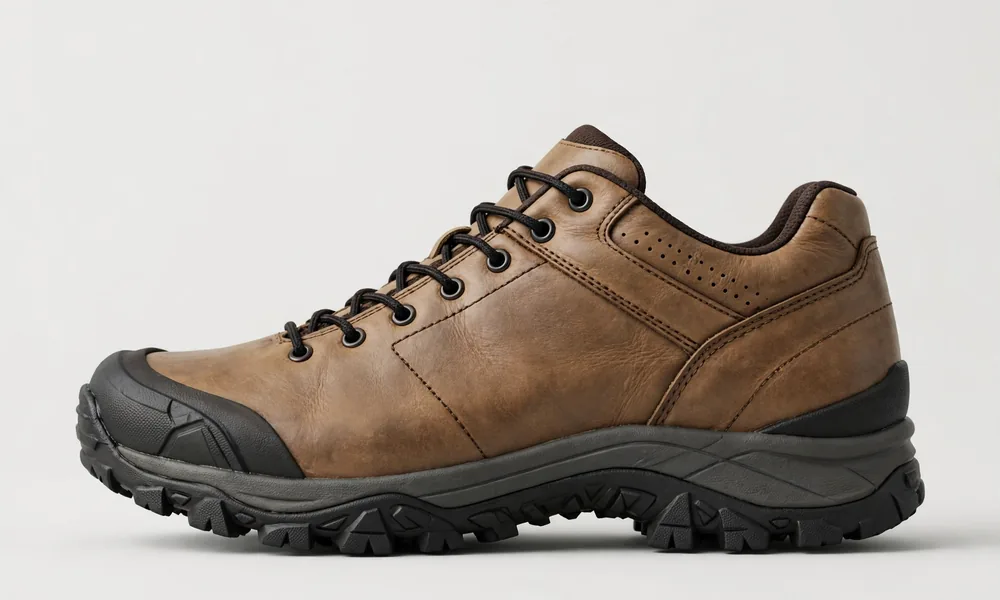
Fit is the single most important factor in a hiking shoe, and it is also the one you cannot judge from a specification sheet. Shop in the afternoon, when your feet are at their largest, and wear the socks you will actually hike in — merino wool wicks moisture far better than cotton, so fit your shoes around them.
There should be roughly a thumb’s width between your longest toe and the front of the shoe. Your heel should stay put when you walk, with no lifting or slipping, and the shoe should grip your midfoot firmly without squeezing it. Walk up and down an incline if the shop has one: toes sliding forward on the descent is the classic sign of a poor fit.
Do not trust the break-in myth. Modern hiking shoes should feel comfortable within the first few minutes, and a shoe that pinches on day one will still pinch on day thirty. Buy the pair that feels right in the shop, then confirm it with two or three short walks before a big hike.
Waterproofing, Breathability and Grip Explained
Waterproof membranes work by letting water vapour out while blocking liquid water from getting in, which sounds perfect until you remember that your feet sweat. On a warm day, a waterproof shoe can feel clammy because the membrane cannot vent moisture as fast as your feet produce it.
Grip deserves the same careful thought. Outsole rubber ranges from hard and durable to soft and sticky, and softer rubber grips better on wet rock but wears faster on pavement. Lug depth and spacing matter too: deep, widely spaced lugs bite into mud and shed it, while shallow lugs suit hard, dry surfaces.
Care and Maintenance for Longer-Lasting Shoes
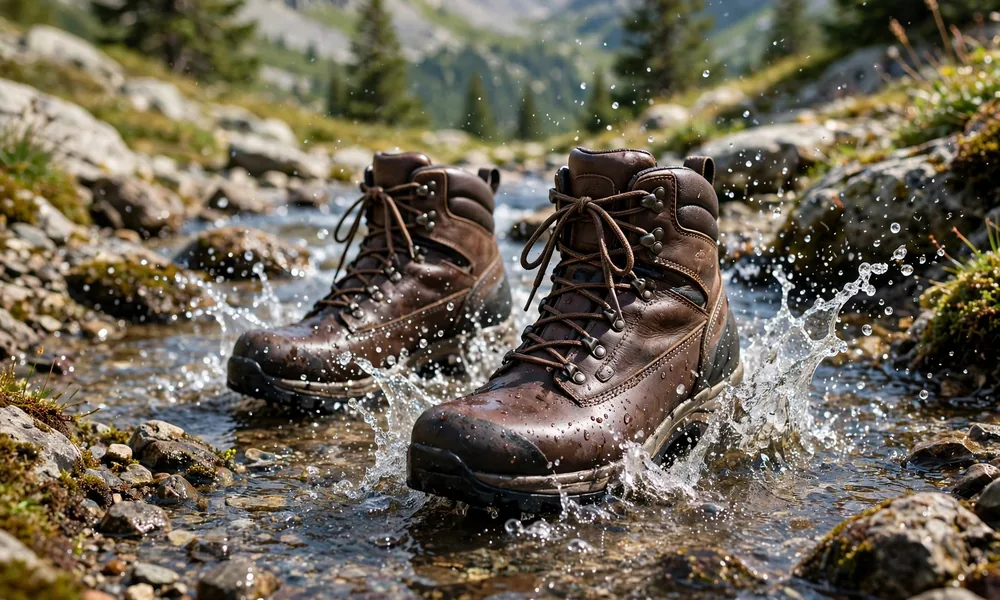
A good pair of hiking shoes can last hundreds of miles with basic care, and neglect is what kills most pairs early. After a muddy hike, brush off dried mud and rinse the shoes with lukewarm water, then let them air-dry away from direct heat. Never dry hiking shoes on a radiator or in a tumble dryer.
Remove the insoles and loosen the laces while shoes dry, and stuff them with newspaper to hold their shape and absorb moisture. Reproof waterproof shoes with a spray-on treatment once or twice a season, or whenever water stops beading on the upper.
Checklist: Before You Buy Hiking Shoes
- Try shoes on in the afternoon, wearing your hiking socks, with a thumb’s width of space at the toes.
- Walk up and down an incline to check that your toes do not slide forward on descents.
- Match waterproofing to your climate: waterproof for wet and cold, breathable mesh for hot and dry.
- Check lug depth and rubber stickiness against the ground you hike on most often.
- Confirm the weight per shoe and the drop suit your pace and the loads you carry.
- Plan your kit around the shoes: a well-chosen pair of best hiking backpacks keeps the load balanced and your stride natural.
Frequently Asked Questions
How long do hiking shoes last?
Most hiking shoes last between 500 and 800 kilometres, depending on terrain, your weight and how you care for them. Replace them when the tread wears smooth, the midsole feels flat or the uppers start to split.
Should hiking shoes be waterproof?
Waterproof shoes are best for wet climates, stream crossings and cold weather. In hot, dry conditions, non-waterproof shoes breathe better and dry faster, so many hikers own one of each and choose by the forecast.
Do I need to break in hiking shoes?
Modern hiking shoes need very little break-in. Wear them on two or three short walks to confirm the fit, but a shoe that hurts on day one is the wrong shoe, not an unbroken one.
Are trail runners good for hiking?
Yes, for fast, light hiking on maintained trails. Trail runners are lighter and more comfortable than traditional hikers, but they offer less protection, so they suit day hikes better than rough, rocky multi-day trips.
What socks should I wear with hiking shoes?
Merino wool hiking socks are the standard choice: they wick moisture, cushion the foot and resist odour. Avoid cotton socks, which hold sweat and cause blisters.
How do I stop my hiking shoes smelling?
Remove the insoles after each hike, let the shoes air-dry fully, and wash the insoles occasionally with mild soap. Baking soda sprinkled inside overnight absorbs odour.
The Bottom Line
The best hiking shoes for men in 2026 are the Trail Ridge Pro GTX for all-round use, the Summit Lite Trail Runner for fast and light days, and the Granite Peak Mid for rough ground and heavy loads — with the Forest Path Vent, Alpine Traverse Low and Meadow Walk Comfort covering hot weather, technical terrain and tight budgets. Prioritise fit above all, match waterproofing and grip to the trails you actually hike, and break your new pair in on short walks before the big day.