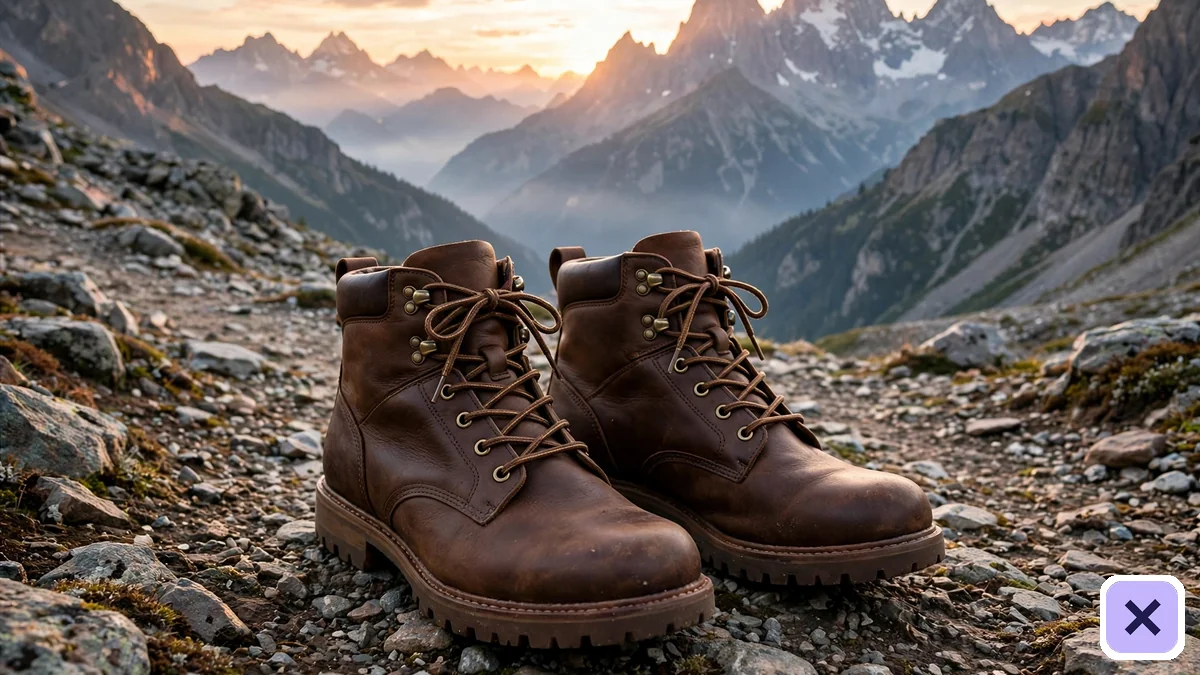
The best hiking boots for men in 2026 are tougher, lighter, and more comfortable than ever, and the right pair can make the difference between a brilliant day on the trail and a miserable one. A good boot protects your feet over rocky ground, keeps you steady on slippery descents, and stays comfortable for miles. The wrong boot will announce itself with blisters, sore ankles, and tired legs before you reach the first viewpoint.
Men’s hiking boots have changed a great deal in recent years. Modern materials have cut weight without giving up support, and outsoles now grip wet rock and loose gravel with real confidence. Still, the old truths hold: fit matters more than brand.
This guide compares the leading styles of boot for 2026, explains what to look for in fit, support, waterproofing, and weight, and shows how to break in and care for your boots.
Key takeaways
- Fit matters most: a well-fitting mid-priced boot beats an expensive one that pinches.
- Choose full-grain leather for durability and rocky ground, and lightweight fabric boots for speed on easier trails.
- Waterproof boots keep feet dry in rain and bog, but they run warmer.
- Ankle support, a stiff midsole, and deep lugs separate a hiking boot from a walking shoe.
- Break in new boots with short walks first, in your hiking socks.
What Makes a Great Hiking Boot for Men
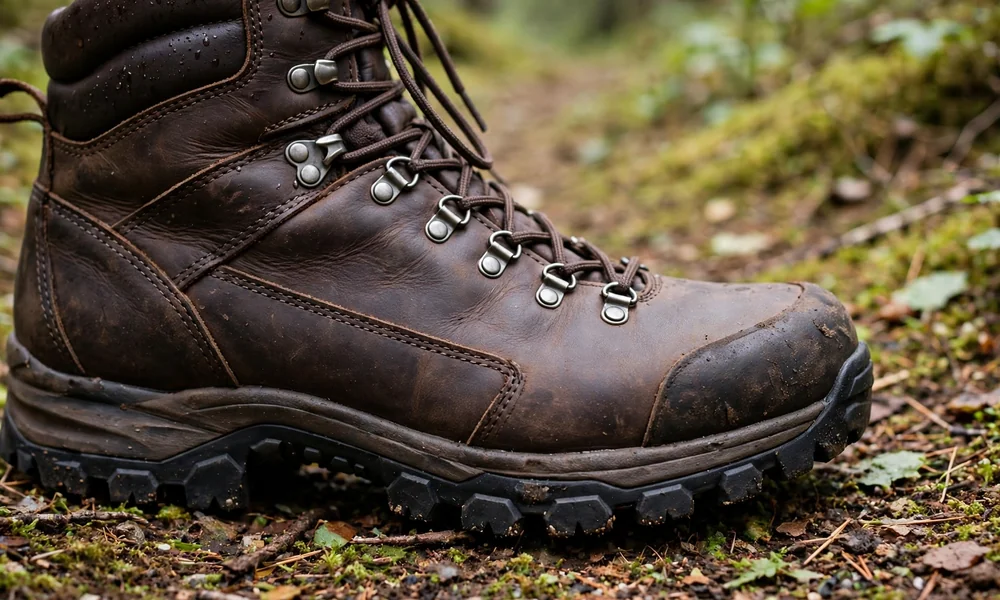
A great hiking boot does four jobs at once: it protects your feet from rocks and roots, supports your ankles over uneven terrain, keeps water out when the trail turns wet, and grips the ground on steep or slippery sections.
Weight is the first thing you notice on the trail. A heavy boot feels fine for the first mile and punishing by the tenth, because every extra gram is lifted thousands of times a day. Modern boots use lighter panels and foam midsoles to cut that burden, but the lightest boots give up some durability.
Durability is where traditional materials still shine. Full-grain leather boots can last for many years and thousands of miles, and they can often be resoled. Fabric and suede boots are lighter and break in faster, but they wear out sooner, especially on rocky ground.
Fit Comes First
No feature matters if the boot does not fit. Your heel should stay locked in place, your toes should have room on descents, and the widest part of your foot should sit over the widest part of the boot. Try boots on in the afternoon, wearing your hiking socks. Small discomfort in the shop becomes real pain after five miles. If you are torn between a boot and a lighter shoe, our guide to the best hiking shoes for men explains when a shoe is the smarter choice.
Support and Stability
Ankle support is the main reason to choose a boot over a shoe: a mid-cut or high-cut boot wraps the ankle and helps prevent twists, which matters most when you are carrying a pack. Underfoot, a stiffer midsole protects better on rocky trails and carries heavy loads more comfortably, while a softer midsole feels better on smooth paths.
Waterproofing and Breathability
Waterproof membranes keep rain and boggy ground outside the boot, but they also trap sweat inside, so on hot days your feet can end up damp anyway. In warm, dry conditions, a breathable boot often keeps feet drier overall. Match the boot to your climate: waterproof for wet hills and snow, breathable for dry heat. Either way, pair your boots with the right outer layers, and our round-up of the best rain jackets for hiking covers the other half of staying dry.
Best Hiking Boots for Men 2026: At a Glance
The table below sums up the six leading styles of men’s hiking boot for 2026. Each suits a different kind of walker.
| Boot style | Best for | Weight | Waterproof | Break-in time |
|---|---|---|---|---|
| The Classic Leather Workhorse | Rocky, rough, multi-day hikes | Heavy | Yes | 2–3 weeks |
| The Lightweight Trail Boot | Fast day hikes, easy trails | Light | Optional | Days |
| The Waterproof All-Rounder | Wet weather, muddy trails | Medium | Yes | About a week |
| The Wide-Fit Comfort Boot | Wide feet, long days | Medium | Yes | About a week |
| The Budget Trail Boot | Occasional hikers, gentle trails | Medium | Water resistant | Days |
| The Winter and Snow Boot | Snow, ice, cold conditions | Heavy | Yes | 1–2 weeks |
The Best Hiking Boots for Men in 2026
Below are our six top picks for 2026, each chosen for a different kind of hiker.
Best Overall: The Classic Leather Workhorse
The classic full-grain leather boot remains the benchmark for serious hiking. Its one-piece leather upper shrugs off scrapes from rocks and branches, its stiff midsole protects your feet on sharp ground, and with basic care it can last for many years. This is the boot for mountain days and rough paths. The trade-offs are weight and break-in time: it needs two or three weeks of short walks before it feels comfortable, but once broken in, the leather moulds to your foot in a way no synthetic can match.
Best Lightweight: The Lightweight Trail Boot
If your hikes are mostly day walks on good paths, a lightweight trail boot is hard to beat. Built from synthetic fabric and suede with a foam midsole, it feels closer to a trainer than a traditional boot, yet it still gives you ankle support and a proper hiking outsole. Your legs stay fresher for longer, and the boot needs almost no breaking in. What you give up is durability: lightweight boots wear faster on rocky ground and are less supportive under a heavy pack.

Best Waterproof: The Waterproof All-Rounder
The waterproof all-rounder is the safe choice for changeable weather. A waterproof-breathable membrane lines the boot, sealed seams keep water out, and a gusseted tongue stops mud and rain creeping in over the top. Stream crossings, boggy moorland, and rainy ridge walks are all comfortable in this boot.
Best for Wide Feet: The Wide-Fit Comfort Boot
Men with wide feet often suffer in standard-width boots, and the wide-fit comfort boot solves that properly rather than asking you to size up. It is built on a wider last, with a roomier toe box and a cushioned collar that reduces pressure around the ankle, while keeping the heel snug so your foot does not slide around. If you have ever finished a hike with sore toes, a proper wide fit is likely to transform your walking.
Best Budget: The Budget Trail Boot
You do not need to spend a fortune to get a decent hiking boot. The best budget boots use proven materials, a solid lugged outsole, and a simple waterproof treatment to deliver comfortable walking on gentle and moderate trails at a fraction of the price of premium boots. For occasional hikers, they are excellent value, though softer materials wear faster and the waterproofing is usually a coating rather than a membrane.
Best for Winter: The Winter and Snow Boot
Winter hiking demands more from a boot than any other season. The winter boot answers with insulation, a fully waterproof construction, a taller cuff that keeps snow out, and an outsole designed to grip on ice and packed snow. This is a specialist boot, too warm and heavy for summer, but if you walk through the colder months, it is the difference between enjoying a snowy ridge and cutting the day short with cold, wet feet.
How to Choose the Right Pair
Choosing well is mostly about being honest about how you hike. The fanciest boot in the shop is wasted if it is built for terrain you never walk on.
Match the Boot to Your Terrain
Rocky, steep, and uneven ground calls for a stiff, protective boot with deep lugs and a durable upper. Smooth, well-made paths let you choose a lighter, more flexible boot. If you walk in both, the waterproof all-rounder is the best compromise.
Think About Pack Weight
The heavier your pack, the more support you need. A day pack is fine with a light boot, but a multi-day pack changes everything: your feet take far more impact, and a stiff midsole and solid ankle support become essential. If you are planning longer trips, sort out your whole load too, and our guide to the best hiking backpacks for men will help you carry it comfortably.
Balance Waterproofing Against Warmth
Waterproof boots are warmer, breathable boots are cooler, and no version does both perfectly. Choose waterproof for wet climates and winter, breathable for dry heat. Good socks make a bigger difference than most people realise: merino wool wicks moisture, stays warm when damp, and reduces blisters far better than cotton.
Breaking In and Caring for Your Boots
Even the best boots need breaking in, and rushing this step is the most common cause of blisters. Start with short walks around the neighbourhood, then build up to a couple of hours on easy ground before tackling a full day. Leather boots take the longest, usually two to three weeks, while fabric boots often feel comfortable within a few days.
Good boots repay care many times over. After each walk, brush off mud and let them dry naturally at room temperature, away from radiators and direct heat, which can crack leather and damage glues. Remove the insoles and loosen the laces so air can circulate. Treat leather boots with conditioner or wax; fabric boots benefit from a reproofing spray once water stops beading on the surface.

Before You Buy: A Quick Checklist
- Try boots on in the afternoon, wearing your hiking socks.
- Check your heel stays put and your toes have room downhill.
- Match the boot to your terrain: stiff for rocky ground, light for easy paths.
- Decide on waterproofing based on your climate.
- Heavier loads need stiffer midsoles and stronger ankle support.
- Plan break-in time, and never wear brand-new boots on a long walk.
Frequently Asked Questions
How much should I spend on hiking boots?
The right price depends on how often you hike. Occasional walkers do well with a budget boot, while regular hikers get better value from a mid-priced or premium one.
Should hiking boots be waterproof?
Waterproof boots suit wet climates, muddy trails, and winter walking. In hot, dry conditions, a breathable boot often works better, because waterproof membranes trap sweat and can leave feet damp from the inside.
How long do hiking boots last?
Most hiking boots last between 500 and 1,000 miles, depending on the materials, the terrain, and how well they are cared for. Leather boots can last far longer, and many can be resoled.
Do I need to break in hiking boots?
Yes, almost all boots need some breaking in, though modern fabric boots need far less than leather. Wear new boots for short walks first and build up gradually. Leather boots typically need two to three weeks; lightweight boots may feel comfortable within a few days.
Are hiking boots better than hiking shoes?
Boots are better on rough, steep, or wet ground, where their ankle support and stiffer soles make a real difference, especially with a heavy pack. Shoes are better on smooth, easy trails, where they are lighter and cooler. Many experienced walkers own both.
What socks should I wear with hiking boots?
Merino wool hiking socks are the best choice for most walkers: they wick moisture, stay warm when damp, and reduce friction that causes blisters. Avoid cotton, which holds sweat and blisters quickly.
The Bottom Line
The best hiking boots for men in 2026 are the ones that fit your feet, suit your terrain, and match the way you actually hike. For most men, the classic leather workhorse or the waterproof all-rounder will cover everything from valley walks to mountain days, while lighter boots suit fast day hikes and winter boots handle the coldest months. Get the fit right, break them in properly, and look after them, and a good pair will carry you for years.