The best electric bikes for kids in 2026 are safer, lighter, and better built than anything that came before them. A good kids e-bike is not a small adult bike. It is designed around a smaller rider, with a lower top speed, a frame a child can control, and brakes that work with small hands.
That is the real promise of a kids electric bike. It is not about speed. It is about removing the hardest part of cycling for a young rider: the steep hill, the long stretch into a headwind, the moment when tired legs want to stop. A gentle assist flattens those moments and leaves the fun intact.
Choosing the right one matters more than choosing the most powerful one. The wrong size, a motor that is too strong, or a battery that dies halfway home can turn a good idea into a frustrating one. This guide sorts the best options by age, size, and riding style, and gives you a checklist to use before you buy.
Key takeaways
- Fit comes first. Wheel size and standover height matter more than motor power, and a bike that is too big is harder and less safe to ride.
- Look for a capped top speed of around 15 miles per hour, a 250-watt motor or less, and a simple low-power mode for younger riders.
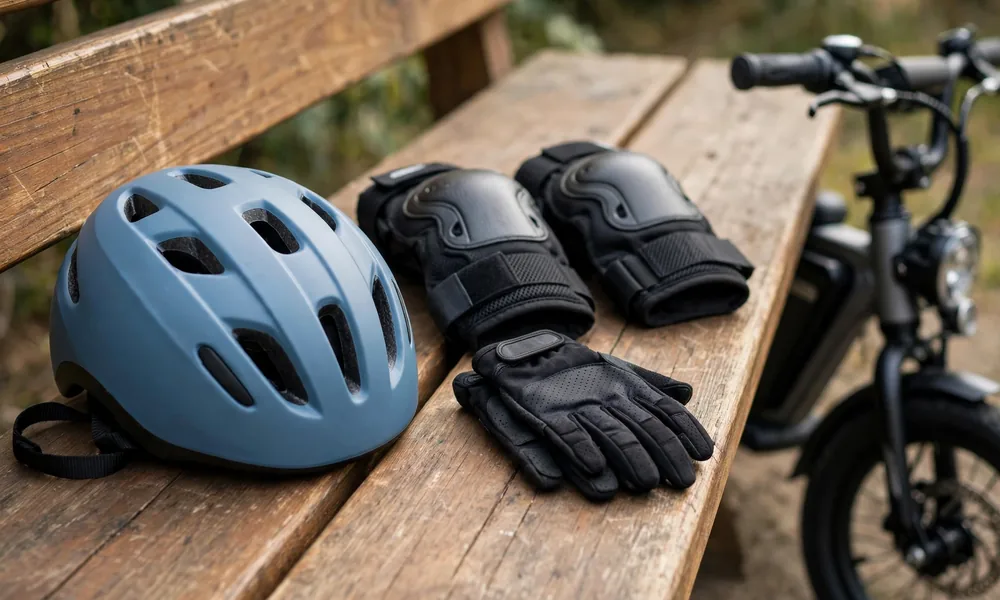
- A helmet is non-negotiable, and knee pads, gloves, and bright clothing make a real difference on shared paths.
- Expect 15 to 30 miles of assisted range from a good kids e-bike, depending on rider weight, hills, and assist level.
- Buy from a brand with a real warranty, spare parts, and a local shop that can service the motor and battery.
What Makes a Great Kids Electric Bike
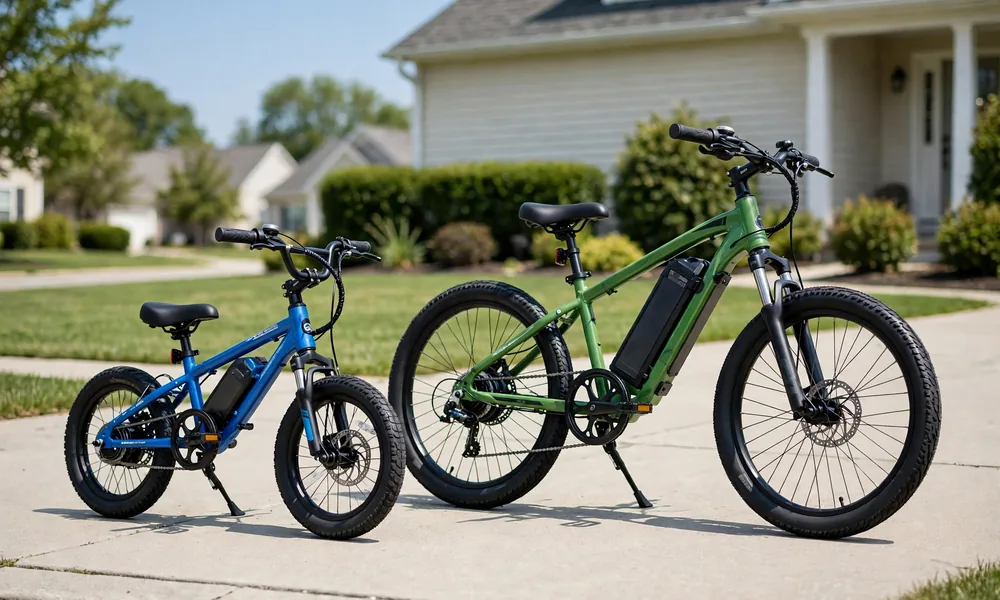
A great kids electric bike starts with the rider. Children grow quickly, and the best designs accept that. They use adjustable seats and handlebars, low frames, and parts sized for small hands. The result is a bike a child can control at low speed, where most falls happen.
Weight matters too. Many adult e-bikes weigh 50 pounds or more, which a child cannot safely handle. The best kids models stay between 25 and 35 pounds, and a lighter bike is easier to pedal when the battery runs out.
Size and Fit Come First
Wheel size is the simplest way to match a bike to a child: 16-inch wheels suit ages four to six, 20-inch suit ages six to nine, 24-inch suit ages nine to twelve, and 26-inch suit taller teenagers. Height matters more than age, so check the manufacturer’s height range and have your child sit on the bike. When seated, both feet should touch the ground easily.
Motor Power and Speed Limits
For children, less power is more. A 250-watt hub motor is plenty, and in many places it is also the legal limit for an electric bike that can be ridden without a licence. More powerful motors add weight and speed a child does not need, and they can make the bike surge forward unexpectedly. The best kids e-bikes use a smooth assist that builds gradually as the child pedals.
Battery and Range
Battery size is measured in watt-hours, and for a kids bike a battery of 200 to 400 watt-hours is usually enough for 15 to 30 miles of assisted riding, depending on the assist level, the hills, and the rider’s weight. Younger, lighter riders will get more range than the headline figure suggests, because they need less power to move.
The Best Picks at a Glance
The table below summarises the strongest options for 2026, grouped by who they suit best. Use it to narrow your shortlist, then test ride the finalists.
| Best for | Wheel size | Motor | Top speed | Range |
|---|---|---|---|---|
| Best overall | 20 or 24 inch | 250W hub | 15 mph | 20 to 30 miles |
| Younger riders | 16 or 20 inch | 200W hub | 12 mph | 15 to 20 miles |
| Teenagers | 24 or 26 inch | 250W hub | 15 mph | 25 to 35 miles |
| Trails and hills | 24 inch | 250W mid-drive | 15 mph | 20 to 25 miles |
| Light and simple | 20 inch | 200W hub | 15 mph | 15 to 20 miles |
| Best value | 20 or 24 inch | 250W hub | 15 mph | 20 to 25 miles |
Best Electric Bikes for Kids 2026: The Picks
Best Overall: The Balanced 20 or 24 Inch All-Rounder
The best overall kids e-bike in 2026 is the balanced all-rounder: a 20 or 24 inch bike with a 250-watt rear hub motor, a capped top speed of 15 miles per hour, hydraulic disc brakes, and a removable battery. It handles school runs, park paths, and family rides with equal ease, and it is light enough for a child to control confidently at low speed. Good tyres, a sturdy kickstand, mudguards, and lights all make daily riding easier and safer.
Best for Younger Riders: The Gentle First E-Bike
For children aged five to eight, the best first e-bike is a gentle one: 16 or 20 inch wheels, a 200-watt motor, a top speed of around 12 miles per hour, and a beginner mode parents can lock in place. It should feel like a normal bicycle that helps on hills, not a small motorbike. Make sure your child can already ride a regular bike confidently, and keep the controls simple.
Best for Teenagers: The Near-Adult 24 or 26 Inch Bike
Teenagers need a bike that respects how fast they are growing and how far they want to ride. The best teenage e-bikes use 24 or 26 inch wheels, a 250-watt motor, and a larger battery with 25 to 35 miles of range, enough for school, a friend’s house, and home without worrying about the battery. Teenagers also care about how a bike looks, and one that looks childish will sit unused. If you are comparing options for a teenager who already rides a lot, the best electric bikes for beginners are a useful second reference, because the same ideas about fit and smooth assist apply, just sized up.
Best for Trails and Hills: The Confident Climber
If your family rides on trails or hilly routes, look for a kids e-bike built for that terrain: 24 inch wheels, wider tyres with a grippy tread, a mid-drive motor that climbs smoothly, and suspension forks that soften bumps. Disc brakes are essential here, and a low gear for steep climbs makes a real difference. A helmet is essential, gloves and knee pads are strongly advised, and your child should walk any section they cannot ride safely.
How to Choose the Right Size
Start with your child’s height, not their age. Measure them in shoes, then compare that number with the manufacturer’s height range. Next, check the standover height: your child should stand over the bike with both feet flat. At the lowest saddle setting, they should touch the ground with the balls of their feet.
Safety First: Rules That Actually Matter
Safety starts before the first ride. A helmet that fits properly is the most important piece of equipment: it should sit level, cover the forehead, and stay put when your child shakes their head. Replace it after any serious impact, even if it looks undamaged. Gloves, knee pads, and lights all add real protection.
Teach your child to ride predictably: stay on the correct side of the path, signal before turning, and slow down at junctions and blind corners. Never ride with headphones in both ears, never use a phone while riding, and never carry a passenger. Practice together on quiet paths first.
For a deeper look at fit and styles, the best cycling helmets for 2026 are worth reading before you buy. A helmet is a small purchase compared with the bike, but it matters most if things go wrong.
Speed, Supervision, and Where to Ride
Young children should always ride with an adult nearby, on traffic-free paths, in parks, or on quiet streets. As they get older they can ride further, but they should still avoid busy roads, especially at rush hour. Drivers do not always expect a child to be moving at 15 miles per hour, so teach your child to assume they have not been seen.
Riding Together: Where Kids Can Ride
The best place for a child on an e-bike is a traffic-free path, a park, a riverside trail, or a quiet country lane. These places let children build confidence without the pressure of traffic. Plan routes that match your child’s stamina, with a cafe or playground as a goal.
As your child gains experience, try longer rides and gentler hills, but keep the pace comfortable and stop often. On shared paths, slow down near walkers, dogs, and other cyclists, and ring the bell early. If you are planning longer family rides, the best electric bikes for city commuting offer a useful comparison, because the same ideas about range and reliable brakes matter for parents too.

Buying Checklist
- Measure your child’s height and check the manufacturer’s size guide, then test ride the bike if you possibly can.
- Choose a 250-watt motor or less, a capped top speed of around 15 miles per hour, and a low-power beginner mode.
- Check the weight. A lighter bike is easier to control, easier to carry, and easier to pedal if the battery runs out.
- Insist on disc brakes with short-reach levers your child can pull firmly, and test them before you buy.
- Look for a removable, lockable battery, a clear range figure, and a charging time of five hours or less.
- Buy from a brand with a real warranty, available spare parts, and a local shop that can service the motor and battery.
Frequently Asked Questions
What age is right for a kids electric bike?
Most children are ready once they can ride a regular pedal bike confidently, usually around age six or seven. Younger children should stick to pedal bikes until balance and braking are reliable.
How fast should a kids electric bike go?
Around 15 miles per hour is right for most children, and younger riders should start lower, at around 12 miles per hour. That is fast enough to feel exciting, but slow enough to stop safely. Look for a parental speed limit or a lockable beginner mode.
How far can a kids electric bike go on one charge?
Expect 15 to 30 miles, depending on rider weight, hills, wind, and assist level. Lighter riders on flat paths will get more, heavier riders on the highest assist level will get less. Plan with a margin, and save battery for the journey home.
Are electric bikes safe for children?
Yes, when the bike fits properly, the speed is capped, the child wears a helmet, and an adult supervises younger riders. The risks come from bikes that are too big, too powerful, or ridden in the wrong places. Choose a bike designed for children and ride together on safe routes.
Do kids electric bikes need a licence or insurance?
In most places, a standard pedal-assist e-bike with a 250-watt motor and a top speed of 15 miles per hour does not need a licence, registration, or insurance, and can be ridden wherever regular bikes are allowed. Rules vary by place, so check your local rules before you buy.
What size electric bike does my child need?
Use height, not age: 16-inch wheels suit ages four to six, 20-inch suit six to nine, 24-inch suit nine to twelve, and 26-inch suit taller teenagers. Always check the manufacturer’s height range and, if you can, have your child sit on the bike.
The Bottom Line
The best electric bikes for kids in 2026 put the child first. They fit properly, weigh little enough to control, cap their speed at a sensible level, and offer gentle assist that makes hills disappear without taking over the ride. The balanced all-rounder suits most families, the gentle first e-bike suits younger riders, and the near-adult bike suits teenagers. Measure carefully, test ride before you buy, and insist on a helmet and disc brakes.