
The Best Bath Foams for a Proper Soak in 2026
A proper soak starts long before you climb into the tub. It starts with the foam: thick, soft bubbles that pile up under the tap, stay put while the water warms, and leave your skin feeling clean and comfortable rather than tight and dry. The best bath foams in 2026 do all of that without much fuss, and the difference between a good one and a disappointing one is easy to feel — it is in the texture of the bubbles, how long they last, and how your skin feels when you climb out.
Key Takeaways
- The best bath foam makes thick, small bubbles that last the whole soak — big, airy bubbles look impressive and vanish in minutes.
- Run the foam under the tap as the bath fills, not into still water, and use warm rather than very hot water for the longest-lasting bubbles.
- Gentle, fragrance-light formulas suit sensitive and dry skin best; richly scented foams are for occasional treats, not every night.
- A bath foam is a cleanser and a comfort, not a moisturiser — rinse well and moisturise afterwards if your skin runs dry.
- Use the right amount: too little gives a thin, sad layer, and too much leaves a slippery film and wastes the bottle.
What Bath Foam Actually Is
Bath foam, sometimes sold as bubble bath, is a liquid cleanser designed to foam up in running water. Its surfactants — the ingredients that lift dirt and oil from skin — trap air as the water pours in, building a layer of bubbles across the surface of the bath. Those bubbles do more than look inviting: they insulate the water, keeping it warm for longer, and they cushion your skin against the hard surface of the tub.
A good foam is judged on three things. First, bubble quality: small, dense, creamy bubbles beat large, loose ones, because small bubbles are stronger and slower to pop. Second, staying power: a foam still there after twenty minutes has done its job. Third, how your skin feels afterwards — clean and soft is right, tight and itchy means the formula is too harsh for you.
What Makes Foam Thick and Long-Lasting
Thick foam comes from the formula and from the way you run the bath. A good foam balances its foaming ingredients with moisturisers like glycerin, so the bubbles are rich rather than harsh. Very cheap foams often use a high dose of a single harsh surfactant, which makes a dramatic burst of bubbles that pop quickly and strip the skin.
The water matters just as much. Soft water foams easily and holds bubbles well, while hard water flattens foam faster, so you may need a little more product. Very hot water also works against you: it pops bubbles faster and dries out your skin, so warm water is the sweet spot for both foam and comfort.

The Main Types of Bath Foam
Most bath foams fall into a few clear types, and knowing which one you are holding makes choosing much easier.
Classic Bubble Bath
The everyday standard: a straightforward foaming liquid, usually fragranced, that makes a generous layer of bubbles. Classic bubble baths are the best value for regular soaks and the easiest to find. Look for one with glycerin or a similar moisturiser in the ingredients, and be wary of the very cheapest bottles, which tend to be harsh and short-lived in the foam department.
Gentle and Sensitive Formulas
Made for dry, sensitive or easily irritated skin, these foams use milder surfactants, little or no fragrance, and often add soothing ingredients like oat or aloe. They foam a little less dramatically than a classic bubble bath, and that is the trade-off: gentler cleansing means softer, smaller bubbles. If your skin itches or feels tight after a normal foam, a sensitive formula is the one to try, and it is also the sensible choice for children.
Scented and Aromatherapy Foams
Lavender for winding down, eucalyptus for clearing the head, citrus for a morning lift — scented foams turn a bath into a mood. The scent is the point here, so choose one whose fragrance you genuinely like rather than one that simply smells strong in the bottle. Aromatherapy claims should be taken lightly, but a pleasant scent in a warm bath is a real pleasure, and the relaxation it brings is not imaginary.
How to Pick One for Your Skin
Start with your skin, not the scent. Dry skin suits a moisturising or oil-infused foam, or a gentle formula with glycerin high on the ingredients list, with soaks kept to about twenty minutes. Sensitive or eczema-prone skin should choose a fragrance-free gentle foam and patch-test it on the inner arm first.
The Perfect Soak, Step by Step
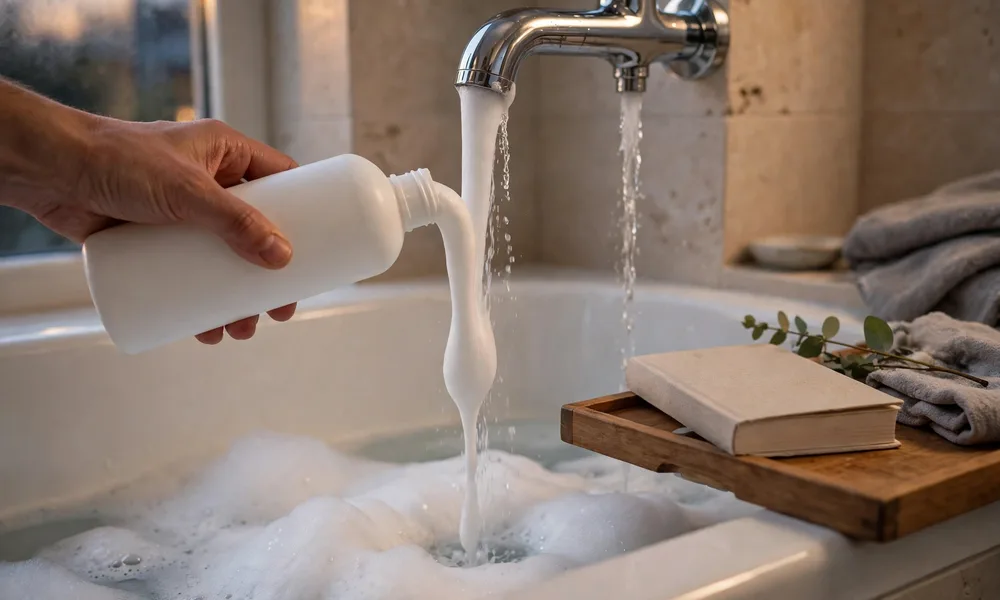
A proper soak is a short routine, and it is worth doing in order. Run the water warm, not hot, and pour the foam directly under the tap as the bath fills, using the dose on the bottle — usually one to two capfuls. While it fills, get a towel within reach and anything you want for the soak: a book, a podcast, or simply quiet.
While the bath fills, get the rest ready: a towel within reach, a glass of water on a safe surface away from the tub, and anything you want for the soak — a book, a podcast, or simply quiet. Slip in once the water is at the right depth, and give the bubbles a swirl with your hand to spread them evenly. Twenty minutes is the sweet spot for most people: long enough to unwind and let the warmth work, short enough that your skin does not dry out and the water does not go cold.
Bath Foam vs Bath Oil, Bombs and Salts
Foam has neighbours in the bath aisle, and each one does something different. A bath oil is the moisturising option: a few drops spread across the water and coat your skin in a fine layer of oil as you soak, leaving you soft for hours. It makes almost no bubbles, so it is a poor choice if the foam itself is the pleasure. Foam cleanses and comforts; oil nourishes and softens. Many people use both across the week rather than choosing one.
A bath bomb is the showpiece: it fizzes, colours the water, scents the whole bathroom, and often leaves the skin soft as well. It is a treat, and a single bomb costs more than a single dose of foam. A bath bomb suits an occasional indulgent soak, while a foam is the everyday workhorse that you can use three or four times a week without thinking about the cost.
Bath salts dissolve into the water rather than foaming, and they are chosen for the soak itself — the warm mineral water, the quiet twenty minutes, the feeling of easing tired muscles. They make no bubbles at all. If the bubbles are what you look forward to, salts will disappoint; if you want a still, warm, mineral soak, salts are the better pick. Foam is the middle ground: cleansing, bubbly, and comfortable, without any fuss.
Bath Foams Compared
| Type | Foam quality | Best for | Watch out for |
|---|---|---|---|
| Classic bubble bath | Thick, generous bubbles | Everyday soaks, best value | Cheapest ones can be harsh and short-lived |
| Gentle and sensitive | Softer, smaller bubbles | Dry, sensitive skin and children | Less dramatic foam than a classic bath |
| Scented and aromatherapy | Good, with strong scent | Relaxing evening soaks | Fragrance can irritate sensitive skin |
| Moisturising and oil-infused | Rich but slightly less foam | Dry skin and cold weather | Can leave the tub slippery and skin filmy |
| Foaming bath soak | Light, airy foam | Quick, gentle soaks | Bubbles fade faster than a classic foam |
Mistakes That Ruin a Good Soak
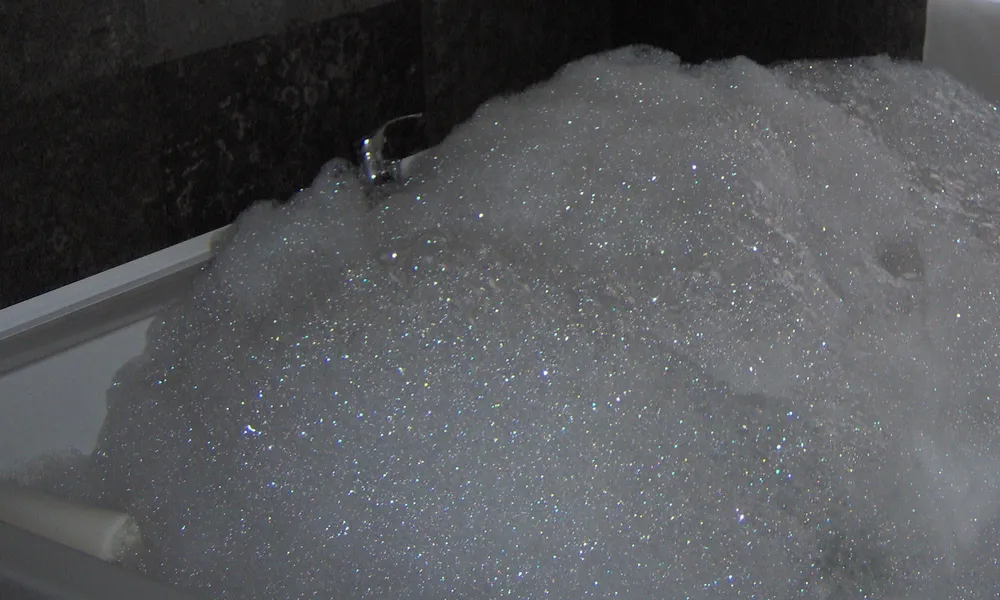
The most common mistake is using too little product and blaming the foam. A thin, patchy layer usually means the dose was too small or the foam went into still water instead of under the tap. The opposite mistake is just as common: pouring in half the bottle, which leaves a slippery film, wastes money, and can irritate sensitive skin.
Very hot water is another quiet spoiler. It pops bubbles faster, dries out your skin, and can leave you light-headed if you stay in too long. Warm water holds foam better and is kinder to your skin. Twenty minutes, done well, beats an hour done badly.
Checklist: Buying a Bath Foam
- Choose the type for your skin first: gentle for sensitive skin, moisturising for dry skin, classic for everyone else.
- Check the dose on the bottle — a foam that needs half a capful is better value than one that needs two.
- Look for glycerin or a similar moisturiser in the ingredients, and be cautious of long fragrance lists if your skin is sensitive.
- Smell it before you buy if you can; you will be breathing it in for twenty minutes at a time.
- Buy the smallest bottle first when trying a new type, and only size up after two or three good soaks.
- Keep the routine simple: foam under the tap, warm water, twenty minutes, rinse, and moisturise if your skin runs dry.
Frequently Asked Questions
How much bath foam should I use?
Usually one to two capfuls for a standard tub, poured under the running tap as the bath fills. Check the bottle, since concentrations vary. Too little gives a thin layer and too much leaves a slippery film, so measure it the first few times until you know the right amount for your bath.
Why does my bath foam disappear so quickly?
Usually one of three reasons: the foam went into still water instead of under the tap, the water was very hot, or the water is hard. Pour it under the tap while the bath fills, use warm rather than hot water, and try a slightly larger dose if you live in a hard-water area.
Is bath foam bad for sensitive skin?
It can be, if the formula is harsh or heavily fragranced. Choose a gentle, fragrance-free or low-fragrance foam, keep soaks to around twenty minutes, rinse well afterwards, and moisturise while your skin is still damp. Patch-test a new foam on your inner arm first.
Can children use bath foam?
Yes, with a formula made for children or a gentle, low-fragrance one. Use a smaller dose than you would for an adult bath, keep the water warm rather than hot, and keep the foam away from eyes. Avoid heavily scented or glitter foams for young children.
What is the difference between bath foam and shower gel?
Shower gel is made to lather on the skin under running water and rinse off quickly, while bath foam is made to build and hold a layer of bubbles in a tub of still water. You can use shower gel in a bath in a pinch, but it will not foam as well or last as long as a proper bath foam.
Do I need to rinse after a bubble bath?
Yes. A quick rinse under the shower removes the soapy film and stops your skin feeling tight or itchy afterwards. It takes thirty seconds and makes the soak far more comfortable, especially if your skin runs dry or sensitive.
The Bottom Line
The best bath foam is the one that makes thick, lasting bubbles, suits your skin, and turns an ordinary bath into twenty minutes you look forward to. Pick the type for your skin, pour it under the tap as the bath fills, keep the water warm, and rinse when you climb out. A simple bottle of foam becomes the easiest luxury in the house.


