Batteries That Actually Last in Remotes and Toys in 2026
The best batteries of 2026 are the ones you forget about. They go into a remote control in January and are still going in December, and they sit in a drawer for a year without going flat or leaking. Bad batteries do the opposite: they die in the middle of a film, they fade so slowly that the toy gets slower and sadder for weeks, and they leak a crusty white mess into the remote.
Batteries look identical on the shelf, but the difference between a good cell and a poor one is large. A remote control sips power, a toy gulps it, and a clock barely touches it. The battery that wins in one of those jobs is not always the battery that wins in another, and the most expensive pack is not always the right one. This guide explains which batteries actually last in remotes and toys, and how to stop wasting money on cells that die early.
Key Takeaways
- Alkaline batteries win for remotes and clocks: they hold their charge for years and sip power slowly.
- Toys need high-capacity or rechargeable cells: a toy motor drains a cheap battery in hours, while a good cell lasts days.
- Buy the right size, not the biggest pack: AA and AAA are not interchangeable.
- Check the best-before date: batteries lose charge on the shelf, and a bargain pack can already be half dead.
- Rechargeables pay for themselves in toys: one set can replace hundreds of single-use batteries in a year of heavy play.
Why Remotes Eat Batteries So Slowly, and Toys Eat Them So Fast
A remote control is the easiest job a battery will ever have. It draws a tiny burst of power with each button press, then rests for hours or days. A good alkaline AA in a remote can last a year or more, because the drain is so low that the battery’s own slow self-discharge matters more than the work it does. That is why remote batteries seem to last forever and then die all at once.
A toy is the hardest job. A motor, a speaker and flashing lights can drain a battery in a single afternoon, and a cheap zinc-carbon cell can be exhausted in an hour or two. As the voltage falls, the motor slows, the sounds go flat and the lights dim. The difference between the best and worst batteries in a toy can be five or ten times the playtime.
Clocks and remotes sit at the gentle end of the scale, while toys, torches and game controllers sit at the hungry end. Gentle devices want a battery with a long shelf life, and hungry devices want a battery with a big capacity that delivers power quickly.
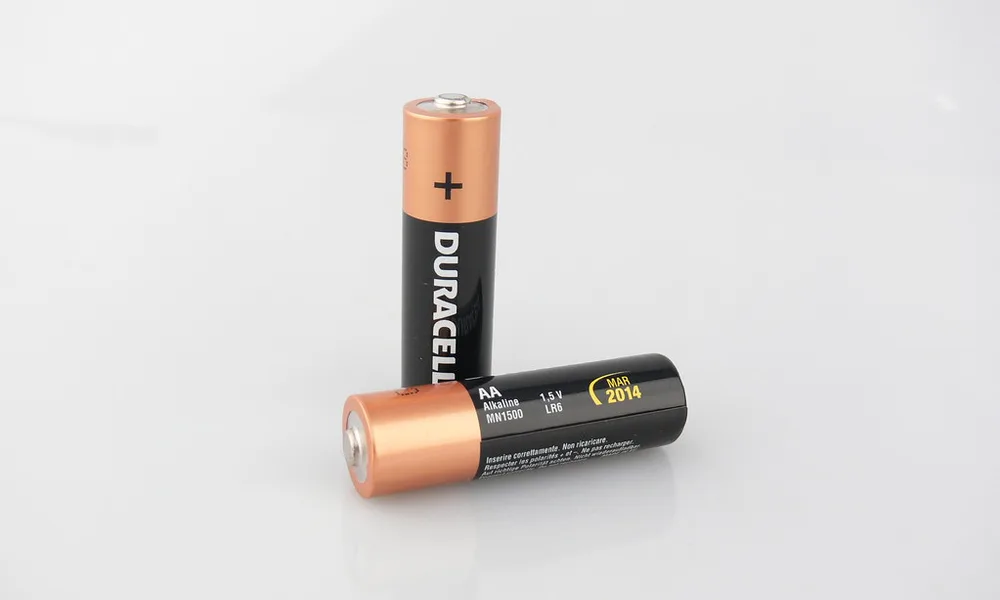
Alkaline, Lithium and Rechargeable: What Actually Lasts
Three types of battery cover nearly every remote and toy in the house, and each one has a job it does best.
Alkaline: the everyday default
Alkaline batteries are the standard AA and AAA cells in every supermarket, and for good reason. They are cheap, available everywhere, hold their charge for five to ten years, and suit low-drain devices perfectly. A remote, a clock or a wall sensor will run for months or years on a decent alkaline, and the well-known brands consistently outlast the cheapest packs. A bargain pack that costs half as much and lasts a third as long is not a bargain.
Alkaline cells struggle in hungry devices. They lose voltage quickly under a heavy load, which is why a toy can sound tired on alkalines that still have plenty of charge left for a remote. They are also single-use, so a house full of battery-hungry toys can burn through a surprising amount of money and waste in a year.
Lithium: the long-life specialist
Lithium AA and AAA batteries cost several times more than alkaline, but they last far longer in storage, work in freezing cold, and hold their voltage steady until nearly empty. They are the best choice for devices you rarely touch but always need to work: a smoke alarm’s backup, an emergency torch, or a remote in a holiday home. They are overkill for a toy, and they should never be recharged.
Rechargeable NiMH: the toy owner’s best friend
Rechargeable nickel-metal hydride batteries, usually called NiMH, are the smart buy for anything hungry. A good set can be recharged hundreds of times, so one pack of four can replace hundreds of single-use batteries. Modern low-self-discharge NiMH cells hold most of their charge for a year on the shelf. Their one weakness is voltage: 1.2 volts against an alkaline’s 1.5, which a few fussy devices notice.
Which Battery for Which Device
The right battery depends on the device, not on the brand on the pack.
| Device | Best choice | Why | What to avoid |
|---|---|---|---|
| TV remote | Alkaline AA or AAA | Low drain, years of life | Cheap zinc-carbon cells |
| Toy car or robot | Rechargeable NiMH | High drain, recharged often | Single-use alkalines, costly |
| Wall clock | Alkaline AA | Tiny drain, lasts years | Lithium, wasted money |
| Torch | Alkaline or lithium | Bright light, long storage | Rechargeables left flat |
| Game controller | Rechargeable NiMH | Heavy use, easy to swap | Cheap cells that fade fast |
| Smoke alarm backup | Lithium 9V or AA | Ten-year life, always ready | Old cells past their date |
A remote is the simplest case: a decent alkaline, changed once a year. A toy is the opposite: if it eats a set of batteries every week, rechargeables pay for themselves within a couple of months. Heavy game players save real money with rechargeables too.
A torch that lives in a drawer for emergencies wants a lithium cell, because it will still be full when you need it. A torch used every evening wants rechargeables. Our guide to the best flashlights covers which torches are worth buying, while the best headlamps do the same job hands-free.
The Sizes That Matter: AA, AAA and the Rest
AA and AAA cover nearly everything in a home. AA is the workhorse: remotes, toys, torches, controllers and clocks. AAA is the slim version: small remotes, scales and toothbrushes. C and D cells still appear in larger torches, 9V batteries live in smoke alarms, and coin cells power watches and car keys.
Before you buy, open the battery compartment and check the size printed inside the lid, because guessing is how drawers fill up with the wrong size. Keep a pack of eight of each at home in a labelled box.

How to Make Batteries Last Longer
Store batteries at room temperature in a dry place, because heat is the enemy: a battery left in a hot car loses charge far faster than one kept in a cool drawer. Keep them in their packaging or a battery box, because loose batteries can touch metal and slowly drain.
Take the batteries out of a toy or device that will not be used for months, because a battery left in a forgotten toy can leak and ruin the contacts. If you find a leak, clean the contacts with a cotton bud dipped in vinegar, then dry them. Never mix old and new batteries, or different brands or types: the weaker cell gets dragged down and the whole set dies early.
Rechargeables: When They Pay and When They Do Not
Rechargeables are the best buy for hungry devices, but not for everything. A set of four rechargeable AA cells plus a charger costs roughly what several packs of alkalines cost, and each cell can be used hundreds of times. In a toy that eats alkalines weekly, they pay for themselves in a month or two; in a remote that needs new batteries once a year, they never pay at all.
Buy a decent charger, because a bad one shortens battery life. A smart charger that stops when each cell is full is worth the small extra cost. Keep two sets for the busiest toys, one in use and one on the charger.

Buying Batteries Without Wasting Money
Brand matters more with batteries than with most household goods. In tests, the well-known brands consistently beat the cheapest packs, especially in toys, but premium lines often cost twice as much for only a little extra life, so the mid-range lines are usually the sweet spot.
Buy in bulk, but buy sensibly: a 24-pack of AA alkalines is good value if you will use them within a year or two. Check the best-before date before you pay, and be wary of a famous brand at a price that looks too good to be true, because counterfeits are common online.
One last place where batteries matter is the smoke alarm. A smoke alarm with a dead backup battery stops protecting you in a power cut, and the best smoke detectors are only as good as the battery inside them. Put a fresh lithium cell in once a year and test the alarm monthly.
Checklist: Before You Buy Batteries
- Check the size first by opening the battery compartment and reading the size printed inside the lid or on the old battery.
- Match the battery to the device: alkaline for remotes and clocks, rechargeable for toys and controllers, lithium for emergency devices.
- Read the best-before date on the pack and skip any pack with no date or a date that is close.
- Buy a known brand in the mid-range, not the cheapest pack or the most expensive premium line.
- Keep a small stock at home of AA and AAA cells in a labelled box.
- Take batteries out of unused devices and recycle dead cells at a proper collection point instead of the bin.
Frequently Asked Questions
How long should AA batteries last in a TV remote?
A good alkaline AA in a TV remote typically lasts one to two years. If yours needs new batteries every few months, the batteries are poor quality, or the remote has a fault that keeps it awake.
Are rechargeable batteries good for toys?
Yes. A toy motor drains single-use batteries quickly, while a rechargeable NiMH set can be used hundreds of times. Keep a second set charged so the toy never waits.
Why do batteries leak, and how do I stop it?
Batteries leak when left in a device long after they are flat, or when stored in heat. Take batteries out of devices you will not use for months, store spares somewhere cool and dry, and replace flat batteries promptly.
Can I mix old and new batteries?
No. Mixing old and new batteries, or different brands or types, makes the weaker cells drain faster and the whole set die early. Always replace all the cells in a device at the same time.
Do expensive batteries really last longer?
Usually, yes, but only up to a point. Well-known brands beat the cheapest packs by a wide margin in testing, especially in toys. Premium lines cost much more for little extra life, so mid-range lines are usually the best value.
How should I store spare batteries?
Keep them in their original packaging or a battery box, at room temperature, somewhere cool and dry, away from metal objects and direct sunlight. Stored this way, alkalines keep most of their charge for five to ten years.
Bottom Line
The batteries that actually last are not the most expensive ones on the shelf. Alkaline cells from a trusted brand suit remotes, clocks and anything that sips power, while rechargeable NiMH cells suit toys, controllers and anything hungry. Buy the right size, check the date, keep a small stock at home, and take the batteries out of anything you will not use for a while.