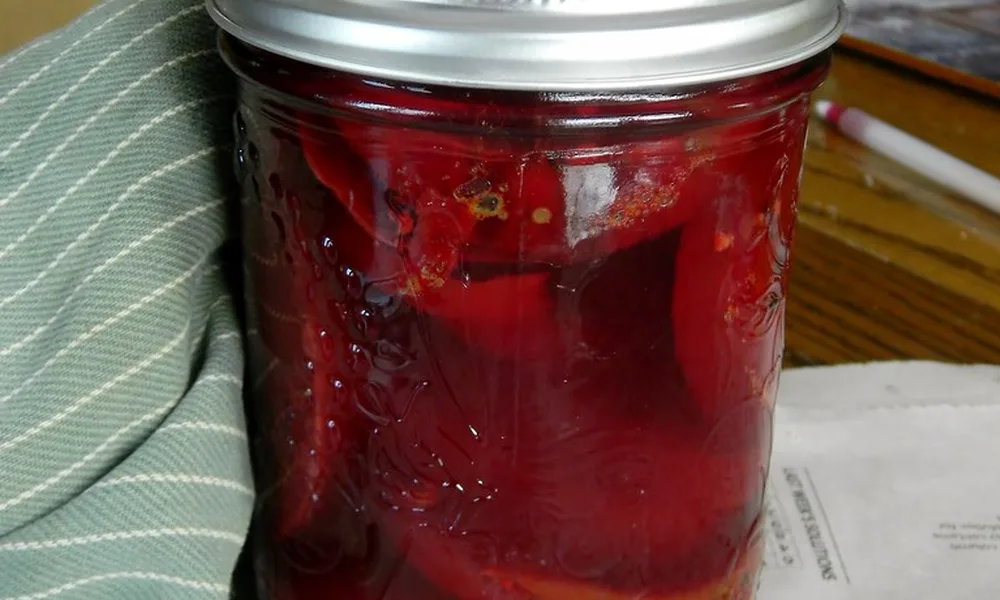
Top Canned Beets for Salads and Sides in 2026
Canned beets are the quiet workhorse of the pantry, a tin that turns into a ruby-red salad or a quick side dish in minutes. A good tin opens onto beets that are tender but not mushy, sweet, earthy and firm enough to slice cleanly. The best canned beets in 2026 are the right tin for your dish, and this guide explains how the styles differ and how to read a label.
A beet keeps its colour and much of its sweetness through canning, which is why a tin bought in winter can taste better than a tired fresh beet. The heat of canning cooks the beet through, so the texture is always softer than a roasted fresh beet, and that softness is not a fault.
Key Takeaways
- Sliced beets are the most versatile style: neat rounds that layer well in salads and sandwiches, and warm quickly as a side dish.
- Diced beets are the pick for mixed salads and slaws, because the small pieces take dressing evenly and mix without dominating the bowl.
- Pickled beets bring their own vinegar tang and need no extra dressing, while plain beets give you a blank canvas to season yourself.
- Read the sodium and sugar before the price. The best plain tins stay under 300 mg of sodium per serving and list beets first.
- Drain canned beets well, rinse plain beets briefly for a milder flavour, and dress them while still slightly warm.
What Canned Beets Actually Are
Canned beets are fresh beets washed, peeled and packed in water, juice or a vinegar brine, then sealed and heated to make them shelf-stable. Canning happens soon after harvest, when the roots are at their sweetest. The deep red colour comes from betalains, the pigments that stain a cutting board.
The heating that makes the tin safe also cooks the beet, so canned beets are always softer than a roasted fresh beet. A well-packed tin keeps a gentle firmness, while a poor tin turns to soft pieces.
Sliced, Diced, Whole and Pickled: The Styles Compared
The four styles you will see most often are sliced, diced, whole and pickled, and each one behaves differently on the plate. Sliced beets are cut into rounds, diced beets into small cubes, whole beets are left intact, and pickled beets are packed in vinegar.

| Style | Texture | Best for | Watch out for |
|---|---|---|---|
| Sliced | Tender rounds, hold their shape | Salads, sandwiches, grain bowls | Thin slices can tear if over-handled |
| Diced | Small, even cubes | Mixed salads, slaws, chopped sides | Can look uniform and dull on their own |
| Whole | Firm, full roots | Roasting, plating, pickling at home | Large roots may be unevenly cooked |
| Pickled | Tangy, firm, vinegary | Salads, boards, sandwiches | Vinegar can overwhelm delicate dishes |
Sliced Beets: The All-Rounder
Sliced beets are the default to stock, and the style to buy if you only buy one tin. The rounds layer neatly over greens, tuck into a sandwich without sliding out, and warm in two minutes in a pan with butter. They take a vinaigrette beautifully, because the flat surface holds dressing. Look for even thickness and a deep, even red.
Diced Beets: The Mixer
Diced beets are the pick when the beet is one ingredient among many rather than the star. The small cubes fold into a chopped salad, a slaw or a grain bowl without dominating each bite, and they take seasoning evenly. The trade-off is presentation: a bowl of diced beets on its own looks plain, so pair them with feta, goat cheese or herbs, and the colour does the work.
Whole Beets: The Flexible Option
Whole canned beets are small roots, usually the size of a golf ball, packed intact. They are the most flexible style because you can slice or dice them yourself, and you control the thickness. They are also the best choice if you want to roast them briefly after opening. Check that the roots are roughly the same size, or they will cook unevenly.
Pickled Beets: The Ready Seasoned Tin
Pickled beets are packed in vinegar, often with sugar, salt and spices such as cloves or bay. They arrive tangy, sweet and ready to eat, and they need no dressing at all. They are the best choice for a salad board or a picnic, where you want flavour without carrying a bottle of vinaigrette. Favour tins where vinegar comes before sugar in the ingredients.
Pickled vs Plain: Which Tin for Which Dish
The choice between pickled and plain is really a choice about who seasons the dish. Plain beets are a blank canvas: you decide the salt, the acid and the fat, from a simple buttered side to a beet and goat cheese salad. Pickled beets have already made that decision for you, and they are at their best when you want a sharp, bright note without extra work.
For a green salad, pickled beets are often the better buy, because their vinegar dresses the leaves as they sit. For a warm side, plain beets are better, because vinegar turns harsh when heated. If you are unsure, buy plain.
The Earthiness Question: Why Beets Taste the Way They Do
Beets taste earthy because of geosmin, a compound the root picks up from the soil. Plain beets in water taste the most earthy, because nothing masks the flavour. Pickled beets taste the least earthy, because vinegar and sugar push the earthiness into the background.
If you find beets too earthy, rinse plain beets briefly under cold water and pat them dry. Dress them with something acidic, such as lemon juice or red wine vinegar, because acid brightens the beet. Add something creamy or salty, such as feta or goat cheese, and serve them with fresh herbs.
Reading the Label: Sodium, Sugar and What Else Is in the Tin
Read the sodium before the price. The best plain tins stay under 300 mg of sodium per serving, and a quick rinse cuts the salt further. A tin that lists 500 mg or more will taste salty even after draining, and it will limit how much seasoning you can add yourself.
Beets should be the first and nearly only ingredient. A plain tin should list beets, water and perhaps salt, and nothing else. A pickled tin will add vinegar, sugar and spices, but the list should still be short. A tin with added colouring or flavourings usually means dull beets, and sugar in a plain tin is a sign the packer was covering a bland harvest.
Check the tin itself: avoid dents along the seam, swelling, leaks or rust, and check the best-before date, because a tin that has sat for years will be softer than a fresh one.
Salads and Sides: Five Ways to Use a Tin of Beets
The simplest use is also one of the best. Drain sliced beets, dress them with olive oil, lemon juice and salt, and serve them over greens with crumbled feta and walnuts. It takes five minutes, and it works as a lunch or as a side with grilled chicken or fish.

A second use is a warm side. Warm diced or sliced beets gently in a pan with butter, garlic and a squeeze of lemon, and finish with chopped dill or parsley. Serve it with a roast or grilled fish; it is ready in the time the main dish takes to rest.
A third use is a sandwich or wrap filling. Layer sliced pickled beets with cheese, lettuce and mustard, or roll them into a wrap with hummus and cucumber. A fourth use is a grain bowl: diced beets over rice or quinoa, with chickpeas and a yoghurt dressing. The canned carrots guide makes the same point about a vegetable that is easy to buy badly and easy to cook well, and the canned sweet potatoes guide is useful if you want a second sweet root for the same kind of meal.
Storage, Shelf Life and Food Safety
An unopened tin of beets keeps for two to five years in a cool, dry cupboard, and the best-before date is a guide to quality rather than a safety deadline. Store tins away from heat and damp, and use the oldest tin first. Once opened, transfer leftovers to a covered container, cover them with their liquid, and refrigerate them. Do not store opened beets in the tin.
Opened beets keep for three to four days in the fridge, and they are best used within two days. If the beets smell sour in a way that is not the vinegar of a pickled tin, or if the liquid is cloudy or slimy, throw them away. Pickled beets last up to a week, because the vinegar acts as a preservative.
What to Avoid in a Tin of Beets
The worst tins share a few traits. The beets are pale or patchy rather than a deep, even red, which suggests an old harvest or a beet that was overcooked. The pieces are mushy and fall apart when lifted with a fork. The liquid is cloudy or smells metallic, and the label lists sugar high on the ingredients for a plain tin, or sodium above 500 mg per serving.
Also be wary of tins that promise a lot on the front and deliver little inside. A plain tin from a reliable brand, with a short ingredient list and a recent date, will usually beat a fancy tin with a long list of flavourings. The canned peas guide applies the same test: trust the ingredient list and the date, not the picture on the label.
Shopping Checklist
- Choose sliced for salads, diced for mixed dishes, whole if you want to cut them yourself, and pickled for ready-made tang.
- Check the sodium: under 300 mg per serving for plain beets, and rinse briefly to cut it further.
- Read the ingredients: beets first, a short list, no added sugar in a plain tin.
- Look for an even, deep red colour and pieces that hold their shape.
- Buy the size you will use within two days, and check the tin for dents, swelling or rust.
- Plan the dressing before you open the tin: acid, salt, fat and something fresh.
Frequently Asked Questions
Are canned beets as healthy as fresh beets?
Canned beets keep most of the fibre, folate and minerals of fresh beets. The main difference is sodium, so choose a low-sodium tin and rinse plain beets briefly.
Should I rinse canned beets before using them?
Rinse plain beets briefly if you want a milder, less salty flavour, and drain them well so they do not water down a dressing. Do not rinse pickled beets, because the vinegar is part of their flavour.
How long do canned beets last once opened?
Opened plain beets keep for three to four days in the fridge in a covered container, and pickled beets for up to a week. Use them within two days for the best texture.
Can I cook canned beets, or are they ready to eat?
They are ready to eat straight from the tin, because canning cooks them. Warm them gently for a hot side, but do not boil them.
Why do canned beets stain everything?
The deep red colour comes from betalains, natural pigments that stain skin, boards and cloth. Rinse your hands and board soon after handling them.
Are pickled beets or plain beets better for salads?
Pickled beets are better for a green salad that needs brightness without extra dressing, while plain beets are better when you want to control the seasoning yourself.
The Bottom Line
The best canned beets in 2026 are a tin of evenly cut, deep red beets with a short ingredient list, modest sodium and no added sugar in a plain tin. Buy sliced for salads, diced for mixed dishes, whole if you want to cut them yourself, and pickled when you want ready-made tang. Drain them well, dress them with acid, salt and fat, and pair them with something creamy, crunchy or fresh.