Top Cashew Butters for Creamy Spreads in 2026
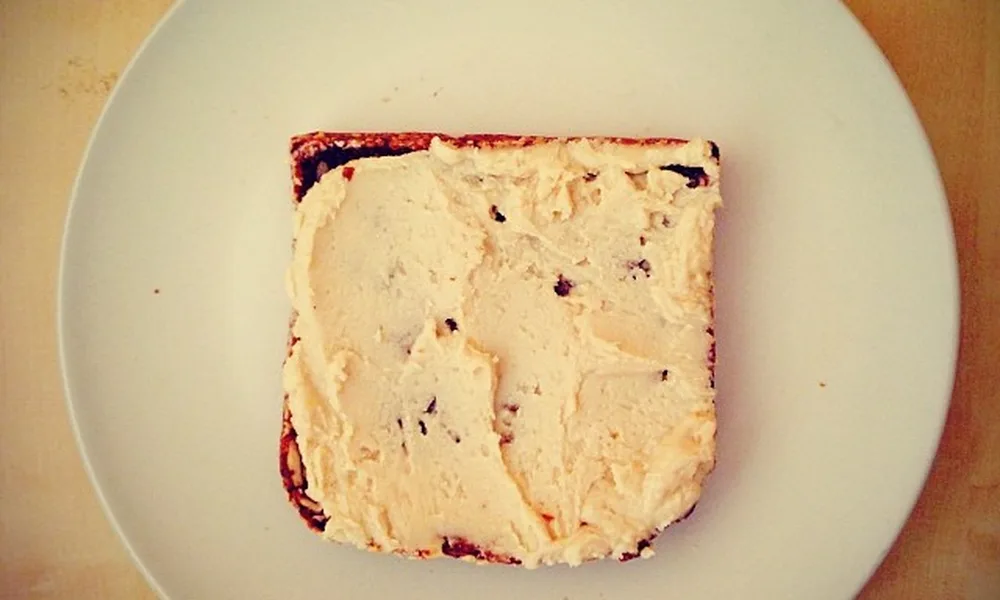
The best cashew butter in 2026 is the jar that spreads like soft frosting and tastes like dessert without any sugar doing the work. Cashew butter is the quiet luxury of the nut butter shelf: milder than peanut butter, silkier than almond butter, and so naturally creamy that even the crunchy versions feel smooth. If you have only ever tried peanut butter, the first spoonful of a good cashew butter is a small surprise — it is buttery, faintly sweet, and so spreadable that it turns plain toast into something you actually look forward to.
Cashew butter has moved from health-food shops into ordinary supermarkets over the past few years, and the choice has grown with it. There are smooth and crunchy jars, roasted and raw, salted and unsweetened, cheap supermarket own-brands and small-batch jars that cost twice as much.
Key takeaways
- The best cashew butter lists cashews first and ideally contains just cashews and salt — no added sugar, no palm oil, no hydrogenated oils.
- Cashew butter is the creamiest nut butter by nature: it spreads smoothly even when cold, and it rarely tears soft bread.
- Roasted cashew butter tastes richer and nuttier than raw, and it is the better choice for toast and sandwiches.
- It is low in protein compared with peanut butter, at around 3 to 4 grams per serving, so it is a flavour and texture choice, not a protein food.
- A good jar costs more than peanut butter, but a little goes a long way — two tablespoons is a serving, and the jar keeps for months.
What makes cashew butter different
Cashews are not like other nuts. They are softer, richer in natural oils, and lower in fibre than almonds, which is why they grind into the smoothest butter of all. Where almond butter can stay slightly grainy no matter how long it is milled, cashew butter turns glossy and pourable, closer to a thick cream than a paste. That texture is the whole point. It spreads on warm toast without tearing it, it stirs into porridge without clumping, and it blends into sauces without a blender.
The flavour is different too. Peanut butter is bold and roasted, almond butter is delicate and slightly bitter, and cashew butter sits between them with a gentle, buttery sweetness that needs no help. It tastes faintly of vanilla and warm milk, even when the jar contains nothing but cashews and salt. There is one honest trade-off. Cashew butter is not a protein food. A two-tablespoon serving gives you roughly 3 to 4 grams of protein, against 7 to 8 grams from peanut butter, and it is higher in calories per spoonful than most people expect, at around 190 calories.
Cashew butter vs the other spreads
| Spread | Texture | Flavour | Protein per serving | Best for |
|---|---|---|---|---|
| Cashew butter | Silky, glossy, very smooth | Mild, buttery, faintly sweet | 3–4 g | Toast, sauces, baking, smoothies |
| Peanut butter | Thick, dense, sticks to the palate | Bold, roasted, salty | 7–8 g | Sandwiches, baking, protein snacks |
| Almond butter | Slightly grainy, firm when cold | Delicate, nutty, faintly bitter | 6–7 g | Smoothies, baking, porridge |
| Sunflower seed butter | Soft, smooth, slightly earthy | Earthy, roasted, mild | 3–4 g | Nut-free homes, schools, toast |
The table tells the story plainly. Cashew butter wins on texture and mildness, peanut butter wins on protein and price, almond butter wins on vitamin E and fibre, and sunflower seed butter wins on allergy safety. If you want a full comparison of the classic jar first, our guide to the best peanut butter in 2026 sets the standard every other spread is measured against.
How to read the label
The ingredient list is the whole test, and it takes ten seconds. The best jars list cashews first and contain nothing else except, sometimes, a pinch of salt. That is the jar to buy. If the list runs to five or six ingredients, read it carefully: added sugar, honey, palm oil, and hydrogenated vegetable oil are all signs that the maker is stretching cheap ingredients or sweetening a thin butter to make it taste richer than it is.
Cashew content matters more than the brand name. A jar that is 90 percent cashews or more will taste of cashews; a jar that is 70 percent cashews with sugar and palm oil will taste mostly of sugar. The percentage is usually printed on the front or in the ingredients, and it is worth checking, because the cheapest jars are often the ones with the least nut in them.
Smooth vs crunchy, roasted vs raw
Smooth cashew butter is the default, and it is the one most people should buy. It spreads like soft butter, it stirs into sauces without lumps, and it is the version that shows off what cashews do best. Crunchy cashew butter adds chopped roasted cashews to the smooth base, and it is lovely on toast and in sandwiches, where the crunch gives each bite some texture. Neither is healthier than the other; the choice is purely about how you like to eat it.
Roasted versus raw is the more important decision. Roasted cashew butter is made from cashews that are roasted before grinding, and the roasting brings out a deeper, warmer, almost caramel flavour. It tastes richer on toast and holds its own in sandwiches. Raw cashew butter is made from unroasted nuts, and it tastes paler, milder, and more delicate — closer to cream than to a roasted nut. It is the better choice for raw desserts, cashew cream sauces, and smoothies, where you want richness without a roasted flavour taking over.
If a jar looks separated, with a layer of oil on top, that is a good sign, not a fault: it means the butter contains no stabilisers, and a good stir brings it back together. Jars that never separate usually contain palm oil or another emulsifier to hold them together.
Making your own, and using it beyond toast
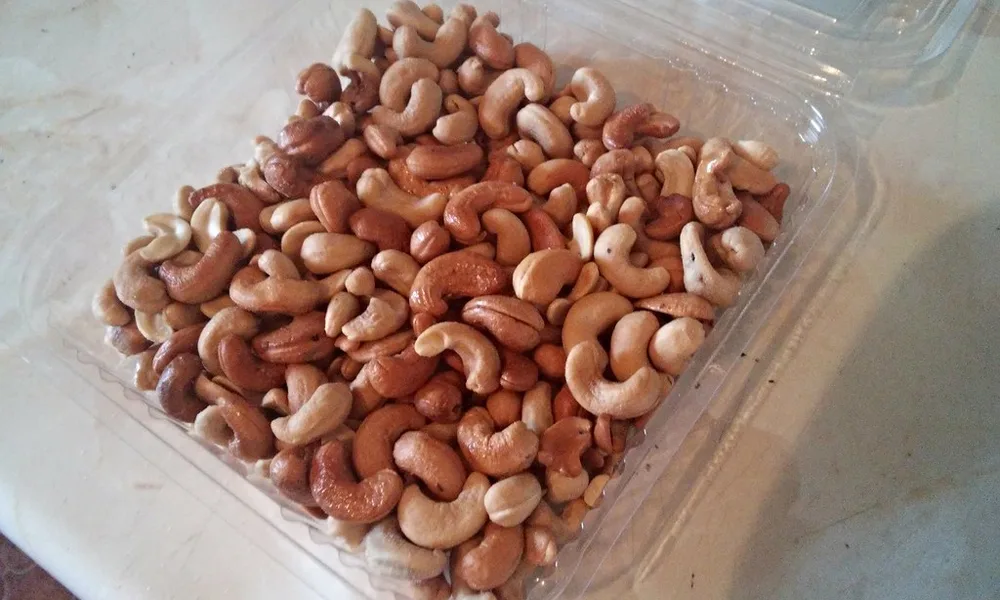
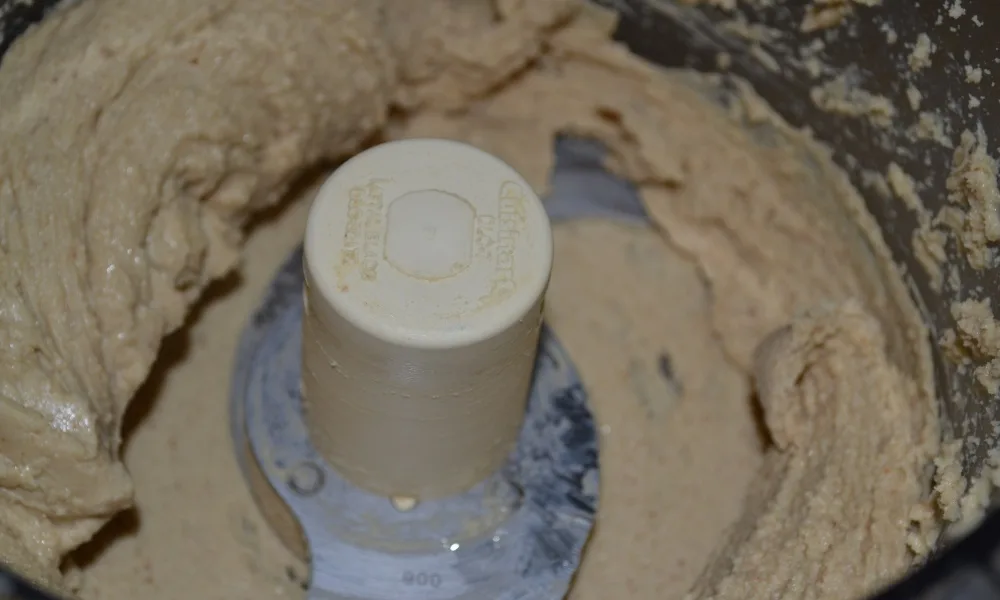
Homemade cashew butter is one of the easiest things in the kitchen, and it is worth trying once, if only to learn what a truly fresh jar tastes like. You need roasted unsalted cashews, a food processor, and about ten minutes. Blitz the nuts until they crumble, then keep going: they will turn to a thick paste, then to a ball that chases itself around the bowl, then, suddenly, to a smooth, glossy butter. Add a pinch of salt at the end. For most people the shop-bought jar is the better deal, but a flavour no shop sells — cardamom, orange zest, dark chocolate — is only possible at home. Our guide to the best almond butter in 2026 covers the same homemade question for almonds, and the same logic applies: try it once for the flavour, then buy the jar for the everyday.
Toast is the obvious use, but it is not the best one. Cashew butter earns its price in cooking, where its mildness and silkiness do things no other spread can. Stirred into a curry, it thickens the sauce and rounds off the spice without adding a peanut flavour. Whisked with soy sauce, lime, and a little warm water, it becomes a dipping sauce for noodles and spring rolls in under a minute. In baking, it makes cookies chewy and rich, gives brownies a fudgy centre, and holds energy balls together without any syrup. In smoothies, a spoonful blends completely and adds body, though at 3 to 4 grams of protein a serving it needs a partner such as Greek yoghurt if the smoothie is a meal.
What to pay, and how to store it
Cashew butter is expensive, and there is no way around it. A standard 170-gram jar of a good plain cashew butter costs roughly two to three times as much as the same size of peanut butter, and small-batch jars cost more again. The value question is really a usage question. If you spread it thickly on toast every morning, the jar will last about a week. If you use it as a cooking ingredient — a spoonful in a curry, a spoonful in a smoothie, a thin spread on toast — the jar lasts three or four weeks, and the price per serving drops to something very reasonable. Supermarket own-brands have improved a lot, and the best are close to premium jars at half the price.
Storage matters more for cashew butter than for peanut butter, because cashews are softer and their oils turn faster. Keep the jar in a cool cupboard, away from the stove, and use it within three months of opening. If the butter smells sharp or tastes stale, the oils have turned, and no amount of stirring will save it — throw it out and open a fresh jar.
Checklist: buying cashew butter
- Check the ingredients: cashews first, ideally cashews and salt only, with no added sugar or palm oil.
- Look for a cashew content of 90 percent or more on the label.
- Choose roasted for toast and sandwiches, raw for sauces, smoothies, and desserts.
- Pick smooth for cooking and spreading, crunchy for texture on toast.
- Buy plain before flavoured, and treat sweetened jars as dessert spreads.
- Store in a cool cupboard, stir if the oil separates, and use within three months of opening.
Frequently asked questions
Is cashew butter healthier than peanut butter?
It depends what you mean by healthy. Cashew butter is lower in sugar, rich in copper and magnesium, and very low in saturated fat, but it has about half the protein of peanut butter and more calories per spoonful.
Why is cashew butter so expensive?
Cashews are one of the most expensive nuts to produce. Each nut is hand-shelled from a toxic shell, the trees are slow-growing, and demand keeps rising from cooking and plant-based diets around the world.
Does cashew butter need to be refrigerated?
No, a cool cupboard is fine for up to three months after opening. The fridge will keep it longer, but it firms the butter up, so let it sit on the counter for ten minutes before spreading.
Is cashew butter safe for nut allergies?
No. Cashew butter is a tree nut product, and it is not safe for anyone with a tree nut allergy. People with peanut allergies should also be careful, because many factories handle both, and cross-contact is common. Sunflower seed butter is the usual safe alternative.
Why has my cashew butter separated?
Separation is normal and healthy: it means the jar contains no palm oil or stabilisers, so the natural oils rise to the top. Stir it well when you first open it.
Can I use cashew butter in place of peanut butter in recipes?
Yes, in almost every recipe, and it is often better. Use the same amount by weight, and expect a milder, sweeter result with a smoother texture. It works in cookies, sauces, curries, and smoothies, though it is a poor choice where you want a strong peanut flavour, such as satay.
The bottom line
The best cashew butter in 2026 is the plainest jar you can find: roasted cashews, a pinch of salt, nothing else, ground until it spreads like cream. It will cost more than peanut butter, and it will not match it for protein, but for sheer pleasure — the silkiness, the mild buttery flavour, the way it turns plain toast into a treat — no other spread on the shelf comes close. If you enjoy the creamy side of plant milks too, our guide to the best cashew milk in 2026 follows the same logic: judge it on texture first, and the rest follows.