An oil dispenser looks like the simplest thing in the kitchen: a bottle that pours oil in a thin, steady stream instead of a sudden glug. It should be the easiest purchase a cook makes. What nobody warns you about is how many ways such a simple object can go wrong. A bad dispenser glugs, drips down the bottle and onto the worktop, or turns good oil stale by letting in light and air. The worst oil dispensers of 2026 turn a bottle of good olive oil into a sticky mess, and a dispenser that cannot pour properly is worse than the supermarket bottle it replaced.
What Makes an Oil Dispenser Bad
An oil dispenser has one job above all others: it must pour a thin, controlled stream and stop cleanly, every time. A good dispenser has a narrow spout that delivers a steady flow, a cap that seals tightly, and a body that sits stable on the worktop. A bad dispenser fails this test on the first pour. Its spout is too wide, so the oil comes out in a glug and floods the pan. Its cap does not seal, so dust gets in and the oil goes stale. Or its base is narrow and top-heavy, so the bottle tips over the first time it is knocked.
The second problem is the material. Oil degrades when it is exposed to light, heat, and air, losing the fresh, peppery character that makes it worth buying. A good dispenser protects the oil: dark glass, ceramic, or steel that blocks light completely. A bad dispenser is made from clear glass and left beside a hot stove, so the oil goes stale within weeks. The worst dispensers are clear glass beside a hot stove, and they can make oil go stale faster than the supermarket bottle would have.
The third problem is cleaning. A dispenser you cannot clean is a dispenser you will eventually throw away. A good dispenser has a wide mouth that accepts a funnel, a spout that pulls out for washing, and a body you can reach into with a bottle brush. A bad one has a narrow neck you cannot reach into, a spout that is fixed in place, and a body that traps old oil in corners you cannot see. Old oil turns rancid, and rancid oil taints every meal it touches. If you cannot clean the dispenser fully before topping it up, you should not be topping it up.
The Glugging Spout: Worst for Everyday Cooking
The worst oil dispensers are the ones that cannot pour. A spout that is too wide lets oil out in a sudden rush, so a cook who wanted a teaspoon gets a tablespoon, and a salad that needed a drizzle gets a flood. A spout with no drip-catching lip lets oil run down the side of the bottle after every pour, so the bottle is always sticky, the worktop is always greasy, and the cupboard shelf is stained within a week.
The fault is in the spout design, and it is easy to spot if you know what to look for. A good spout is narrow, with a small opening and a lip or flap that catches the last drop. A bad spout is wide, straight, and open, with nothing to stop the flow cleanly. The test is to pour slowly, tilt the bottle smoothly, and hold it over the food for a second after pouring. A good dispenser stops cleanly. A bad one keeps dribbling, and the dribble runs down the bottle and onto your hand. A dispenser that makes a mess every time it is used is a dispenser that will be left in the cupboard, and the supermarket bottle will come back out.
The Clear Glass Bottle: Worst for Good Oil
Good olive oil is worth protecting, and the worst dispensers do the opposite. Clear glass looks beautiful on a worktop, and it is the worst material for oil that sits there for weeks. Light breaks down the compounds that give extra virgin olive oil its flavour, and a clear bottle beside a sunny window or a hot stove will turn good oil flat and stale within a month. The oil does not go off in a way you can see. It simply loses the peppery bite that made it worth buying, and a cook who cannot work out why their food tastes flat will blame the recipe, not the bottle.
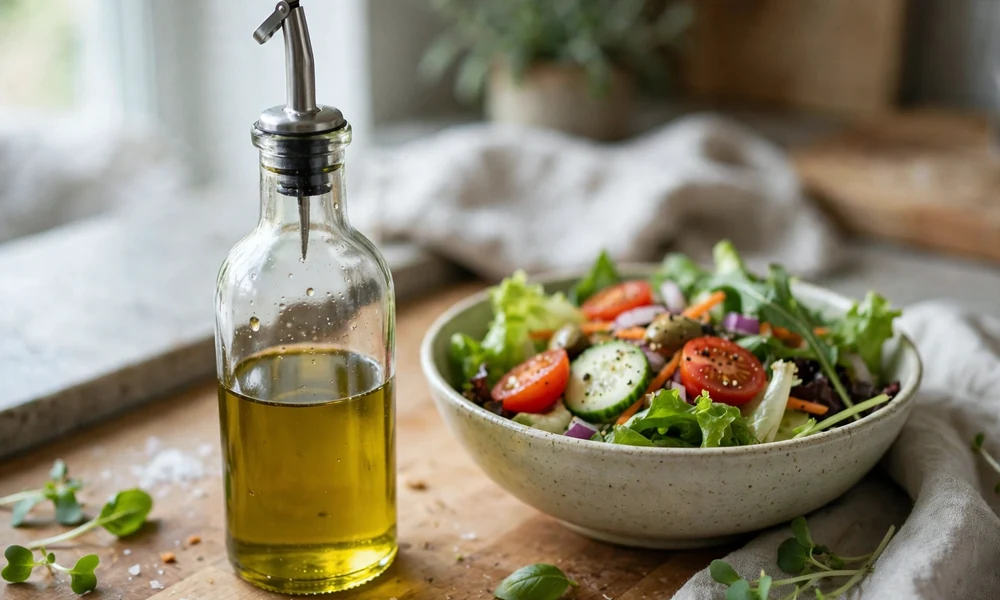
The answer is dark glass, ceramic, or steel, and the best dispensers use one of these without making a fuss about it. A dark green glass dispenser blocks most of the light and still lets you see the oil level. A ceramic bottle blocks light completely and brings a handcrafted look glass cannot match. A stainless steel dispenser is the toughest option and the best pick for a busy kitchen where glass feels risky. The best olive oil dispensers of 2026 show what this looks like, and the classic tall glass cruet with a steel pourer is the workhorse of the category, with a dark glass version as the smarter pick for premium oil. A clear bottle is fine for oil you will finish within a week. For anything longer, it is the wrong bottle.
The Sprayer That Clogs: Worst for Roasting
Oil sprayers are a different kind of tool, and the worst ones fail at the one job they exist to do. A good sprayer mists a fine, even coat of oil over a salad, a baking tray, or vegetables before roasting, using far less oil than pouring. A bad sprayer clogs, sputters, or delivers a jet of oil in one spot and nothing everywhere else. The clog comes from the nozzle: a cheap sprayer has a narrow, fixed nozzle that oil residue blocks within weeks, and once it is blocked, no amount of cleaning clears it properly.
The second failure is the pump. A sprayer needs a pump that builds pressure evenly, and a cheap pump either does not build enough pressure, so the mist is weak and uneven, or it leaks, so oil seeps out around the pump and onto your hand. A sprayer that leaks is a sprayer that makes a mess every time it is used, and a sprayer that clogs is a sprayer that stops working altogether. The test is to spray onto a baking tray and look at the pattern: it should be an even mist across the whole tray, with no jets and no dry patches. A sprayer that cannot do that is not a sprayer. It is a bottle with a broken lid.
What goes in the dispenser matters as much as the dispenser itself. The best cooking oils of 2026 are worth buying properly, and the best olive oil of 2026 is worth protecting in a dark bottle away from heat. A dispenser filled with good oil and kept beside a hot stove is a dispenser that wastes the oil it was bought to save. Keep the bulk of your oil in a cool, dark cupboard, and only decant as much as you will use within a few weeks. Never top up a half-empty dispenser without cleaning it first, since old oil can turn rancid and taint the fresh oil poured on top of it.

The Dispenser That Cannot Be Cleaned: Worst for Hygiene
A dispenser that cannot be cleaned is a dispenser that will go rancid, and the worst ones are designed as if cleaning was never considered. The neck is too narrow for a funnel, so refilling spills oil down the outside. The spout is fixed in place, so it cannot be soaked or brushed. The body has corners and seams where old oil collects, and the oil in those corners turns rancid within weeks, tainting every fresh pour.
The warning signs are visible before you buy. Look at the mouth: it should be wide enough to accept a funnel and a bottle brush. Pull at the spout: it should come out for washing. Look inside the body if you can: it should be smooth, with no seams or ridges where oil can hide. A dispenser that passes all three tests will last for years. A dispenser that fails any of them will be thrown away within a year, and the money spent on it will have bought nothing but a sticky bottle and a stained shelf.
Dual dispensers and infused oils are where beginners waste the most money. A dual-spout dispenser sounds clever, keeping two oils in one footprint, but the worst ones leak between the chambers, so the two oils mix, and the seals fail within months. Infused oils are worse still: a dispenser bought for chilli or garlic oil needs to be used within a week or two, because infused oil goes off faster than plain oil, and a dispenser that holds a litre of infused oil will hold most of it long past its best. A small table cruet of 250 millilitres is the right size for infused oils, and a single-spout dispenser is the right choice for everyday cooking. A dispenser that tries to do two jobs usually does neither well, and a beginner who buys one will end up with mixed oils, stale flavour, and a bottle that cannot be cleaned properly.
How to Spot a Bad One Before You Buy
Start with the pour. If you can test it in the shop, pour water through it and watch the stream: it should be thin and steady, and it should stop cleanly with no dribble down the side. Then check the material: dark glass, ceramic, or steel if the oil will sit on a bright counter, and clear glass only for oil you will finish within a week. Check the size against how fast you use oil: 500 millilitres suits most households, and 250 millilitres is right for the table or for infused oils.
Next, check the cleaning. The mouth should accept a funnel, the spout should pull out for washing, and the body should be smooth inside. Check the base: it should be stable and balanced when full, with no tendency to tip. Finally, check the cap: it should seal tightly to keep out dust and limit air exposure. A good dispenser is a simple tool that does one job well, and a bad one is a bottle that makes a mess of the oil it was bought to save.

The Verdict
The worst oil dispensers of 2026 are the ones that glug instead of pouring, the clear glass bottles that turn good oil stale beside the stove, the sprayers that clog within weeks, and the bottles that cannot be cleaned and go rancid from the inside. The best are the ones you stop noticing, because they pour a thin, steady stream, stop cleanly, protect the oil from light, and wash out easily every few refills. Buy a 500-millilitre dispenser in dark glass, ceramic, or steel, with a narrow spout and a removable pourer, and keep it away from heat. A good dispenser is a small thing, but it stands between a bottle of good oil and every meal you cook with it.