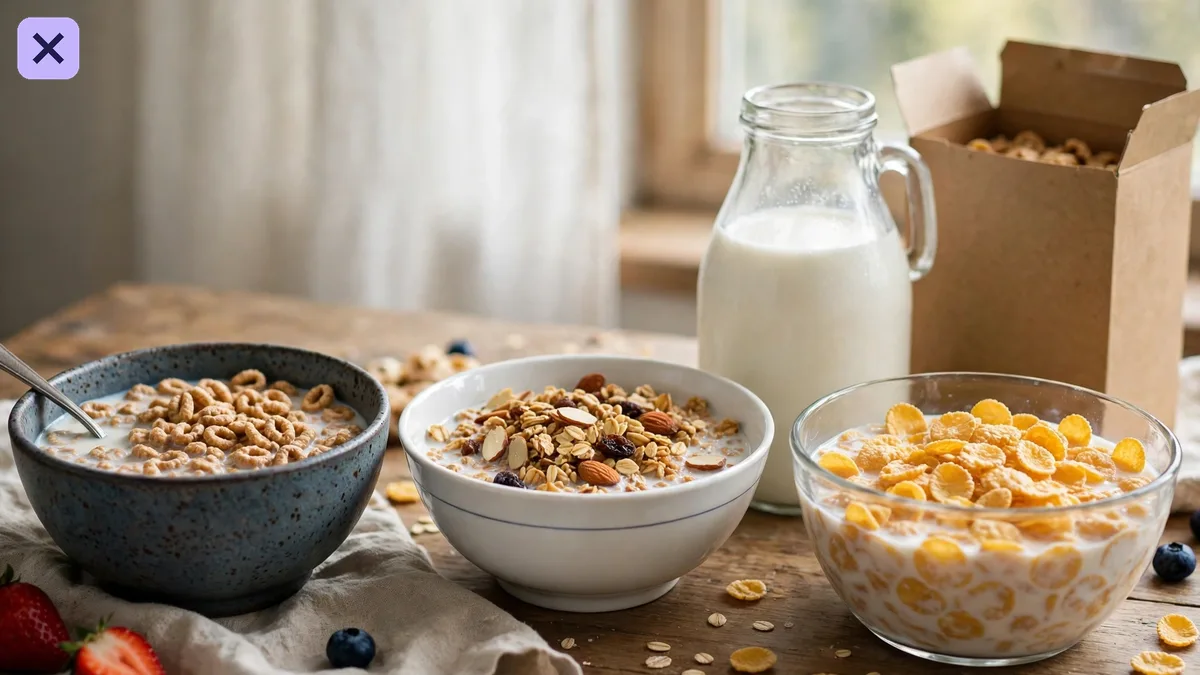
Cereal Bowls That Hold Up to Everyday Breakfasts in 2026
The best cereal bowls of 2026 are the ones that survive breakfast every single morning without chipping, staining, or sliding around the table. A cereal bowl holds cold milk and cereal at seven in the morning, goes through the dishwasher by nine, and is back on the table the next day — a harder daily test than most tableware faces. The bowl that chips in its second week, or the one too small for a proper serving, ends up at the back of the cupboard. This guide covers what makes a cereal bowl good, the materials compared, and the right sizes.
Key Takeaways
- Size matters most: 500 to 650 millilitres suits most adults, 350 to 450 suits children, and under 300 means a second bowl.
- Stoneware and porcelain are best for everyday use: stoneware is heavier and more forgiving, porcelain lighter and more stain-resistant.
- Shape decides how the cereal eats: a wide, gently curved bowl keeps flakes crisp and is easy to scoop from, while a deep bowl makes the last spoonfuls harder to reach.
- Check the practical details first: dishwasher and microwave safety, a stain-resistant glaze, and a foot ring that does not trap water in the dishwasher.
- Buy a set of four or six matching bowls: they stack neatly, take up less cupboard space, and are easier to replace one at a time.
What Makes a Cereal Bowl Good
A cereal bowl does five jobs, and most buyers only think about one. The obvious job is holding cereal and milk, but the way it holds them matters. Too small, and the milk reaches the rim; too large, and the cereal goes soggy fast. The right size for an adult serving is 500 to 650 millilitres, leaving room for milk without sloshing. For a child, 350 to 450 millilitres is enough.
Second is the spoon: a wide bowl with sloping sides lets it slide under the last flakes, and a flat bottom keeps it stable. The rim matters too: a smooth, slightly rolled rim is comfortable to hold and to sip milk from, while a thin, sharp rim feels cheap and is the first place a chip appears. Weight is the third job: 300 to 450 grams feels substantial without tiring your wrist. Fourth is surviving the dishwasher, because a bowl that cannot go in it will not get used on a busy morning. Fifth is looking good, because it sits on the breakfast table every day.
The Five Cereal Bowl Materials That Matter
The material decides how a bowl feels and how it survives daily use, so choose it first.
1. Stoneware
Stoneware is the most popular cereal bowl material, and the easiest to live with. Thick and slightly rustic, it feels substantial and keeps milk cold a little longer. It is usually dishwasher and microwave safe, though cheap pieces can craze after years of use. Good stoneware costs roughly $8 to $20 and lasts five years or more.
2. Porcelain
Porcelain is the lightest and most refined option. Fired at a high temperature, it is dense, hard, and resistant to chipping, and its smooth glaze resists staining better than any other ceramic. White porcelain shows off colourful cereal beautifully, though a dropped one breaks more easily than stoneware chips. Expect to pay $10 to $25 each; it is the best choice if you want bowls that still look new after three years.
3. Glass
Glass bowls look lovely and let you see the layers of granola, yoghurt, and fruit, which is why they suit breakfast bowls and smoothie bowls. Tempered glass is tougher than ordinary glass and dishwasher safe, but it is still the most breakable option on a tiled floor. Glass also warms quickly in the hand, so it is the worst material for keeping milk cold.
4. Melamine
Melamine bowls are the practical family choice: they will not break if dropped, are light to carry, and come in bright colours children love. They suit young children and camping best. The trade-off is heat: melamine is not microwave safe, and it can stain over time. Melamine bowls cost $3 to $8 each and are the cheapest way to equip a whole family.
5. Handmade Ceramic and Earthenware
Handmade ceramic bowls are the most characterful choice. Each one is slightly different. They are thick and hold milk well, but they are the most fragile and most likely to stain, and many are not microwave safe. They cost the most, from $20 to $45 each, for slow, careful breakfasts.

Cereal Bowls Compared: Materials at a Glance
| Material | Feel | Durability | Best For | Price Each |
|---|---|---|---|---|
| Stoneware | Heavy, warm | Very good | Everyday family breakfasts | $8–$20 |
| Porcelain | Light, smooth | Excellent | Long-lasting everyday use | $10–$25 |
| Glass | Light, cool | Fair | Granola and smoothie bowls | $6–$15 |
| Melamine | Very light | Excellent | Children, camping | $3–$8 |
| Handmade ceramic | Thick, rustic | Fair | Slow weekend breakfasts | $20–$45 |
The numbers behind the table tell the same story. Porcelain typically survives three to five years of daily use before its first chip; stoneware averages two to four years, and glass often fails sooner from a single drop. Melamine lasts longest in rough hands. Equipping a family of four with melamine costs under $30, while handmade ceramic can pass $120. Stoneware or porcelain at roughly $40 to $80 for four is the sensible middle ground.
Size and Shape: Getting the Serving Right
Size is the decision most buyers get wrong, because bowls are sold by diameter rather than capacity, and diameter tells you almost nothing about how much cereal a bowl holds. A wide, shallow bowl can measure 16 centimetres across yet hold only 400 millilitres. Always check capacity, not width. Adults: 500 to 650 millilitres. Children under ten: 350 to 450. Porridge or granola with yoghurt: 650 to 750.
Shape matters as much as size. A wide bowl with gently sloping sides suits flaked cereals best: the cereal spreads out, stays crisp longer, and is easy to scoop. A deep bowl with steeper sides suits porridge and muesli, keeping the food warm and the milk contained. Flakes need width so they do not go soggy; granola needs depth so the yoghurt and fruit sit on top. If your household eats all three, a 550-millilitre bowl is the best compromise. For ideas on what to serve in your new bowls, our guide to the best cereals of 2026 covers the breakfast cereals worth eating, from crunchy granola to classic flakes.
Everyday Durability: Dishwasher, Microwave, and Stains
Durability is about more than surviving a drop. The glaze protects the bowl from staining, and a good glaze is smooth, even, and hard to scratch with a fingernail. A fingernail that catches on rough spots means a thin glaze that will stain from berries and coffee. A wide foot ring traps water in the dishwasher; a narrow one dries faster and stacks more neatly. Microwave safety matters for porridge: stoneware and porcelain are usually safe, tempered glass is safe, melamine is not, and handmade ceramic often is not. Bowls that nest tightly take up half the cupboard space of bowls that do not.
Cereal Bowls vs Soup Bowls: What Is Actually Different?
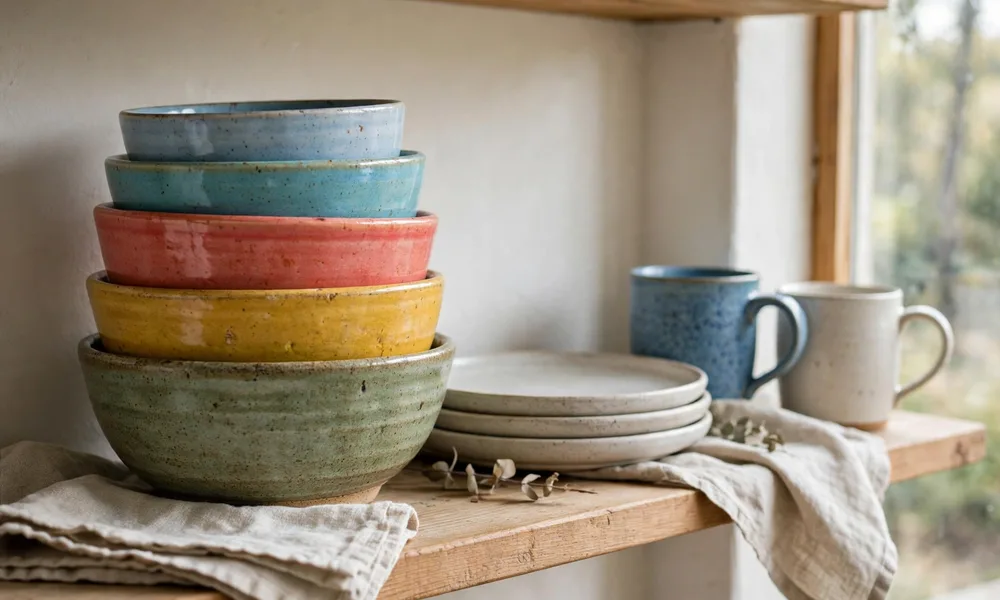
Cereal bowls and soup bowls look similar, but they are built for different jobs. A soup bowl is deep and narrow, because heat escapes from the surface, so a deep bowl with a smaller opening keeps soup hot far longer. A cereal bowl is wider and shallower, because cereal is eaten cold, and width keeps flakes crisp and easy to scoop. A soup bowl is lifted with both hands; a cereal bowl is held in one hand while the other holds a spoon. Soup bowls need thick walls to hold heat; cereal bowls need a smooth, stain-resistant glaze. A good medium bowl can serve both: a 550-millilitre stoneware bowl with gently sloping sides works for cereal in the morning and soup in the evening. Our guide to soup bowls that hold the heat explains the heat-retention details, and our guide to dinnerware sets that make weeknights feel special covers matching plates and bowls.
The Best Cereal Bowls of 2026
No single bowl suits every household. The best share honest capacity, a stain-resistant glaze, and a shape that works with a spoon.
Best for Everyday Family Breakfasts: Stoneware
A set of four stoneware bowls at 550 millilitres each is the best starting point for most households: heavy enough to feel substantial, forgiving enough to survive the occasional knock. A set of four costs roughly $35 to $70 and should last three to five years.
Best for Long-Term Value: Porcelain
Porcelain is the best choice if you want bowls that still look new after years of use. Its hard glaze resists staining better than any other ceramic. A set of four costs roughly $40 to $90, and porcelain typically outlasts stoneware by a year or two.
Best for Children: Melamine
For households with young children, melamine is the sensible choice. It will not break when dropped and is light enough for small hands. A set of four costs $12 to $30, the cheapest way to equip a family.
Best for Slow Weekends: Handmade Ceramic
A handmade ceramic bowl turns a slow weekend breakfast into a small occasion. Each bowl is slightly different. Buy one or two, not a set of six, for the breakfasts you linger over.

Buying Checklist: Six Checks Before You Buy
- Check capacity in millilitres: 500 to 650 for adults, 350 to 450 for children, 650 to 750 for porridge.
- Run a fingernail across the inside glaze: if it catches, the glaze is thin and will stain within months.
- Stack four bowls in the shop and measure the height: bowls that nest tightly save half a shelf of cupboard space.
- Hold the bowl in one hand with a spoon in the other: if your wrist tires quickly, it is too heavy for daily use.
- Check the base for dishwasher and microwave symbols: a bowl you cannot put in the dishwasher will not get used.
- Buy a set of four or six matching bowls: they stack neatly, and one chipped bowl is far easier to replace when you know the exact set.
Frequently Asked Questions
What size cereal bowl is best?
Adults: 500 to 650 millilitres. Children: 350 to 450. Porridge eaters: 650 to 750.
Are stoneware or porcelain cereal bowls better?
Both are excellent. Stoneware is heavier and more forgiving of knocks; porcelain is lighter and more resistant to chips and stains, and typically lasts a year or two longer.
Can cereal bowls go in the dishwasher and microwave?
Stoneware, porcelain, and tempered glass usually can, but check the symbol on the base. Melamine is dishwasher safe but not microwave safe, and many handmade bowls should be hand-washed.
How do I stop cereal bowls from staining?
Choose a smooth, hard glaze — porcelain is best — and rinse the bowl soon after eating, especially after berries or chocolate cereal. Do not soak bowls overnight; baking soda paste usually lifts a stain without scratching.
Are cereal bowls and soup bowls the same thing?
They are similar but not the same. Soup bowls are deeper and narrower to keep soup hot; cereal bowls are wider and shallower so flakes stay crisp. A 550-millilitre stoneware bowl works well for both.
How many cereal bowls should I buy?
Four for a small family, six for a larger household. Matching bowls stack neatly and are easier to replace. Keep a spare or two if children use them.
Bottom Line
The best cereal bowls of 2026 make breakfast easier, not prettier in a photograph. Choose size first — 500 to 650 millilitres for most adults — then the material: stoneware for families, porcelain for value, melamine for children, handmade ceramic for slow weekends. Check the glaze, stack the bowls before you buy, and make sure they are dishwasher safe. Get those details right, and this year’s bowl will still be your daily bowl in three years.