
The best chocolate cake in 2026 is dark, moist and deeply chocolatey, the kind of cake where one forkful is enough to know it was made properly. It is not the sweetest or the prettiest cake on the table, but it is the one people remember and ask about. A great one has a tender crumb that stays moist for days, a flavour of real chocolate rather than sugar, and a frosting that complements the sponge instead of burying it. A poor one is dry, flat and one-note, and leaves you reaching for a drink rather than a second slice.
Chocolate cake is the most ordered celebration cake in the world, and also one of the easiest to get wrong. The difference comes down to a handful of choices: the cocoa, the fat that keeps the crumb moist, the baking time, and the frosting. This guide compares the best chocolate cakes of 2026, from classic layer cakes to flourless and vegan versions, and shows how to choose one, bake one at home, and spot a cake worth its price.
Key Takeaways
- Real chocolate flavour comes from good cocoa or dark chocolate, not sugar.
- Oil keeps a chocolate cake moist longer than butter, while butter gives a richer flavour, and the best cakes often use both.
- Bake just until done: five extra minutes in the oven can dry it out.
- Dark chocolate ganache is the best all-round frosting, while cream cheese frosting suits lighter, sweeter sponges.
- Buy from a bakery that bakes daily, and taste a single slice before ordering a whole cake for an event.
How to Judge a Chocolate Cake
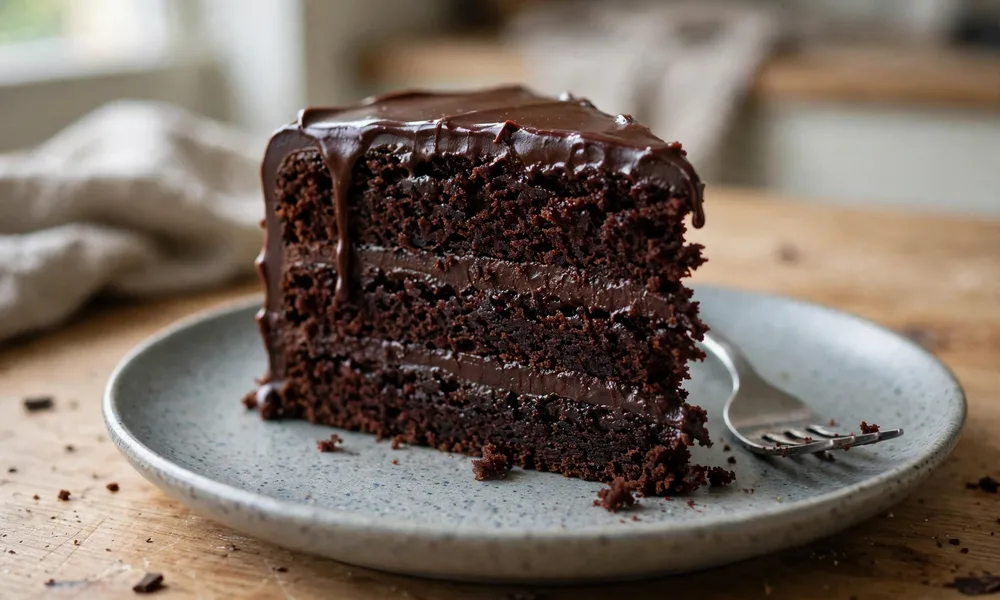
Judging a chocolate cake starts with the first forkful. The crumb should be tender and even, with small, regular holes rather than large tunnels or a dense, heavy texture. It should spring back when pressed, not crumble or squash into a paste. The colour should be deep and dark, not pale or greyish, which usually means too little cocoa. The smell matters too: a good chocolate cake smells rich and slightly bitter, like dark chocolate, not just sweet.
The flavour should arrive in layers. First the chocolate, dark and a little bitter, then a gentle sweetness, and finally a soft richness that lingers rather than cloying. If sugar is the first thing you taste, the cake is under-chocolated; if it tastes flat and dusty, the cocoa was old or cheap. The frosting should taste of chocolate, cream or cheese, not icing sugar alone, and be thick enough to matter but thin enough that the cake is still the star. A cake that is mostly frosting is hiding something.
The Cocoa Question
Cocoa is the single most important ingredient, and there are two kinds worth knowing about. Natural cocoa is acidic, lighter in colour, and gives a sharper, fruitier chocolate flavour. Dutch-processed cocoa has been treated to neutralise the acid, so it is darker, smoother and more mellow, and it is the cocoa behind most bakery chocolate cakes. They are not interchangeable: natural cocoa needs baking soda to rise, while Dutch cocoa works best with baking powder, and swapping them without adjusting the raising agent can leave a cake flat or soapy. The best bakers choose the cocoa for the recipe and say so on the label.
Butter, Oil or Both
The fat in a chocolate cake decides how moist it stays and how it tastes. Butter gives a rich flavour oil cannot match, but a butter cake dries out faster once it cools. Oil gives moisture, a soft crumb that stays tender for days, but it adds no flavour of its own. That is why many of the best chocolate cakes use both, often with sour cream or buttermilk added for tenderness and a gentle tang. Buttermilk also helps the cocoa bloom, deepening the chocolate colour and flavour. A cake made with only cheap oil stays moist but tastes flat, while one made with only butter tastes wonderful on the day and dry by the next morning.
The Best Chocolate Cake Styles in 2026
The classic layer cake is still the benchmark: two or three layers of dark sponge with ganache or buttercream. It suits birthdays because it slices cleanly, serves a crowd, and looks impressive on a stand. The flourless chocolate cake is the opposite: dense, rich and almost truffle-like, made with little or no flour, for dinner parties where a small slice is enough. It is naturally gluten-free and pairs beautifully with cream or berries.
The chocolate fudge cake is the richest of all, with a sticky, brownie-like crumb and thick fudge frosting, for indulgence rather than elegance. Vegan chocolate cake has improved enormously, using oil, plant milk and vinegar instead of eggs and dairy, and the best ones are indistinguishable from a traditional cake. German chocolate cake, despite its name, is American, with a coconut and pecan filling instead of chocolate frosting. A chocolate mousse that stays light, dark and silky in 2026 is a lighter alternative when a full cake feels like too much, and it shares the same rule: the chocolate must be good.
| Style | Crumb | Best For | Flavour Character |
|---|---|---|---|
| Classic layer cake | Tender, even | Birthdays, celebrations | Balanced, dark, crowd-pleasing |
| Flourless chocolate cake | Dense, truffle-like | Dinner parties | Intense, rich, small slices |
| Chocolate fudge cake | Sticky, brownie-like | Indulgence | Very sweet, very rich |
| Vegan chocolate cake | Soft, moist | Mixed diets, everyday | Dark, moist, surprisingly classic |
Baking Chocolate Cake at Home
Baking a chocolate cake at home is more forgiving than most people expect, as long as you respect a few rules. Measure the cocoa properly: too little leaves a pale, weak cake, too much makes it bitter and dry. Bloom the cocoa in hot water or hot coffee before adding it to the batter, which deepens the flavour and darkens the colour. Coffee does not make the cake taste of coffee; it simply makes the chocolate taste more like itself. Use room-temperature eggs and dairy, because cold ingredients mix unevenly and leave a lumpy batter.
Oven temperature is where most home cakes fail. An oven that runs ten degrees hot will dry out a chocolate cake before the centre is set, while an oven that runs cool will leave it sunken. A reliable oven thermometer that fixes uneven baking in 2026 is the cheapest insurance you can buy. Test the cake a few minutes before the recipe says it is done, with a skewer that should come out with a few moist crumbs, not wet batter and not completely clean. A completely clean skewer means the cake is already slightly overbaked. Let the layers cool in their tins for ten minutes, then turn them out, and never frost a warm cake, or the frosting will slide off.

Buying Chocolate Cake From a Bakery
Buying a chocolate cake from a bakery is the best option when you want a reliable result for an event, and a few questions will tell you whether the bakery is worth your money. Ask what chocolate they use and whether the cake is baked on collection day. A bakery that names its chocolate supplier and bakes daily is almost always better than one that cannot answer. Buy a single slice first, because a whole cake is an expensive way to discover you do not like the frosting. A good layer cake feels substantial; a light one for its size is often mostly air.
Supermarket chocolate cakes are convenient and cheap, and a few are genuinely good, especially the ones sold in the bakery section rather than the long-life aisle. The best use real chocolate and butter. The worst are made with flavouring, vegetable fat and preservatives, and they taste sweet without ever tasting of chocolate. A short ingredients list with cocoa, butter, eggs and sugar near the top is a good sign; a long list of emulsifiers and flavourings is not. Store it in a cool place, not the fridge, which dries out the crumb, and bring it to room temperature for an hour before serving. If chocolate cake feels too rich for the occasion, a cheesecake that is creamy, classic and worth every slice in 2026 keeps better and serves just as well.
Frosting and Filling Choices
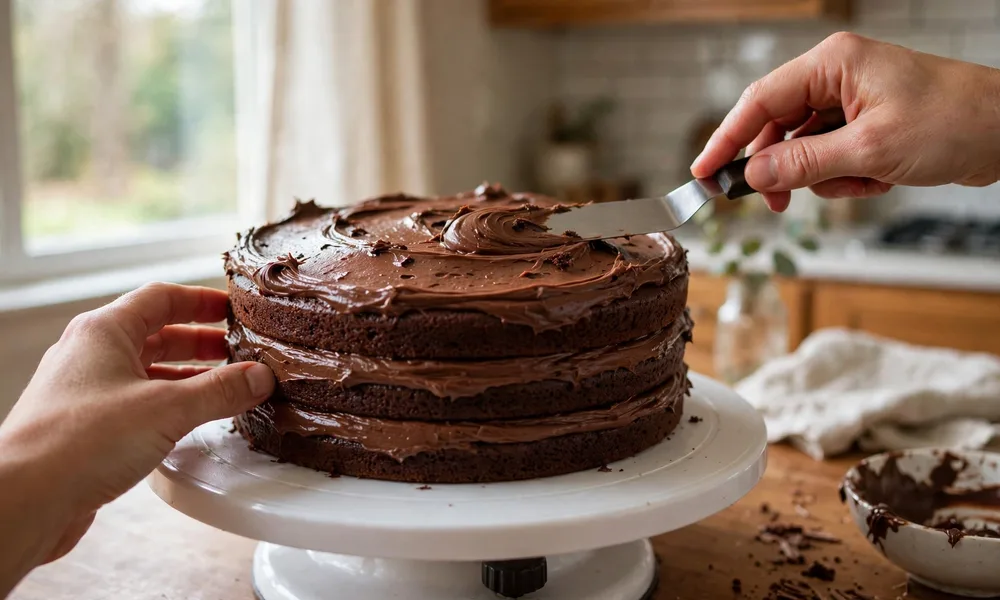
Frosting is the second half of a chocolate cake, and the choice changes the whole experience. Dark chocolate ganache is the best all-round choice: rich, glossy, firm enough to slice cleanly, and matched to the sponge rather than overwhelming it. Chocolate buttercream is lighter and sweeter and suits a classic layer cake, but needs real chocolate and a pinch of salt to avoid tasting like sweetened butter. Cream cheese frosting is tangy and soft, and it works best on lighter chocolate sponges, where its sharpness cuts through the sweetness. Whipped cream is the lightest option, but it does not keep well, so it suits a cake that will be eaten the same day.
Fillings deserve the same attention. A thin layer of raspberry jam between the layers adds brightness, while salted caramel adds a buttery, salty contrast. Add fresh berries on the day of serving, because they weep juice into the frosting overnight. Whatever you choose, keep the frosting layer thinner than the sponge, because a cake should taste of cake first. A simple finish, a smooth ganache with a few chocolate curls, usually looks better than an overloaded decoration.
The Chocolate Cake Checklist
- Crumb is tender, even and moist, and springs back when pressed gently.
- Colour is deep and dark, not pale or greyish, which signals enough cocoa.
- Flavour tastes of real dark chocolate first, with sweetness second, never sugar alone.
- Frosting is thinner than the sponge and tastes of chocolate, cream or cheese.
- Cake was baked within the last day, and the bakery can name its chocolate.
- Slices cleanly, serves the number promised, and still tastes good the next day.
Frequently Asked Questions
Why is my chocolate cake dry?
A dry chocolate cake is usually overbaked, short on fat, or made with too much flour. Check your oven temperature, measure flour by weight, and test a few minutes early: the skewer should come out with a few moist crumbs attached.
Should I use cocoa powder or melted chocolate?
Cocoa powder gives a lighter, more even crumb and a cleaner chocolate flavour, which is why most layer cakes use it. Melted chocolate gives a denser, richer cake, which suits flourless and fudge cakes. Many of the best recipes use both: cocoa for the sponge, melted chocolate in the ganache.
Can you make chocolate cake without eggs?
Yes, eggless and vegan chocolate cakes work well with oil, plant milk, vinegar and baking soda for lift and moisture. The crumb is usually a little denser, but the flavour can be just as deep with good cocoa and a little coffee.
How long does chocolate cake keep?
In an airtight container at room temperature it stays good for two to three days, and often tastes better on the second day as the flavours settle. In the fridge it keeps up to five days if wrapped well.
What frosting goes best with chocolate cake?
Dark chocolate ganache is the best all-round choice, because it matches the sponge without overwhelming it. Buttercream suits a classic layer cake, cream cheese frosting a lighter sponge, and a dusting of cocoa is enough for a flourless cake served with cream.
Is chocolate cake better the next day?
Often, yes. A cake made with oil keeps its moisture, and the flavours deepen overnight. Let it sit at room temperature for an hour before serving, and it will usually taste richer than fresh from the oven.
The Bottom Line
The best chocolate cake in 2026 is not the fanciest on the shelf. It is made with good cocoa, baked just until done, and frosted with restraint: dark, moist, and honest about its flavour. Judge it by the crumb, the chocolate and the balance, and you will rarely go wrong.


