
Cooling Towels That Actually Keep You Cool in 2026
Cooling towels are the simplest way to beat the heat when a fan is not an option and a cold shower is hours away. Soak one in cold water, wring it out, give it a snap, and it stays noticeably cooler than the air around you for an hour or more. The best cooling towels of 2026 do this without dripping down your shirt, without smelling after a single use, and without falling apart after a dozen washes. This guide explains how evaporative cooling towels work, which materials hold a chill longest, and how to pick the right towel for running, outdoor work, and heatwaves.
Key Takeaways
- Evaporative cooling towels work by releasing water slowly, and the material decides how long the chill lasts.
- PVA towels stay cold longest but feel rubbery, while microfibre towels feel softer and dry faster between uses.
- A good cooling towel should stay cool for at least an hour in the shade and reactivate with a quick re-soak.
- Size matters: a towel around 100 by 30 centimetres covers the neck and shoulders without trailing.
- Wash cooling towels after every heavy use and let them dry fully, or they will smell within days.
How Cooling Towels Work
Cooling towels use evaporative cooling, the same process that makes sweat work. When water turns from liquid to vapour, it takes heat with it. A cooling towel holds a measured amount of water in its fibres and lets it evaporate gradually, so the surface of the towel stays several degrees below the surrounding air.
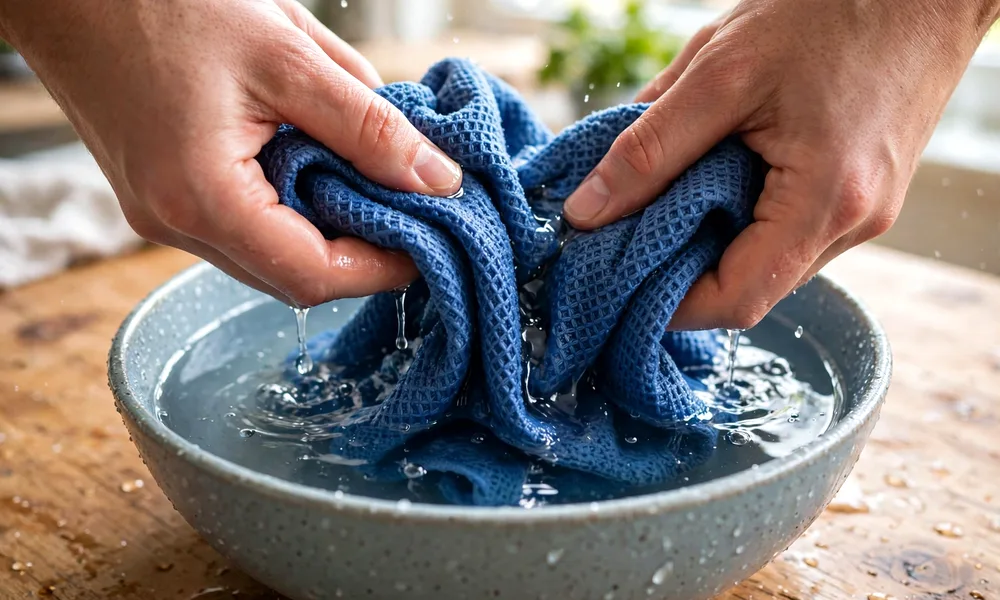
Three steps activate any cooling towel. First, soak it in cold water for a minute or two so the fibres take up as much water as they can hold. Second, wring it out gently until it stops dripping; a towel that drips is carrying water it cannot hold, and that water will end up on your clothes rather than cooling you. Third, snap it sharply in the air a few times. The snap shakes loose water off the surface and starts the evaporation that makes the towel feel cold. When the chill fades, usually after an hour or two, repeat the same three steps and the towel is cold again.
Humidity sets the limit. Evaporation works fastest in dry air, so a cooling towel feels coldest on a dry, breezy day and less dramatic in heavy humidity. It still helps there, because the towel is cooler than your skin, but nobody should expect a towel to replace shade, water, and rest on a genuinely dangerous hot day.
PVA, Microfibre or Mesh: Which Material Cools Longest
Most cooling towels are made from one of three materials, and each one trades cooling time against comfort. PVA, or polyvinyl alcohol, is the sponge-like material that feels slightly rubbery when dry and soft and cool when wet. It holds the most water and stays cold longest, often two hours or more in the shade. Its downside is the feel: dry PVA goes stiff, so the towel must be kept slightly damp in its case.
Microfibre is the softest option and the easiest to live with. It feels like a normal lightweight towel, folds small, dries fully between uses, and survives the washing machine without fuss. It does not hold quite as much water as PVA, so it usually cools for around an hour before it needs a re-soak, but for most people that is enough, and the comfort is worth the shorter chill. Mesh cooling towels sit between the two: a loose open weave that lets air through and dries fast, but holds the least water and cools for the shortest time.
The Best Cooling Towels of 2026
After comparing the main materials, sizes, and designs, five cooling towels stood out for different jobs. The table below gives a quick overview.
| Towel | Best for | Material | Cooling time | Price |
|---|---|---|---|---|
| ChillCore PVA Cooling Towel | Longest chill | PVA | Up to 2 hours | £12–£18 |
| SoftDry Microfibre Cooling Towel | Best all-round | Microfibre | Around 1 hour | £8–£14 |
| AirMesh Light Cooling Towel | Running | Mesh | 45–60 minutes | £7–£12 |
| TrailCool XL Cooling Towel | Outdoor work | PVA blend | Up to 2 hours | £10–£16 |
| CoolWrap Neck Cooling Towel | Best for necks | Microfibre | Around 1 hour | £6–£11 |
Best for Longest Chill: ChillCore PVA Cooling Towel
This PVA towel is the one to buy when cooling time matters more than anything else. Soaked and snapped, it stays cold for close to two hours in the shade, and a quick dip in a water bottle brings it straight back. Keep it slightly damp in its carry tube between uses, because a fully dried PVA towel goes stiff and needs a good soak before it softens again.
Best All-Round: SoftDry Microfibre Cooling Towel
The microfibre SoftDry is the easiest cooling towel to live with, and for most people it is the right first buy. It feels like a normal soft towel, folds down to pocket size, and dries fully overnight so it never goes stiff or musty in the drawer. It cools for around an hour before it needs a re-soak, which covers a gym session or a walk in the sun, and it washes like any other towel.
Best for Running: AirMesh Light Cooling Towel
Runners need a towel that stays put and does not bounce, and the lightweight mesh AirMesh does that better than the heavier PVA options. It sits flat around the neck, lets air through, and cools for 45 minutes to an hour, which covers most training runs. The trade-off is cooling time: on a very long run it will need a re-soak at a water fountain, so carry a small bottle if you plan to be out for hours.
Best for Outdoor Work: TrailCool XL Cooling Towel
Outdoor workers need coverage as much as cooling, and the XL TrailCool is longer and wider than a standard towel, so it covers the neck, shoulders, and upper back at once. The PVA blend holds water well and survives being soaked, wrung, and snapped several times a day. It comes with a hard carry case that keeps it damp on site, which matters when the nearest tap is a long walk away.
Best for Necks: CoolWrap Neck Cooling Towel
The CoolWrap is narrower than a standard cooling towel and shaped to sit around the neck without bunching under a collar or a hard hat strap. It is microfibre, so it feels soft against the skin all day, and it reactivates with a splash from a water bottle rather than a full soak.
How to Use a Cooling Towel Properly
Most cooling towels disappoint because they are used wrong, not because they are badly made. The common mistake is soaking the towel and draping it on without wringing or snapping. A sopping towel drips, feels heavy, and cools unevenly. Wring it until it stops dripping, then snap it three or four times to start the evaporation that makes the towel feel cold rather than merely wet.
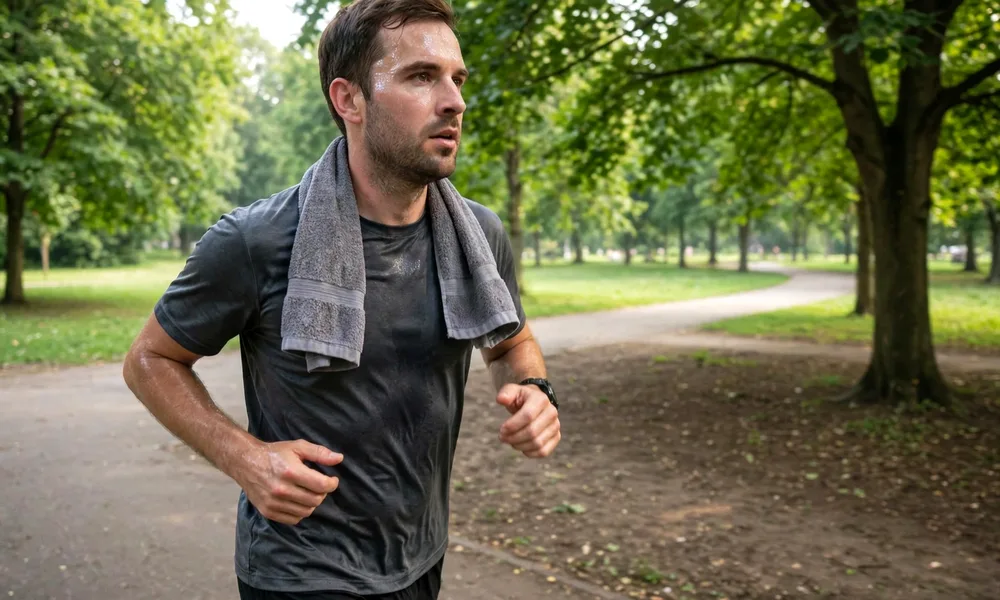
Placement matters too. The back of the neck is the best spot, because the skin there is thin and blood flows close to the surface, so cooling it feels effective fast. The forehead and the insides of the wrists work well too. Drape the towel over the shoulders rather than wrapping it tight, because airflow across the towel keeps evaporation going.
Reactivation is simple and worth doing early. Do not wait until the towel is bone dry and warm; re-soak it as soon as the chill starts to fade, while it is still damp. A damp towel reactivates in seconds, while a fully dried one needs a proper soak.
Cooling Towels for Running, Work and Heatwaves
Running and Training
For running, weight and fit beat maximum cooling time. A light mesh or microfibre towel that sits flat around the neck will get used on every run, while a heavy PVA towel will be left at home after the first bounce. Pair it with a good gym towel for the shower afterwards, since a cooling towel is for cooling, not for drying off.
Outdoor Work and Gardening
For outdoor work, size and durability matter most. A long towel that covers the shoulders protects the neck from sun as well as cooling it, and a tough PVA blend survives daily soaking and wringing. Take two towels and rotate them: one on your neck, one soaking in a bucket in the shade.
Heatwaves and Holidays
In a heatwave, a cooling towel earns its place in every bag. Keep one in the fridge before a journey so it starts cold, and re-soak it at every tap or fountain you pass. On the beach, a cooling towel is a useful extra alongside a proper towel for drying: the beach towel handles sand and swimming, while the cooling towel handles the heat between swims.
Caring for a Cooling Towel
Cooling towels need a little more care than ordinary towels. Rinse them after every heavy use, especially after sweating into them, and wash them regularly with mild detergent. Skip fabric softener, which coats the fibres and reduces how much water they can hold. Let the towel dry fully between uses, because a damp towel left balled up in a bag will smell within a day or two.

Checklist: Buying a Cooling Towel
- Pick PVA for the longest chill, microfibre for comfort and easy washing, mesh for running.
- Check the size: around 100 by 30 centimetres covers neck and shoulders without trailing.
- Make sure it reactivates with a quick soak and snap, not a long wait.
- Look for stitched edges and a carry case, which add real life to a hard-wrung towel.
- Buy two so one can soak while the other cools, on long hot days.
- Wash before first use and skip fabric softener, which blocks the fibres.
Frequently Asked Questions
How long does a cooling towel stay cold?
Most cooling towels stay noticeably cool for 45 minutes to two hours, depending on the material, the temperature, and the humidity. PVA towels last longest, mesh towels shortest. A quick re-soak brings the chill straight back.
Do cooling towels work in humidity?
They work less dramatically in high humidity, because evaporation slows when the air is already full of moisture. The towel will still feel cooler than your skin, but it will not feel icy the way it does on a dry day.
Can I put a cooling towel in the fridge?
Yes. Chilling a damp cooling towel in the fridge before use makes it feel colder at first, and it is a good trick before a run or a journey. Do not freeze it solid, or the fibres can be damaged.
How do I wash a cooling towel?
Hand wash or machine wash on a gentle cycle with mild detergent, then hang it to dry. Skip fabric softener and bleach, which damage the fibres. PVA towels should be stored slightly damp in their case, while microfibre and mesh towels should be dried fully.
Are cooling towels safe for children?
Yes, for children old enough to tell you if they feel too cold, and always with adult supervision. Use a smaller, lighter towel, keep it off the face, and never wrap it tightly around a small child’s neck.
What is the difference between a cooling towel and a gym towel?
A cooling towel is made to hold water and release it slowly so evaporation cools your skin, while a gym towel is made to absorb sweat and dry you off. They do opposite jobs, and the best bath towels are different again: thick and plush for drying after a shower, not for cooling.
The Bottom Line
The best cooling towel in 2026 is the one that matches how you will actually use it. PVA wins for the longest chill on long hot days, microfibre wins for everyday comfort and easy washing, and a light mesh towel wins for running. Whichever you choose, soak it, wring it, snap it, and re-soak it before it dries out.


