
A Guide to the Best Earmuffs for Winter Warmth in 2026
The best earmuffs for winter in 2026 solve a small problem that ruins a surprising number of cold days: ears are thin, exposed and full of blood vessels close to the surface, so they sting in a cold wind long before the rest of you feels cold. A good pair of earmuffs covers the whole ear with a soft, windproof pocket of warm air, stays put through a walk or a commute, and folds small enough to live in a coat pocket. A bad pair slips off, pinches, itches, or looks warm while letting the cold straight through.
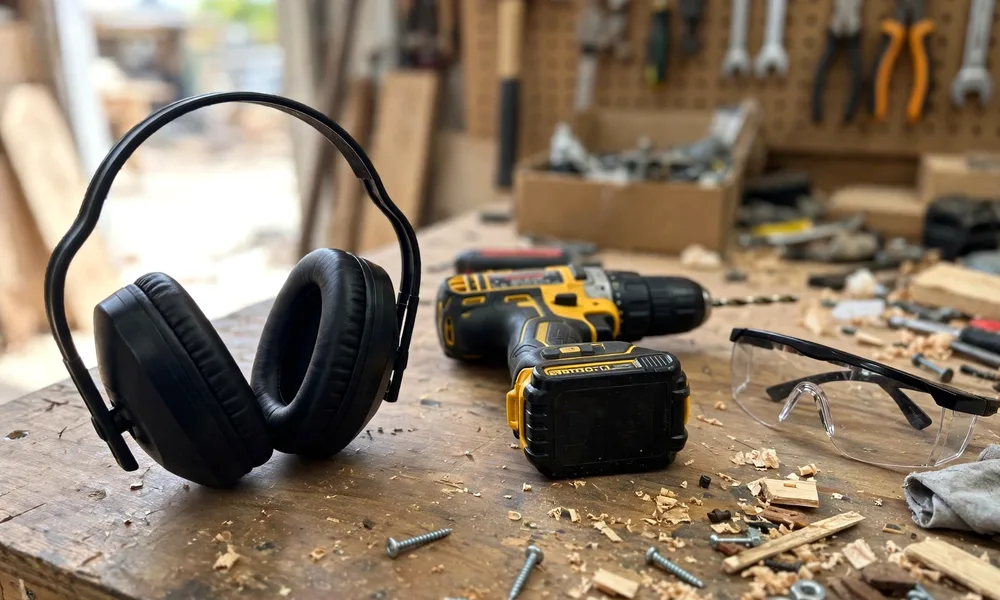
It helps to be clear about what this guide covers. Most people who search for earmuffs mean cold-weather ear warmers: fleece, knit and foldable muffs for walking, commuting and winter days out. That is what the seven picks below are. Noise defenders are a different job. They are built to block loud sound at work, and they are judged on noise ratings, not warmth. Our guide to the best ear protection covers slim defenders for the workshop and garden in full, and this guide points you there whenever noise, rather than cold, is the problem.
We judged every pair here on warmth in cold wind, wind resistance, fit and staying power, comfort over a long wear, and how small the pair folds for a pocket or bag. The picks below cover everyday walking, deep cold, glasses wearers, noise defenders and tight budgets.
Key takeaways
- Cold ears sting because they are thin and exposed: a windproof earmuff that covers the whole ear beats a thick hat that leaves the earlobes out.
- Warmth comes from a full seal, not thickness alone: a fleece muff that sits flush against the head keeps out the draughts a loose knit one lets in.
- The band matters as much as the cups: an adjustable band that fits your head keeps the muffs in place, while a fixed band slips or pinches.
- Foldable earmuffs are the ones you actually carry: a pair that folds flat lives in a coat pocket, and a bulky pair gets left at home.
- If noise is the problem, not cold, buy a defender, not a warmer: earmuffs for warmth do not block workshop noise, and defenders are not built for winter walks.

How we judged warmth, fit and foldability
Every pair here was tested on the same five points: warmth standing still in cold wind, wind resistance, fit, comfort over an hour, and foldability. A pair earns a recommendation only when it keeps ears warm and stays put without pressing hard on the head. The warmest muff in the shop is useless if it slips off on the first walk, and the comfiest pair is useless if the wind cuts straight through it.
The best earmuffs at a glance
| Earmuffs | Best for | Warmth | Folds flat | Approx. price |
|---|---|---|---|---|
| Fleece foldable earmuffs | Everyday walking | High | Yes | $15–$35 |
| Knit earmuffs | Everyday style | Medium–high | Yes | $12–$30 |
| Behind-the-head earmuffs | Hats and hairstyles | High | Yes | $15–$35 |
| Windproof technical earmuffs | Deep cold and wind | Very high | Yes | $25–$55 |
| Adjustable-band earmuffs | Glasses wearers | High | Yes | $20–$45 |
| Electronic noise defenders | Loud work, not cold | Low | Some | $40–$120 |
| Budget fleece earmuffs | Mild cold, spares | Medium | Yes | $8–$15 |
The 7 best earmuffs in 2026
1. Best overall: fleece foldable earmuffs
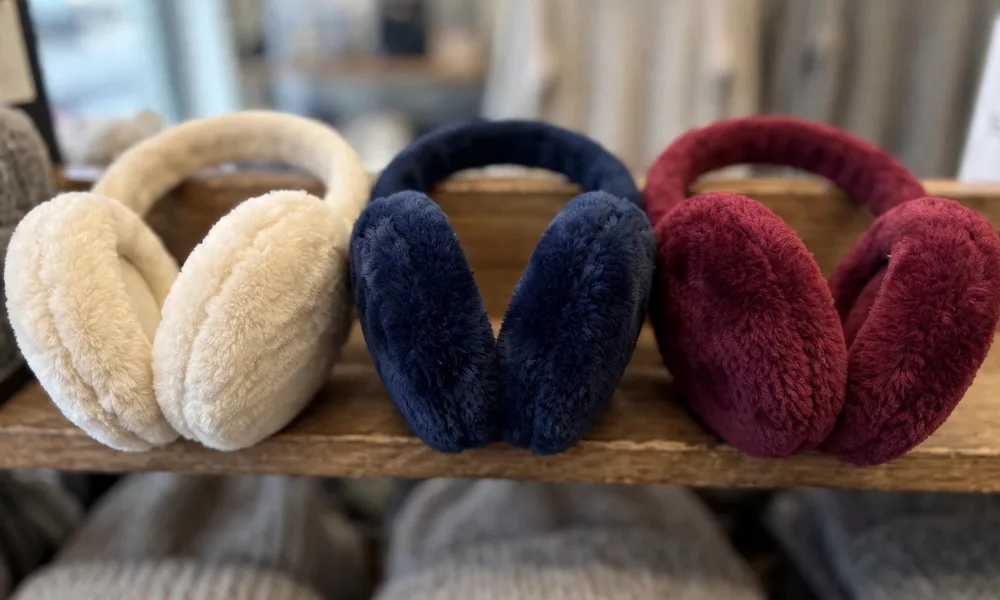
The fleece foldable earmuff is the best all-round winter earmuff because it does the simple job well and disappears when you do not need it. Soft fleece cups sit flush over the whole ear, a windproof backing stops a cold breeze cutting through, and the band folds flat so the pair slips into a coat pocket. They are warm enough for commuting and dog walks, and light enough to forget you are wearing them.
2. Best for everyday style: knit earmuffs
Knit earmuffs are the pair that looks like part of your outfit rather than a piece of kit. A cable-knit outer over a soft fleece lining gives the warmth of a knit hat for the ears alone, and they come in the same colours as the scarves and hats they sit next to. They are warm enough for a walk to the shops, and they fold flat for a bag. They are not windproof, so they suit dry cold rather than a biting wind.
3. Best with hats: behind-the-head earmuffs
Behind-the-head earmuffs solve the oldest earmuff problem: the band ruins your hair and fights your hat. The band sits behind the neck instead of over the head, so it works with a beanie, a ponytail or a hairstyle you want to keep, and nothing presses on the top of your head. The cups sit close and slim, and the whole thing weighs less than most over-head pairs.
4. Best for deep cold: windproof technical earmuffs
Deep cold is a different problem from ordinary winter, and the windproof technical earmuff is built for it. A windproof membrane under a soft outer stops the wind dead, a thick fleece or faux-fur lining holds warm air against the ear, and an adjustable band keeps the seal tight even when you are moving. These are the earmuffs for exposed walks, for winter sports and for anyone whose ears ache within minutes of stepping outside.
5. Best for glasses wearers: adjustable-band earmuffs
Glasses wearers have the hardest time with earmuffs, because the cups press the glasses arms into the side of the head and break the seal. The best pair for glasses is an adjustable-band muff with soft, wide cups that mould around thin glasses arms instead of fighting them, and a band you can loosen a notch so the pressure stays gentle. Try them on with your own glasses before you buy.
6. Best for loud work: electronic noise defenders
This pick is here because it is the one people confuse with a winter earmuff, and it is not one. Electronic defenders use microphones to let speech through while blocking sudden loud noise, and they suit shooting and site work, but they are built for sound, not for cold. The cups are hard plastic and the seals are stiff, so they do little to keep ears warm. If loud work is the problem, buy a defender and read our guide to the best ear protection first.
7. Best budget pick: fleece earmuffs
Budget fleece earmuffs are the cheapest way to stop your ears stinging on a cold morning. They are light, they dry fast, they fold flat into a pocket, and they are warm enough for mild frost and for short walks. What they cannot do is block a strong wind or keep out rain, so they are a fair-weather winter muff rather than a storm muff. At this price you can keep a spare pair in the car, one in the coat and one in the bag.
Earmuffs vs earplugs vs beanies
These three solve three different problems, and mixing them up is the most common buying mistake. Earplugs sit inside the ear canal and block noise; they do nothing for cold. Our guide to the best earplugs covers foam, filtered and mouldable plugs for sleep, work and concerts. Earmuffs sit over the ear and keep it warm; they block some wind noise as a side effect, but they are not hearing protection. Beanies cover the top of the head and the tops of the ears, but they leave the earlobes exposed, which is where the cold bites first. Many people wear both, which is warmer than either alone. Our guide to the best beanies covers the warmest winter styles if you want to pair the two.
Fit: how earmuffs should sit
An earmuff should cover the whole ear, with the cup sitting flush against the head all the way round. If you can feel cold air at the bottom of the cup, the pair is too small or the band is too loose. The band should hold the cups in place without pressing hard: if it hurts after ten minutes, it will hurt after an hour. Try the pair on with your glasses, your hat and your hair as you normally wear it. A pair that slips when you look down will slip on every walk you take.
Looking after your earmuffs so they last
Earmuffs last for years with almost no care, but a little attention helps. Let damp fleece dry at room temperature, never on a radiator, and brush the cups lightly to keep the fleece soft. Wash removable covers by hand in cool water and dry them flat. Keep the folding joints clean, because grit in the hinge is what makes a foldable pair go stiff.
Before you buy checklist
- Match the muff to the job: fleece or knit for cold walks, windproof technical for deep cold, defenders for loud work.
- Check the seal: the cups should cover the whole ear with no gap at the bottom where cold air gets in.
- Test the band: it should hold the cups in place without pressing hard, and it should adjust to your head.
- Try them with your glasses and hat on, and walk around for a few minutes before you decide.
- Fold them flat: if they do not fold, they will live at home instead of in your pocket.
- Buy a spare budget pair for the car or bag, because earmuffs are easy to lose and miserable to be without.
Frequently asked questions
Are earmuffs warmer than a beanie?
For the ears, yes. A beanie covers the top of the head and the tops of the ears, but it leaves the earlobes exposed, and the earlobe is where the cold bites first. Earmuffs cover the whole ear with a sealed pocket of warm air.
Can earmuffs replace ear defenders at work?
No. Winter earmuffs are built for warmth, not for noise, and they have no noise reduction rating. Workshop noise needs a proper defender with a rated seal. If loud work is the problem, buy a defender, not a winter muff.
Do earmuffs work with glasses?
Yes, if you choose the right pair. Look for adjustable-band earmuffs with soft, wide cups that mould around thin glasses arms. Try them on with your own glasses first.
Will earmuffs ruin my hairstyle?
Over-head bands can flatten hair, which is why behind-the-head earmuffs exist: the band sits behind the neck, so it works with a ponytail or a styled fringe. Knit earmuffs with a slim band are the next best option.
How do I clean fleece earmuffs?
Brush the cups lightly, and wash removable covers by hand in cool water, then dry them flat. Let damp fleece dry at room temperature, never on a radiator.
Are earmuffs good for running in winter?
Yes, especially behind-the-head styles, which stay put and do not bounce. Look for a windproof pair with a snug band, and avoid bulky cups that move when you run. They also keep wind noise down, which makes a cold run far more pleasant.
The bottom line
The best earmuffs of 2026 are the ones you actually carry and actually wear. For everyday winter walking, fleece foldable earmuffs are warm, light and pocket-sized, and they are the pair to buy first. For deep cold and wind, only a windproof technical pair will do. For hats and hairstyles, go behind the head. And if the problem is noise rather than cold, buy a proper defender instead. Buy them before the cold arrives, keep a spare pair in the car, and the winter walk stops being something you hurry through.


