
Best Toilet Papers for Comfort, Strength and Septic Safety in 2026
Toilet paper is the most-used product in the bathroom and the least thought about until it goes wrong. The best toilet papers of 2026 are soft enough for sensitive skin, strong enough not to tear mid-use, and kind enough to pipes and septic tanks that you never have to think about them. The worst ones feel like sandpaper, fall apart when wet, or clog a drain that was working fine the day before. This guide compares ply, softness, strength, and septic safety, and explains how to read a roll label so you stop paying for air.
Key Takeaways
- Two-ply toilet paper is the best balance of softness and strength for most homes.
- Softness comes from the fibres and the embossing, not from lotions or perfumes.
- Septic-safe paper breaks down fast in water, which matters for old pipes and septic tanks.
- Cost per sheet, not cost per roll, is the only fair way to compare rolls.
- Recycled and bamboo toilet papers now match virgin paper on softness for everyday use.
What Makes a Good Toilet Paper
A good toilet paper has to do three things at once: feel soft, hold together when wet, and break down quickly once flushed. Those three jobs pull in different directions, which is why no single paper is perfect for everyone. Softness comes from short, fluffy fibres and a loose, airy sheet. Strength comes from longer fibres and a tighter bond between plies. Fast breakdown comes from fibres that separate easily in water.
Ply is the first thing to check. One-ply paper is a single thin sheet: it breaks down fastest and costs least, but it feels rough and you use more of it. Two-ply paper bonds two sheets together, which is why it feels softer and stronger while still breaking down well. Three-ply paper is the softest and thickest, but it uses more material per sheet, costs more, and breaks down slowest. For most homes, two-ply is the sweet spot.
Sheet size and roll length matter just as much as ply. A roll with 200 large sheets lasts far longer than a roll with 350 tiny ones, and a fat roll that does not fit your holder is no bargain at any price. Check the sheet count and the sheet size on the pack, divide the price by the number of sheets, and you have the cost per sheet.

The Best Toilet Papers of 2026
After comparing ply, softness, strength, breakdown speed, and cost per sheet, five toilet papers stood out for different homes. The table below gives a quick overview.
| Paper | Best for | Ply | Septic safe | Cost per sheet |
|---|---|---|---|---|
| CloudSoft Two-Ply | Best all-round | 2-ply | Yes | About 1p |
| VelvetTouch Three-Ply | Softest feel | 3-ply | Yes | About 2p |
| EcoRoll Recycled | Best recycled | 2-ply | Yes | About 1p |
| BambooFresh | Best bamboo | 3-ply | Yes | About 2p |
| ValueOne Single-Ply | Best budget | 1-ply | Yes | Under 1p |
Best All-Round: CloudSoft Two-Ply
CloudSoft is the paper to buy if you only want to think about toilet paper once. Two plies give it a soft feel without the thickness that troubles old pipes, and it breaks down quickly in water, so it suits septic tanks as well as mains drains. The sheets are a generous size, the rolls fit a standard holder, and the cost per sheet is low enough that a bulk pack lasts a family for weeks.
Softest Feel: VelvetTouch Three-Ply
VelvetTouch is the luxury pick. Three plies and a deep emboss make it noticeably softer than any two-ply paper, and it holds together well when wet, so you use fewer sheets per visit. The trade-off is price and breakdown speed: it costs roughly twice as much per sheet as CloudSoft, and it dissolves more slowly, so it is a poor choice for a septic tank or very old narrow pipes.
Best Recycled: EcoRoll Recycled
Recycled toilet paper used to mean rough and grey. EcoRoll is neither. It is made from 100 percent recycled fibre, yet it feels close to a standard two-ply paper, and it breaks down fast, which makes it a strong choice for septic systems. The sheets are slightly less bright white than virgin paper, which bothers nobody after the first day.
Best Bamboo: BambooFresh
Bamboo grows fast without replanting and needs little water, which is why bamboo toilet paper has become popular. BambooFresh is a three-ply bamboo paper that feels soft and strong, with long bamboo fibres that hold together well when wet. It costs more than recycled paper and the rolls are slightly slimmer, so check the sheet count before you compare prices.
Best Budget: ValueOne Single-Ply
ValueOne is a plain single-ply paper, and it makes no apology for it. It is the cheapest per sheet by a clear margin, it breaks down fastest in water, and it is the safest paper for an old septic system or a drain that has blocked before. The feel is firmer and you will use more sheets per visit, so fold rather than scrunch to get the most from each sheet.
Softness, Strength and Sensitive Skin
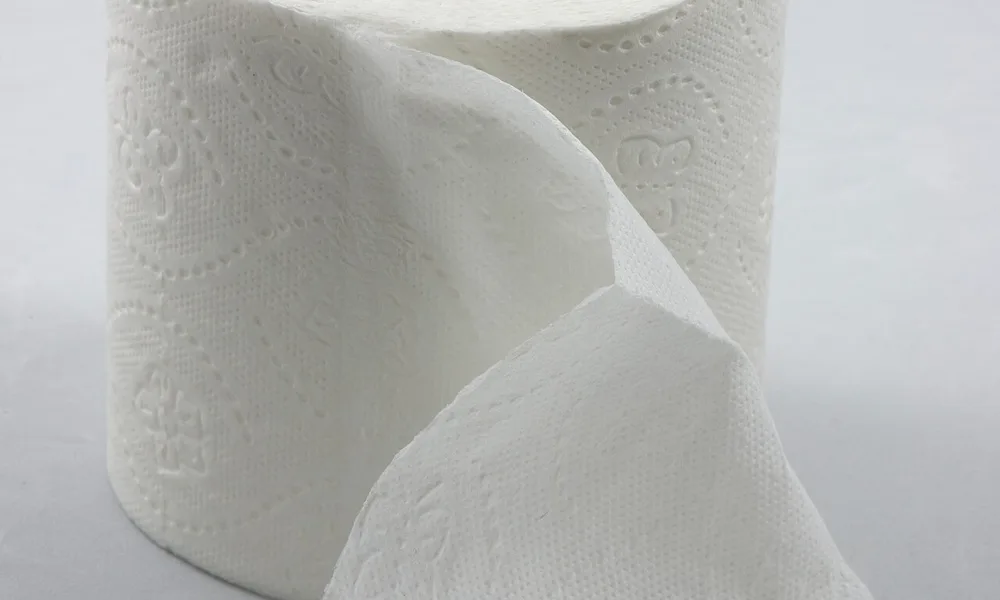
Softness is mostly about the fibre. Virgin wood pulp makes the softest sheets, because the fibres are long, clean, and fluffy. Recycled fibre is slightly shorter and stiffer, which is why recycled paper used to feel rougher, though modern recycled papers have closed most of that gap. Bamboo fibre sits between the two: long and strong, with a smooth feel.
Embossing is the pattern pressed into the sheet, and it does real work. It traps air between the plies, which makes the paper feel thicker and softer, and it gives the sheet grip so it does not slide. A deep, even emboss is a good sign; a faint or patchy emboss usually means a thinner, cheaper sheet. Lotions and perfumes are a different matter: a coating can help sensitive skin, but scented paper can irritate it, so anyone with sensitive skin should choose an unscented paper first.
Strength is easy to test at home. Take one sheet, wet it, and pull gently. A good two-ply sheet holds together long enough to use; a poor one falls apart in your hand. Wet strength matters most for anyone who uses a bidet alongside paper, because a sheet that disintegrates when wet is useless the moment it gets damp.
Septic Safety and Old Plumbing
Septic-safe is not a marketing word. It means the paper breaks apart quickly in water, so it does not sit in a tank or a narrow pipe and build up. You can test any paper in a jar: put a few sheets in water, shake for ten seconds, and see how far it has broken down. A septic-safe paper falls apart into small fibres; a slow paper stays in large sheets.
Old plumbing deserves the same caution. Houses with narrow pipes, long runs to the main drain, or a history of blockages should use a fast-breaking paper and avoid the thickest three-ply options, however soft they feel. Using less paper per visit helps more than any brand change: fold a few sheets neatly rather than wrapping a long strip around your hand.
A bidet changes the calculation. With a bidet attachment doing most of the cleaning, you need far less paper, so even a premium three-ply paper becomes affordable and septic-friendly in practice.
How to Read a Roll Label
Roll labels are designed to make every paper look like a bargain, so read the numbers, not the claims. Sheet count is the first number: a roll with 240 sheets is worth more than a roll with 180 sheets at the same price, whatever the pack says about softness. Sheet size is the second: a sheet 11 by 10 centimetres covers more than a sheet 10 by 9, and small sheets mean you use more of them. Roll diameter is the third: a jumbo roll that does not fit your holder will sit on the floor, so measure first using the guide to toilet paper holders.
Finally, watch for the pack-size trick. A 24-pack of small rolls can cost more per sheet than a 12-pack of large ones, and a “mega roll” is only a bargain if the sheet count backs it up. Work out the cost per sheet before you buy, and the best value usually becomes obvious in seconds.
Storing Toilet Paper and Cutting Waste
Toilet paper keeps best in a dry place. A damp bathroom cupboard can make rolls feel limp and can even grow mould on the cardboard core, so store bulk packs in a dry cupboard or a hallway shelf and keep only a few rolls in the bathroom itself.
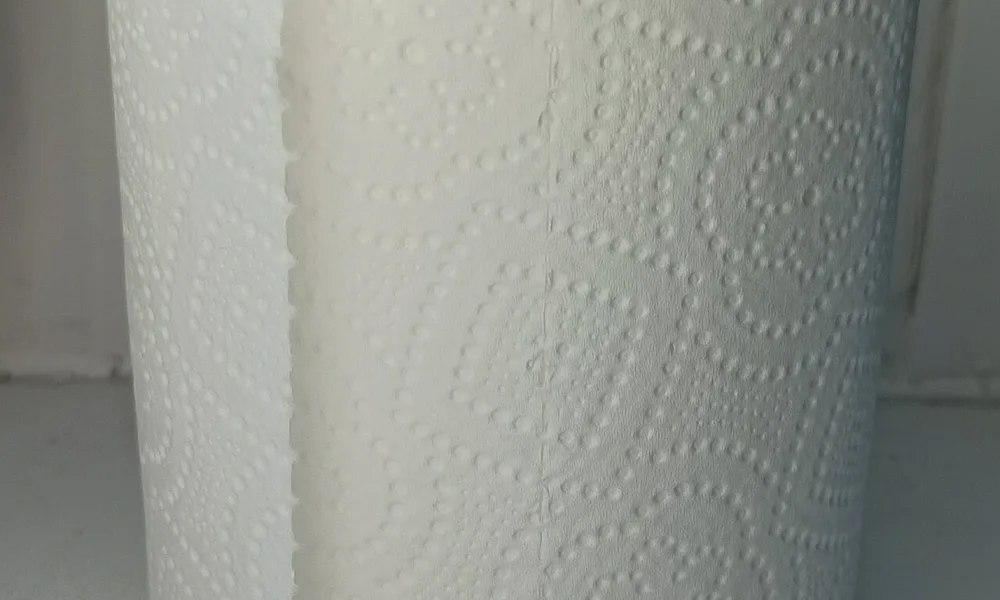
Cutting waste is mostly about habit. A folded stack of four to six sheets does the job for most visits, and a wall-mounted holder that lets the paper tear cleanly at the perforation wastes less than a roll that unravels. Teaching children to count sheets is the single most effective way to make a bulk pack last, and it costs nothing.
Do not flush anything that is not toilet paper. Wet wipes, cotton pads, and kitchen roll do not break down like toilet paper, even when the pack says flushable, and they are a leading cause of blocked drains. Paper towels belong in the bin, not the toilet, however similar they look to toilet paper.
Checklist: Buying Toilet Paper
- Choose two-ply for the best balance of softness, strength, and breakdown speed.
- Compare cost per sheet, not cost per roll or per pack.
- Pick a septic-safe paper if you have a septic tank or old narrow pipes.
- Check the roll fits your holder before buying jumbo or mega rolls.
- Choose unscented paper first if anyone in the house has sensitive skin.
- Store bulk packs somewhere dry, and keep only a few rolls in the bathroom.
Frequently Asked Questions
How many plies is best for toilet paper?
Two plies suit most homes. One ply is cheapest and breaks down fastest, which suits septic tanks and old pipes, while three ply is softest but costs more and dissolves slowest. Two ply is the middle ground that does everything well enough.
Is recycled toilet paper as soft as normal toilet paper?
Modern recycled toilet paper is close. The fibres are shorter than virgin pulp, so it feels very slightly firmer, but the best recycled papers are comfortable for everyday use, and most people cannot tell the difference after a day or two.
What does septic-safe toilet paper mean?
It means the paper breaks apart quickly in water, so it does not build up in a septic tank or a narrow drain. You can test it in a jar of water: a septic-safe paper falls apart into small fibres after a short shake, while a slow paper stays in large sheets.
How do I work out the cheapest toilet paper?
Divide the pack price by the total number of sheets to get the cost per sheet. Compare that number between packs, and check the sheet size too, because small sheets mean you use more of them per visit.
Does soft toilet paper block drains?
Very thick three-ply paper can trouble old or narrow drains because it breaks down slowly, but a good two-ply paper rarely causes problems. If your drains have blocked before, use a fast-breaking paper and fold a few sheets rather than wrapping a long strip around your hand.
Does bamboo toilet paper really help the environment?
Bamboo grows quickly without replanting and uses less water than tree farming, so bamboo paper has a smaller footprint than virgin wood-pulp paper. It costs more, and the rolls are often slimmer, so compare the cost per sheet before you switch.
The Bottom Line
The best toilet paper in 2026 is the one that fits your home, not the softest one on the shelf. Two-ply paper suits most households, a fast-breaking paper suits septic tanks and old pipes, and recycled or bamboo paper suits anyone who wants a smaller footprint without giving up comfort.


