
The Best Balaclavas for Cold Weather, Skiing and Everyday Winter in 2026
The best balaclavas are the ones you forget you are wearing. They keep your head, neck, ears and face warm in one piece, block the wind that sneaks through a hat and scarf, and stay put when you move. The worst ones itch, steam up your glasses, or slide down over your eyes. This guide explains how to pick the best balaclavas for 2026, for the slopes, the school run, the commute or a cold-weather run.
Key Takeaways
- Fit matters more than fabric: a balaclava should sit snug against your face without pressing on your nose or sliding over your eyes.
- Merino wool is the warmest and least sweaty choice for everyday wear, while fleece is the best budget pick for short, bitterly cold outings.
- Windproof panels over the nose, cheeks and forehead separate a good balaclava from a warm hat with a neck tube.
- A hinged design lets you pull the face panel down indoors, the most useful feature for commuting.
- Wash it after every two or three wears, and after every wear if you have sweated in it.
What Makes a Good Balaclava
A balaclava looks simple, but five details decide whether it is a joy to wear or a daily annoyance. The first is coverage: a good one covers the head, ears, neck and lower face, leaving the eyes clear. Too wide, and cold air pours in; too narrow, and it tugs at your eyes and fogs your glasses. Try it on with the coat and eyewear you will actually use.
The second detail is the fabric. Merino wool stays warm even when damp, breathes well and resists smells. Fleece is warmer for its weight and cheaper, but it holds sweat and feels clammy indoors. Technical synthetics wick moisture fastest, which matters for skiing and running, but the cheapest feel plasticky. For most people, merino is the best choice, with a windproof panel over the face. The other details are the seams (flatlock lie flat; raised seams chafe), neck length (look for one that reaches down the chest, so no cold gap opens above your collar), and a breathable mesh panel over the mouth, which keeps the fabric drier and your glasses clearer than a solid panel.
The Main Types of Balaclava, Compared
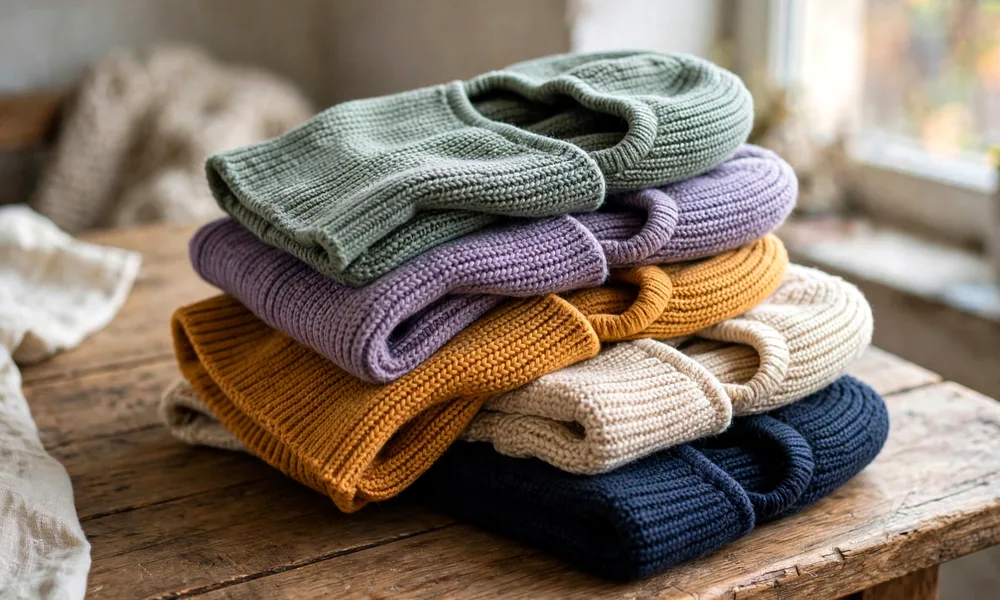
Balaclavas fall into five broad types. A knitted wool balaclava is the classic: warm and soft, but it soaks up snow and dries slowly. A fleece balaclava is lighter and cheaper, but it can pill and hold odours. A technical merino balaclava is the best all-rounder: warm, breathable and odour-resistant, at a higher price. A windproof balaclava adds a face membrane for exposed conditions, and a hinged one folds its face panel down into a neck warmer, the most flexible choice for commuting.
| Type | Best for | Warmth | Watch out for |
|---|---|---|---|
| Knitted wool | Everyday winter | High | Slow to dry |
| Fleece | Short cold outings | High | Holds sweat |
| Merino technical | All-day wear | High | Costs more |
| Windproof shell | Skiing and cycling | Very high | Can feel stiff |
| Hinged or convertible | Commuting | Medium to high | Hinge seam can rub |
Balaclavas for Skiing and Snowboarding
On the slopes, a balaclava has a harder job than anywhere else: it must sit flat under a helmet, meet the goggles with no gap, keep the face warm at speed, and let you breathe hard without soaking through. A thin technical balaclava beats a chunky knitted one here: thick knit bunches under a helmet and leaves pressure points on the forehead. Look for a slim merino or synthetic balaclava with a windproof face panel and a mouth vent, and try it on with your helmet and goggles first.
The gap between the goggles and the balaclava is the classic cold spot: too low, and a strip of forehead freezes; too high, and it pushes the goggles up and lets snow in. The fix is a long face panel that tucks under the goggle frame; a hinged design lets you drop the panel on the lift and pull it back up for the run. Breathability matters too: a balaclava that traps moisture will be wet by lunchtime, and a wet balaclava is colder than none at all. If you ski hard, carry a spare.
Balaclavas for Everyday Winter
For everyday winter, the balaclava earns its place on the coldest mornings: the walk to the station, the school run, the dog walk, the wait at a bus stop. A knitted wool or merino balaclava is the right pick here, because comfort matters more than windproofing for an hour or two of wear. Choose a soft, non-itchy knit in a colour you will actually wear with your coat.
The biggest everyday advantage over a hat and scarf is that nothing comes loose: a scarf unwinds and a hat slips, but a balaclava stays exactly where you put it. For the commute, a hinged balaclava is worth the small extra cost: pull the face panel down indoors and it becomes a neat neck warmer, so you do not arrive at your desk sweating.
Balaclavas for Running and Cycling
Runners and cyclists need a balaclava that breathes: the body heats up fast even in freezing air. A lightweight technical balaclava is the answer: thin enough to sit under a helmet or running hat, with mesh over the mouth and wicking fabric. Heavy wool and thick fleece are the wrong choice here: they soak up sweat and turn cold the moment you stop.
For cycling, windproofing is the priority. At twenty miles an hour, a windproof face panel makes the difference between a comfortable ride and a numb face, and neck coverage stops the cold draught down the back of a jacket. Make sure it fits under your helmet. Reflective details are worth having if you run or cycle in the dark, and wash a sports balaclava after every run or ride.
How to Get the Fit Right
Fit is the difference between a balaclava you reach for every cold morning and one that lives at the back of a drawer. Start with the face opening: it should frame your eyes without pulling, and sit high enough on the cheeks that no skin is exposed to the wind. If you keep tugging it up, it is too loose; if it presses on your eyelids, it is too tight. Most balaclavas come in one or two sizes, so check the size guide.
Next, check the neck: the balaclava should reach down your chest and sit flat under your coat, with no bunching. Zip your coat up over it and turn your head both ways; if the fabric pulls, try a longer style. For a full winter layer, pair it with the best scarves for warmth, style and every season on the very coldest days, and with the best beanies for all winter for milder mornings. Cold hands matter too: check our guide to the best gloves that keep your hands warm without losing your grip before the first frost.
Finally, test the balaclava with your glasses or goggles. Put it on first, then the glasses, and walk around for five minutes. If the lenses fog, the mouth panel is not venting enough and you need a mesh section. If the arms dig in, the fabric is too thick at the temples. A balaclava that works with your eyewear beats a warmer one that steams your lenses up.

Balaclava vs Neck Gaiter: Which Should You Buy
A balaclava and a neck gaiter solve the same problem in different ways. A balaclava covers the head, ears, neck and face in one piece, so it is warmer, more secure and better in wind. A neck gaiter is a stretchy tube that covers the neck and pulls up over the nose when needed, so it is lighter and easier to take on and off. For skiing, cycling in wind, and the coldest mornings, the balaclava wins; for milder days and running, the gaiter wins.
Many people end up owning both: the balaclava for deep winter, and the gaiter for milder days, worn as a neck warmer and pulled up only when the cold bites. If you can only buy one, choose by your coldest regular outing: numb ears and cheeks mean the balaclava; only a cold neck means the gaiter.
Mistakes to Avoid With Balaclavas
The most common mistake is buying too thick: it feels wonderfully warm in the shop, then overheats you within ten minutes outdoors, leaving you sweaty and colder than when you started. Buy for the activity, not the temperature alone. The second is wearing cotton, which holds sweat and feels cold against the skin. The third is ignoring the glasses test: a balaclava that fogs your glasses will be abandoned within a week. The fourth is a face opening that is too small, which tugs at your eyes. The fifth is never washing it: it collects oils and sweat. The sixth is wearing it too loose, which lets cold air in and defeats the point.
Checklist: Choosing Balaclavas in 2026
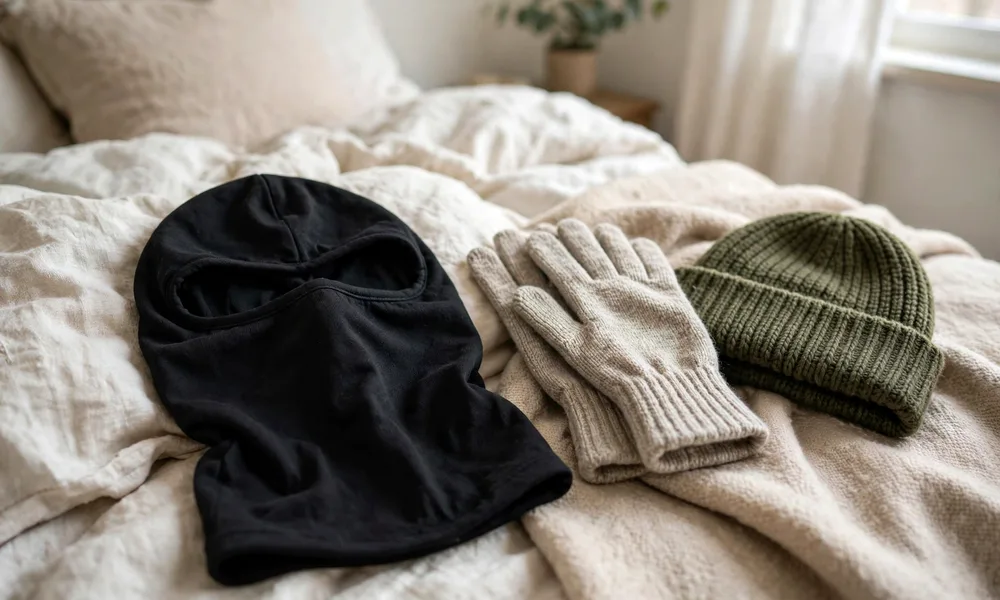
- Face opening frames the eyes without pulling, and stays put when you turn your head.
- Fabric suits the activity: merino for all-day wear, synthetics for skiing and running, fleece for short cold outings.
- Windproof panel over the nose, cheeks and forehead for exposed wind.
- Breathable mesh panel over the mouth, especially if you wear glasses.
- Neck reaches down the chest and sits flat under a zipped coat.
- Flatlock seams, a hinged face panel for commuting, and a wash routine you will follow.
Frequently Asked Questions
Are balaclavas warm enough for very cold weather?
Yes: it covers the head, ears, neck and face in one continuous layer with no gaps, and a windproof or merino balaclava is comfortable well below freezing, especially under a hooded coat. For extreme cold, layer it under a hat and a hood.
Can I wear a balaclava with glasses?
Yes, but choose a design with a breathable mesh panel over the mouth, so your breath escapes downwards instead of steaming up the lenses. Put it on first, then the glasses, and walk around for five minutes. If the lenses still fog, pull the face panel lower.
Are balaclavas suitable for everyday wear, or just for skiing?
Yes: a knitted wool or merino balaclava is ideal for the commute, the school run and the dog walk, because it stays put and keeps the ears and neck warm without a scarf to adjust. Hinged designs are most practical, since you can drop the face panel indoors.
How do I wash a balaclava?
Wash wool and merino balaclavas by hand or on a cold wool cycle, and dry them flat away from direct heat. Fleece and synthetics can go in a normal wash at 30 degrees. Never tumble dry wool, and never use fabric softener on a technical one: it blocks the wicking finish.
What is the difference between a balaclava and a ski mask?
Nothing: a ski mask is simply a balaclava designed for skiing, usually thinner, with a windproof face panel and a vented mouth. The terms are interchangeable: judge by fabric, fit and face panel, not the name.
Should I buy a balaclava or a neck gaiter?
Buy a balaclava if your ears and cheeks get cold, you ski or cycle in wind, or you hate adjusting scarves. Buy a neck gaiter if you only need neck warmth, you go in and out of buildings all day, or you want the lightest option. If you spend whole winters outdoors, own both.
The Bottom Line
The best balaclavas for 2026 fit your face, suit your activity and disappear once you put them on. A merino or technical balaclava with a windproof face panel, a vented mouth and flat seams will keep you warmer than a hat and scarf combined, on the slopes and on the school run alike. Buy for your coldest regular outing, test it with your glasses and helmet, and wash it often.


