A nappy change should be a quick, ordinary part of the day, and most of the time it is. But when the skin in the nappy area turns pink, warm and sore, everything about that small routine changes. The baby fusses at changes, sleep gets broken, and parents start reaching for anything that promises fast relief. The best diaper rash cream of 2026 does not promise miracles. It does one honest job well: it puts a gentle protective barrier between delicate skin and moisture, so the skin gets a chance to settle while you fix the everyday causes underneath.
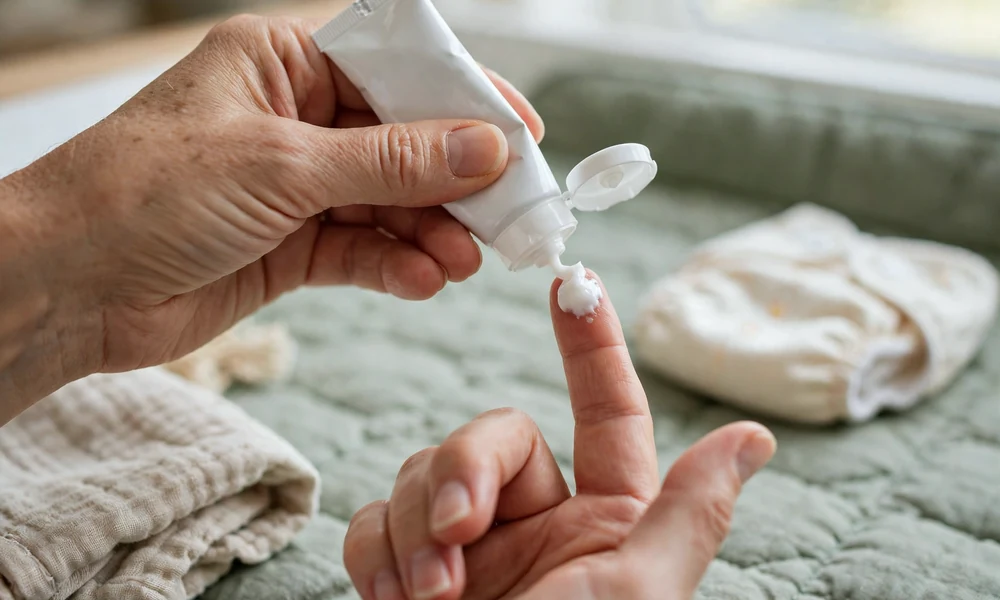
What a Diaper Rash Cream Actually Does
Think of a diaper rash cream as a raincoat, not a repair crew. Healthy skin in the nappy area is constantly exposed to wetness, warmth and friction, and once the surface is irritated it lets moisture in more easily, which keeps the soreness going. A barrier cream sits on top of the skin and slows that cycle down. It keeps wetness away from the sore patches, cuts down rubbing from the nappy, and gives the skin a calmer surface to recover on. That is the whole job, and it is enough when the cream is used properly and the nappy is changed often.
What a cream cannot do is just as important to understand. It cannot make up for a nappy that stays on for hours, it cannot undo irritation caused by a product that disagrees with your baby, and it cannot treat an infection or a rash that keeps spreading. Parents who expect a cream to fix everything in one application usually end up disappointed and keep switching products. Parents who treat the cream as one part of a routine — frequent changes, gentle cleaning, plenty of air time — usually see the skin settle much sooner.
Zinc Oxide or Petrolatum: The Two Barriers That Matter
Almost every good diaper rash cream is built on one of two ingredients, and the difference between them is worth knowing before you shop. Zinc oxide is a mineral that forms a thick, opaque white layer on the skin. It is the classic choice for skin that is already sore, because the layer is visible, it stays put through a wet nappy, and it gives a clear sign of where you have applied it. Creams with a higher zinc oxide content tend to feel thicker and pastier, which some parents love and others find messy, but for red, angry-looking skin that thickness is usually a strength.
Petrolatum, the ingredient behind plain petroleum jelly, works differently. It is a clear, greasy barrier that spreads thinly and feels less obvious on the skin. It is excellent as a daily protective layer when the skin is only slightly pink, and many parents keep a petrolatum-based product on hand for everyday use, saving the thick zinc oxide paste for the days when the skin looks worse. Some creams combine the two, using zinc oxide for cover and petrolatum for spreadability, and those hybrids are often the easiest to use day after day.
How to Choose the Right Cream for Your Baby
Start with your baby’s skin as it is today, not as it was last month. If the skin is only a little pink after a long night, a lighter everyday cream or a petrolatum barrier is usually enough. If the skin is red, warm and clearly uncomfortable, reach for the thicker zinc oxide paste and apply it generously. If you are not sure which camp your baby falls into, the thicker option is the safer starting point for a few days, then you can step down to something lighter once the skin looks calmer.
Next, look at the rest of the routine, because the cream is only one piece of it. A cream cannot compensate for a nappy that does not fit well or does not hold moisture away from the skin, and a poor fit means more rubbing exactly where the skin is already sore. Our guide to the best diapers of 2026 covers fit, absorbency and overnight performance, and getting the nappy right often matters as much as the cream you pair it with. The same logic applies to wiping: a harsh wipe can undo the good a cream does, so gentle cleaning matters too.
Fragrance is the third thing to check, and it is the simplest rule in this guide. A nappy-area product does not need to smell of anything. Fragrance adds nothing to the barrier and is one of the most common sources of extra irritation on already sore skin, so an unscented cream is the better default for almost every baby. The same goes for added colourants and strong plant extracts. A short, plain ingredient list is a good sign, and a long list of extras is a reason to put the tube back on the shelf.

The Best Types of Diaper Rash Cream in 2026
The thick zinc oxide paste is the workhorse of this category. It is the type most parents picture when they think of diaper rash cream: white, dense, and unmistakable on the skin. It is the best choice when the skin is already red and sore, when the baby is going through a bout of loose stools, or when you need a barrier that will survive a long stretch overnight. The trade-off is the mess. It gets on hands, clothes and changing mats, and it needs a gentle wipe to remove. For a few days of soreness, that trade is worth making.
The everyday protective cream is the lighter cousin. It usually carries a lower zinc oxide content or leans on petrolatum, spreads easily, and disappears into the skin instead of sitting on top of it. This is the right pick for maintenance: a thin layer at each change when the skin looks healthy, or after the worst of a rash has settled and you want to keep it from coming back. Many families end up keeping both types in the drawer, using the light cream most days and the thick paste when things flare up, and that two-product approach works well.
The plain petrolatum ointment deserves its own mention because it is the simplest barrier of all. With a single ingredient and no fragrance, it is the easiest option for babies whose skin reacts to almost everything else, and it doubles as a general protective balm for dry patches elsewhere. It does not give the visible coverage of a zinc paste, so it is harder to tell where you have applied it, but for mild redness and prevention it is genuinely effective. If your baby’s skin is sensitive to many products, starting with the simplest option is a sensible move.
How to Apply It So It Actually Works
Application matters more than brand, and the routine is simple once it becomes habit. Start with clean skin. Pat the area dry with a soft cloth or a gentle wipe rather than rubbing, and give the skin a minute of air time if you can. Air is free and it helps: even a minute or two with the nappy off at each change lets the skin dry properly before the barrier goes on. Then apply the cream in a layer you can see, covering the whole nappy area, not just the reddest patch. A thin smear that disappears instantly is not enough when the skin is sore.
Reapply at every nappy change while the skin is irritated, and do not skip the overnight change if your baby still wakes for one. A barrier that is allowed to wear off for eight hours is not protecting anything. At the next change, you do not need to scrub the old layer off completely. Wipe away what comes off easily, leave a thin residue if it is clinging to sore skin, and apply a fresh layer on top. Scrubbing sore skin clean is one of the most common mistakes parents make, and it sets recovery back.
What to Avoid While the Skin Is Sore
While the skin is recovering, keep the routine as gentle as possible. Avoid wipes with fragrance or alcohol on sore skin, and avoid any product that stings when it touches the red patches. Talc and powders are best left in the cupboard: they do not form a reliable barrier, they can clump in skin folds, and they add nothing a good cream does not do better. Tight nappies and plastic-backed covers that trap heat will also slow things down, so a comfortable fit with room to breathe helps more than most parents expect.
Cleaning is where many routines go wrong. The gentlest option is warm water and a soft cloth, and our guide to the best baby wipes of 2026 can help if you prefer wipes, because a soft, unscented wipe is far kinder to sore skin than a fragranced one. Whatever you clean with, the rule is the same: pat, do not rub, and let the skin dry before the cream goes on. A cream applied onto damp skin traps the dampness underneath it, which is the opposite of what you want.

When to Ask a Paediatrician
Most nappy-area redness settles within a few days of frequent changes, gentle cleaning and a good barrier cream. But some situations need a paediatrician rather than a different tube. If the rash is still there after several days of careful care, if it is getting worse instead of better, if the skin is blistered, broken or bleeding, or if your baby has a fever or seems unwell alongside the rash, ask a paediatrician promptly. The same applies if the rash spreads well beyond the nappy area, or if it keeps coming back again and again despite a good routine.
There is no prize for waiting it out when a rash is not responding. A paediatrician can tell you whether something else is going on and what to do next, and that advice is worth far more than trying a third or fourth cream on your own. This guide only covers ordinary barrier creams for everyday nappy-area care, and it is not a substitute for medical advice. If you are worried, that worry alone is a good enough reason to ask.
The Verdict
The best diaper rash cream of 2026 is not the one with the longest ingredient list or the boldest claims. It is the one with a proven barrier ingredient, no fragrance, a texture you can spread without hurting sore skin, and a price that lets you use it generously at every change. A thick zinc oxide paste for the sore days, a lighter cream or plain petrolatum for the good days, and a simple, gentle routine around both will handle most of what the nappy years throw at you.
Keep the station stocked, change nappies often, let the skin breathe when you can, and keep a tube within reach of the changing mat so the barrier goes on every single time. For the rest of the routine, our guide to the best baby lotion of 2026 covers gentle moisture care for the skin beyond the nappy area, which rounds out a simple, calm approach to baby skincare. A sore bottom is miserable for a few days, but with the right barrier and a steady routine, it is usually a short chapter rather than a long one.