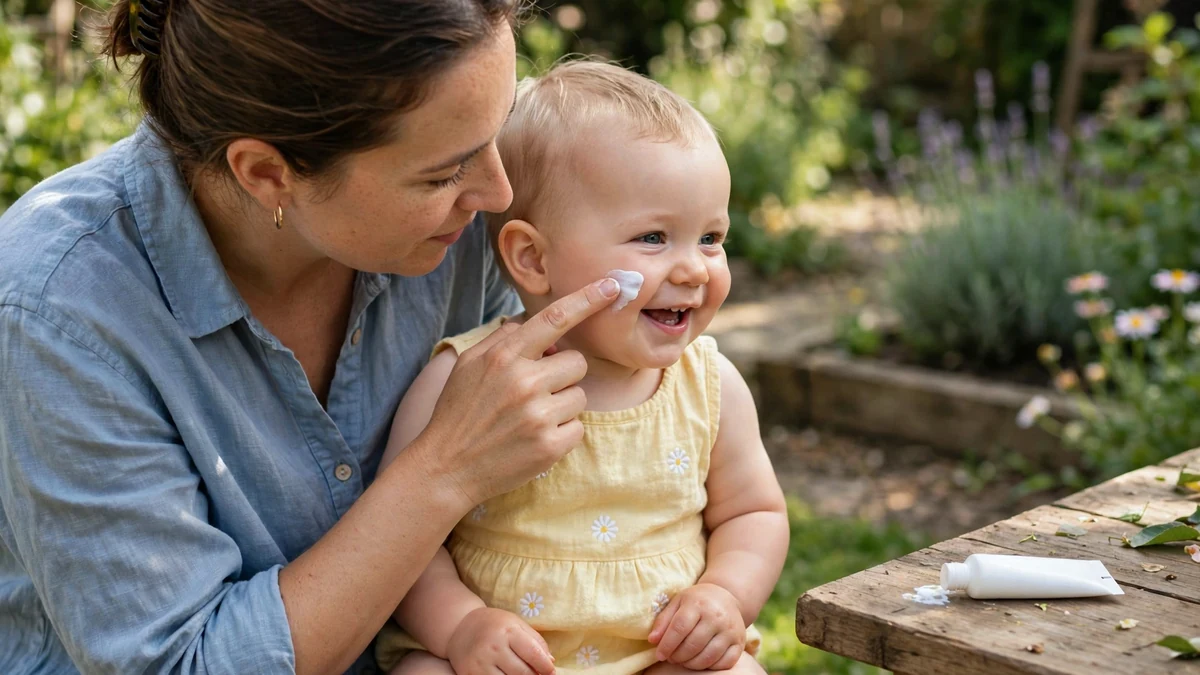
A baby’s skin feels soft for a reason, and it also needs a little more care than adult skin. It is thinner, it loses moisture faster, and it reacts more quickly to cold air, hot baths and harsh soaps. A good baby lotion does one simple job well: it holds moisture in after a bath and keeps the skin feeling comfortable until the next one. The best baby lotion in 2026 is not the most expensive bottle on the shelf, and it is not the one with the prettiest packaging. It is the one with a short, gentle ingredient list, a texture you enjoy using every day, and a pump you can work with one hand while holding a wriggling baby with the other.
This guide looks at what actually matters when you choose a baby lotion, from fragrance-free formulas to the difference between a lotion, a cream and an oil. There are no miracle ingredients here and no promises about fixing skin problems. Instead, there is a clear way to read a label, a short list of picks for different everyday needs, and a simple routine that takes about two minutes after bath time. If your baby has an ongoing skin concern, or a rash that does not settle, talk to your paediatrician before trying a new product, because a lotion is a daily moisturiser, not a treatment.
Key Takeaways
- Baby skin loses moisture faster than adult skin, so lotion works best on skin that is still slightly damp after a bath.
- Look for a short ingredient list with glycerin, ceramides or shea butter, and choose fragrance-free if your baby’s skin is easily irritated.
- A light lotion suits most days, a richer cream suits cold weather and very dry patches, and an oil is not a replacement for either.
- One or two pumps per body section is usually enough, and a pea-sized amount covers a small arm or leg.
- A pump bottle is the easiest format for one-handed use, and a small tube is the best option for the changing bag.
How Baby Lotion Actually Works
That is why timing matters more than most people realise. Applied to completely dry skin hours after a bath, a lotion has very little moisture to trap, and much of its benefit is lost. Applied within a few minutes of a bath, while the skin is still slightly damp, the same lotion can keep skin feeling comfortable for far longer. The ingredients fall into three groups: humectants such as glycerin, which draw water into the upper layers of skin; emollients such as shea butter, which smooth the surface; and occlusives such as petrolatum, which seal water in. A good baby lotion combines at least two of them, and the best ones do it without fragrance or harsh additives.
What to Look for on the Label
The front of the bottle tells you almost nothing, and the back tells you almost everything. Start with the ingredient list, and look for a short one. Glycerin is the single most useful ingredient in a baby lotion: it is cheap, effective and suits almost every baby, drawing water into the upper layers of skin. Ceramides occur naturally in the skin’s outer layer, and lotions containing them help support it rather than just sitting on top. Shea butter and other plant butters smooth the surface and give a lotion its soft, comfortable feel.
Just as important is what is not in the bottle. Fragrance is the most common cause of irritation in baby products, so a fragrance-free lotion is the safest starting point, especially in the first months. Essential oils sound natural, but they can irritate delicate skin, so they are best avoided in a daily lotion. Drying alcohols and harsh preservatives have no place in a product you use every day on a baby. Words like natural, gentle and hypoallergenic are not regulated in the same way everywhere, so treat them as a hint rather than a guarantee, and always read the full list.
The Best Baby Lotions of 2026
The Everyday Fragrance-Free Pick
This is the lotion most families should start with: a light, fragrance-free lotion with glycerin and ceramides, in a pump bottle. It spreads easily, sinks in quickly without leaving a greasy film, and suits daily use after a bath. It works in warm weather and in winter, and it is the least likely to irritate delicate skin. If you buy only one baby lotion, make it this one, and keep a second bottle in the nursery so you are never caught without it at bath time.
The Rich Cream for Dry Patches
Some babies have dry patches on their cheeks, shins or elbows, especially in winter, and a light lotion is not always enough there. A richer cream, with shea butter and petrolatum alongside glycerin, gives those areas extra help. It feels thicker and takes a little longer to sink in, so use it as a second layer on the dry spots rather than all over. A small tube of rich cream lasts a long time when it is used this way, and it is the best companion to an everyday lotion rather than a replacement for it.
The Light Lotion for Warm Weather
The Simple Pick for Sensitive Skin
If your baby’s skin reddens or feels rough easily, simplicity matters more than anything else. Look for the shortest ingredient list you can find, with no fragrance, no essential oils and no colouring. A plain cream with ceramides and colloidal oatmeal is a good place to start, and a patch test is worth the extra day: apply a small amount to one small area, wait a day, and only then use it more widely. Keep the routine simple and resist the urge to try a new product every week, because skin needs time to settle.
The Travel Tube for the Changing Bag
Lotion, Cream and Oil Are Not the Same Thing
The words on the bottle describe texture, and texture tells you a lot about how a product will behave. A lotion is light and watery, spreads easily over a large area, and absorbs quickly. It suits most days, warm weather and everyday use. A cream is thicker and richer, and it suits dry skin, cold weather and dry patches. A body butter is the richest of all, almost solid in the tub, and it suits very dry areas such as elbows and heels, but it can feel heavy if used all over.

How to Apply Baby Lotion Properly
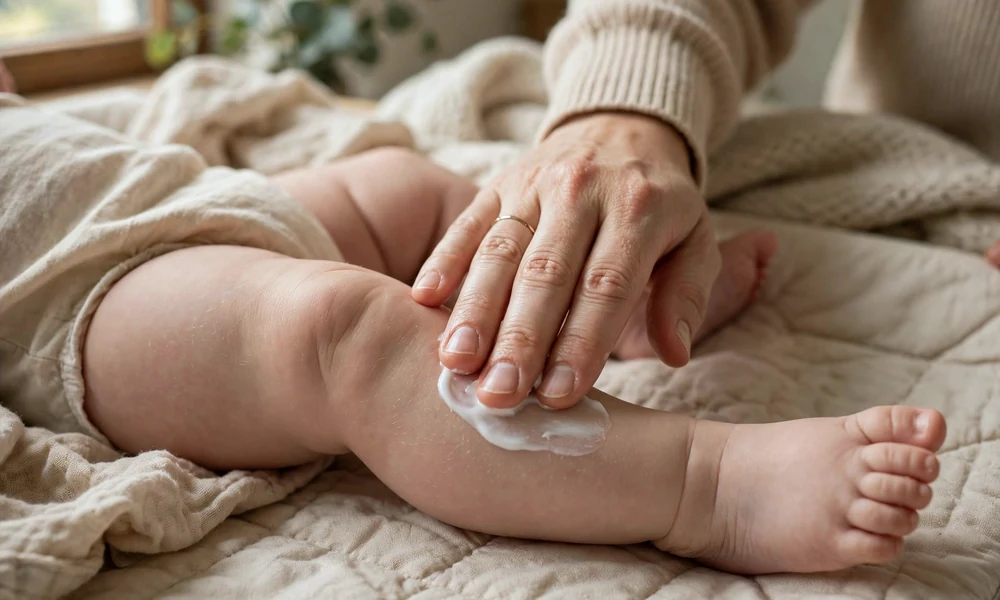
The best time to apply baby lotion is within a few minutes of a bath, when the skin is still slightly damp. Pat your baby dry with a soft towel rather than rubbing, then warm a small amount of lotion between your hands so it spreads evenly. Use long, gentle strokes, and work in sections: one pump for an arm, one for a leg, and a little more for the tummy and back. Pay extra attention to the shins, elbows and cheeks, which dry out first, and skip any broken or sore skin.
How Much to Use and How Often
Newborn skin is especially delicate, and many paediatricians suggest keeping the routine very simple in the first weeks, with plain water baths and only a small amount of gentle lotion if the skin looks dry. As your baby grows, you can settle into a regular routine and learn what their skin likes. Every baby is different, and the right amount is the one that leaves skin feeling soft but not greasy until the next bath. Choosing a lotion for your baby has a lot in common with choosing body lotion for your skin type, because the same ideas about texture, ingredients and timing apply, just with a gentler formula.
Fragrance, Sensitive Skin and Patch Testing
Patch testing takes a day and saves a week of guesswork. Apply a small amount of a new lotion to one small area, such as the inside of the forearm, and wait a full day before using it more widely. If the skin looks calm and comfortable, you can go ahead. If it reddens or your baby seems uncomfortable, stop using it and try a simpler formula. The same careful approach applies to the rest of the changing routine, and our guide to the best diapers covers the other daily essential that sits against delicate skin all day long.
Pumps, Tubes and Tubs: Which Format Wins
The format matters more than most parents expect, because you will often be using it with one hand. A pump bottle is the clear winner at home: one press gives you the right amount, the bottle stays closed between uses, and you never have to unscrew a cap while holding a baby. Look for a pump that works smoothly and does not clog, and keep a spare bottle in the cupboard so you never run out mid-week.

The Mistakes That Waste a Good Baby Lotion
The most common mistake is applying lotion to completely dry skin, hours after a bath, when there is no moisture left to trap. The second is using the wrong texture: a light lotion on very dry skin, or a heavy butter all over on a warm day, will both disappoint. The third is using too little, a thin smear that never reaches the shins and elbows. The fourth is choosing by scent or packaging rather than by the ingredient list, and then wondering why a beautifully fragranced lotion irritates delicate skin.
Little feet need care too: soft socks keep freshly moisturised feet warm and comfortable, and our guide to the best baby socks rounds up the softest pairs for everyday wear.
Your Baby Lotion Checklist
- Start with a fragrance-free lotion with glycerin and ceramides, and patch test it for a day before full use.
- Match the texture to the day: light lotion for most days, richer cream for dry patches and cold weather.
- Apply within a few minutes of a bath, while the skin is still slightly damp, using one pump per body section.
- Keep it simple in the first weeks, and settle into a regular routine as you learn what your baby’s skin likes.
- Choose a pump bottle for home and a small tube for the changing bag, and store both away from heat and sunlight.
- If a rash does not settle, or your baby seems uncomfortable, stop the new product and talk to your paediatrician.
Frequently Asked Questions
What is the difference between baby lotion and baby cream?
Lotion is lighter and absorbs quickly, while cream is thicker and richer. Lotion suits most days, and cream suits dry patches and cold weather. Many families keep both and use them together.
Does expensive baby lotion work better?
Not necessarily. The most effective ingredients, such as glycerin, ceramides and shea butter, are inexpensive. A modest lotion used every day beats a luxury one used once a week.
The Bottom Line
The best baby lotion is the gentle one you will use every day: fragrance-free, with glycerin and ceramides, in a pump bottle at the changing table and a small tube in the changing bag. Apply it to slightly damp skin after a bath, use one pump per body section, and give dry patches a richer cream as a second layer. Keep the routine simple, give a new lotion a week to settle, and talk to your paediatrician if anything does not look right. Do that, and bath time ends with soft, comfortable skin and a calm minute together before sleep.