
Dinner Rolls That Stay Soft and Pull Apart in 2026
Dinner rolls are the quiet heroes of the dinner table. When they are good, they arrive warm in a basket, golden on top, soft enough to pull apart with your fingers, and rich enough that a little butter is all they need. This guide compares the best dinner rolls of 2026 by style, so you can match the roll to the meal you are serving, for roasts, feasts, soups and weeknight dinners.
Key takeaways
- The best dinner rolls are soft inside, lightly golden outside, and moist enough to eat without sauce or gravy.
- Enriched dough with butter, milk and a little sugar gives the softest crumb, while lean dough gives a chewier, crustier roll.
- Rolls baked close together in a pan stay softer at the sides, because they steam each other as they bake.
- Brush the tops with melted butter the moment they leave the oven, for shine, flavour and a softer crust.
- A roll that is pale, heavy or cold is a bad roll, however good the recipe looked on paper.
How the best dinner rolls were chosen
Every style below was scored on five measures. Softness comes first: does the roll tear apart easily, with a pillowy crumb, or does it resist and crumble? Flavour is second: the gentle richness of butter and milk, not a plain, floury taste. Crust is third, because the best rolls have a thin golden top, not a thick hard shell. Freshness is fourth: does the roll stay soft for hours, or dry out before dinner ends? Versatility is fifth, covering how well each style suits roasts, soups, sandwiches and breakfast.
Two notes before the list. First, no single bakery is named as the best, because the same good patterns appear in many bakeries and supermarkets, and what matters is learning to recognise them for your own table. Second, dinner rolls are a technique as much as a product: the same dough can turn out soft or tough depending on kneading, rise and bake. Readers who bake at home will find the same logic in our guide to the best bread makers, where dough handling and timing matter just as much as they do here.
Comparison table: the best dinner rolls 2026
| Rank | Dinner roll style | Best for | Watch out for |
|---|---|---|---|
| 1 | Classic soft white rolls | Roasts, everyday dinners | Dry out if baked too long |
| 2 | Buttery Parker House rolls | Holiday feasts, special meals | Rich dough is easy to overwork |
| 3 | Whole wheat dinner rolls | Hearty meals, lighter eating | Can turn dense and heavy |
| 4 | Herb and garlic rolls | Soups, pasta, sharing plates | Herbs burn on top at high heat |
| 5 | Cheesy dinner rolls | Comfort food, snacking | Cheese can make the base damp |
| 6 | Quick no-yeast rolls | Busy weeknights, last-minute sides | More like a scone than a roll |
| 7 | Frozen bake-at-home rolls | Freezer stock, large gatherings | Uneven rise and pale tops |
The best dinner rolls
1. Classic soft white rolls: the best all-rounder
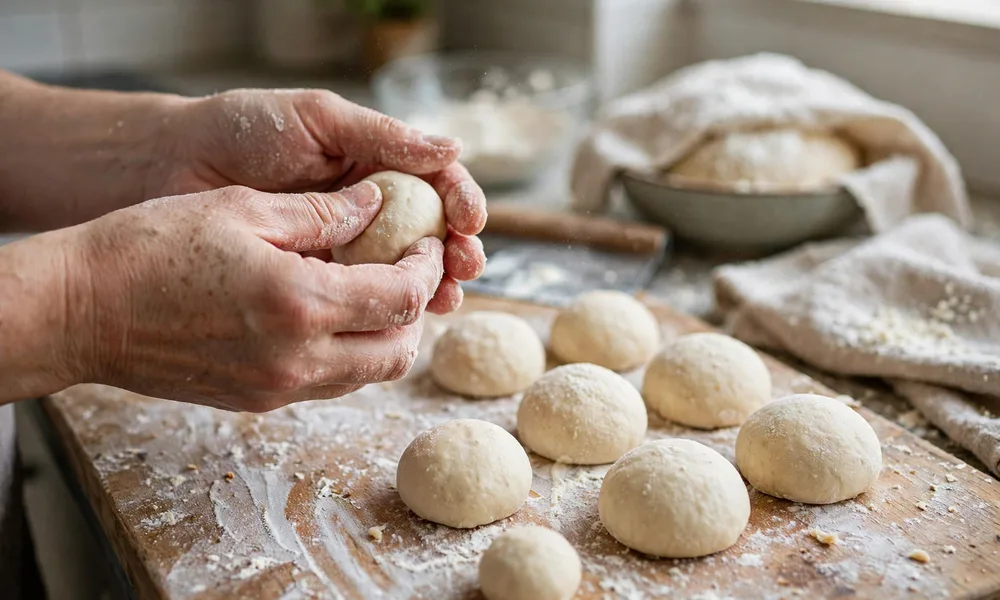
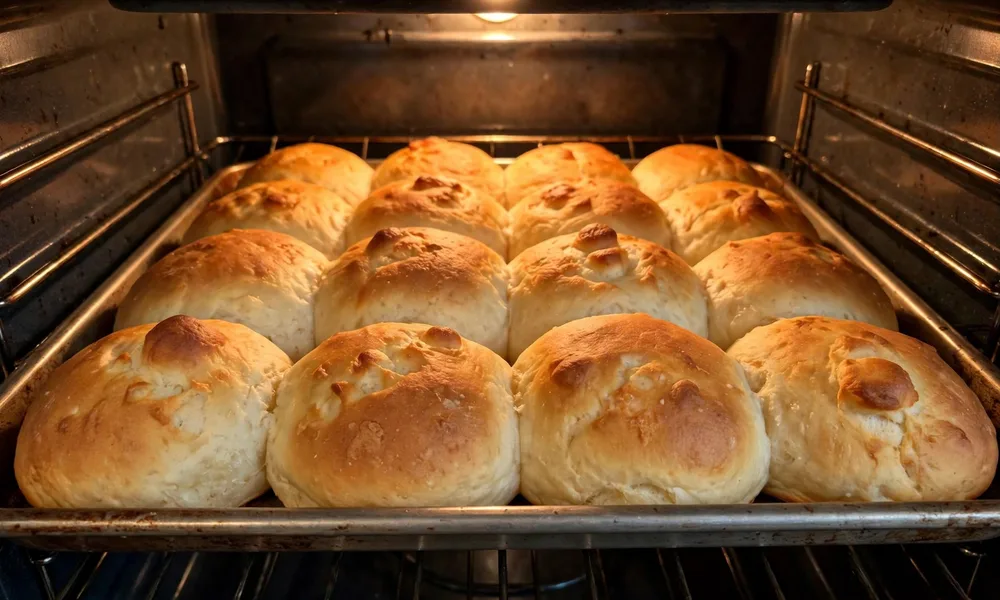
The classic soft white roll is the best dinner roll for most meals, because it does the simple things perfectly. Made from an enriched dough with milk, butter and a little sugar, it bakes into a round with a golden top and a crumb so soft it pulls apart in feathery layers. Baked close together in a pan, the rolls steam each other, so their sides stay pale and tender while their tops turn gold. They suit roasts and soups best, mopping up gravy without falling apart. The main risk is overbaking. A white roll goes from golden to dry in a couple of minutes, so pull the pan out while the tops are still a light gold and brush them with melted butter straight away. Served warm, they are the rolls everyone reaches for first.
2. Buttery Parker House rolls: the best for a feast
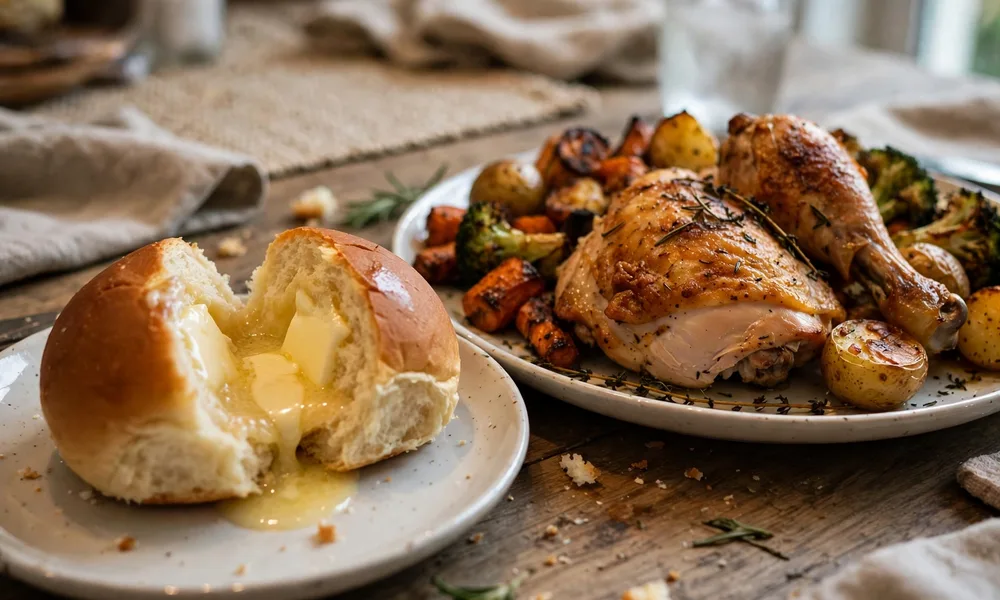
Parker House rolls are the richest rolls on this list, and the best choice when the meal is a feast. The dough is folded over a knob of butter before baking, so each roll opens into a soft pocket that holds more butter when it is served. The crumb is tender and fine, the top is brushed with butter twice, and the flavour is gently sweet. They are the classic roll for Thanksgiving and Christmas, and the best partner for roast turkey, ham and rich gravy. The danger is overworking the dough. Rich dough tears easily, and too much kneading makes the rolls tough instead of tender, so handle it gently and let it rise slowly. Serve them warm, split open, with good butter.
3. Whole wheat dinner rolls: the best hearty option
Whole wheat dinner rolls are the best hearty option, with a nutty flavour and a crumb that stands up to strong dishes. Made with part whole wheat flour and part white flour, they are denser than white rolls but still soft, and they suit stews, chilli and roasted vegetables that would overwhelm a plain roll. The trick is the balance of flours. All whole wheat makes a roll that is heavy and dry, while half and half keeps the flavour and the softness together. A little honey softens the crumb and rounds off the bran flavour. They need a longer rise, because bran slows the yeast, so give them time and a warm place to prove.
4. Herb and garlic rolls: the best for soup
Herb and garlic rolls are dinner rolls with extra flavour baked in, and the best choice for soup and pasta. Chopped rosemary, thyme or parsley and finely grated garlic are folded into the dough, so every bite carries the flavour rather than just the top. They are the best partner for tomato soup and pasta nights, where a plain roll would feel dull. The risk is burning. Herbs and garlic on the surface of a roll scorch at high heat, so mix them into the dough instead of sprinkling them on top, and keep the oven moderate. A brush of garlic butter as they leave the oven adds a final hit of flavour.
5. Cheesy dinner rolls: the best comfort roll
Cheesy dinner rolls are the most indulgent rolls on this list, and the best choice when the roll is meant to be a treat. Grated cheddar or parmesan is folded into the dough and scattered on top, so the rolls bake with a golden, crisp cheese crust and a soft, savoury crumb. They suit tomato soup, chilli and roasted vegetables, and children reach for them first. The danger is dampness. Too much cheese inside the dough makes the crumb heavy, and cheese on the base can stick to the pan, so use a moderate amount and line the pan well. A little mustard powder sharpens the cheese flavour. Served warm, they are comfort food in its simplest form.
6. Quick no-yeast rolls: the best last-minute option
Quick no-yeast rolls are the fastest rolls here, and the best choice when dinner is nearly ready and there is no bread on the table. Made with baking powder instead of yeast, they need no rising time: mix the dough, shape the rolls, and bake them straight away. They are ready in about half an hour. Without yeast they are closer to a scone than a roll, tender but not stretchy, and they dry out fast, so serve them hot with plenty of butter and eat them the same evening.
7. Frozen bake-at-home rolls: the best freezer stock
Frozen bake-at-home rolls are the version most people keep for a crowd, and the best freezer stock for a large gathering. The better ones are balls of dough that rise and bake at home, so they come out warm and soft rather than reheated and tired. Judge them by the rise: good ones double in size before baking and turn a deep gold in the oven, while poor ones stay small and pale. Give them warmth and time to rise, and brush the tops with butter as they leave the oven. Some rise well and others barely move, but for a holiday table of twelve they are the most practical choice.
What to avoid when choosing dinner rolls
The most common dinner roll regret is not a bad recipe but a bad bake: too much heat, too little rise, or rolls left to go cold. Under-risen dough bakes into dense, heavy rolls, so give the dough time to double in size and do not rush it. A very hot oven browns the tops before the middles have cooked, while a cool oven dries the rolls out, so a moderate heat with a watchful eye is the safest route. Rolls baked far apart dry out, while rolls baked close together stay soft. The same checks work for other breads too, and our guide to the best butter dishes that keep butter softer and fresher makes the same point about serving bread well, because the details around the bread matter as much as the bread itself. Do not serve rolls cold: warm them briefly in the oven first.
Checklist: buying and baking great dinner rolls
- Choose rolls that feel light for their size, with golden tops and no pale, floury patches.
- Let yeasted dough rise until doubled, and never rush the rise to save time.
- Bake rolls close together in a pan, so their sides stay soft and tender.
- Brush the tops with melted butter the moment they leave the oven.
- Serve rolls warm in a cloth-lined basket, and keep the basket covered until the meal starts.
- Use a good butter knife to spread butter cleanly, as our guide to the best butter knives for smooth spreading explains.
Frequently asked questions
What makes a dinner roll soft?
Enriched dough with butter, milk and a little sugar gives the softest crumb. Baking the rolls close together also helps, because they steam each other and stay tender at the sides.
How long do dinner rolls take to rise?
One to two hours, depending on room warmth. The dough should double in size, so find the warmest spot you have.
Can I make dinner rolls ahead of time?
Yes. Shape the rolls, cover them well and keep them in the fridge overnight, then let them warm up and rise before baking. Baked rolls also freeze well for a month.
Why are my dinner rolls dense?
Under-rising, over-kneading, or too much flour. Let the dough rise fully, knead gently, and measure flour carefully.
What goes best with dinner rolls?
Roast dinners are the classic partner, because the rolls mop up gravy. They also suit soups, stews, chilli and holiday meals where warm bread belongs on the table.
How do I reheat dinner rolls?
Warm them in a moderate oven for five minutes, wrapped loosely in foil so they do not dry out. A brush of melted butter afterwards brings back the shine and the softness.
Bottom line
Dinner rolls in 2026 are at their best when they are simple and warm: an enriched dough, a full rise, a moderate oven, and butter brushed on the moment they leave the heat. Classic white rolls suit most dinners, Parker House rolls suit a feast, whole wheat rolls suit hearty meals, and a frozen bag suits the nights when time is short. Bake them close together, watch the oven, and serve them hot, and the basket will be empty before the main course is finished.


