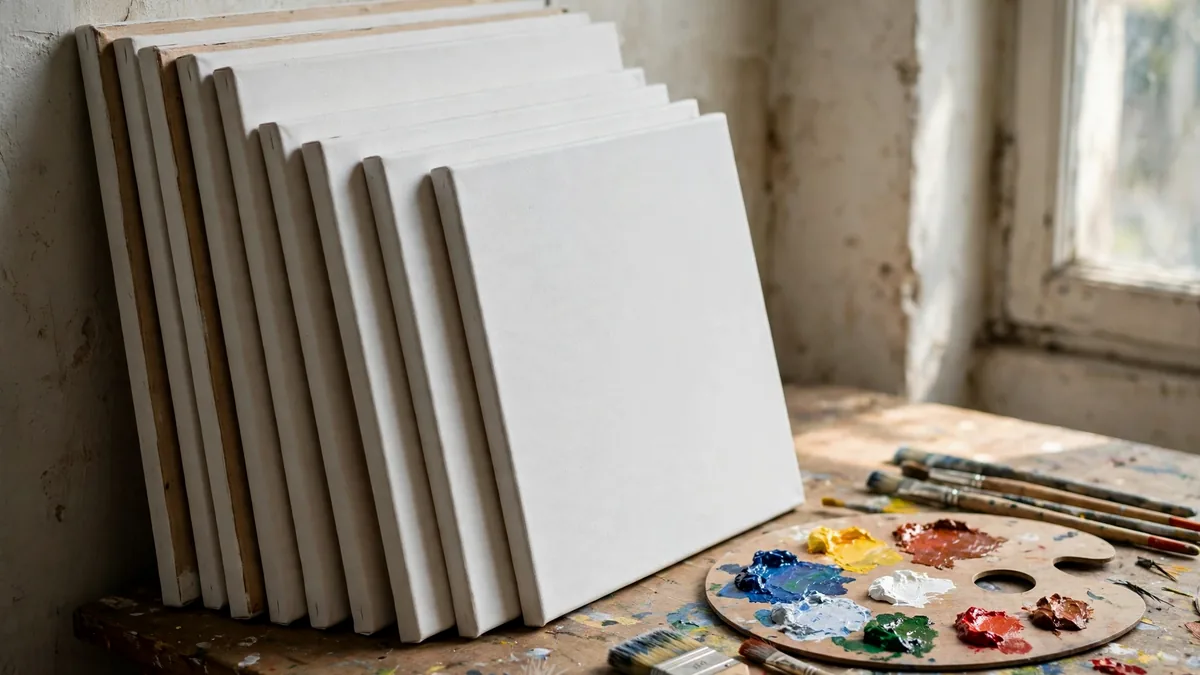
Easels That Hold Your Canvas Steady in 2026
Easels that hold your canvas steady in 2026 are the quiet difference between a painting you enjoy making and one that fights you at every stroke. A good easel locks the canvas at the height and angle you want, stays put when you lean into a brushstroke, and lets you step back to judge the work without the whole thing wobbling. The best easels in 2026 do that in a small flat, a busy studio and a windy field alike, whether the canvas on them is a postcard-sized study or a full-length portrait.
Choosing the right easel is about matching it to the way you paint: a tabletop easel that suits a sketchbook artist will collapse under a heavy oil canvas, and a grand studio easel will swallow a kitchen table whole. This guide compares the strongest easels of 2026, explains what keeps a canvas steady, and helps you pick a stand that holds your work still from first sketch to final varnish.
Key Takeaways
- Stability comes from the base, not the price: wide feet, a low centre of gravity and a solid clamp beat a tall, top-heavy easel.
- Match the easel to the canvas size first: a tabletop easel suits work up to about A3, while anything larger needs a floor-standing easel.
- An easel is the stand, not the surface: the canvas or board sits on the easel, and each does a different job.
- A tilting mast matters: a slight forward tilt stops paint dripping, while a flat position suits watercolour and drawing.
- Buy for the painting you actually do: the easel you reach for every week beats the grand one gathering dust.
What Makes an Easel Hold a Canvas Steady
Steadiness starts at the floor. An easel stands on three legs, and the wider they spread, the harder it is to tip. H-frame studio easels are the steadiest of all, because the rectangular frame sits flat and the canvas weight presses straight down through it. Tripod easels fold away and weigh less, but their narrow footprint means a heavy canvas or a bumped elbow can set them swaying.
The clamp is the second half of the equation. A good easel grips the canvas top and bottom with a sliding mast and a tray it rests in, so the work cannot slide sideways or creep down as you paint. Cheap easels often rely on a single small clip at the top, which lets the canvas rock with every brushstroke. Before you buy, press the canvas into the tray and push it gently from the side: if it shifts, it will not hold steady when you work fast.
Tabletop, Floor or Display: Which Easel Suits You
A tabletop easel is the smallest option, and for many painters the only one they need. It sits on a desk, holds canvases up to about A3, and folds flat into a drawer when done. It suits sketching, small studies and watercolour, and anyone in a flat where a full-size easel would dominate the room. Its weakness is size: a large canvas on it becomes top-heavy and eager to fall.
A floor-standing easel is the studio workhorse. H-frame easels hold canvases up to two metres tall, adjust to any height with a sliding mast and crank, and stay rock-solid under the heaviest oil painting. Tripod floor easels are lighter: they fold away, cost less, and suit classrooms and part-time painters, but give up some steadiness. If you paint large, or standing up, a floor easel is the right tool.
A display easel does a different job: it shows finished work rather than holding work in progress. Display easels are lighter, often decorative, and made to present a painting at an exhibition or on a wall. They are not built to take the push of a brush, and a canvas will slip the moment you start painting. Buy a display easel for showing and a working easel for painting.

Wood, Metal or Aluminium: Frame Materials Compared
Wood is the classic easel material. Beech and pine easels feel solid, look beautiful in a studio, and absorb vibration better than metal. A well-made wooden easel lasts decades, and its weight keeps it planted. The trade-off is bulk: wooden easels are heavy to carry and slow to fold, so they suit a fixed studio spot.
Metal easels, usually steel, are the toughest option. They take knocks, hold heavy canvases without flexing, and their fittings adjust smoothly even after years of use. They suit shared studios and classrooms. Their only weakness is rust in a damp room, so keep them dry and they will outlast the painter.
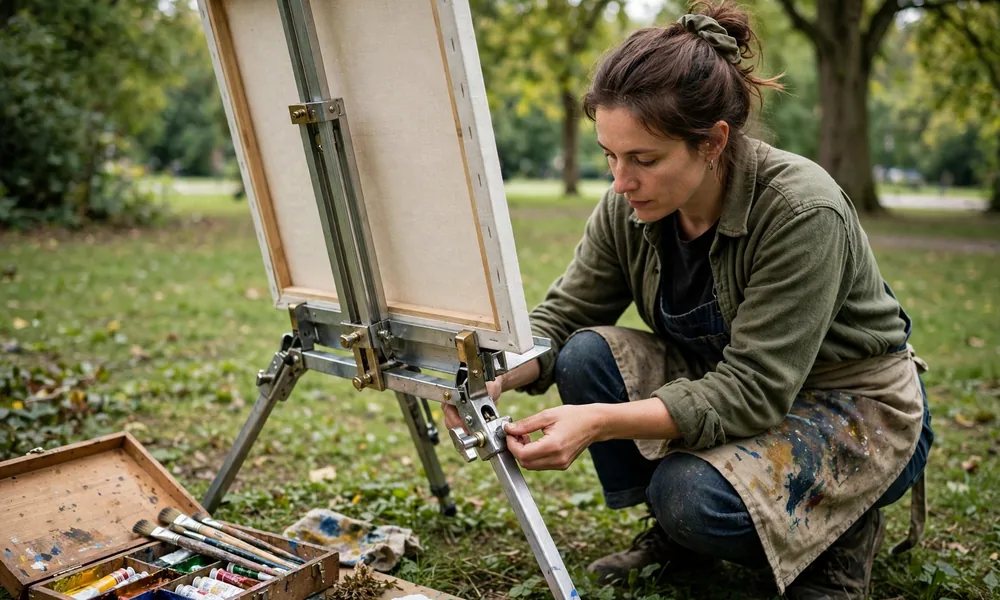
Aluminium is the plein air painter’s material. It is light enough to carry for miles, folds into a shoulder bag, and does not rust in the rain. Modern aluminium easels are far stronger than they look, with braced legs and locking joints that hold a good-sized canvas steady in a breeze. They will never match a wooden H-frame for stability, but outdoors, the easel you can carry is the easel that gets used.
How the Best Easels Compare in 2026
The table below sums up the main choices side by side.
| Type | Best for | Max canvas | Stability | Watch out for |
|---|---|---|---|---|
| Wooden H-frame studio easel | Large oil and acrylic work | Up to 2 m | Excellent | Heavy; needs a fixed spot |
| Wooden tripod easel | Everyday studio painting | Up to 1.2 m | Good | Can sway with heavy canvas |
| Tabletop easel | Small studies, sketching | Up to A3 | Good on a firm table | Too small for large work |
| Aluminium field easel | Plein air, travel | Up to 1 m | Good outdoors | Light; peg down in wind |
| Display easel | Showing finished work | Up to 1 m | Fair | Not for painting on |
Easels for Oil, Acrylic and Watercolour
Oil painters need the sturdiest easel of all: you lean in, scrub with a stiff brush and scrape with a palette knife, and the canvas must not move. A wooden H-frame easel is the standard choice, with a tray deep enough for a heavy stretched canvas and a mast that locks at any height. Oil painters also tilt the easel slightly forward, so wet paint stays put instead of sliding down.
Acrylic painters work faster and lighter, and a tripod or tabletop easel often suits them. Acrylic dries in minutes, so the painter moves quickly between palette and canvas, and a lighter easel that adjusts in seconds keeps up. The best acrylic paints in 2026 cover boldly, and our guide to Acrylic Paints That Cover Bold and Bright in 2026 explains which paints hold their colour on the canvas your easel is holding. The surface matters just as much as the stand, so our guide to Canvas Boards That Take Paint Without Warping in 2026 is worth reading before you buy, since a board that stays flat makes every easel feel steadier.
Watercolour painters usually work flat or nearly flat, because water runs downhill and a tilted sheet sends washes pooling at the bottom. A tabletop easel that tilts to almost horizontal is ideal. Our guide to Watercolour Paints That Blend Beautifully in 2026 covers the paints that need that flat angle, and the same gentle handling applies to the easel: a light, stable stand that never rocks is worth more than a grand one that wobbles.

Easel or Canvas Board: Know the Difference
Beginners often mix up easels and canvas boards, but the two do entirely different jobs, and buying one when you need the other is the most common mistake in art shopping. An easel is the stand: the wooden or metal frame that holds your work upright while you paint. A canvas board is the surface: the rigid, primed panel you paint on, a lightweight alternative to stretched canvas that is cheaper, easier to store and ideal for practice.
The two work together, not instead of each other. You clip a canvas board onto an easel exactly as you would a stretched canvas, and the easel holds it steady while the board takes the paint. A board alone is fine for a quick sketch on a table, but for a serious session it belongs on an easel, at eye level where it catches the light properly. An easel without a canvas or board on it is just furniture: it needs a surface to hold before it earns its keep.
Common Mistakes That Make an Easel Wobble
The most common mistake is buying an easel too small for the canvas. A canvas overhanging the tray by more than a few centimetres acts like a sail, catching every draught and elbow, and no clamp can hold it steady. Measure your largest canvas before you shop, and choose an easel rated for at least that size.
The second mistake is setting up on an uneven floor. Three legs need three points of contact, and a rug edge or sloping patio will leave one leg floating and the stand rocking. Move the easel until all three feet sit flat, or slip a folded card under the short leg. Outdoors, push the feet into soft ground or weigh the base down.
Your Easel Checklist
- Measure your largest canvas first and buy an easel rated for at least that size, with room to spare.
- Test the clamp and tray in the shop: push the canvas from the side and check that it does not shift.
- Choose the type for the way you paint: tabletop for small work, H-frame for large studio work, aluminium for outdoors.
- Check that the mast tilts and locks smoothly at several angles, including nearly flat for watercolour.
- Set the easel on a flat, firm floor and make sure all three feet touch before you start painting.
- Tighten fittings until snug, never forced, and store a wooden easel somewhere dry so it does not warp.
Frequently Asked Questions
What size easel do I need?
Match the easel to your largest canvas. A tabletop easel suits work up to about A3, a tripod floor easel up to about 1.2 metres, and a wooden H-frame easel up to two metres. Buy for the biggest canvas you paint, not the smallest.
Is a wooden or metal easel better?
Wood is steadier and quieter in a studio, and absorbs vibration well. Metal is tougher and suits shared studios and classrooms. Aluminium is lightest and best outdoors. The right choice depends on where and how you paint.
Can I use a display easel for painting?
It is not a good idea. Display easels present finished work, not take the push of a brush, and a canvas will slip as soon as you start painting. Use a working easel for painting and a display easel for showing.
How do I stop my easel wobbling?
Check that all three feet sit flat on a firm floor, widen the legs if you can, and make sure the canvas sits fully in the tray with the clamp snug. A sandbag on the base steadies a light easel.
What is the difference between an easel and a canvas board?
An easel is the stand that holds the work upright while you paint. A canvas board is the rigid primed surface you paint on. The board clips onto the easel: the easel holds, the board takes the paint.
Do I need an easel if I paint on a table?
Not always. Small watercolour and sketching work is often easier flat on a table. For larger canvases, though, an easel keeps the work at eye level and stops you hunching over it.
The Bottom Line
The easels that hold your canvas steady in 2026 are the ones matched to the work you actually do: a tabletop easel for small studies, a wooden H-frame for large studio paintings, and a light aluminium field easel for painting outdoors. Check the clamp, mind the base, buy for your largest canvas, and the easel will disappear into the background, leaving nothing between you and the painting but a steady stand.