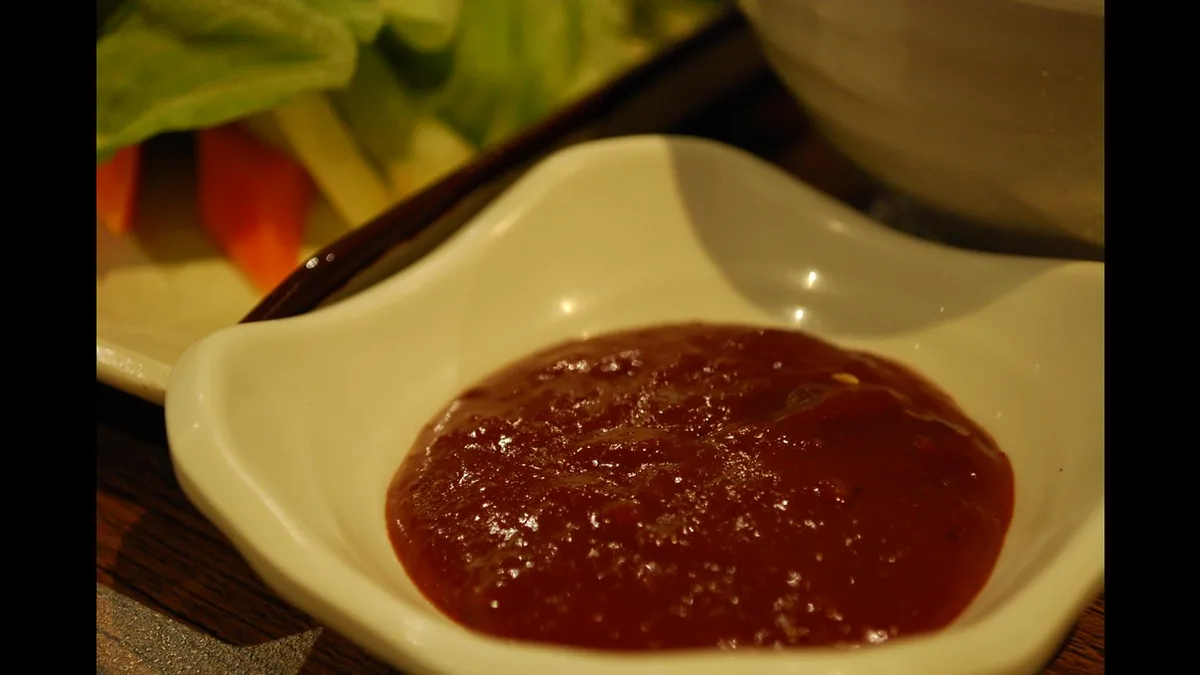
Gochujang is the red paste that gives Korean cooking its signature sweet heat, and a single jar can change the way you cook. Stirred into rice, whisked into a marinade or thinned into a dipping sauce, gochujang brings warmth, sweetness and a deep fermented savouriness all at once. It is the reason bibimbap tastes the way it does, the backbone of tteokbokki, and the secret behind countless Korean marinades. Yet many cooks buy a tub, use a spoonful once, and leave it to linger in the fridge. Here is how to choose it and use the whole jar in 2026.
Key takeaways
- Gochujang is a fermented Korean paste of chilli, glutinous rice, fermented soybeans and salt, sweet as well as hot.
- Heat levels run from mild to very hot, and the number on the tub is the fastest way to pick the right one.
- Look for a short ingredient list led by chilli and rice, with no corn syrup high on the list.
- A little goes a long way: start with a tablespoon, taste, and add more.
- Kept in the fridge, an open tub of gochujang lasts for months.
What gochujang actually is
Gochujang is made by fermenting gochugaru, Korean chilli flakes, with glutinous rice, fermented soybean powder and salt. The rice ferments into sweetness, the soybeans add savoury depth, and the chilli brings the heat, so the finished paste is sweet, spicy and deeply savoury at the same time. That combination is what makes it so useful: it seasons, sweetens and warms a dish in a single spoonful, where other condiments do only one of those jobs. The paste is thick, brick red and glossy, and it keeps for months in the fridge.
The flavour is not just heat. Good gochujang has a rounded sweetness that arrives first, then a slow-building warmth, then a lingering fermented note that tastes almost like good soy sauce. Cheap versions skip the fermentation and lean on sugar and chilli extract instead, which is why they taste flat and one-dimensional by comparison.
In Korean cooking, gochujang is a foundation ingredient rather than a garnish. It seasons stews, glazes grilled meat, dresses cold vegetables and binds rice dishes together. It is also adaptable outside Korean food: whisked into mayonnaise it makes a sandwich spread, stirred into a tomato sauce it adds warmth, and mixed with honey it becomes a glaze for roast chicken.
The heat levels, compared
Most tubs carry a heat number, usually from one to five, and it is the single most useful thing on the label. The scale is not standardised across brands, but the rough pattern holds: lower numbers are gentle and sweet, higher numbers are seriously hot.
| Level | Heat | Sweetness | Best for |
|---|---|---|---|
| Mild (1–2) | Gentle warmth | Noticeably sweet | Dips, dressings, first-timers |
| Medium (3) | Clear heat | Balanced | Bibimbap, marinades, stews |
| Hot (4) | Strong burn | Less sweet | Tteokbokki, spicy stews, grills |
| Very hot (5) | Serious heat | Minimal | Small amounts, heat lovers |
Mild gochujang: the friendly jar
Mild gochujang is the best place to start, especially if you are cooking for children or anyone wary of spice. It is sweet, gently warm and forgiving: you can use a generous spoonful in a dressing or a dip without overwhelming the dish, and its sweetness flatters roasted vegetables and grilled chicken. Mixed with mayonnaise or yoghurt it makes a pink, creamy sauce that works on burgers, wraps and fried food of all kinds.
Medium gochujang: the everyday jar
Medium gochujang is the workhorse, and it is the one most Korean home cooks reach for. The heat is clear but not punishing, the sweetness is balanced, and it works in almost everything: bibimbap, stews, marinades and stir-fries. A tablespoon in a bowl of rice with vegetables and a fried egg is the classic use, and it is the best illustration of what the paste does: it ties the bowl together, seasoning every bite without dominating any of them. If you only buy one jar, buy medium.
Hot and very hot: the serious jars
Hot gochujang is for dishes built around heat, like tteokbokki, the chewy rice cakes simmered in a spicy red sauce, or a fiery stew meant to make you sweat a little. Very hot gochujang is stronger still, and it is best used in small amounts, a teaspoon at a time, to lift a dish rather than to carry it. Both are worth having if you love spice, but neither is a good first jar: start medium, learn the paste, and move up when you know how much heat your cooking can take.

How to read a gochujang label
A good jar has a short ingredient list led by chilli, glutinous rice and fermented soybeans, with salt and a sweetener further down. Be wary of jars where corn syrup or sugar sits near the top of the list, or where the chilli is listed as extract rather than flakes or powder: those are signs of a paste built for cheap sweetness and heat rather than fermentation. Some jars add wheat or barley, which matters if you need gluten-free, and a few include flavour enhancers that flatten the taste. The best jars taste of fermentation first and sweetness second, and you can tell the difference on the first spoonful.
Check the heat number and the origin. Korean-made gochujang from a producer that ferments properly is the benchmark, and it is worth the small premium over the cheapest supermarket tub. Look at the colour, too: a good paste is a deep, even brick red, not orange or brown. Buy from a shop with good turnover, and prefer jars kept cool over ones stored near a sunny window.
Cooking with gochujang
The classic use is bibimbap, the Korean rice bowl. Warm rice goes in a bowl, topped with vegetables, a protein and a fried egg, and a spoonful of gochujang sits on top, ready to be mixed through. The paste seasons the whole bowl as you stir, and the egg yolk turns it into a glossy sauce. The trick is to add the paste to the bowl rather than cooking it into the rice: it keeps its brightness and its sweetness that way, and you can control exactly how much heat each serving gets.
Tteokbokki is the other signature dish: chewy rice cakes simmered in a sauce of gochujang, sugar and stock until the sauce thickens and coats everything. It is sweet, spicy and deeply comforting, and it is the dish that shows off the paste at full strength. The same sauce works on noodles, on fried chicken and on roasted vegetables, and once you learn the ratio, roughly two parts gochujang to one part sugar with stock to loosen it, you can adapt it to almost anything.
As a marinade, gochujang is outstanding. Mixed with soy sauce, garlic, sesame oil and a little sugar, it coats chicken, pork or beef and, given a few hours, seasons the meat right through while its sugars caramelise on the grill. Wipe off the worst of the excess before cooking, because the sugars burn quickly over high heat.
For everyday use, think of gochujang as a finishing paste. Whisked into mayonnaise it makes a sandwich spread, stirred into a vinaigrette it wakes up a salad, and thinned with a little vinegar and water it becomes a dipping sauce for dumplings and spring rolls. It also rescues bland food: a spoonful stirred into a pot of soup or a pan of fried rice adds sweetness, heat and depth in one move, which is why it earns a permanent place in so many fridges.
Storing gochujang properly
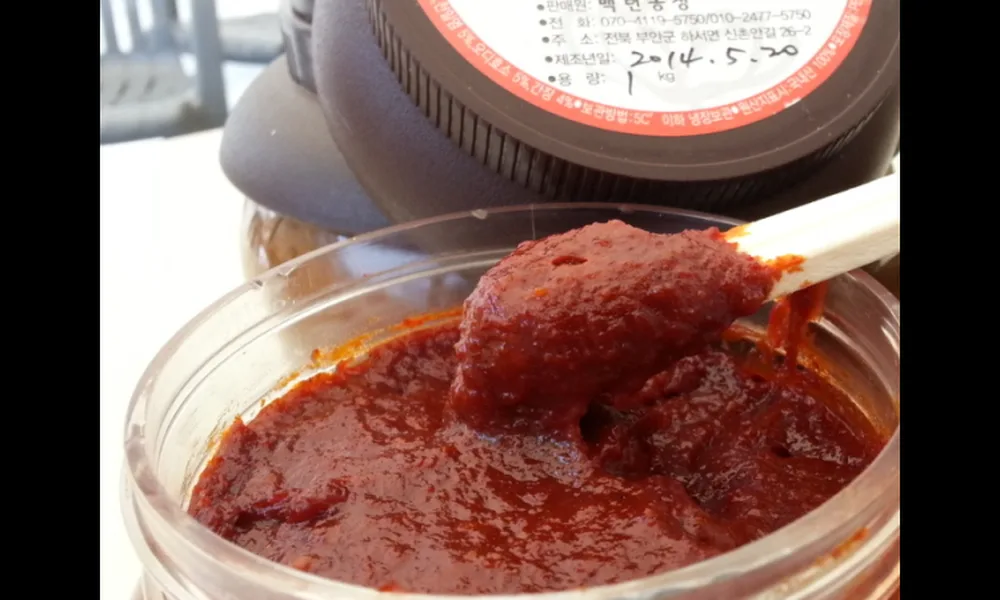
Once opened, gochujang lives in the fridge with the lid on tight. The paste is salty and fermented, so it keeps well, and an open tub stays good for months. The surface may darken slightly over time, which is normal: the paste underneath is fine, and you can simply stir it before using. Keep the rim clean and the lid sealed, because the paste picks up fridge odours and dries out at the edges if it is left open.
Mistakes that ruin good gochujang
The most common mistake is using too much. Gochujang is concentrated, and a tablespoon too many can turn a balanced dish into a furnace, so start small, taste, and add more. The second mistake is cooking it too hard for too long. High heat dulls the sweetness and the fermented notes, so add the paste late in cooking or use it as a finishing sauce where you can. The third mistake is buying the hottest jar first: very hot gochujang is a specialist tool, and it will sit unused if the cook is not ready for it.
Your gochujang checklist
- Choose mild for dips and first-timers, medium for everyday cooking, hot for tteokbokki and fiery stews.
- Check the heat number on the tub before you buy, and match it to your household.
- Read the label: chilli, glutinous rice and fermented soybeans first, no corn syrup near the top.
- Start with a tablespoon, taste, and build up; the paste is concentrated.
- Add it late in cooking or use it as a finishing paste to keep its sweetness bright.
- Store the open tub in the fridge with the lid tight, and it will keep for months.
Frequently asked questions
What is the difference between gochujang and sriracha?
Gochujang is a thick, fermented paste that is sweet as well as hot, with a deep savoury note from soybeans and rice. Sriracha is a thinner, sharper chilli sauce made from fresh chillies, vinegar and garlic, with a cleaner, more vinegary heat. Gochujang suits marinades, stews and rice dishes; sriracha suits squirting over finished food.
Is gochujang very spicy?
It depends on the jar. Mild gochujang is gently warm and noticeably sweet, medium has a clear but manageable heat, and hot or very hot jars are seriously spicy. The heat number on the tub is the best guide, and a tablespoon of medium paste in a whole dish is warm rather than fiery.
Does gochujang need to be refrigerated?
Yes, once opened. The fridge slows fermentation and keeps the flavour bright for months. Keep the lid tight and the rim clean, and stir the surface before using if it has darkened slightly, which is normal and harmless.
Is gochujang gluten-free?
Not always. Many traditional recipes use wheat or barley alongside the rice, and some brands add wheat as a thickener. Check the label carefully, and look for a jar that states gluten-free clearly if it matters to you.
How long does an open tub of gochujang last?
Months, easily. Kept cold and sealed, an open tub stays good for three to six months, and often longer. The paste darkens slowly as it ages, which is normal; stir it and use the paste underneath, and replace the jar if it ever smells sour or off.
What can I use instead of gochujang?
Nothing matches it exactly, because the sweet fermented heat is unique, but a mix of chilli paste and a little sugar gets part of the way there. For heat alone, a good hot sauce will warm a dish, though it lacks the sweetness and body. For a sweet-savoury glaze, teriyaki sauce brings the gloss and the sweetness without the chilli. And for salty, fermented depth in a marinade, fish sauce adds the savoury backbone that gochujang also carries. In practice, though, a jar of gochujang is cheap, keeps for months, and earns its shelf space.
The bottom line
Gochujang is one of the hardest-working jars in any kitchen: sweet, hot and savoury in a single spoonful, cheap, and long-lasting. Buy a medium jar from a producer that ferments properly, start with a tablespoon, and let it season your rice, your marinades and your stews. Once it earns a permanent place in your fridge, you will reach for it more often than almost any other condiment you own.


