
Sriracha is the red sauce with the green cap that seems to live on every table, in every fridge door, and next to every bowl of noodles in 2026. It is sweet, garlicky, and warm rather than punishing, and it goes on eggs in the morning, sandwiches at lunch, and stir-fries at dinner without ever feeling out of place. That is the whole secret of sriracha: it is not the hottest sauce on the shelf, and it is not the most complex, but it is the one people reach for when they want a little heat and a lot of flavour, and they want it right now.
This guide explains what sriracha actually is, how its heat and its garlic-vinegar balance work, how to tell a good bottle from a poor one, and where it shines and where it does not. It stays with sriracha itself: one sauce, one bottle, and the many small ways it earns its place on the table.
Key Takeaways
- Sriracha is a smooth, garlicky chilli sauce: medium heat, a little sweetness, and a gentle vinegar tang, not a scorching sauce.
- The flavour comes from the balance of chilli, garlic, vinegar, salt, and sugar, so a good bottle tastes of all five, not of heat alone.
- It is a table sauce first: add it at the end, or at the table, so the garlic and sweetness stay bright.
- It suits eggs, noodles, rice, sandwiches, and grilled food, but its sugar can burn if it goes into a very hot pan too early.
- Store it in a cool, dark cupboard, keep the nozzle clean, and use it within a few months of opening for the best flavour.
What Sriracha Actually Is
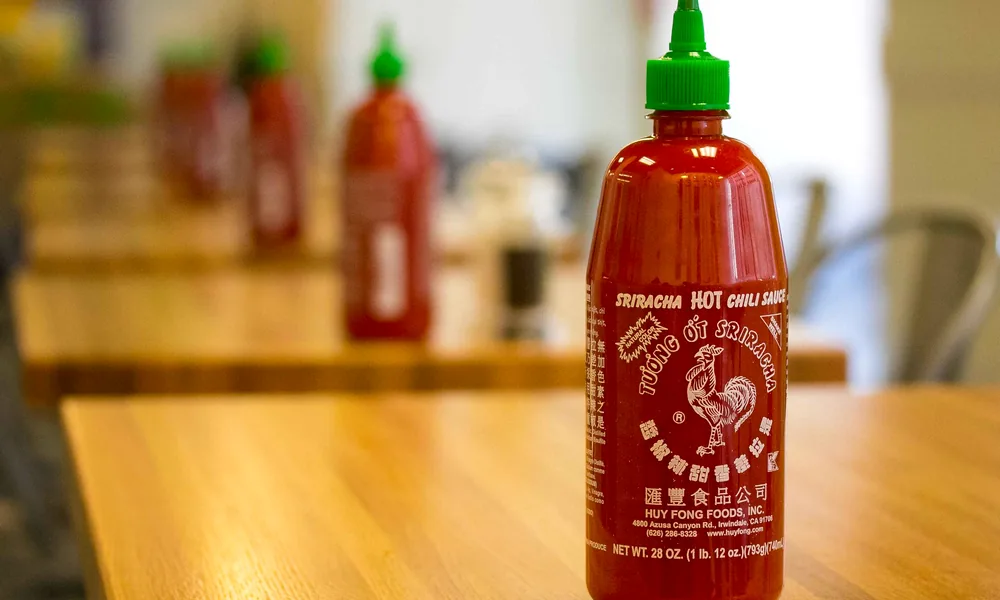
Sriracha began as a Thai sauce named for the coastal town of Si Racha, where chillies, garlic, vinegar, salt, and sugar were ground into a smooth, spoonable sauce for seafood. The version most people know today is the thick red sauce in the clear squeeze bottle with the green cap and the rooster on the label, made famous in America, but the idea is the same in every bottle: red chillies for warmth, garlic for savouriness, vinegar for brightness, and a little sugar to round the edges.
The texture is part of the appeal. Sriracha is thicker than a vinegar-based hot sauce and smoother than a chunky salsa, so it sits where you put it instead of running off the food. It pours in a neat ribbon from the nozzle, which is why it works as a drizzle over a finished dish and as a spread inside a sandwich. Shake the bottle before you squeeze, because the sauce can separate slightly as it sits, and a quick shake brings it back together.
The Garlic and Vinegar Balance
Garlic is what makes sriracha taste like sriracha. Open a bottle and the first thing you notice after the chilli is the warm, savoury smell of garlic, and that garlic is what keeps the sauce from tasting one-note.
Vinegar does the other half of the job. It gives the sauce its bright, slightly sharp edge, and it keeps the sweetness from turning cloying.
Sugar is the quiet third partner. There is not much of it, but without it the sauce would be harsh, and with too much it turns sticky-sweet and starts to taste like a sweet chilli sauce instead. The balance to look for is a sauce that tastes savoury first, warm second, and sweet only at the very end, as a soft finish rather than a flavour of its own.
How Hot Is Sriracha, Really?
Sriracha sits firmly in the middle of the heat scale. The chillies behind it are usually red jalapeños, which are warm rather than fierce, and the finished sauce lands at roughly one to two thousand Scoville units once the vinegar, garlic, and sugar have softened it. That is hotter than a mild salsa and far cooler than a habanero sauce, and it is exactly why so many people love it: it warms the mouth without taking over the meal.
Heat feels different depending on what you put the sauce on. On plain rice or a fried egg, a teaspoon of sriracha gives a clear, steady warmth that builds slowly and fades cleanly.
Sriracha Compared: What Makes One Bottle Better Than Another
| What to check | A good bottle | A poor bottle |
|---|---|---|
| First ingredient | Chilli, or chilli and garlic | Water, or sugar, ahead of chilli |
| Garlic | Clear, savoury, present throughout | Barely there, or only a sharp chemical note |
| Vinegar | Bright lift that fades fast | Sharp bite that dominates the flavour |
| Sweetness | Soft finish, barely noticeable | Sticky-sweet, tastes like sweet chilli sauce |
| Texture | Smooth, thick, pours in a ribbon | Thin and watery, or gritty and separated |
| Colour | Deep, even red | Orange, brown, or dull and faded |
Reading the Bottle Before You Buy It
The ingredient list is short on a good bottle of sriracha, and that is the first thing to check. Chilli should come first or near the top, followed by sugar, salt, garlic, and vinegar in some order, and that is all a good sriracha needs.
Look at the colour through the bottle. A good sriracha is a deep, even red, the colour of ripe chillies, and it stays that way until the bottle is finished.
Where Sriracha Shines
Eggs are sriracha’s natural home. A fried egg with a drizzle of sriracha needs nothing else: the yolk softens the heat, the garlic lifts the egg, and the vinegar cuts through the richness. The same is true of scrambled eggs, omelettes, and egg sandwiches, where the sauce does the work of seasoning the whole plate. It is the reason so many breakfast tables have a bottle within arm’s reach.
Noodles are the second great match. Stir sriracha through a bowl of instant noodles, drizzle it over a noodle soup, or mix it into a cold noodle salad, and it seasons every strand. The instant noodles worth stocking in the cupboard become a proper meal with little more than a squeeze of sriracha, an egg, and some spring onions.
Sandwiches, burgers, and wraps are where sriracha earns its place as a spread. Mixed with a little mayonnaise it becomes a creamy, gently spicy sauce for a chicken sandwich.

Sriracha on Grilled and Fried Food
Grilled food loves sriracha because the sauce adds brightness to food that is rich and smoky. Brush it lightly over grilled chicken or prawns in the last minute of cooking, or serve it on the side as a dip, and it gives a lift that a plain barbecue sauce cannot.
Seafood is the original pairing, and it still works. A little sriracha with prawns, grilled fish, or a fish taco adds warmth without hiding the flavour of the fish, and the garlic suits shellfish especially well. The rule is the same as with everything else: add it at the end, taste, and then add more if you want it.
Where Sriracha Does Not Work So Well
Sriracha is a finishing sauce, and cooking with it needs care. The sugar in the sauce burns easily in a very hot pan, so if it goes into a stir-fry too early, it can turn dark and bitter before the food is cooked. Add it in the last minute, or off the heat entirely, and the flavour stays bright and the garlic stays sweet.
Finally, sriracha is not a substitute for a sauce that needs to cook into a dish. It will not thicken a stew, glaze a roast, or build the deep fermented flavour of a paste like gochujang, and using it that way wastes what it is good at. The gochujang worth a jar in the cupboard is the better choice when a dish needs a paste that cooks in, while sriracha is the better choice when a finished plate needs a lift.
Sriracha Next to Other Hot Sauces
Sriracha sits between the sharp vinegar sauces and the thick, sweet ones. A Louisiana-style sauce is thinner and sharper, built for splashing over fried food, while sriracha is thicker and rounder, built for spreading and drizzling.
The best way to think about it is as a wardrobe, not a contest. A household that cooks a lot will use sriracha most days, a vinegar sauce on fried food, and a fermented sauce when the sauce itself is meant to be tasted. The guide to hot sauces that bring the heat puts sriracha in its place among those styles, and it is worth reading before you buy a shelf full of bottles you will never finish.
Storing Sriracha So It Stays Good
An unopened bottle of sriracha keeps for months in a cool, dark cupboard, and it does not need the fridge. Once opened, it keeps its flavour best in the cupboard too, away from heat and sunlight, and it should be used within a few months. The fridge will not harm it, but it is not needed, and cold sriracha pours more slowly from the nozzle.

Checklist: Before You Buy Sriracha
- Check the ingredient list: chilli first, then sugar, salt, garlic, and vinegar, with nothing unnecessary.
- Look for a deep, even red colour through the bottle, not orange or brown.
- Choose a bottle with a clean nozzle and a cap that closes properly.
- Buy from a shop with good turnover and check the date.
- Start with a small bottle if you are trying sriracha for the first time.
- Keep it in a cool, dark cupboard and wipe the nozzle after each use.
Frequently Asked Questions
Is sriracha very hot?
No, it is medium heat. It is made from red jalapeños, softened by vinegar, garlic, and sugar, so it warms the mouth without overwhelming the food. Most people find a teaspoon on a plate comfortable, and a thin drizzle suits anyone wary of spice.
What does sriracha taste like?
It tastes of chilli, garlic, vinegar, and a little sweetness, in that order. The garlic is the flavour that makes it distinctive: warm and savoury, with a bright vinegar lift and a soft sweet finish.
Is sriracha the same as other hot sauces?
No. It is thicker and sweeter than a vinegar-based hot sauce, smoother than a salsa, and less funky than a fermented hot sauce. Its garlic and its texture are what set it apart.
Can I cook with sriracha?
Yes, but add it at the end. Its sugar burns easily in a very hot pan, so stir it in during the last minute of cooking or drizzle it over the finished dish, where its flavour stays bright.
What food goes best with sriracha?
Eggs, noodles, rice bowls, sandwiches, grilled chicken, fried food, and seafood. It suits plain, rich, or fatty food best, where its garlic, vinegar, and heat can lift the whole plate.
How long does sriracha last once opened?
Several months in a cool, dark cupboard, and it is at its best in the first few months. When the colour darkens toward brown and the garlic smell fades, it is time for a fresh bottle.
The Bottom Line
Sriracha goes on everything in 2026 because it does one simple thing very well: it adds warmth, garlic, and brightness to food without taking over the plate. Buy a bottle with a short ingredient list and a deep red colour, add it at the table rather than in the pan, and keep it for the foods it suits best. The bottle will empty itself.


