
The Best Fish Sauces for Umami in 2026
Fish sauce is the hardest-working bottle in Southeast Asian cooking, and it does more with a teaspoon than most condiments do with a cup. A few drops add salt and a deep, savoury richness that makes noodles taste complete, soups taste rounder, and dipping sauces taste as though they have been balanced by a professional. The best fish sauce in 2026 is a naturally fermented sauce made from fish and salt alone, and the right one depends on whether you are cooking, dipping, or seasoning at the table.
Most bottles look the same, amber and thin, with a similar label, but they do not taste the same. Some are clean and rich, some are sharp and harsh. This guide explains what is in the bottle, how the main styles differ, and which one deserves a place in your kitchen.
Key takeaways
- A good fish sauce has two ingredients, fish and salt, and a clean, rich flavour; a long list of additives is a warning sign, not a feature.
- First-press and premium bottles are smoother and less harsh, and they are worth the extra money for dipping sauces and table use.
- Use fish sauce by the teaspoon, not the tablespoon: a little adds depth, a lot makes food taste salty and fishy all at once.
- Thai, Vietnamese and Filipino sauces differ in strength and sweetness, so match the style to the dish you are cooking.
- Store an opened bottle in a cool, dark cupboard, cap on, and it will keep its flavour for a year or more.
What fish sauce actually is
Fish sauce is a fermented seasoning made by layering small fish, usually anchovies, with salt in barrels and leaving them to break down over months. As the fish ferment, their proteins turn into amino acids, creating the deep, savoury taste, umami, that makes fish sauce so useful. The liquid that drains off is filtered and bottled, and the result is a clear, amber liquid that smells strong and tastes salty, savoury and faintly sweet.
The smell is the part that puts people off, and it is misleading. Straight from the bottle, fish sauce smells intense and fishy, but once it is diluted into a dish or a dipping sauce, the harshness disappears and only the savoury depth remains. A noodle soup seasoned with fish sauce does not taste of fish at all.
The main styles, compared
The fish sauce shelf looks confusing because the same word covers several different products. Each style has a different strength and a different job: Thai sauce seasons, Vietnamese sauce dips, Filipino sauce is milder, and Korean sauce is for cooking.
| Style | Strength | Best use |
|---|---|---|
| Thai (nam pla) | Strong, salty, clean | Stir-fries, curries, pad thai |
| Vietnamese (nuoc mam) | Medium, slightly sweet | Dipping sauces, pho, spring rolls |
| Filipino (patis) | Milder, lighter | Soups, stews, everyday seasoning |
| Korean (aekjeot) | Strong, pungent | Kimchi, stews, braises |
| First-press / premium | Rich, smooth, less harsh | Dipping, table use, dressings |
| Low-sodium | Lower salt, slightly thinner | Everyday cooking with less salt |
Thai fish sauce: the everyday bottle
Thai fish sauce, called nam pla, is the workhorse. It is strong, salty and clean-tasting, made from anchovies and salt, and it is the bottle to reach for when a recipe simply says fish sauce. It seasons stir-fries, curries, fried rice and noodle dishes without darkening the food much, and it is the bottle to keep by the stove.
Vietnamese fish sauce: the dipping sauce
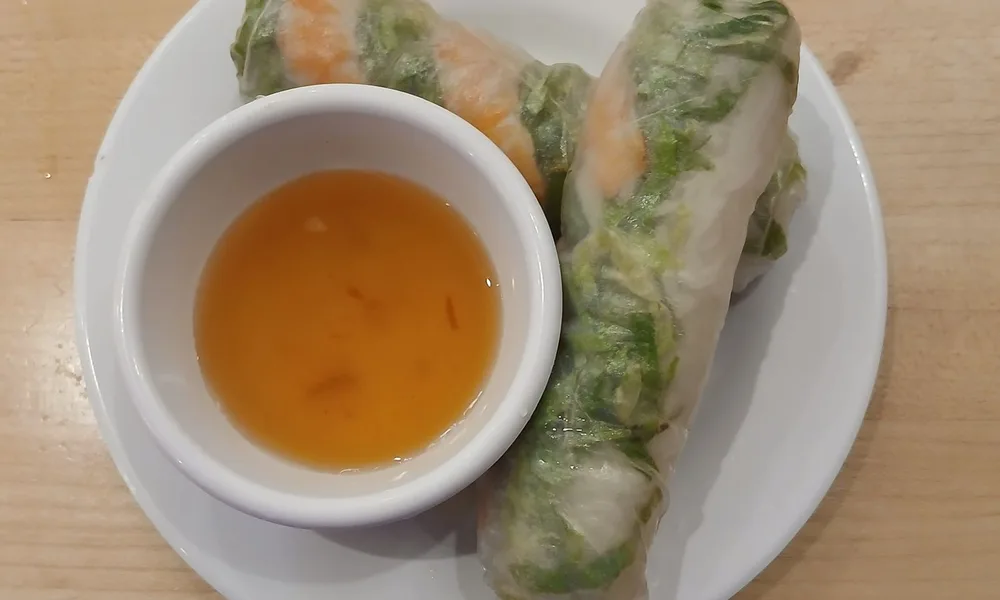
Vietnamese fish sauce, called nuoc mam, is a little milder and slightly sweeter than the Thai style, and it is the best choice for dipping sauces. The classic nuoc cham, a mix of fish sauce, lime juice, sugar, garlic, chilli and water, is the sauce that sits on the table with spring rolls, grilled meat and noodle salads, and it depends on a good bottle to work.
Filipino, Korean and first-press sauces
Filipino fish sauce, called patis, is lighter and milder than the Thai and Vietnamese styles, and it is used as an everyday seasoning in soups, stews and braised dishes. It is a good choice if you find other fish sauces too strong, and it works well as a first bottle for cooks who are new to the ingredient.
Korean fish sauce, called aekjeot, is stronger and more pungent, and it is mainly a cooking ingredient rather than a table sauce. It is essential for kimchi, where its flavour is part of the ferment, and it is used in stews and braises where its strength is diluted. Do not use it as a dipping sauce.
First-press sauce is the premium tier. The first liquid drawn from the barrels is the richest and smoothest, and it is sold as a premium bottle. Second-press sauce, made by adding brine and drawing off a second batch, is lighter. For dipping and table use, first-press is noticeably better.

How to read a fish sauce label
The label tells you almost everything you need to know. The first thing is the ingredient list, which should read like a short sentence: anchovies, salt, and perhaps water. Some good sauces add a little sugar. If the list is long, with hydrolysed protein, flavour enhancers and preservatives near the top, the bottle is imitating the real thing.
The second thing is the protein number, usually shown as nitrogen content, or N, on the label. A higher number means more fish protein and a richer sauce: a good cooking sauce is around 30N, and a premium first-press bottle can reach 40N or more. It is not a guarantee on its own, but it is a useful guide when comparing two bottles.
The third thing is the colour. A good fish sauce is a clear, reddish amber, like strong tea, and you should be able to see through it. A cloudy bottle, or one that is very dark brown, has usually been made quickly or stored badly.
Cooking with fish sauce
The most common mistake is adding fish sauce too early. In a stir-fry, it should go in near the end, once the vegetables and protein are nearly cooked, so it coats the food instead of boiling away and turning harsh. The sesame oil that changes stir-fries is added even later, off the heat.
Curries and soups are the second place fish sauce earns its keep. A spoonful in a Thai curry or a Vietnamese soup adds a savoury depth that salt alone cannot give. Add it gradually and taste as you go, because the salt is concentrated and it is easy to over-season a pot.
Fish sauce is not only for Asian cooking. A splash in a mushroom sauce, in the water for boiling green beans, or in a vinaigrette gives the same savoury depth, and a few drops in a tomato sauce or a beef gravy add richness. The soy sauces worth pouring in 2026 are the closest comparison: soy seasons with a clean savouriness, and fish sauce with a deeper, rounder one.
Dipping sauces and the table
At the table, fish sauce is a dipping sauce first and a seasoning second. The classic Vietnamese nuoc cham is the recipe to learn: three tablespoons of fish sauce, three of lime juice, two of sugar, one minced garlic clove, a sliced chilli, and four tablespoons of water, stirred until the sugar dissolves.
One bottle for the stove and one for the table is a practical setup. The cooking bottle can be a good standard Thai or Vietnamese sauce, used generously. The table bottle should be a first-press sauce you enjoy. The rice varieties worth stocking your pantry with keep in the same cupboard, and the two together cover most quick weeknight meals.
Soups, pho and slow cooking
Soups are where fish sauce shows its gentler side. In pho, the Vietnamese noodle soup, the broth is seasoned with fish sauce at the end of cooking, a spoonful at a time, until it tastes round and complete. The sauce adds the savoury backbone that the bones and spices alone cannot give.
The same idea works in any soup: a teaspoon in a chicken, lentil or vegetable soup lifts the flavour without making it taste of anything in particular. It is also good in braises, where a tablespoon added early has hours to melt in. The salt concentrates as liquid reduces, so finish seasoning when the dish is nearly done.

Storing fish sauce properly
An unopened bottle keeps for years in a cool, dark cupboard, and the sauce is so salty that it is one of the most stable condiments you can own. Once opened, it keeps for one to two years, though its flavour is best in the first year. Keep the cap on and the bottle out of direct sunlight.
What goes wrong with fish sauce is usually oxidation and light, not spoilage. A bottle left open in a warm, bright kitchen will slowly taste flatter, and the colour can darken. Salt crystals can form around the cap, which is harmless. There is no need to refrigerate it, and the fridge can dull the flavour slightly.
Your fish sauce checklist
- Buy a sauce with two ingredients, fish and salt, and check the protein number: around 30N for cooking, 40N or more for a premium first-press bottle.
- Keep two bottles if you cook with it often: a standard Thai or Vietnamese sauce for cooking, and a first-press sauce for dipping and the table.
- Hold the bottle up to the light before buying: clear, reddish amber is right, and cloudy or very dark brown is a warning sign.
- Add fish sauce late in a stir-fry and gradually in soups, tasting as you go, because it is easy to over-salt a dish.
- Learn one dipping sauce, nuoc cham, and adjust it to taste: salty, sour, sweet and hot in balance, with no single flavour dominating.
- Store opened bottles in a cool, dark cupboard, cap on, and use them within a year for the best flavour.
Frequently asked questions
What does fish sauce taste like?
Straight from the bottle it smells strong and tastes very salty, but diluted into a dish it adds a deep, savoury richness without any fishy flavour. The finished dish tastes seasoned and complete, in the same way that a dish seasoned with soy sauce tastes seasoned rather than of soy.
Is fish sauce the same as soy sauce?
No, although both are dark, salty, fermented seasonings. Soy sauce is made from soybeans and wheat and tastes clean and savoury, while fish sauce is made from fermented fish and salt and tastes deeper, rounder and slightly sweet.
Does fish sauce contain gluten?
Most fish sauces are naturally gluten-free, because they contain only fish, salt and sometimes water or sugar. Some cheaper brands add hydrolysed wheat protein, so check the label if anyone at the table has coeliac disease or a wheat allergy.
How much fish sauce should I use?
Start with a teaspoon for a dish serving four, and a tablespoon for a whole pot of soup or curry. Taste before adding more, because the sauce is concentrated and it is easy to over-salt a dish.
Does fish sauce go off?
An opened bottle keeps for one to two years in a cool, dark cupboard, and it rarely becomes unsafe because it is so salty. It can lose flavour over time and the colour can darken, so use it within a year for the best taste.
What can I use instead of fish sauce?
Soy sauce with a squeeze of lime is the closest everyday substitute, and Worcestershire sauce works in savoury cooking where a little sweetness is welcome. Neither tastes exactly the same, so use them when the sauce is a background seasoning.
The bottom line
Fish sauce rewards attention and a bottle made well. One fermented sauce, made from fish and salt, used by the teaspoon in stir-fries and soups, adds depth no other condiment can match. Buy the real thing and use less than you think you need.


