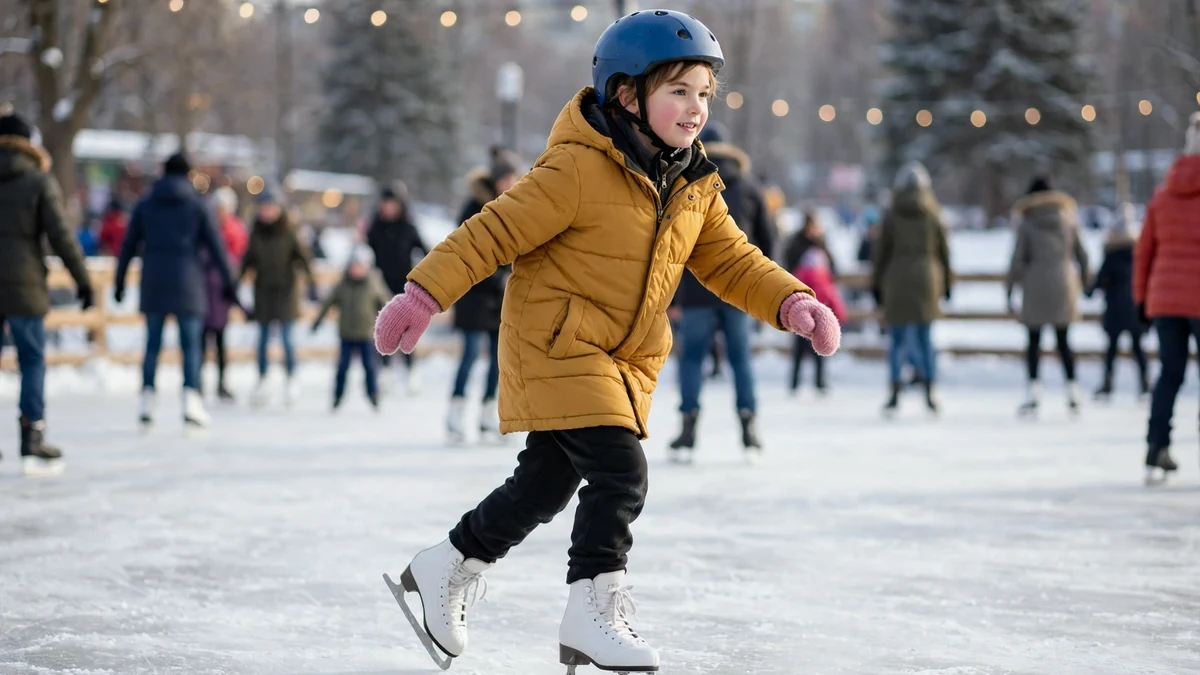
A kids helmet is not a small adult helmet. It is a different piece of kit with a different job: it has to fit a smaller, rounder head, stay comfortable on a ride that stops every few minutes, survive being dropped on the pavement, and still be something a child is happy to put on without an argument. The best kids helmets of 2026 do all of that without feeling heavy, hot or fussy, and the worst ones fail on the basics long before the colour or the pattern ever matters.

What Makes a Kids Helmet Different
An adult helmet is shaped for an adult head and an adult ride. A kids helmet assumes the opposite. It assumes the rider will stop suddenly, wobble at low speed, drop the helmet on the ground, leave it in the sun and hand it over with sticky hands. The shell is therefore made to take everyday knocks, the inside padding is made to be comfortable against a smaller head, and the straps and dial are made to be adjusted by a parent in a few seconds, not fiddled with for ten minutes on the pavement.
Weight is the second difference, and it is the one most parents notice first. A heavy helmet pulls a small neck forward, slides down over the eyes and gets taken off at the first opportunity. The best kids helmets keep the weight down with a light shell and a simple shape, so the helmet feels like part of the ride rather than a load to carry. If you want the wider adult picture as well, our guide to the best cycling helmets of 2026 covers the full-size market, but for a child the weight and the fit matter more than the top speed or the racing shape.
How to Choose: The Five Things That Matter Most
Start with size, and measure before you buy. Wrap a soft tape measure around the widest part of the head, just above the eyebrows and ears, and compare that number with the size range printed on the box. Most kids helmets come in small, medium and large, but the numbers behind those labels are not the same from one maker to the next. A helmet that is labelled for a five-year-old may be too tight for one child and too loose for another of the same age, so the centimetre measurement is always more useful than the age on the packet.
Next, check the fit system. Look for a dial at the back that tightens the inner band in small steps, and for straps that form a neat V under each ear. The helmet should sit level on the head, low on the forehead, with about two fingers of space between the eyebrows and the front edge. It should not slide forward over the eyes, slide back off the forehead, or rock from side to side when the child shakes their head gently. A good fit system lets you get that position in a minute and keep it there for the whole ride.
Safety standards come third. Look for a label inside the helmet that names a recognised standard for the country where it will be used, such as CPSC in the United States or EN 1078 in Europe, and check that the label matches the type of riding the helmet is sold for. A helmet sold for cycling, a helmet sold for skateboarding and a helmet sold for scooters are not always tested in the same way, so read the label rather than guessing from the shape. A clear standards label is a basic sign that the helmet has been made and checked to a known set of rules.
Ventilation is fourth, and it is easy to overlook on a cool morning in the shop. A helmet with too few vents becomes hot and sweaty within minutes on a warm day, and a hot child will want the helmet off. Look for vents that let air move through the helmet, and for padding that can be removed and washed. The best kids helmets balance vents with coverage, so the head stays cool without leaving large gaps in the shell. Try the helmet on for a few minutes indoors before deciding, because a helmet that feels fine for thirty seconds can feel very different after ten.
Finally, think about visibility and colour. A bright helmet is easier to see in a park, on a pavement and at a crossing, and a child is far more likely to wear a helmet they chose themselves. Let the child pick the colour or the pattern from a shortlist you have already approved for fit and size. A helmet in a favourite colour that gets worn every time is worth far more than a technically perfect helmet in a colour the child refuses to wear.
The Best Kids Helmets by Age
For children aged five to eight, the helmet needs to keep up with faster riding. The child will be pedalling further, riding a scooter to the park and learning to balance on two wheels, so the helmet should have a dial fit, good vents and a shell that can take being dropped. This is also the age when the child starts to care about how the helmet looks, so let them choose the colour. A helmet that feels grown-up to them, with a pattern or a colour they picked, will be worn far more willingly than one chosen for them.
For children aged nine to twelve, the helmet needs to grow up with the rider. Rides get longer, speeds get higher and the child may be riding to school, to a friend’s house or on a skateboard as well as a bike. Look for a helmet with a wider size range, a stronger fit system and vents that work on a warm day. The child will want to choose it themselves by now, so agree the shortlist on fit and standards first, then let them make the final choice. A helmet they chose is a helmet they will keep wearing.
Bike, Scooter and Skateboard: One Helmet or Different Ones?
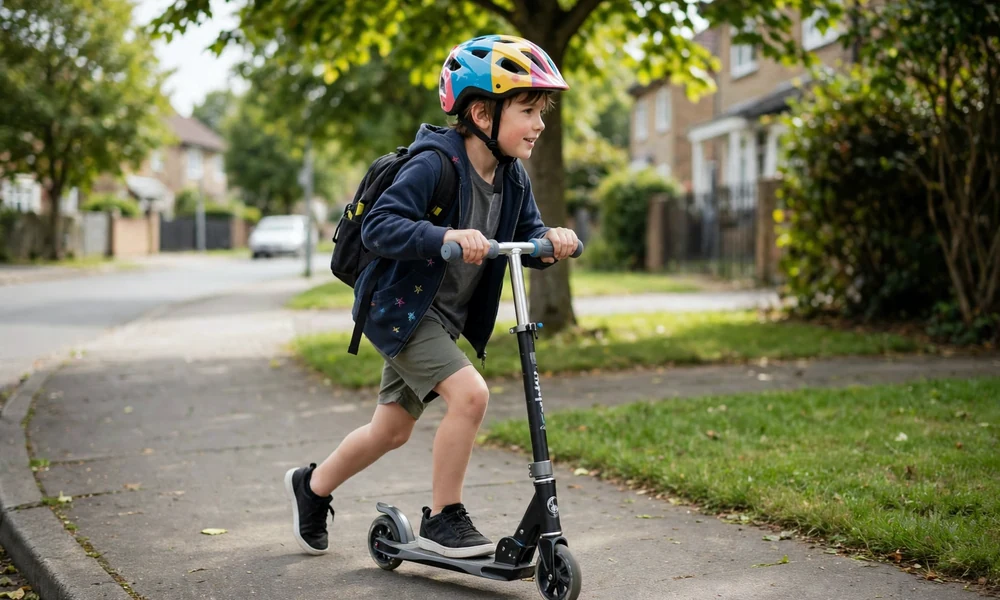
Most families start with one helmet for everything, and for many children that works well. A helmet made for cycling usually suits a kick scooter too, because the riding position and the speeds are similar, and the fit and the standards label are the same ones you would check for a bike. If your child rides a scooter every day, our guide to the best scooters for kids of 2026 is worth reading alongside this one, because the scooter and the helmet are bought together far more often than people expect, and the right pair makes the daily ride to the park much simpler.
Skateboarding is a little different. A skateboard helmet often covers more of the back of the head and is made to be worn for repeated small falls, so the shape and the padding are not quite the same as a cycling helmet. If your child rides a skateboard regularly, look for a helmet that is labelled for skateboarding as well as cycling, or buy a second helmet for the board. The same goes for an electric bike, where the speeds are higher and the rides are longer: our guide to the best electric bikes for kids of 2026 covers the bikes themselves, and the helmet for those rides should be chosen with the same care as the bike.
Getting the Fit Right at Home
Fit the helmet at home, before the first ride, and take your time. Put the helmet on level, tighten the rear dial until the helmet feels snug but not tight, then adjust the straps so they meet in a V under each ear and the chin strap sits snugly under the chin, with room for about two fingers between the strap and the chin. Ask the child to open their mouth wide: the helmet should pull down slightly, which is a good sign that the strap is doing its job. Then ask them to shake their head gently. The helmet should move with the head, not slide around on its own.

Care, Cleaning and When to Replace
Replace the helmet after a hard knock, even if you cannot see any damage. A helmet that has taken a serious impact may have done its job once and may not be in the same condition afterwards, so it is better to replace it than to keep using it and wonder. Replace it too if the shell is cracked, the straps are frayed, the dial no longer tightens, or the fit no longer works because the child has outgrown it. As a rough guide, check the helmet at the start of each riding season, and replace it when it no longer fits, no longer fastens properly or shows visible wear.
What to Avoid When Buying a Kids Helmet
Avoid helmets with no standards label at all. A cheap helmet with no label, no size range and no maker name is a gamble, and the saving is never worth the worry. A helmet should tell you clearly what it is made for, what size it is and what standard it meets. If the box does not say, choose another helmet. The same goes for a helmet that is sold as a toy or a fancy-dress item: if it is not sold as a riding helmet, it should not be worn as one.
Frequently Asked Questions
How do I measure my child’s head for a helmet? Wrap a soft tape measure around the widest part of the head, just above the eyebrows and ears, and compare that number with the size range on the box. Measure twice, because a tape that slips gives a wrong number, and if the measurement falls between two sizes, try both on and choose the one that sits level and feels snug without pressing.
Can one helmet be used for a bike and a scooter? In most cases, yes, as long as the helmet is labelled for the type of riding it will be used for. A cycling helmet usually suits a kick scooter well, but check the label before you buy, and look for a helmet labelled for skateboarding as well if your child rides a board regularly.
How often should I check the fit? Check it after the first few rides, then every few weeks, and always after the helmet has been dropped or the straps have been adjusted. Heads grow, straps loosen and dials get knocked, so a quick check before a ride is worth far more than a long argument about a helmet that no longer fits.
The best kids helmet is the one that fits your child, suits the way they ride and gets worn every time. Choose a light helmet in the right size, with a clear standards label, a dial that holds the fit and a colour your child likes, and the helmet will become part of the ride rather than a chore before it. Choose on price or on looks alone, and you will be choosing again far sooner than you planned.