Canvas Boards That Take Paint Without Warping in 2026
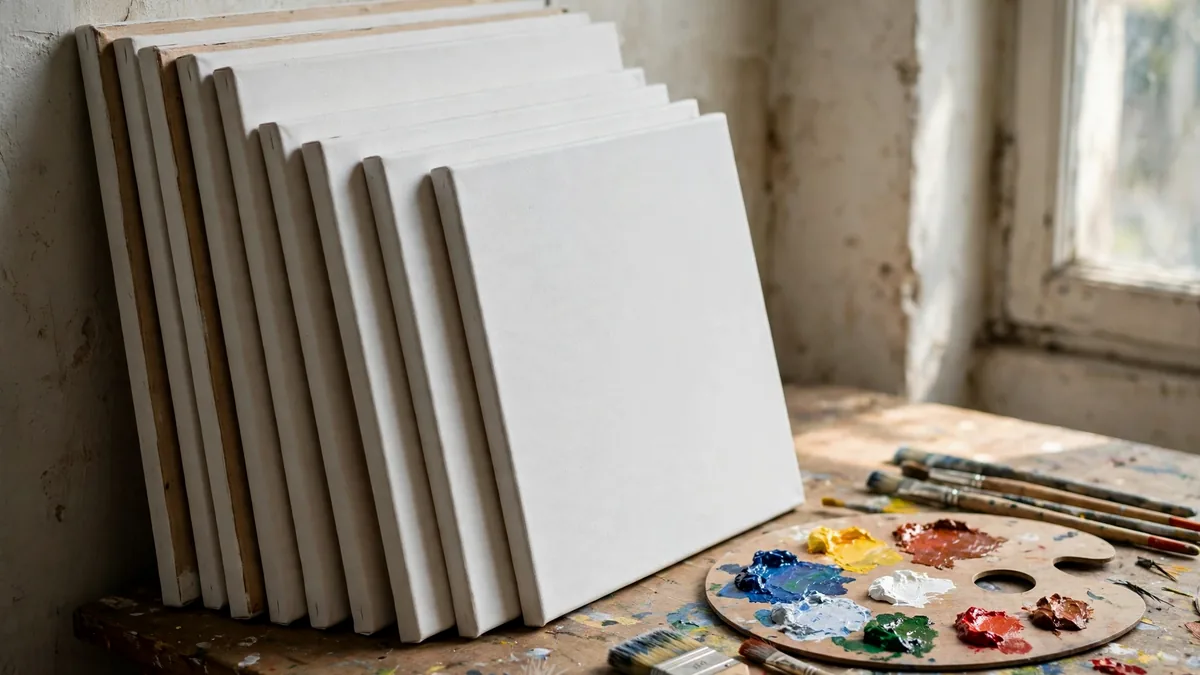
Canvas boards that take paint without warping in 2026 are the unsung workhorses of the art world: cheap, flat, easy to store, and ready to paint on straight out of the packet. A good canvas board stays flat through wet washes, thick impasto and heavy layers of paint, while a poor one buckles the moment it gets wet, curls at the corners as it dries, and ruins a painting you spent hours on. The best canvas boards in 2026 hold their shape from the first brushstroke to the final frame.
Choosing the right board is about matching it to the paint you use and the way you work: a board that suits thin acrylic washes will bow under heavy oil paint, and a board made for practice will not survive a painting you plan to sell. This guide compares the strongest canvas boards of 2026, explains what stops a board warping, and helps you pick a surface that stays flat and takes paint cleanly.
Key Takeaways
- Warping is a water problem: a board warps when one side gets wet and swells while the other stays dry, so seal and prime both sides.
- A canvas board is the painting surface, not the stand: the rigid primed panel you paint on, which clips onto an easel while you work.
- Primed boards are ready to paint on, while unprimed boards need gesso first, or the paint sinks in and dulls.
- Thicker boards resist warping better, but a well-sealed thin board beats a thick unsealed one.
- Store boards flat and dry: leaning a stack against a damp wall bows a whole packet.
What Makes a Canvas Board Take Paint Without Warping
A canvas board is canvas glued to a rigid backing, usually hardboard, and primed so paint sits on the surface instead of soaking in. Warping happens when moisture gets into that sandwich unevenly: wet paint soaks the canvas side, the fibres swell, and the board bends towards the dry side. The fix is a board sealed on both faces, so moisture cannot enter one side faster than the other, and a core thick enough to resist the pull.
Priming is the board’s first line of defence. A good factory primer, usually two or three coats of acrylic gesso, seals the canvas fibres and gives the paint a grippy, even surface. Cheap boards often carry a single thin coat that lets paint soak through to the glue beneath, weakening the bond. Before you buy, look at the surface in good light: a well-primed board looks matte and even, with no shiny patches.
Primed Board, Stretched Canvas or Paper: Which Surface Suits You
A primed canvas board is the most practical surface for everyday painting. It is cheap, stacks flat in a drawer, fits in a bag for outdoor work, and frames easily behind glass. It suits practice, studies and small finished paintings. Its weakness is scale: boards rarely come larger than A2, and a big painting needs the bounce of stretched canvas.
Stretched canvas is the classic choice for large and finished work. Canvas pulled tight over a wooden frame has a spring many painters love, and it hangs on a wall without a frame. But it is bulkier to store, more expensive, and can sag or dent if knocked, while a board shrugs off the same knock. For paintings to sell or hang unframed, stretched canvas still wins; for everything else, a board is often the smarter buy.
Paper is the third option, and suits watercolour and drawing rather than heavy paint. Even heavyweight paper buckles under thick acrylic or oil unless taped down and stretched first, while a board takes the same paint without a second thought. Paper is wonderful for washes and light work, but when the paint gets heavy, a rigid board stays flat.

Oil, Acrylic and Watercolour on Canvas Boards
Acrylic is the happiest medium on a canvas board. It dries fast, grips the primed surface well, and its water content is low enough that a sealed board barely notices it. Acrylic painters can work thin or thick on a board, layer freely, and even pour paint. Our guide to Acrylic Paints That Cover Bold and Bright in 2026 explains which acrylics hold their colour on a board, and a good brush helps too, so the same care that keeps a brush in shape applies to every board you paint on.
Oil paint is heavier and wetter, and asks more of a board. Oil seeps slowly, and an unprimed or thinly primed board will let it soak into the glue and core, staining the surface and weakening the bond. Use a board with a proper oil primer or two extra coats of gesso, give the painting time to dry flat, and oil on board is one of the most durable combinations: many old masters painted on panel.
Watercolour on a board is a niche choice, because watercolour wants absorbent paper, not a sealed primed surface. It can be done on boards primed with watercolour ground, a gritty coating that lets washes sit and lift like on paper. Our guide to Watercolour Paints That Blend Beautifully in 2026 covers the paints that need that absorbent ground, and the rule is simple: a standard acrylic-primed board will repel watercolour, so match the primer to the paint before you start.
How the Best Canvas Boards Compare in 2026
The table below sums up the main choices side by side.
| Type | Best for | Warp resistance | Price | Watch out for |
|---|---|---|---|---|
| Triple-primed hardboard | Oil and heavy acrylic | Excellent | Mid-range | Heavier to carry |
| Standard primed board | Everyday acrylic, practice | Good | Low | Thin primer; add gesso for oils |
| Sealed plywood board | Large work, wet techniques | Excellent | Higher | Needs framing; heavy |
| Watercolour ground board | Watercolour on a rigid surface | Good | Mid-range | Only for watercolour |
| Budget cardboard-core board | Children, quick sketches | Poor | Very low | Warps when wet; practice only |
Sizes and Thickness: Picking the Right Board
Canvas boards come in standard sizes from postcard to A2, and the right size fits both your painting and your storage. Small boards suit studies, plein air work and gifts, and are cheap enough to use freely. Large boards suit finished work, but are heavier and harder to store flat, so buy them only when you have a painting planned.
Thickness is measured in millimetres, and matters more than most painters expect. A 3 mm board is light and portable but flexes under heavy paint, while a 5 mm or 6 mm board stays rigid even under thick impasto. For oil painting, choose the thicker board every time. For thin acrylic washes, a standard 3 mm board is plenty.

Priming and Sealing: Getting a Board Ready
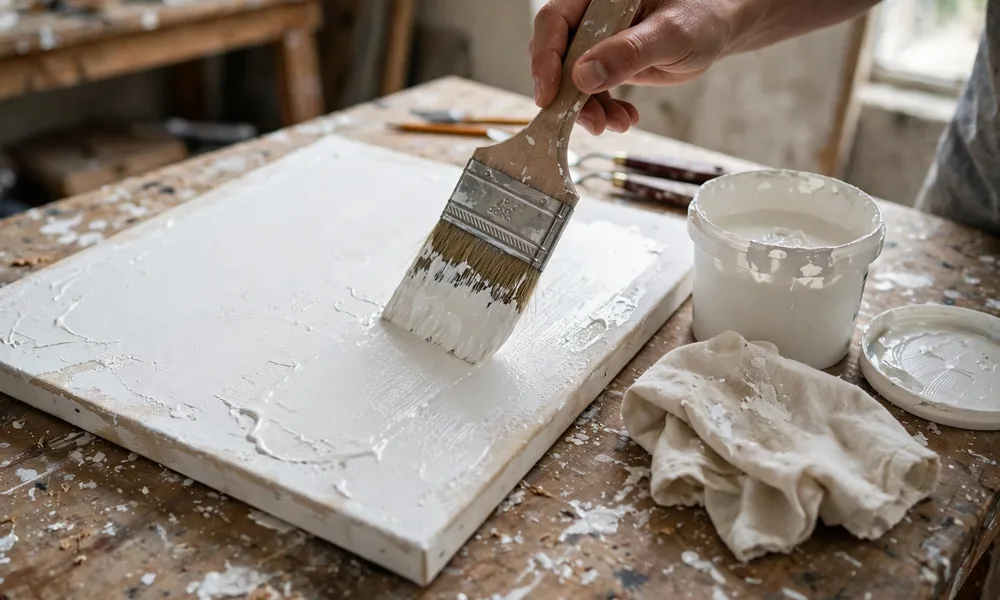
Most canvas boards arrive primed and ready to paint on, but a little extra preparation makes a real difference. A single extra coat of gesso, brushed on thinly and left to dry overnight, evens out the factory primer and seals thin patches. Sand it lightly with fine paper once dry, and the surface becomes beautifully smooth without losing its tooth.
Sealing the back is the step most painters skip, and the one that stops warping. Brush a coat of gesso or acrylic medium onto the back, and moisture can no longer enter one side faster than the other, so the board stays flat even under a soaking wash. It takes five minutes and is the single best thing you can do for a cheap board.
Canvas Board or Easel: Know the Difference
Beginners often confuse canvas boards with easels, but the two do entirely different jobs, and buying one when you need the other wastes money. A canvas board is the surface you paint on: a rigid, primed panel that takes the paint. An easel is the stand that holds that surface upright while you work. The board clips onto the easel, the easel holds it steady, and the two work together.
Our guide to Easels That Hold Your Canvas Steady in 2026 explains how to choose the stand that suits your boards, from tabletop easels for small studies to H-frame studio easels for large work. The pairing matters: a heavy board on a light field easel will tip it forward, while a small board on a grand studio easel is awkward. Match the easel to the largest board you use and the board for the paint you use, and the pair will serve you for years.
Common Mistakes That Warp a Canvas Board
The most common mistake is painting on a board straight from a damp packet. Boards absorb moisture from the air, and one stored in a garage or cold room can be damp before you open it. Let new boards sit in your painting room for a day first, so they settle to its humidity.
The second mistake is soaking one side only. A heavy wash on the face with a bone-dry back is exactly what makes a board curl, so seal the back, work in thin layers, and let each layer dry before the next. The third is leaning wet boards against a wall to dry: gravity pulls the wet paint down and the board follows it. Dry boards flat, face up, and they stay flat.
Your Canvas Board Checklist
- Choose a triple-primed hardboard core for oil and heavy acrylic, and a standard primed board for thin washes and practice.
- Check the edges before you buy: sealed, clean edges with no fraying canvas or exposed core.
- Brush one extra coat of gesso on the face and one on the back, and let both dry.
- Match the primer to the paint: gesso for acrylic and oil, watercolour ground for watercolour.
- Store boards flat and dry, and let new boards settle in your painting room for a day.
- Dry finished paintings flat, face up, and wait until fully cured before framing.
Frequently Asked Questions
Why does my canvas board warp when I paint on it?
Warping happens when one side gets wet and swells while the other stays dry. Seal the back with gesso, work in thin layers, and let each layer dry before the next, and the board stays flat.
Can I paint oil on a canvas board?
Yes, if the board is properly primed. Use a board made for oils or add two coats of gesso plus an oil primer, and let each coat dry fully. Oil on a well-primed board is one of the most durable combinations.
Are canvas boards better than stretched canvas?
They are better for practice, studies, small work and storage, because they are cheaper, flatter and easier to stack. Stretched canvas is better for large finished paintings that hang unframed. Most painters keep both.
Do I need to prime a canvas board before painting?
Most boards arrive primed and ready to use, but one extra coat of gesso on the face improves the surface, and a coat on the back stops warping. Unprimed boards always need gesso first, or the paint sinks in and dulls.
What is the difference between a canvas board and an easel?
A canvas board is the rigid primed surface you paint on. An easel is the stand that holds that surface upright while you work. The board clips onto the easel, and the two do different jobs.
How should I store canvas boards?
Store them flat, in a dry room, with nothing heavy on top. Leaning a stack against a damp wall is the fastest way to bow a whole packet, and damp storage warps boards before you ever paint on them.
The Bottom Line
The canvas boards that take paint without warping in 2026 are the ones with a dense sealed core, a proper triple-primed face and a sealed back: they stay flat through wet washes, heavy impasto and slow-drying oils, and cost little enough to use freely. Seal the back, prime the face, dry your work flat, and a humble board will carry paintings that last as long as any stretched canvas.