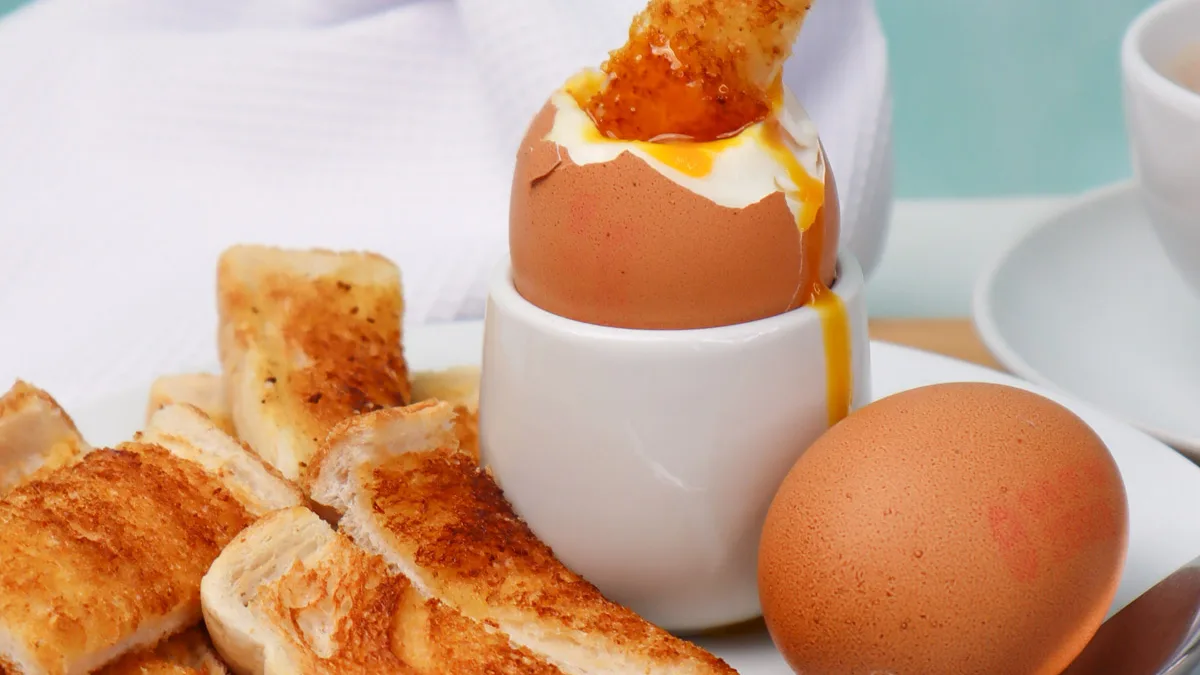
An egg cup looks like the simplest object in the kitchen: a small cup that holds an egg upright. Buy the wrong one, though, and the egg wobbles, the cup tips, and breakfast starts with a soft-boiled egg rolling across the table. The egg cups worth keeping on the breakfast table in 2026 are the ones that hold an egg steady, feel good in the hand, wash easily.
Key Takeaways
- The cup must fit the egg: a socket too wide lets the egg wobble, and a socket too narrow leaves it sitting too high.
- Ceramic and porcelain are the best all-round materials — heavy enough to stay put, easy to wash, and kind to the shell.
- A wide, flat base matters more than decoration: it is what stops the cup tipping when you tap the shell.
- Buy a set of four or six matching cups, not singles, so the breakfast table looks deliberate and every egg sits the same way.
- Check the care rules: dishwasher-safe cups get used every day, while hand-wash-only cups end up at the back of the cupboard.
What an Egg Cup Actually Has to Do
An egg cup has one job, and it is more demanding than it looks. It must hold a soft-boiled egg upright and steady while you tap the top off with a spoon, then keep it upright while you eat, with toast soldiers going in and out. That means the socket — the hollow the egg sits in — must match the shape of a hen’s egg: a gentle curve that cradles the shell, not a flat bottom the egg balances on, and not a steep cone that grips it too tightly.
The cup also has to survive the moment everyone forgets about: the tap. Cracking the top of a soft-boiled egg means hitting the shell with a spoon, and that impact travels straight into the cup. A light, thin cup jumps or tips; a cup with a bit of weight and a wide base absorbs it and stays put. This is why the cheapest egg cups, which are often thin and light, are also the ones that cause the most breakfast-table accidents.
Fit: The Socket Is Everything
Eggs are not all the same size. A medium egg is about 5 centimetres wide at its broadest point; a large egg is closer to 5.5 centimetres. A good egg cup is sized for the eggs you actually buy, with a socket that lets the egg sit about a third of the way down. If the egg sits too high, it is top-heavy and wobbles.
The shape of the socket matters as much as its size. A rounded socket that follows the curve of the shell supports the egg evenly and lets you lift it out cleanly. A socket with a flat bottom or a sharp rim grips the shell in one place, which can crack it — especially with a warm, freshly boiled egg whose shell is slightly soft. The practical test is simple: take an egg from your fridge to the shop, or measure the cups you already own. A cup whose opening is around 4.5 to 5 centimetres across suits most large eggs. And remember that egg cups are not the only small vessels in the kitchen — our guide to the best ramekins for baking and serving covers the close cousin of the egg cup, the small oven-proof dish that earns its keep in a different way.
Material: Ceramic, Porcelain, Wood, Glass and Metal
Ceramic and porcelain are the best all-round materials for egg cups. They are heavy enough to stay put, smooth enough to wipe clean, and available in every style from plain white to hand-painted. Porcelain is the finer of the two: denser, harder and more resistant to chipping, with a glaze that stays bright after years in the dishwasher. Stoneware is heavier and more rustic, and its thick walls give the cup a reassuring weight. Both are the right choice for most breakfast tables.
Wooden egg cups look beautiful and feel warm in the hand, and they are almost impossible to break — which makes them a good choice for children. But wood needs care: it must be washed by hand, dried promptly, and kept away from prolonged soaking, or it will crack and stain. Glass egg cups show off the egg and look elegant, but they are light, slippery when wet, and the worst choice for a busy table — they tip easily and break when they do. Metal egg cups, usually stainless steel, are unbreakable and easy to wash, but they are noisy and they conduct heat.
Stability: The Wide Base Rule
Stability is the quality that separates a good egg cup from a decorative one, and it comes down to the base. A wide, flat base — at least as wide as the socket, and preferably wider — keeps the cup planted while you tap the shell. A narrow foot or a pedestal base looks elegant but raises the centre of gravity and makes the cup easier to knock over. The classic egg cup shape, with a flared foot and a short stem, is a compromise: it looks good and is reasonably stable, but a squat cup with no stem at all is more stable still.
Weight helps too. A cup that weighs 80 to 120 grams feels substantial in the hand and resists tipping; a cup that weighs 30 grams feels like a toy and behaves like one. Pick the cup up in the shop: if it feels light enough to blow away, it is light enough to be knocked over by a spoon. The best cups have their weight low down, in the base, so they sit firmly and feel grounded. Our guide to the best espresso cups for home makes the same point about small cups generally — a cup that wobbles is a cup that spills.
Sets, Styles and the Breakfast Table
Egg cups are almost always bought in sets, and the set matters. A set of four suits a small household; a set of six covers a family breakfast or a weekend with guests. Matching cups look deliberate on the table, while a collection of singles looks accidental — charming in a cottage, less so when you are serving guests. If you already own a dinnerware set, look for egg cups in the same range or the same colour, so the table reads as one set rather than a jumble.
Style is a matter of taste, but a few guidelines help. Plain white or cream cups suit any table and any food, and they show off the egg rather than competing with it. Coloured cups — soft blue, sage green, terracotta — add warmth and personality, and they are easier to tell apart at a crowded table. Hand-painted or patterned cups are lovely, but check that the decoration is under the glaze, not on top of it: decoration on top of the glaze wears off in the dishwasher and can feel rough against the shell.
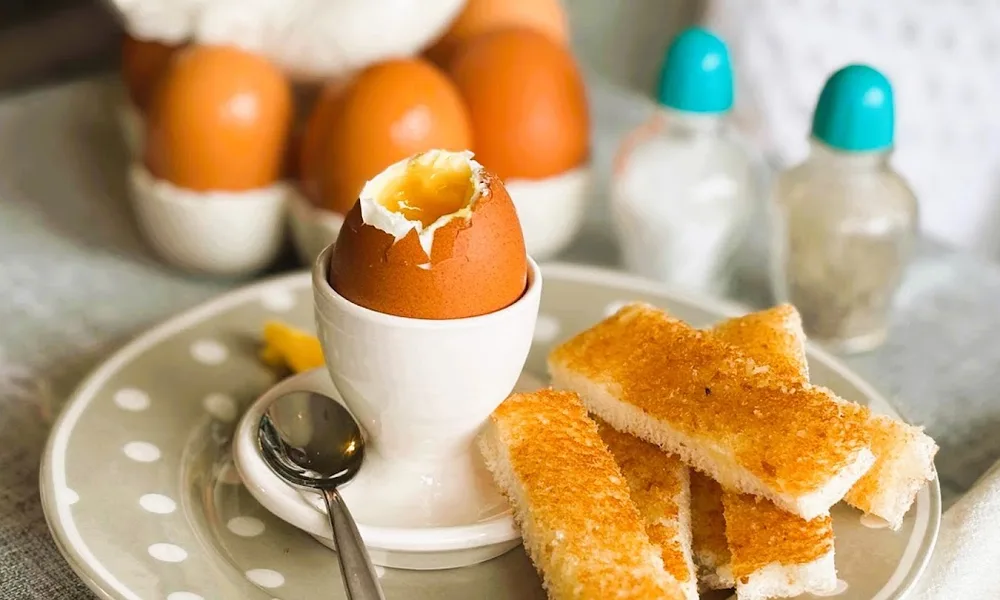
Egg Cups, Compared
| Material | Stability | Best for | Watch out for |
|---|---|---|---|
| Porcelain / ceramic | Very good | Everyday breakfast, matching a dinner set | Can chip; check the glaze is even |
| Stoneware | Excellent | Rustic tables, heavy everyday use | Heavy; may not fit a small cupboard |
| Wood | Good | Children, rustic tables, unbreakable use | Hand-wash only; stains and cracks if soaked |
| Glass | Poor | Display, a formal table | Light, slippery, breaks easily |
| Stainless steel | Good | Outdoor breakfasts, camping | Noisy, conducts heat, looks utilitarian |
The table tells the same story as the rest of this guide: ceramic and porcelain win for most people, stoneware wins for the heaviest use, and wood wins where breakage is the main worry. Glass and steel have their moments, but they are specialist choices rather than everyday ones. Our guide to the egg cookers worth the counter space covers the appliance that takes the guesswork out of timing a soft-boiled egg, so the cup has something worth holding.
Care, Cleaning and Longevity
Chips are the real enemy. A chip on the rim of an egg cup is not just unsightly — it is a place where dirt can hide, and a sharp edge against a soft shell. Inspect new cups carefully, especially around the rim and the foot, and retire any cup that chips. A good porcelain cup should last for years without chipping if it is handled normally, but a cup that lives at the front of a crowded cupboard, knocked by plates and mugs, will chip sooner. Store egg cups where they are not rattling against harder objects, and they will repay the care.


Checklist: Before You Buy
- Check the socket fits your eggs: the egg should sit about a third of the way down, steady and easy to lift out.
- Choose a wide, flat base and a cup with real weight low down, so it stays put when you tap the shell.
- Pick porcelain or ceramic for everyday use, stoneware for the heaviest use, and wood only if you accept hand-washing.
- Buy a matching set of four or six, not singles, so the table looks deliberate and every egg sits the same way.
- Check the dishwasher-safe mark and whether the decoration is under the glaze, not on top of it.
- Inspect the rim and foot for chips before you buy, and store the cups where they will not rattle against plates.
Frequently Asked Questions
What size egg cup do I need?
Most egg cups are made for standard large eggs, with a socket opening of about 4.5 to 5 centimetres. If you buy medium eggs, a slightly smaller cup holds them more steadily.
Are ceramic or wooden egg cups better?
Ceramic is better for most people: it is easy to wash, dishwasher-safe, and heavy enough to stay put. Wooden cups are warmer, unbreakable and good for children, but they need hand-washing and occasional oiling, and they stain if they are left wet.
Can egg cups go in the dishwasher?
Most porcelain and glazed ceramic egg cups can, and that is one of their main advantages. Check the base for a dishwasher-safe mark, and be careful with hand-painted cups whose decoration sits on top of the glaze — those should be washed by hand or the decoration will wear off.
How do you keep an egg cup from tipping over?
Choose a cup with a wide, flat base and real weight low down, and set it on a saucer or a plate rather than directly on a slippery table. A squat cup with no stem is more stable than a tall pedestal cup. If the table is glossy, a cloth placemat under the plate adds grip.
Which way up does the egg go in the cup?
Narrow end down, wide end up. The wide end is where the air pocket sits, and it is the easiest place to tap the shell open with a spoon. The narrow end sits more securely in the socket, so the egg stands straighter and is less likely to wobble.
How many egg cups should I buy?
Four for a small household, six for a family or for weekends with guests. Buy them as a matching set so the table looks deliberate,
The Bottom Line
The egg cups worth keeping on the breakfast table in 2026 are plain porcelain or stoneware cups with a socket that fits your eggs, a wide flat base, and a dishwasher-safe mark. Buy a matching set of four or six, test the fit with a real egg, and store them where they will not chip. Get that right and the cup disappears into the morning — which is exactly what a good egg cup should do.


