Best Egg Rings for Perfectly Round Fried Eggs in 2026
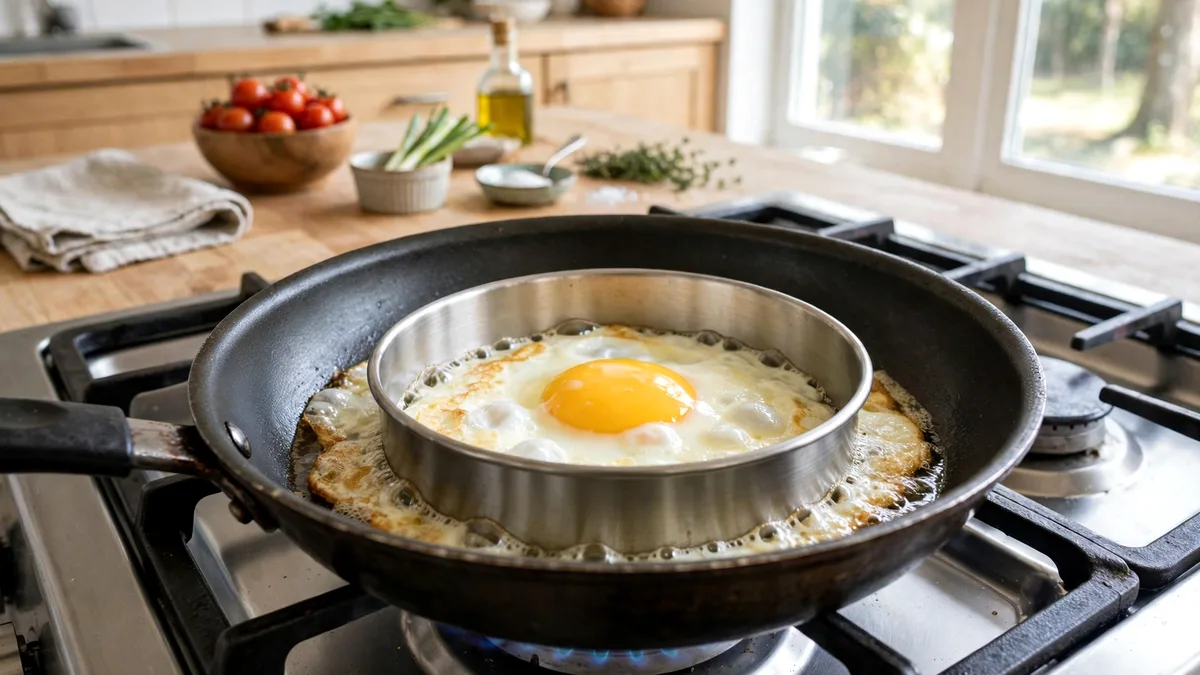
An egg ring is a small round mould that sits in a frying pan and holds a cracked egg in a neat circle while it cooks, and the best egg rings in 2026 turn a fried egg from a sprawling puddle into a tidy round that fits a muffin, a slice of toast, or a breakfast sandwich exactly. It is one of the cheapest tools in the kitchen: crack the egg into the ring, wait a couple of minutes, lift the ring away, and the egg holds its shape. This guide explains which egg rings are worth buying, how the different materials compare, and how to use one without the white leaking out underneath.
Key Takeaways
- An egg ring shapes a fried egg into a neat round while it cooks; it does not cook the egg itself, so it works in any pan you already own.
- Stainless steel rings give the crispest edge and the cleanest release when oiled, while silicone rings are gentler on non-stick pans and easier to store.
- Diameter is the first decision: a 7 to 8 centimetre ring fits an English muffin, while a 10 centimetre ring suits toast and larger buns.
- Oil the inside of the ring and preheat the pan before cracking the egg in, or the white will creep under the rim and spoil the shape.
- A good egg ring costs very little, so buy on build quality, a flat rim, and a handle you can lift safely.
What an Egg Ring Actually Is
An egg ring is a short open cylinder, usually metal or silicone. You set it in a hot, lightly oiled pan, crack an egg into it, and the ring holds the white in place while the heat sets it. Once the white is firm enough to hold its own shape, after about a minute, you lift the ring away and finish cooking the egg as normal.
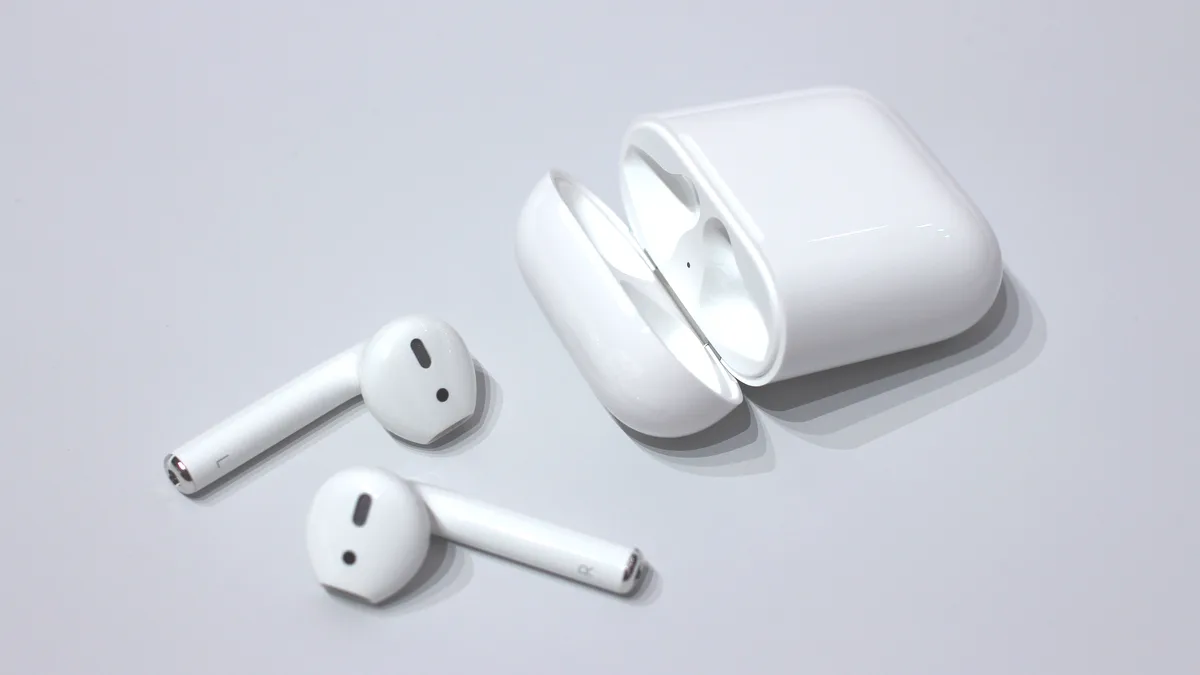
It is worth drawing a clear line here, because egg tools are easily confused. An egg ring shapes a raw egg as it fries in a pan. An egg cooker is an electric machine that steams or boils raw eggs in their shells and never touches a frying pan. An egg slicer cuts a cooked, peeled egg into rounds after the cooking is done. The ring is the only one of the three that works while the egg is frying.
Rings come in a few shapes beyond the plain circle. Heart and star shapes exist, and they are fun for children, but the corners are where the white catches and tears. The plain round ring is the one that earns its place in a drawer, because it matches the food it is most often used for: muffins, crumpets, bagels, and toast.
The Main Types of Egg Ring, Compared
Most egg rings fall into four designs, and the right one follows from your pan, your hob, and how often you make fried-egg sandwiches.
| Type | Best For | Diameter | Watch Out For |
|---|---|---|---|
| Stainless steel ring | Crisp edges and long life | 7–10 cm | Hot handle; needs oiling |
| Silicone ring | Non-stick pans and easy storage | 7–10 cm | Can flex; thinner edge seal |
| Ring with handle | Safe lifting while hot | 7–9 cm | Handle can catch on the pan edge |
| Multi-ring set | Cooking four eggs at once | 7–8 cm each | Takes up the whole pan |
The stainless steel ring is the standard and the right choice for almost everyone. It is rigid, so it holds a true circle, it conducts heat into the edge of the egg, and it lasts for years without warping. The silicone ring is softer and folds flat for storage, and it will not scratch a non-stick surface. Rings with a folding or fixed handle are worth the small premium, because a bare steel ring is hot to lift.

Stainless Steel vs Silicone: Which Ring Wins?
Stainless steel wins on shape. A steel ring is a rigid circle, and it stays a circle under heat and after years in a drawer. The edge of the white sets against the hot metal, which gives the finished egg a clean, slightly crisped rim. The downside is heat: the ring itself gets hot, so you need a handle, tongs, or a cloth to lift it, and an unoiled steel ring can grip the white if the pan is not hot enough.
Silicone wins on gentleness. It cannot scratch a non-stick pan, it is cool enough to lift with bare fingers sooner, and it folds or stacks flat. The trade-off is the seal: silicone is flexible, so if the pan is slightly warped, the white can creep under the rim. A good silicone ring has a thick, flat base that sits flush. For a cast-iron or stainless steel pan, steel rings are the better match; for a non-stick pan you want to protect, silicone is the safer pick.
Diameter
An English muffin is about 8 centimetres across, so a 7 to 8 centimetre ring makes an egg that sits neatly on it without overhang. A slice of toast or a burger bun is wider, so a 9 to 10 centimetre ring is the better fit. If you only buy one size, buy 8 centimetres: it fits a muffin, a crumpet, and most buns.
A Flat, True Rim
The rim is the whole secret of a good egg ring. It must sit perfectly flat against the pan, all the way around, with no rocking and no gaps. A ring that rocks lets the white escape underneath, which is the most common complaint about cheap rings. Set it on a flat worktop before first use and press it gently: if it wobbles, it will leak.
Handle and Lifting
A handle is a small feature that makes a big difference on a busy morning. A folding handle lies flat for storage and flips up for lifting, while a fixed handle sticks out over the pan edge where you can grab it. Either is better than a bare ring, which needs tongs and a steady hand while the pan is hot.

How to Use an Egg Ring Without the Egg Leaking
The technique matters more than the ring itself. Start with a pan on medium heat and let it warm fully before anything goes in. A cold pan is the main reason eggs leak, because the white stays liquid long enough to run under the rim. Add a little oil or butter, let it heat until it shimmers, then set the ring in the pan and oil the inside wall of the ring as well.
Crack the egg into a small cup first, then pour it gently into the ring. Pouring from a cup keeps the yolk whole and puts the white where you want it. Let the egg sit undisturbed for about a minute, until the white at the edge has set and turned opaque. Then lift the ring straight up, slowly, and let the egg finish cooking in the pan. If the white has stuck, run a thin knife around the inside before lifting. A lid helps for the last minute: covering the pan traps steam and sets the top of the white without flipping the egg.
Egg Rings vs the Rest of the Breakfast Drawer
Against freehand frying, the ring wins on shape and loses on speed: cracking an egg straight into the pan is faster, but the white spreads wherever it likes and the egg rarely fits the muffin. Against a poacher, the ring wins on simplicity, because a poacher needs its own pan of water, while the ring works in the pan you are already using. Against an egg slicer, there is no competition at all, because the slicer works on a cooked, peeled egg and the ring works on a raw one. The ring also does not replace a good pan: a warped pan will defeat even the best ring, because the rim cannot sit flat. Our guide to the best frying pans covers pans that stay flat and heat evenly, which is the foundation the ring depends on.
Mistakes That Ruin the Result
The most common mistake is a cold pan. If the pan and the ring are not hot when the egg goes in, the white stays runny for too long and finds its way under the rim, and no ring can stop it. Heat the pan first, then add the oil, then the ring, then the egg, in that order, every time. The second mistake is lifting the ring too early: if the white at the edge is still clear and liquid, the egg will spread the moment the ring comes off. The third mistake is the wrong size, because a ring much bigger than the muffin makes an egg that hangs over the edge and breaks when you pick the sandwich up. The fourth mistake is forgetting the oil inside the ring, or the white will grip the metal and tear when you lift. The fifth mistake is buying a novelty shape first: hearts and stars look charming in a photograph and frustrating at breakfast, because the white catches in the corners and tears.

Before You Buy: The Checklist
- Diameter matches the muffin, bun, or toast the egg will sit on, usually 8 centimetres for muffins.
- Rim sits perfectly flat with no rocking on a flat surface, so the white cannot creep underneath.
- Material suits your pan: steel for cast iron and stainless steel, silicone for non-stick.
- Handle, folding or fixed, lets you lift the hot ring safely without tongs.
- Height is at least 2.5 centimetres, so a large egg does not spill over the top.
- Single-piece construction with no rivets or joins where egg and rust can collect.
Frequently Asked Questions
Do egg rings work on an induction hob?
Yes. The ring itself does not need to be magnetic, because the pan heats on induction and the ring sits in the hot pan. The pan is what matters on induction, not the ring, so check the pan is induction compatible and the ring will work in it.
Why does the egg white leak under my ring?
Almost always because the pan was not hot enough, or the rim is not flat. Heat the pan fully, oil the inside of the ring, and test the ring on a flat surface for rocking. A warped pan is the other usual cause.
Can I use an egg ring for pancakes?
Yes, a tall steel ring works well for small, thick pancakes and mini omelettes, because the batter is held in a neat circle while it sets. Use a ring at least 3 centimetres tall and oil it well.
Are silicone egg rings safe at frying temperatures?
Yes, food-grade silicone is safe well above normal frying temperatures, usually to around 220 degrees Celsius, and a frying pan on medium heat stays well below that. Keep it away from direct flame on a gas hob.
How do I stop the egg sticking to the ring?
Oil the inside wall of the ring every time, and make sure the pan is hot before the egg goes in. If it still sticks, run a thin knife around the inside of the ring before lifting.
Is one ring enough, or should I buy a set?
One ring is enough if you cook for one person, but a set of four is worth it for a family, because four eggs cook at the same time and are ready together. Sets are usually cheaper per ring than buying singles.
Bottom Line
The best egg ring is a plain, round, single-piece ring, 8 centimetres across, in stainless steel for a steel or cast-iron pan and in silicone for a non-stick pan, with a handle you can lift safely and a rim that sits dead flat. Heat the pan first, oil the inside of the ring, pour the egg in from a cup, and lift once the white has set.